
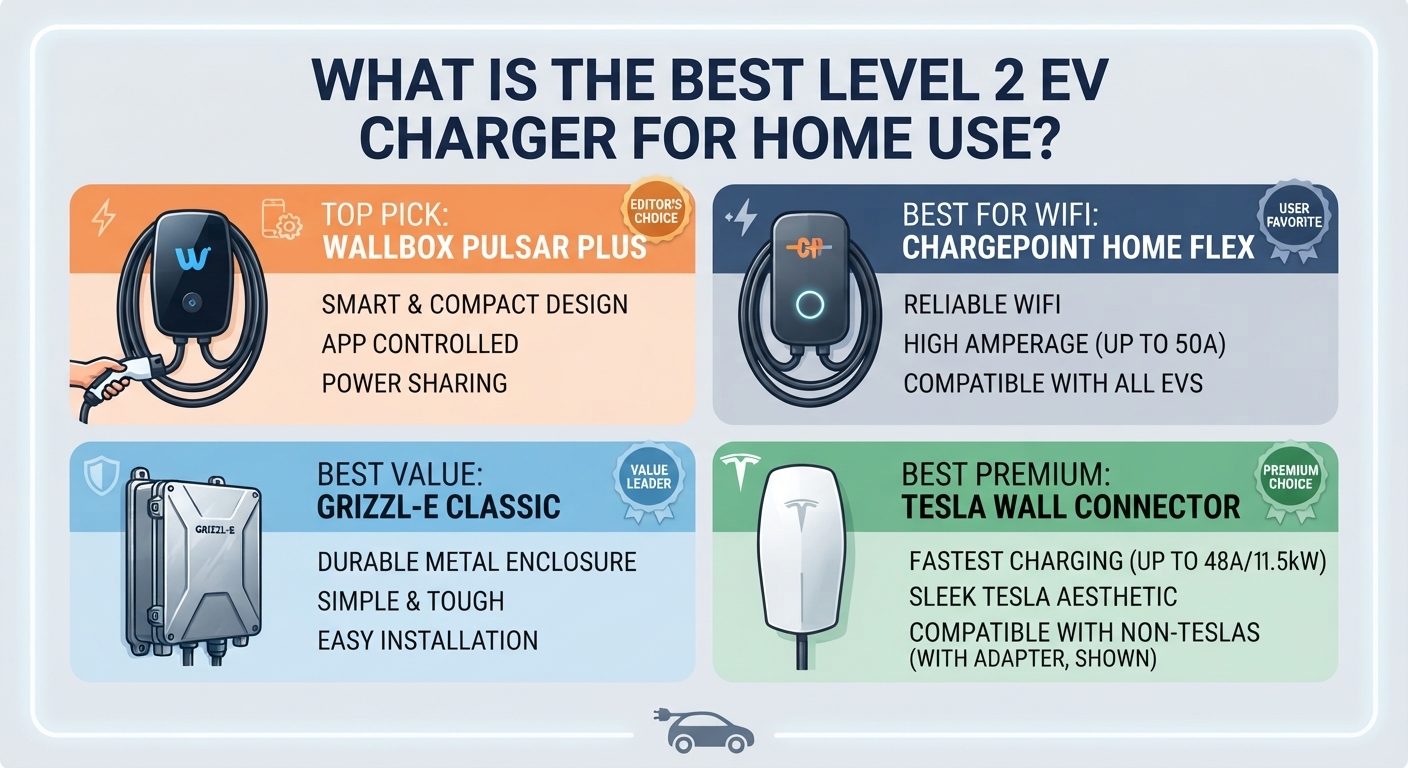
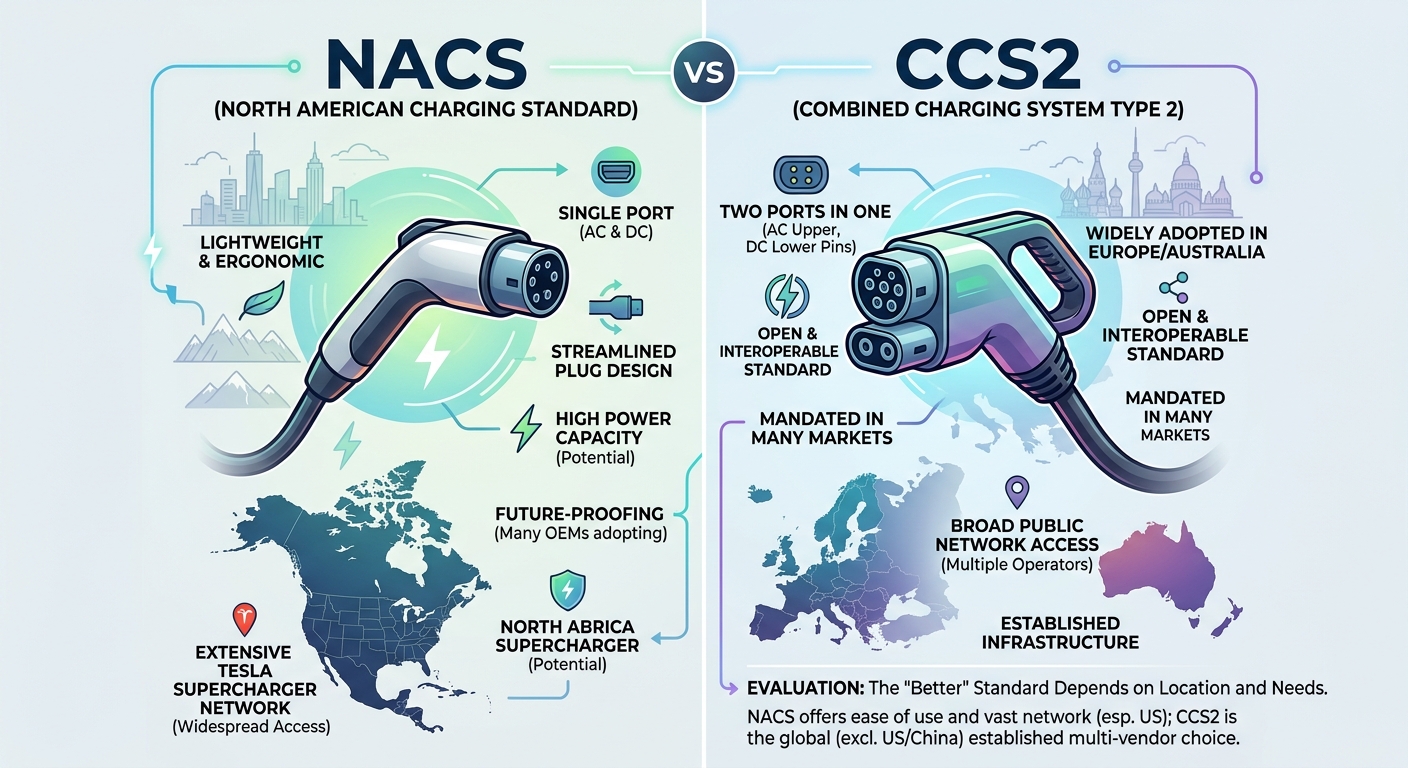
Selecting the right electric vehicle supply equipment (EVSE) for your residential garage is one of the most important decisions you will make as an EV owner. To answer the core question right away: The Tesla Universal Wall Connector is the best overall Level 2 EV charger for home use, offering 48-amp charging and built-in compatibility for both NACS and J1772 ports.
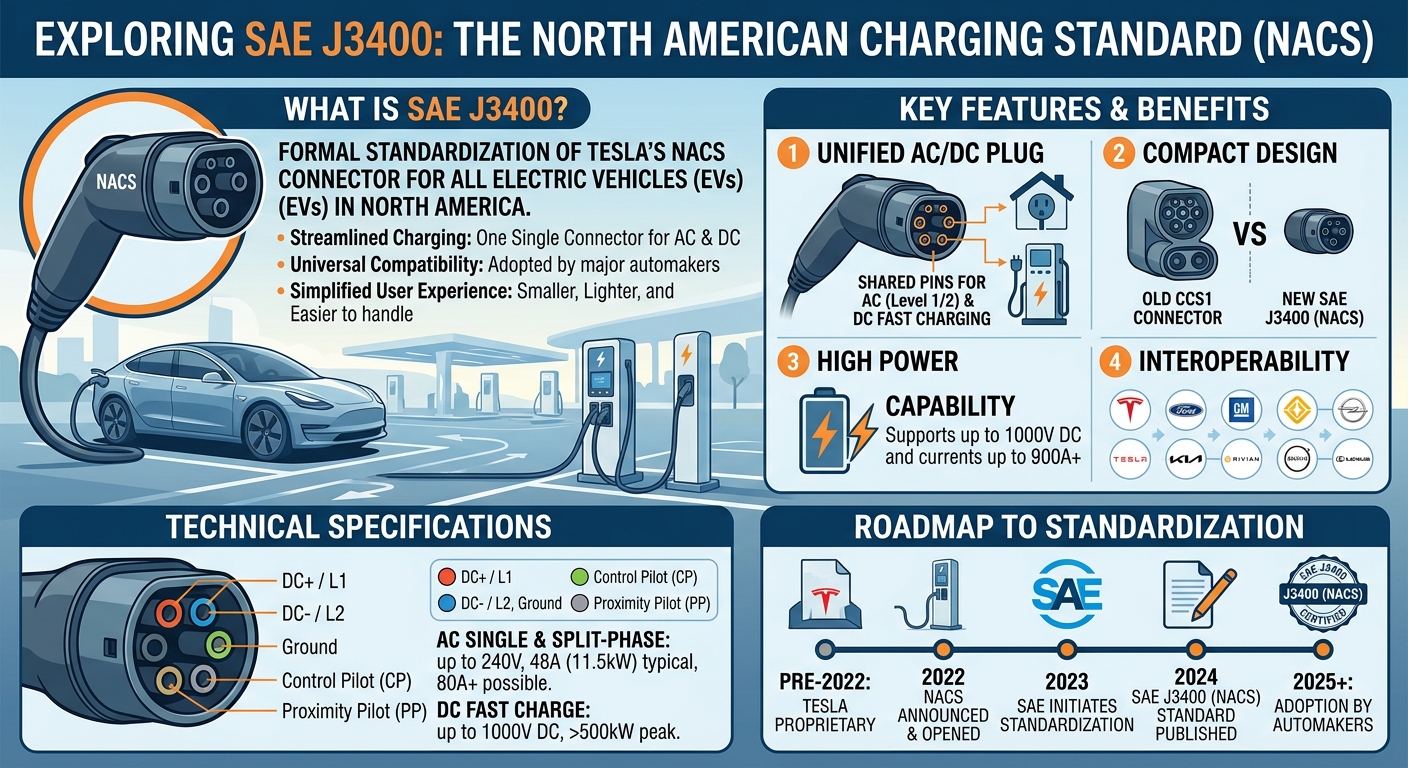
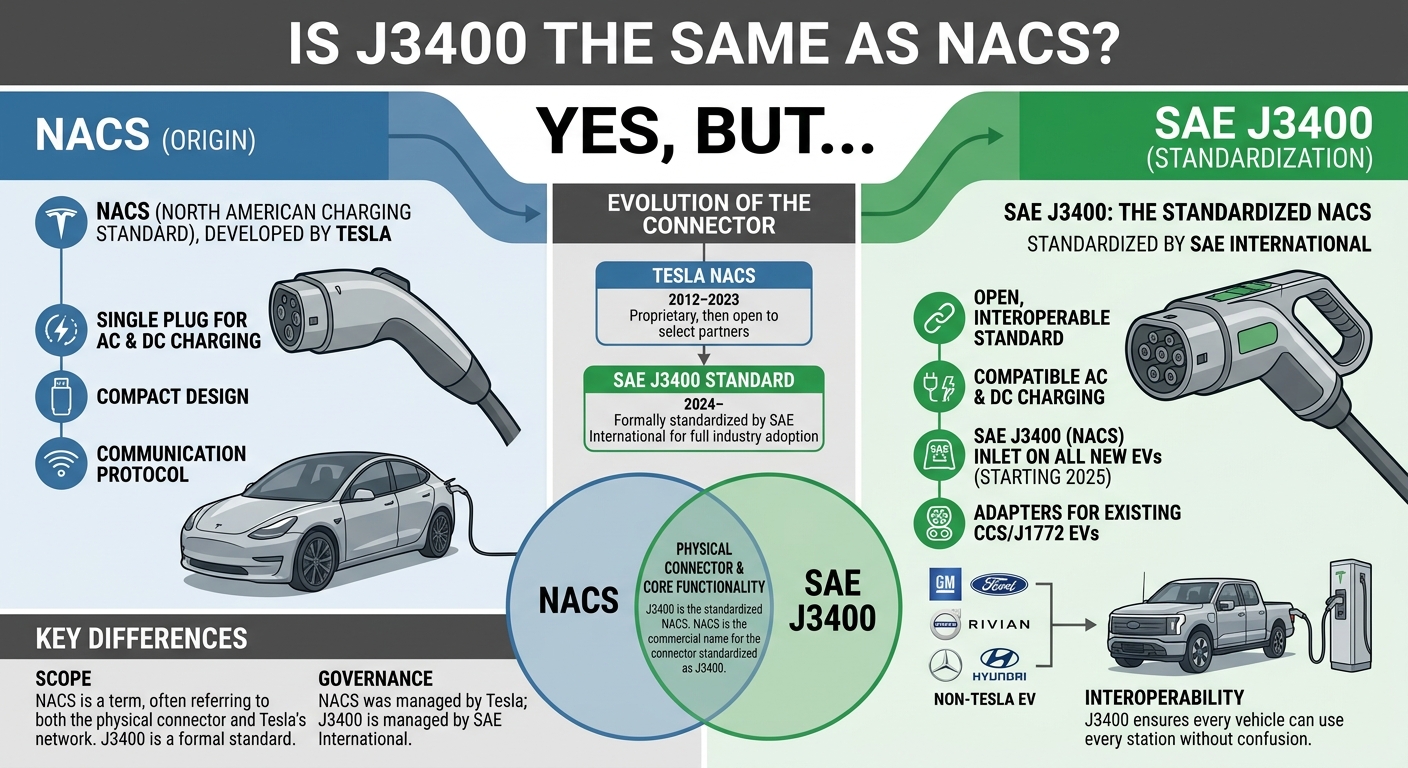
As the automotive industry shifts toward unified charging standards, having a future-proof unit that can seamlessly charge both legacy electric vehicles and modern models without clumsy adapters has become the gold standard for homeowners.
In this comprehensive guide, we will break down why the Tesla Universal Wall Connector stands out, examine alternative top contenders, and help you evaluate what features truly matter for your daily routine.
Why the Tesla Universal Wall Connector Wins Overall
When reviewing home charging equipment, convenience, speed, and versatility separate the average hardware from industry leaders. The Tesla Universal Wall Connector bridges a massive gap in the market due to several distinct engineering advantages:
-
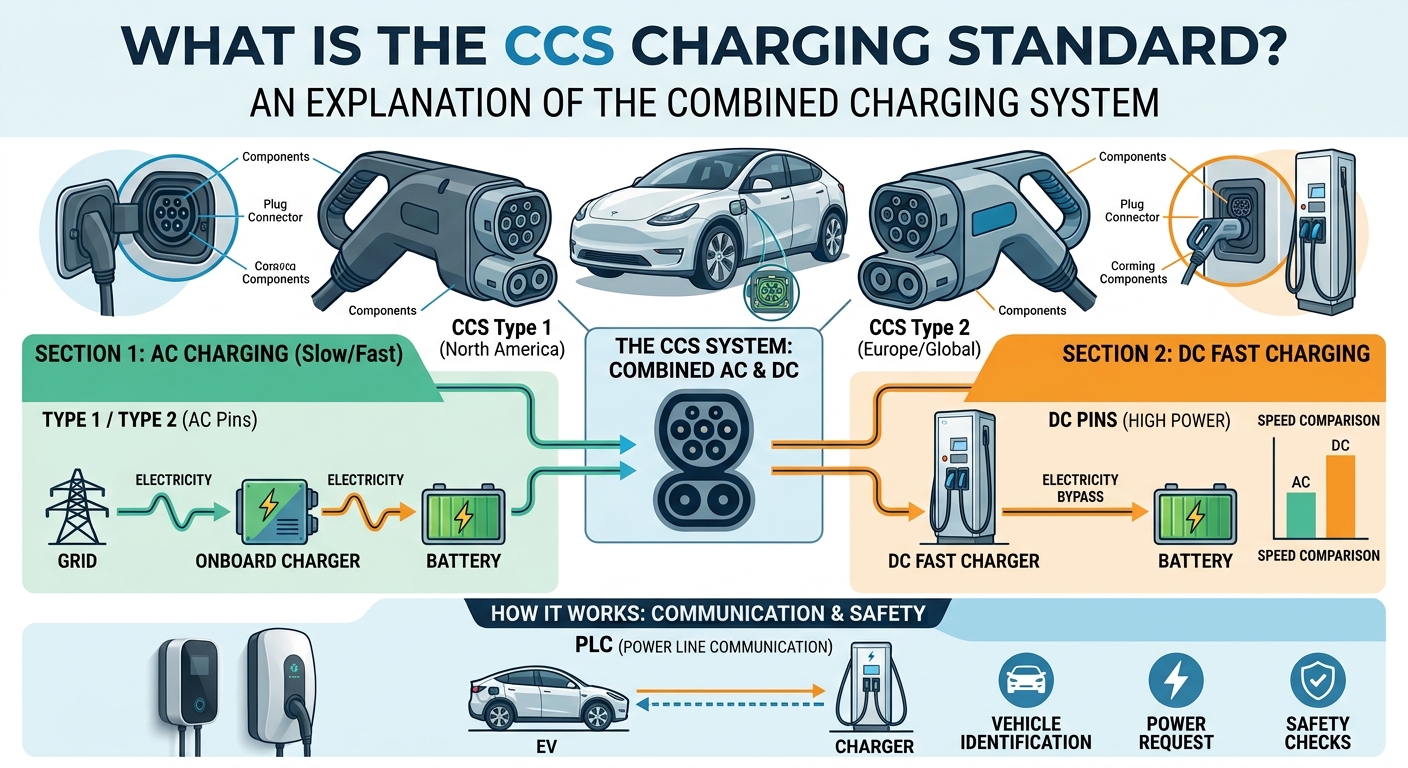
Dual-Port Magic Zip Adapter: Historically, Tesla owners used the proprietary NACS connector, while almost all other automakers (Ford, Chevy, Hyundai, Rivian, etc.) used the J1772 plug. The Universal Wall Connector features an integrated, hidden adapter that instantly slides out to accommodate J1772 cars or clicks securely in place for NACS vehicles.
-
Robust Power Delivery: Delivering up to 48 amps (11.5 kW) of continuous power on a dedicated 60-amp circuit, it pumps roughly 30 to 44 miles of driving range into your battery per hour of charging.
-
Wi-Fi Connectivity and Smart App Control: Homeowners can track energy usage, schedule charging sessions to coincide with cheap utility rates, and receive over-the-air firmware updates straight through the Tesla app.
To learn more about how advanced equipment configurations integrate into modern residential setups, explore our detailed guide on smart home EV solutions.
Alternative Top Contenders for Home Charging
While the Tesla Universal Wall Connector takes the top spot for universal flexibility, other chargers excel depending on your specific needs, budget, and garage layout:
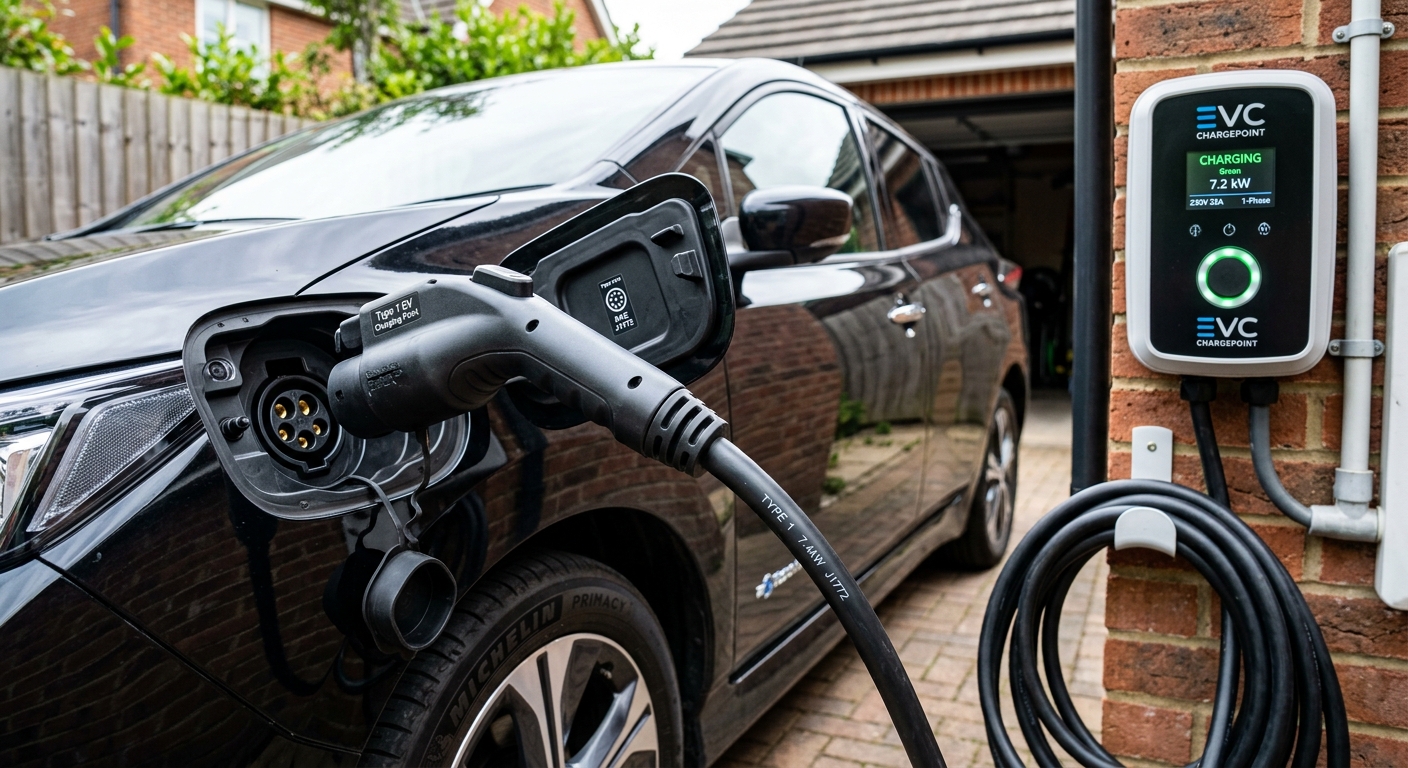
1. ChargePoint Home Flex (Best Runner-Up / Smart Control)
The ChargePoint Home Flex is legendary in the EV community for its incredible software ecosystem and reliability:
-
Amperage: Adjustable up to 50 amps (hardwired) or 40 amps (plug-in via NEMA 14-50).
-
Software Integration: The ChargePoint app is arguably the best on the market, allowing deep integration with Amazon Alexa, Google Home, and various utility demand-response programs.
2. Emporia Level 2 EV Charger (Best Value for Money)
If you want robust smart capabilities and heavy output without breaking the bank, Emporia is a fan-favorite:
-
Amperage: Delivers up to 48 amps when hardwired.
-
Pricing & Monitoring: It offers one of the lowest price points per kilowatt delivered and features comprehensive energy monitoring software to track your exact monthly electricity costs.
To evaluate how these power levels compare with standard utility benchmarks, check out our breakdown of various charging types.
Key Features to Look for in a Home EV Charger
Before purchasing any Level 2 equipment, ensure you evaluate these four critical criteria:
-
Hardwired vs. Plug-In: Plug-in units (using a NEMA 14-50 outlet) offer portability if you move homes, but hardwired installations are safer, weather-resistant, often support higher amperages (up to 48A or 50A safely), and bypass National Electrical Code (NEC) rules requiring expensive GFCI breakers for outdoor outlets.
-
Cable Length: Standard cables range from 18 to 24 feet. Measure your garage parking setup carefully to ensure the cord can easily reach your car’s charge port whether you pull in forward or back in.
-
Weather Resistance (NEMA Rating): If your charger will be mounted outdoors on an exterior wall or carport, look for a NEMA 4 rating to guarantee protection against driving rain, snow, and extreme temperatures.
-
Smart vs. Dumb Chargers: “Dumb” chargers simply push electricity the second you plug in. “Smart” chargers connect to your home Wi-Fi, allowing you to lock the charger to prevent neighbors from using it, schedule off-peak charging times, and monitor kilowatt-hour consumption.
If you want to dive deeper into residential safety requirements, installation costs, and long-term savings potential, visit our core hub at EV Charger Advisor.
Summary: Which Charger Should You Buy?
-
Choose the Tesla Universal Wall Connector if you want the ultimate future-proof investment that handles both NACS and J1772 vehicles effortlessly with a sleek aesthetic.
-
Choose the ChargePoint Home Flex or Emporia Charger if you prioritize deep third-party app integration, open-source energy tracking, or budget-friendly performance.





Leave a Reply