
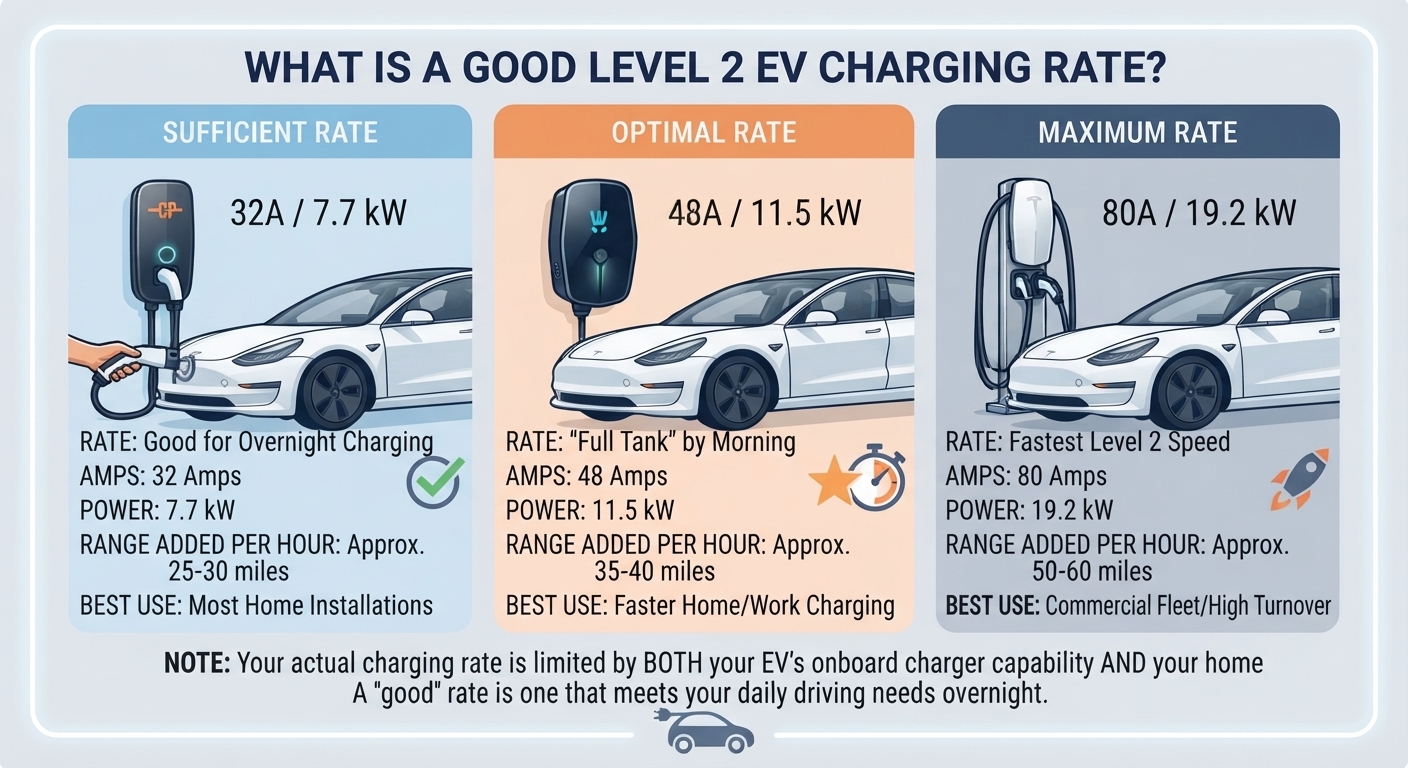
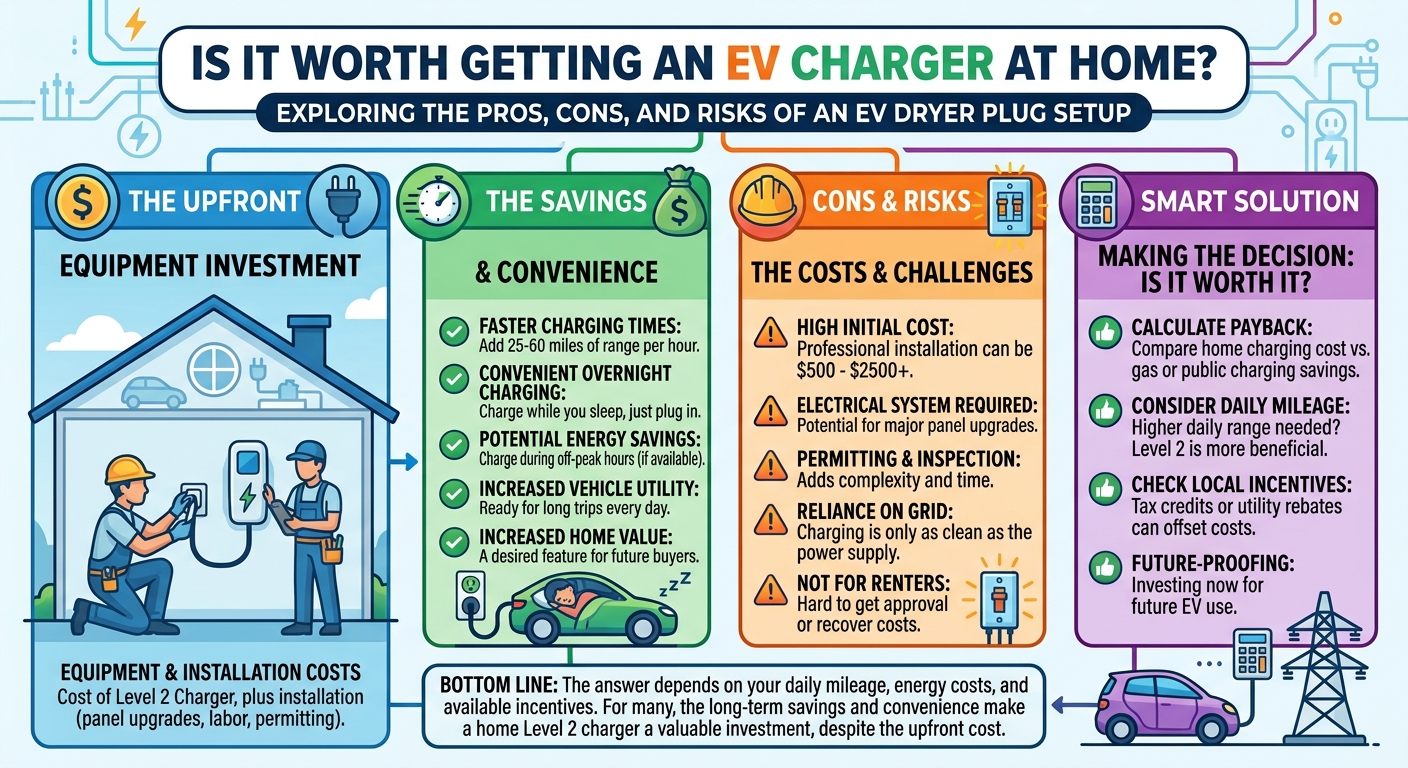
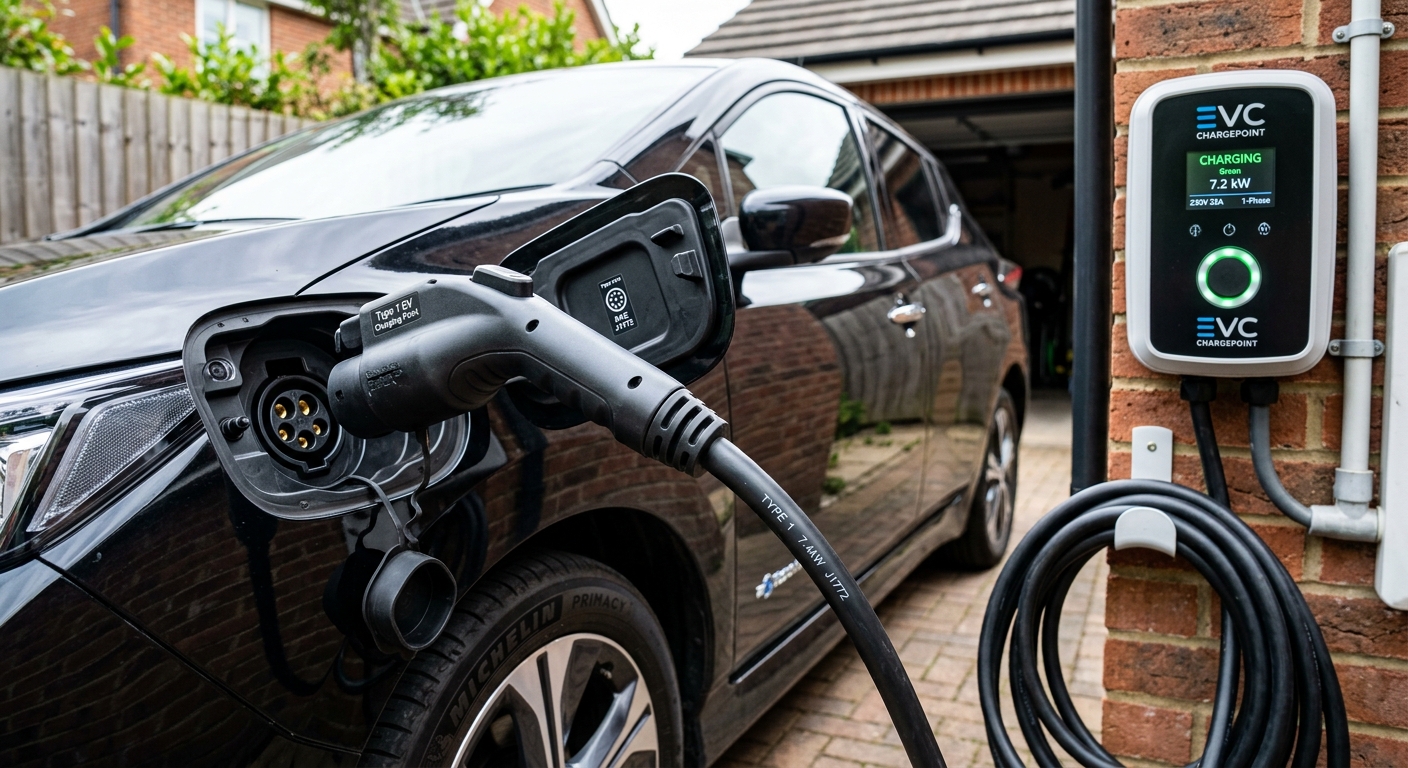
Transitioning to an electric vehicle (EV) is an exciting milestone, but upgrading your home infrastructure can sometimes feel overwhelming. One of the most frequently asked questions by new and prospective EV owners revolves around charging speed. To answer directly: A good Level 2 EV charging rate for home use is 7.2 kW to 11.5 kW (32 to 48 amps), which adds about 25 to 45 miles of range per hour and fully recharges most electric vehicles overnight.
While you might be tempted to purchase the highest-powered equipment available on the market, matching your home charger’s amperage to your vehicle’s capabilities and electrical panel limits ensures maximum efficiency, safety, and long-term cost savings. In this in-depth guide, we will break down everything you need to know about Level 2 charging rates, how they impact your daily routine, and how to choose the right setup for your property.
Understanding Level 2 EV Charging Basics
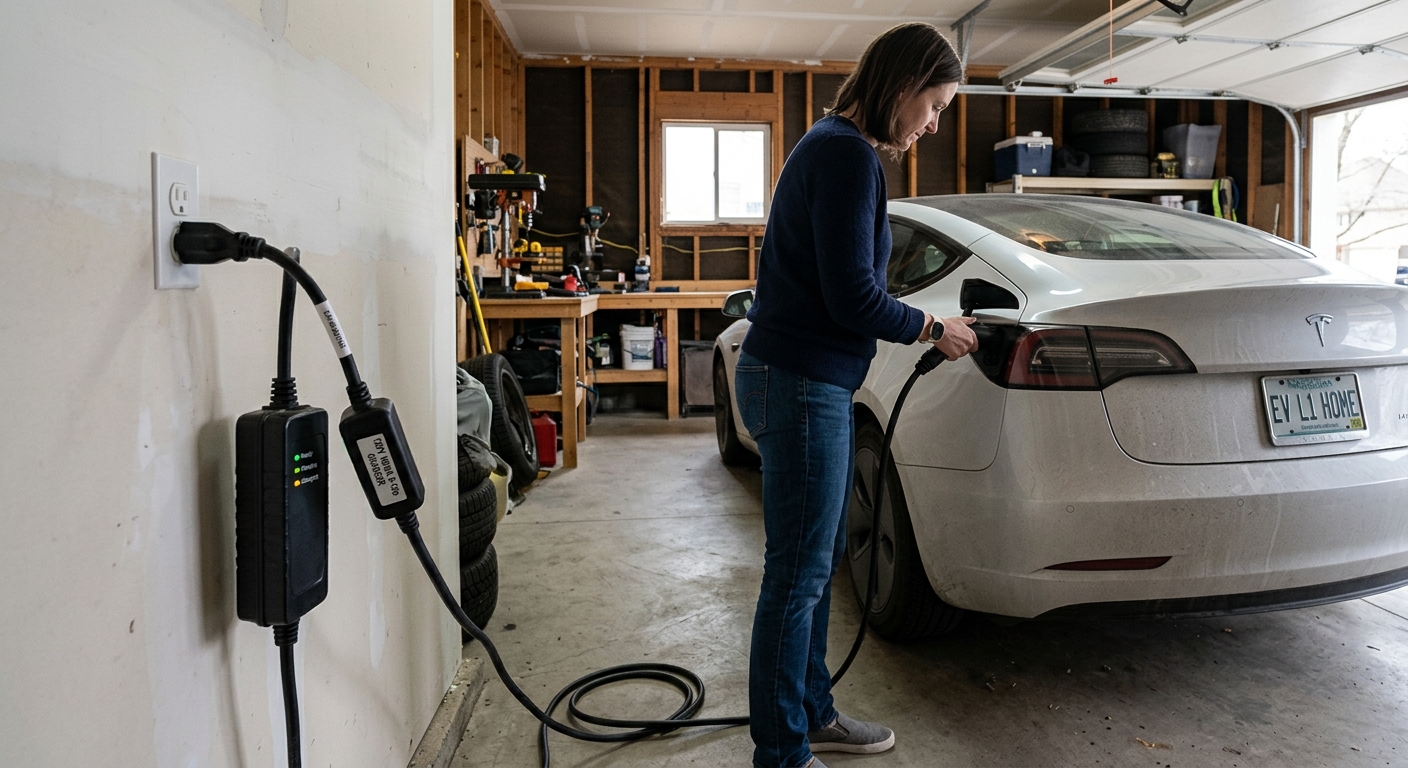
Before diving deep into kilowatt (kW) ratings and amperage, it helps to understand what Level 2 charging actually means. Unlike standard Level 1 chargers that plug into a regular 120-volt household outlet and deliver a trickle charge (typically 1 to 2 kW), Level 2 chargers operate on 240 volts, similar to heavy-duty home appliances like electric dryers or ovens.
Because they pull significantly more power, Level 2 units drastically reduce refueling times. However, not all Level 2 chargers deliver the exact same speed. They typically range from 16 amps all the way up to 80 amps, translating to power outputs anywhere from 3.8 kW to over 19 kW.
To explore the fundamental differences between various equipment speeds, check out our comprehensive overview of charging types.
The Sweet Spot: Why 7.2 kW to 11.5 kW (32 to 48 Amps) is Ideal
Industry experts and experienced EV owners widely agree that a charging rate between 7.2 kW and 11.5 kW (powered by a 32-amp to 48-amp circuit) is the absolute sweet spot for residential setups. Here is why this range works so well for everyday drivers:
1. Exceptional Speed and Range Recovery
Operating within this power window adds approximately 25 to 45 miles of driving range for every hour your vehicle is plugged in. If your daily commute involves driving 40 to 50 miles, your car can fully recover that energy in just over an hour of charging.
2. Seamless Overnight Turnaround
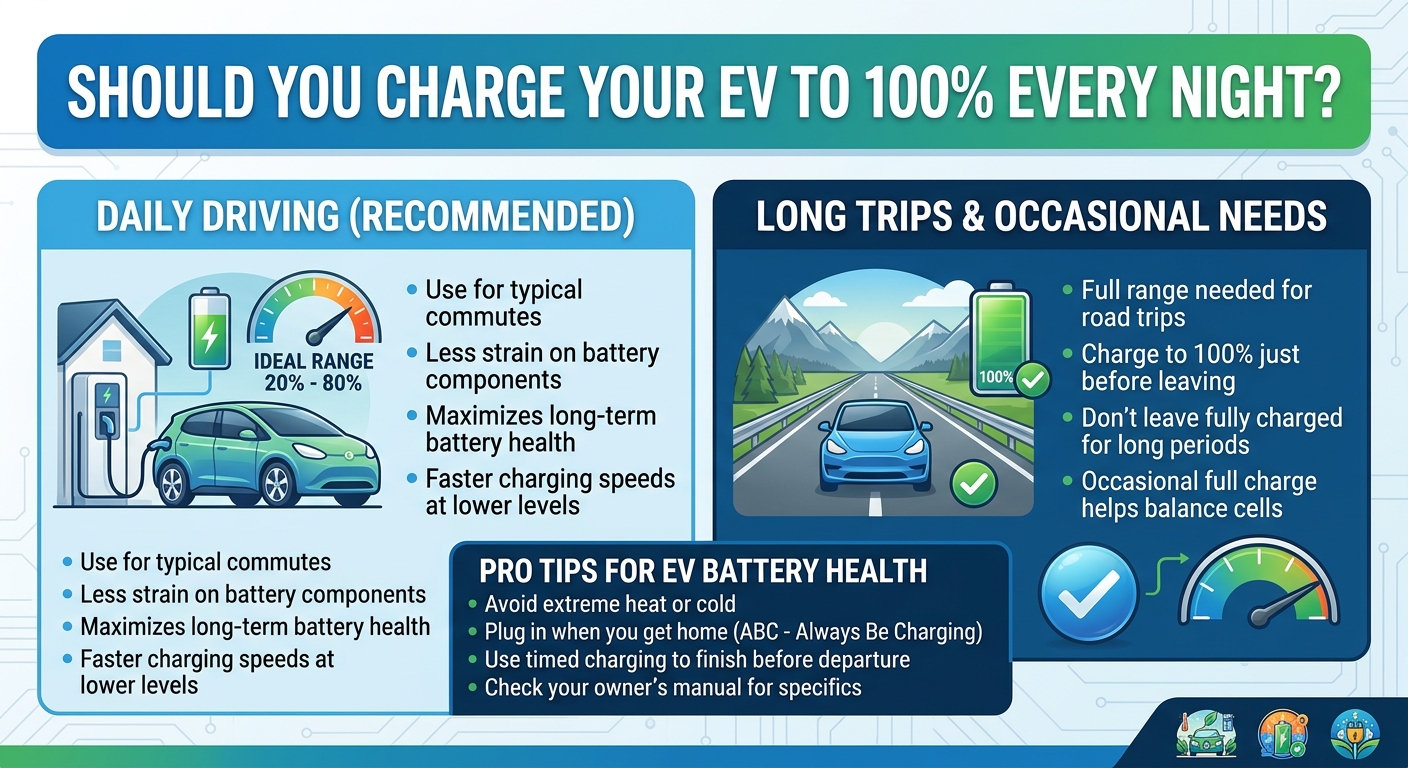
Most modern electric vehicles feature battery packs ranging from 60 kWh to over 100 kWh. At a 7.2 kW to 11.5 kW charging rate, a completely depleted large battery pack can be refueled from 0% to 100% in roughly 6 to 10 hours. This fits perfectly inside standard residential off-peak utility hours, allowing you to wake up to a full battery every single morning without straining the power grid.
3. Balanced Electrical Demands
Installing a charger in this range typically requires a dedicated 40-amp, 50-amp, or 60-amp circuit breaker. Most modern homes with 200-amp electrical panels can support this load comfortably without requiring a costly full-service electrical panel upgrade.
Breaking Down the Amperage Options
To help you decide where you fit on the spectrum, let’s look closer at the specific tiers within the “good” charging rate category:
32-Amp / 7.2 kW Chargers
-
Best For: Plug-in hybrids (PHEVs) and smaller battery EVs (like standard-range sedans).
-
Electrical Requirement: 40-amp dedicated breaker.
-
Performance: Adds roughly 25 miles of range per hour. It is reliable, gentler on older home wiring, and handles normal daily commutes effortlessly.
40-Amp / 9.6 kW Chargers
-
Best For: Standard full-electric SUVs and mid-sized battery packs.
-
Electrical Requirement: 50-amp dedicated breaker.
-
Performance: Delivers around 30 to 35 miles of range per hour. It provides a comfortable buffer for unexpected long-distance trips.
48-Amp / 11.5 kW Chargers
-
Best For: Long-range EVs, heavy-duty electric trucks, and multi-EV households.
-
Electrical Requirement: 60-amp dedicated breaker (often requires hardwiring rather than a plug connection).
-
Performance: Delivers up to 45 miles of range per hour, ensuring lightning-fast overnight turnarounds even for massive 100+ kWh battery configurations.
Modern residential energy management systems and automated schedules can further optimize these rates. To learn more about automating your power usage, explore our insights on smart home EV solutions.
Critical Factors to Consider Before Buying a Charger
Before calling an electrician or purchasing hardware, evaluate three vital constraints that dictate your maximum usable charging rate:
1. Your Vehicle’s Onboard Charger (OBC) Limit
An EV can only accept as much alternating current (AC) power as its internal onboard charger allows. For example, if your car’s maximum AC acceptance rate is 7.7 kW (32 amps), installing a high-end 48-amp charger will not make your car charge any faster—the vehicle will simply draw what it maxes out at. Always check your car manufacturer’s specifications first.
2. Home Electrical Panel Capacity
Your home’s total electrical service (whether it is 100 amps, 150 amps, or 200 amps) determines how much continuous load your home can handle safely. An electrician must perform a load calculation to ensure your main panel can accommodate a dedicated high-draw circuit without tripping breakers.
3. Utility Rates and Time-of-Use (TOU) Plans
Electricity pricing changes throughout the day. Charging at a rate of 7.2 kW to 11.5 kW ensures that even if you plug your car in late in the evening during off-peak hours (e.g., midnight), your vehicle will be fully juiced up well before peak morning rates kick in.
Conclusion: Making Your Final Choice
Choosing the right Level 2 charging rate doesn’t mean buying the most expensive hardware on the market. For the vast majority of drivers, sticking to a robust 7.2 kW to 11.5 kW (32 to 48 amp) setup provides the perfect equilibrium between rapid refueling speed, installation safety, and financial prudence.
If you want to evaluate your home’s unique requirements, compare equipment types, and get expert guidance tailored to your specific vehicle, explore more resources at EV Charger Advisor.
(FAQs)
-
Will a higher kW rate damage my EV battery? No. Modern electric vehicles feature advanced Battery Management Systems (BMS) that regulate power intake and thermal levels to protect battery health during Level 2 charging.
-
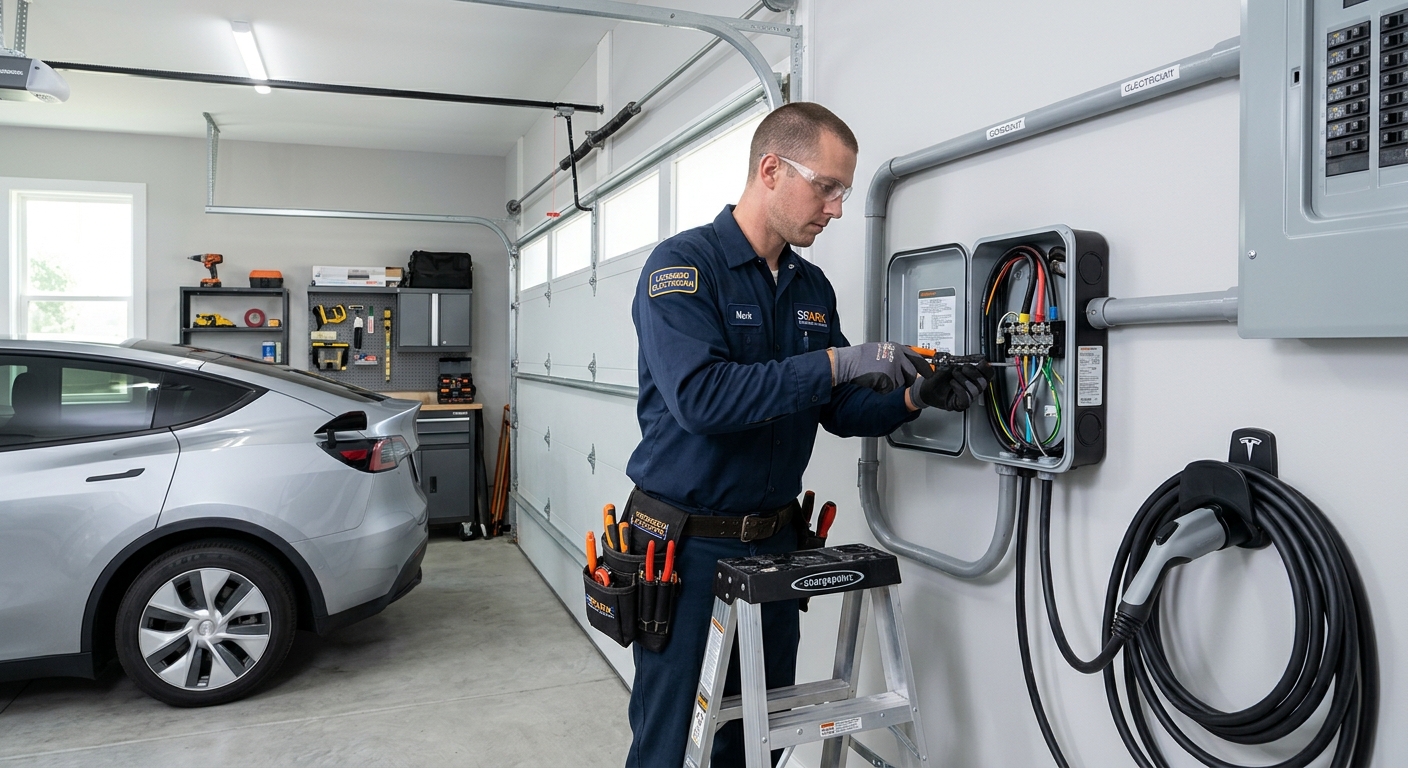
Can I install a Level 2 charger myself? Due to high voltage requirements and local electrical codes, it is strongly recommended to hire a licensed professional electrician for installation.
-
Do I need a hardwired charger or a plug-in unit? Units above 40 amps typically require hardwiring for safety and compliance with modern electrical codes, while lower-amperage units can often use heavy-duty NEMA 14-50 outlets.





Leave a Reply