
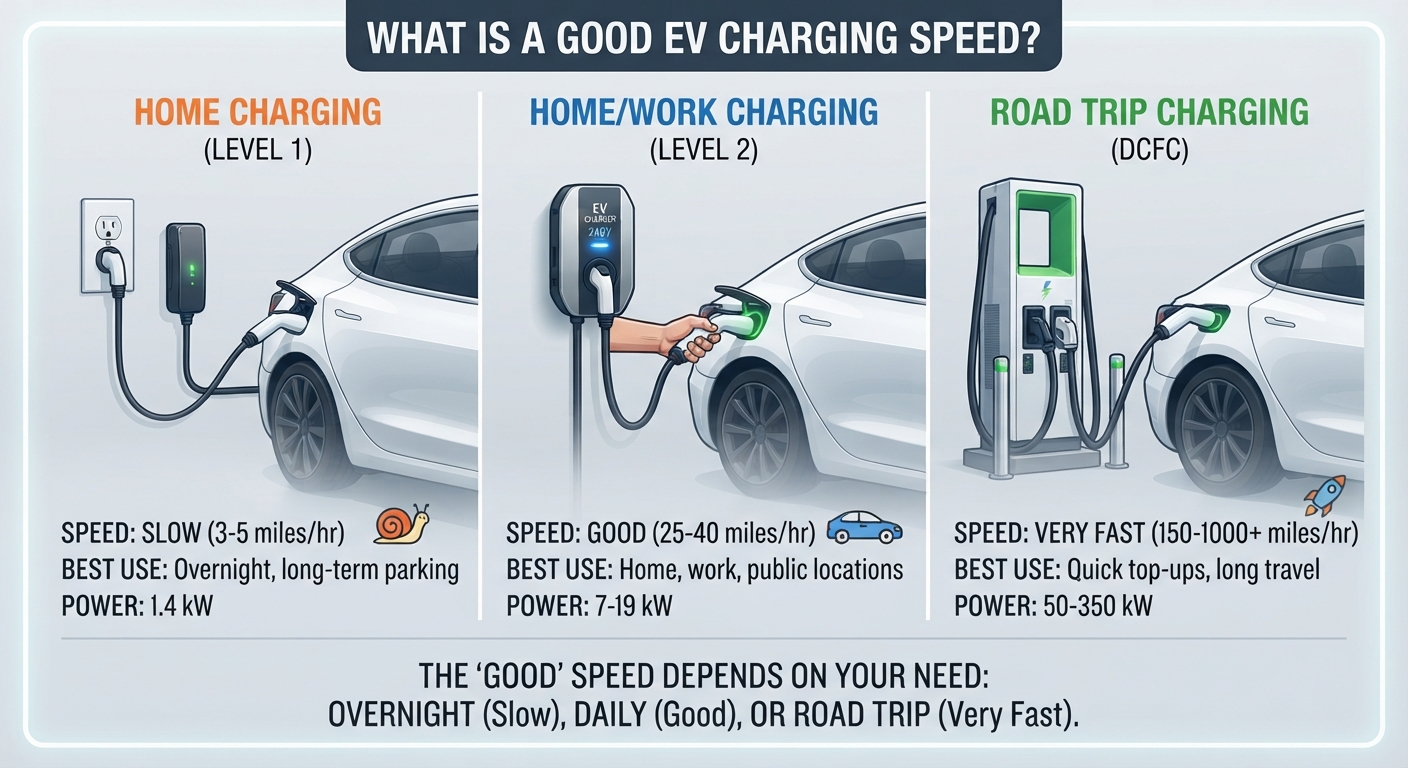
When transitioning to electric mobility, understanding how quickly your vehicle can replenish its energy source is one of the most practical elements of daily ownership. To answer directly: A good electric vehicle (EV) charging speed is 7.4 kW to 11 kW for home charging (Level 2) and 150 kW to 350 kW for public fast charging (Level 3), depending on where you are charging and your car’s capability.
While maximum hardware specs sound impressive on paper, real-world charging speeds depend on a delicate ecosystem involving your car’s onboard charging limits, battery management systems, grid capacity, and the specific charging hardware installed.
Here is an extensive, in-depth guide to understanding what constitutes a good EV charging speed and how to optimize your charging experience at home and on the road.
1. Understanding the Three Tiers of EV Charging Speeds
To evaluate what counts as a “good” speed, it helps to break down charging into its standard industrial categories:
-
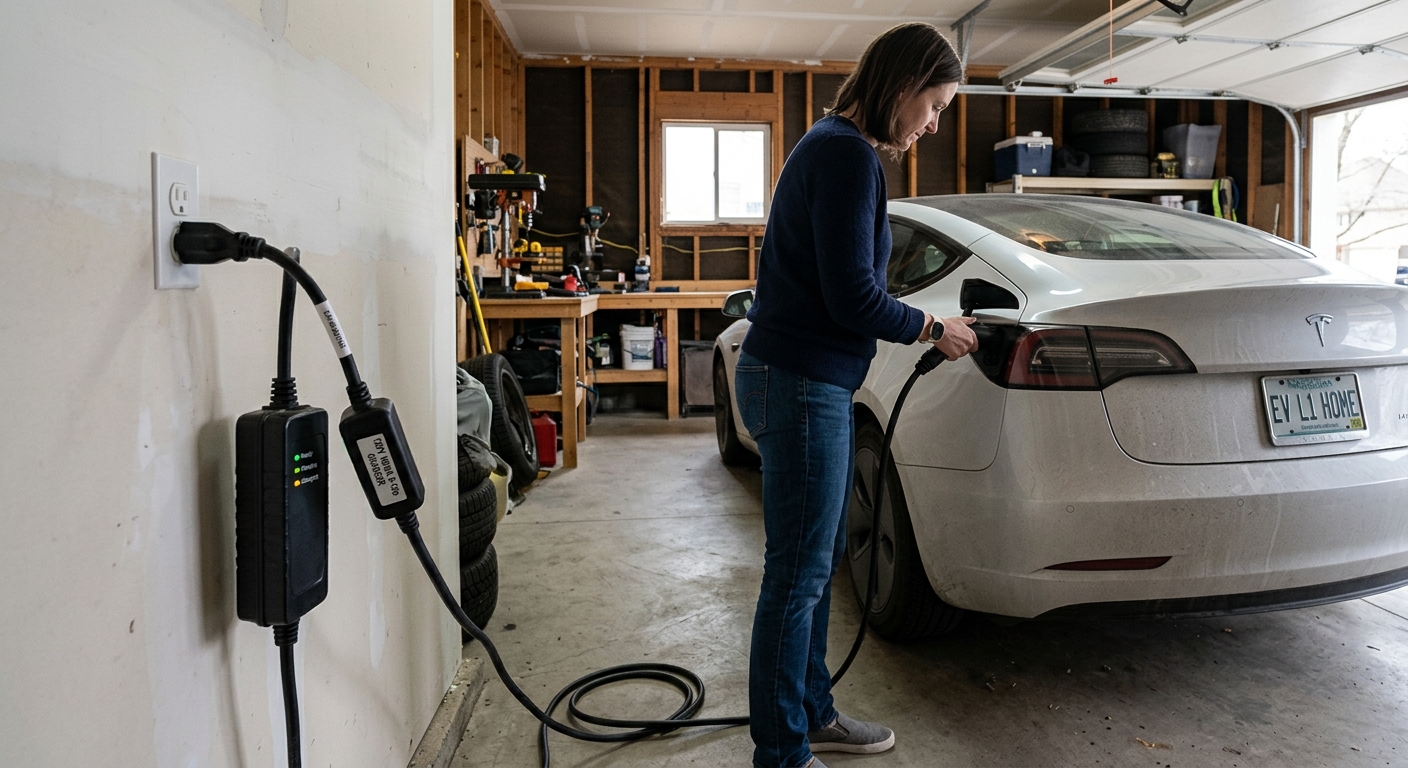
Level 1 (Slow Home Charging – 1.4 kW to 1.9 kW): This utilizes a standard household 120V outlet. It adds only 2 to 5 miles of range per hour. While it costs nothing extra to set up, it is generally too slow for daily high-mileage drivers.
-
Level 2 (Standard Residential & Public Charging – 7 kW to 19.2 kW): Operating on 240V, this is the gold standard for overnight home replenishment or destination parking lots, adding anywhere from 20 to 60 miles of range per hour.
-
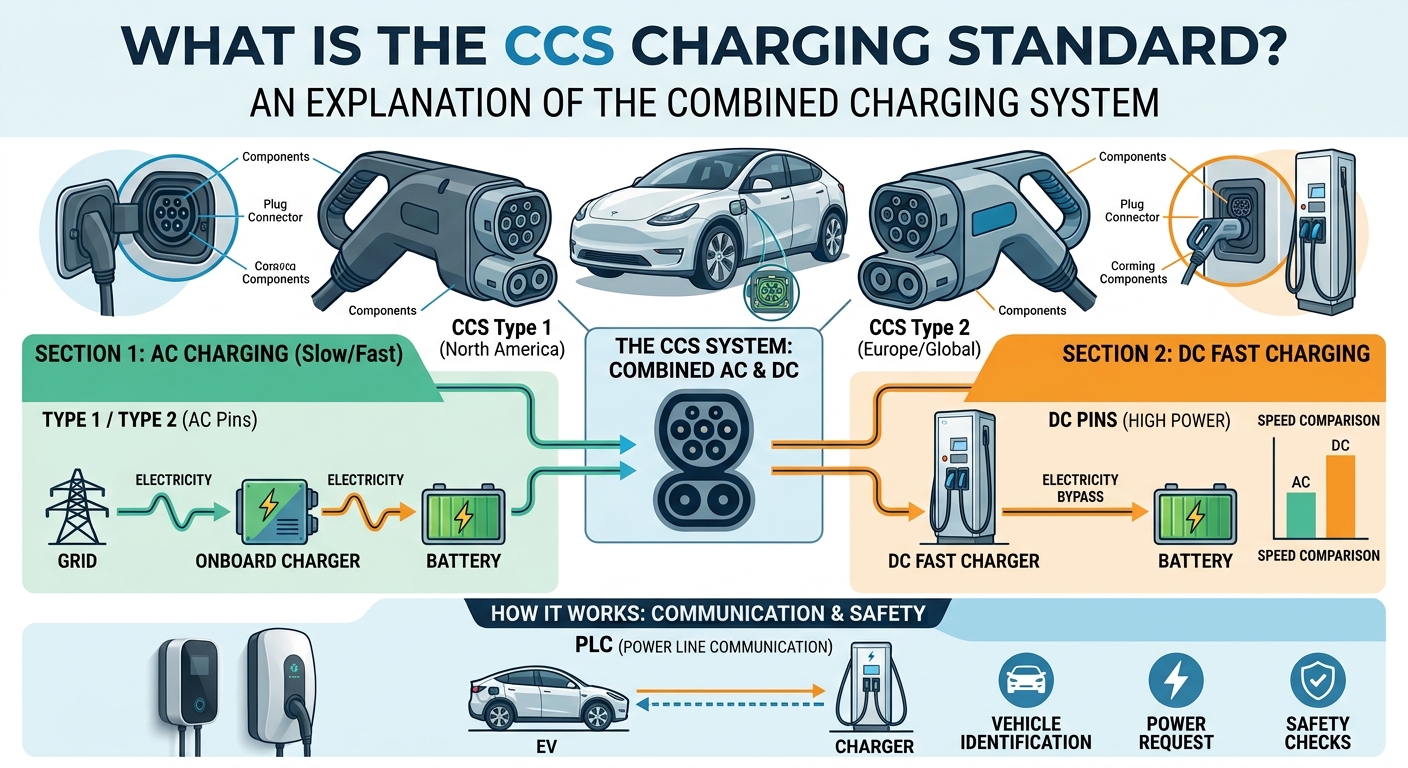
Level 3 (DC Fast Charging – 50 kW to 350 kW+): Found along major highways and travel corridors, these stations bypass your car’s onboard charger to pump direct current straight into the battery, taking a vehicle from 10% to 80% in roughly 15 to 30 minutes.
To explore how these different infrastructure tiers operate, take a look at our detailed breakdown of various charging types.
2. What Is a Good Home Charging Speed? (The Level 2 Sweet Spot)
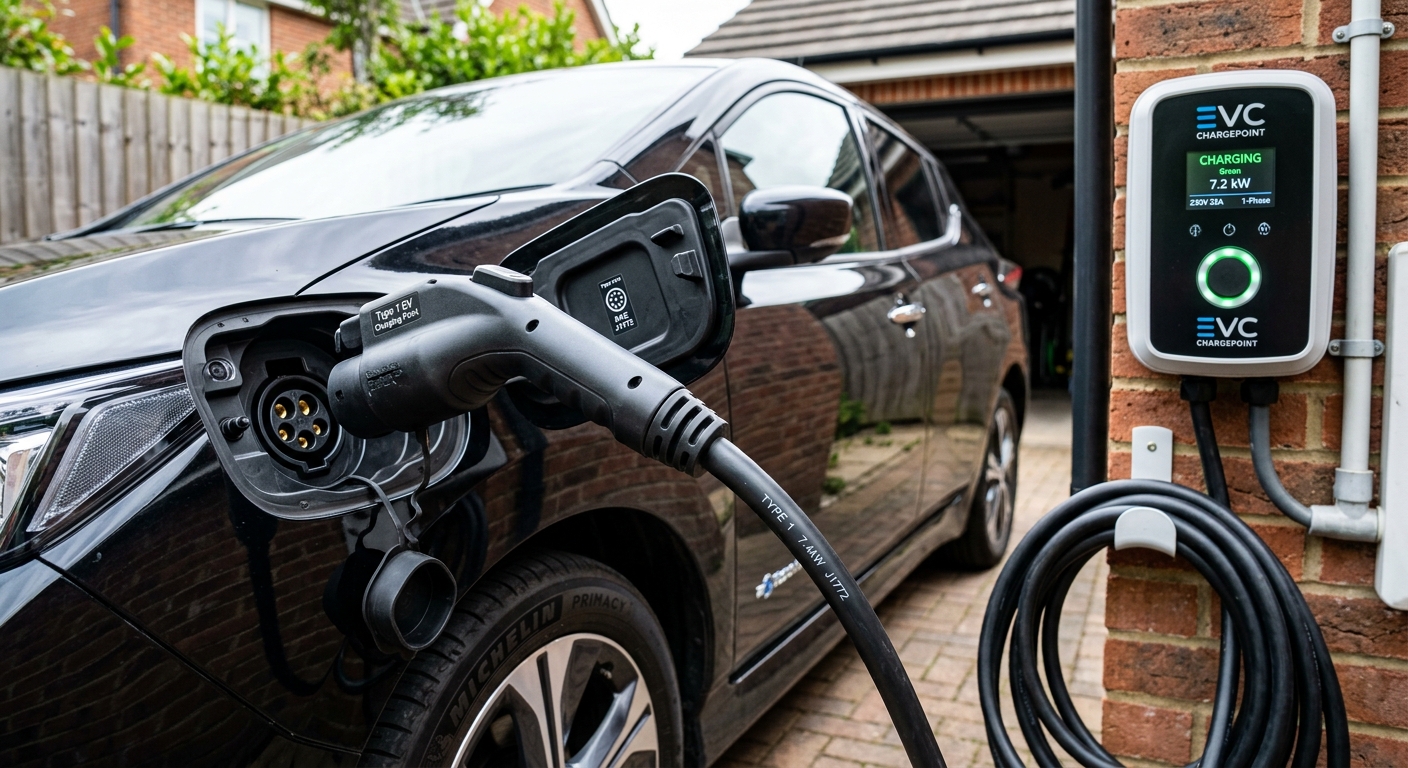
For everyday residential use, a good charging speed ranges between 7.4 kW and 11 kW. Here is why this range is considered optimal:
-
The Overnight Advantage: A 7.4 kW charger (approx. 32 amps) or an 11 kW charger (approx. 48 amps) can easily take an empty EV battery and fully recharge it during a standard 8-hour overnight window.
-
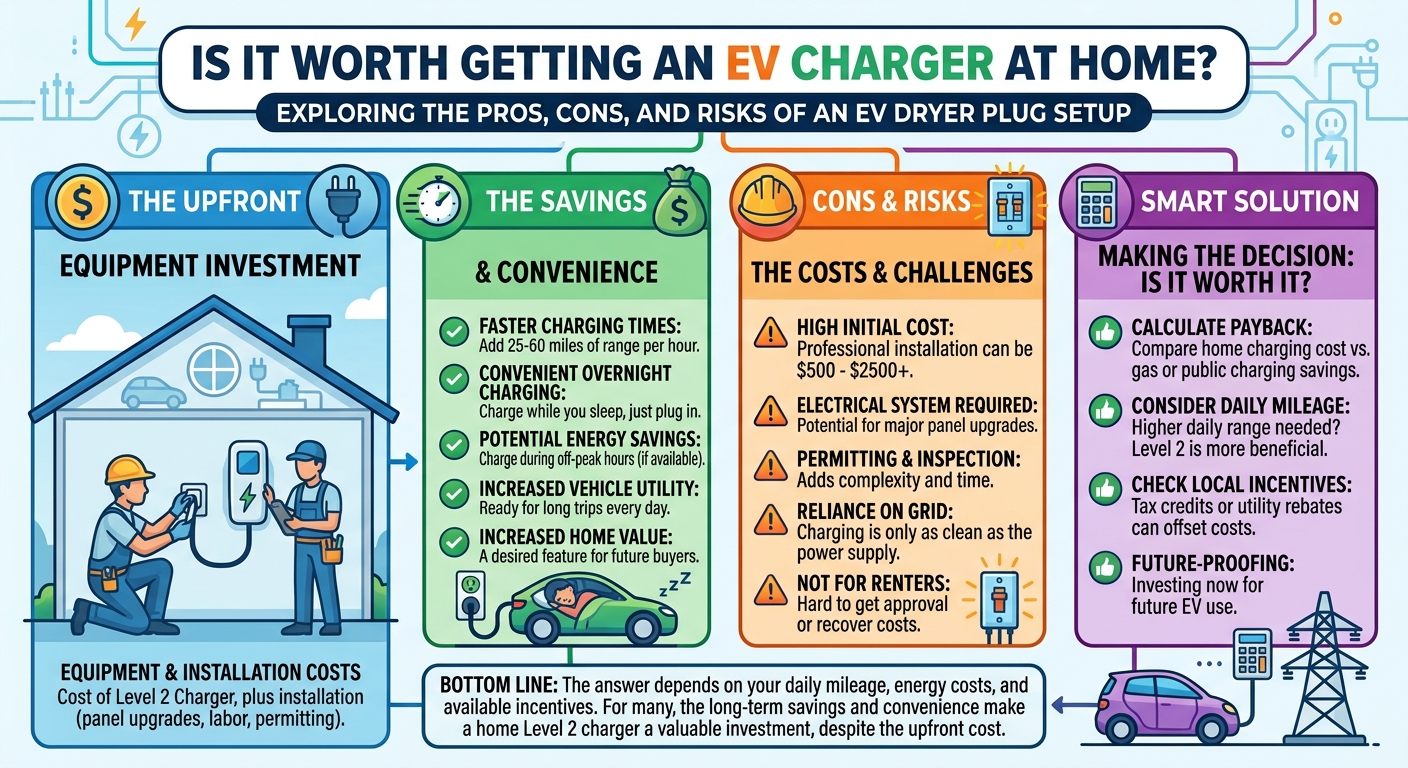
Electrical Infrastructure Balance: Pushing past 11 kW at home often requires heavy-duty 60-amp to 100-amp dedicated circuits, thicker copper wiring, and potential residential panel upgrades that can cost thousands of dollars. Sticking to the 7.4 kW–11 kW bracket keeps installation safe and cost-effective.
-
Grid and Cost Optimization: Modern home setups allow you to manage these power flows efficiently. By integrating smart scheduling features—such as those explored in our guide on smart home EV solutions—you can schedule your vehicle to draw power exclusively during low-cost, off-peak utility hours.
3. What Is a Good Public Fast Charging Speed? (Level 3 DC Fast Charging)
When you are on a road trip or away from home, time is money. A “good” DC fast charging speed is categorized by how quickly you can get back on the road:
-
150 kW Chargers: Highly reliable and capable of adding about 150 to 200 miles of range in roughly 20 to 30 minutes for most standard battery electric vehicles (BEVs).
-
350 kW Ultra-Fast Chargers: Necessary for heavy-duty electric trucks, luxury long-range sedans, and 800V architecture vehicles (like the Hyundai Ioniq 5, Porsche Taycan, or Lucid Air). These stations can replenish hundreds of miles of range in under 15–20 minutes, provided your vehicle can physically accept that level of peak power input.
4. Key Factors That Affect Your Real-World Charging Speed
Even if you plug into a high-powered 350 kW station or an 11 kW home unit, your vehicle may not always charge at maximum velocity. Several limiting bottlenecks dictate actual speeds:
-
The Onboard Charger (OBC) Limit: For AC charging (Level 1 and Level 2), your car has an internal converter that dictates maximum acceptance speed. If your car’s OBC maxes out at 7.4 kW, plugging into an 11 kW or 22 kW home wall box will not make it charge any faster.
-
Battery Thermal Management: To protect battery health and prevent degradation, modern EVs intentionally slow down charging speeds when the battery pack is extremely cold or overheated.
-
State of Charge (SoC): DC fast charging speeds are not linear. Vehicles charge at peak speeds when the battery is nearly empty (10% to 50%) and automatically taper down power input as the battery approaches 80% to 100% capacity.
If you want to evaluate your home infrastructure, budget, and daily driving needs, learn more about optimizing your setup at EV Charger Advisor.
Summary: What Speed Do You Actually Need?
-
For Home: Aim for a 7.4 kW to 11 kW Level 2 charger. It provides the ideal balance of fast overnight turnaround, hardware affordability, and electrical safety.
-
For Travel: Look for 150 kW to 350 kW DC fast chargers along highways to ensure rapid road-trip pit stops.





Leave a Reply