
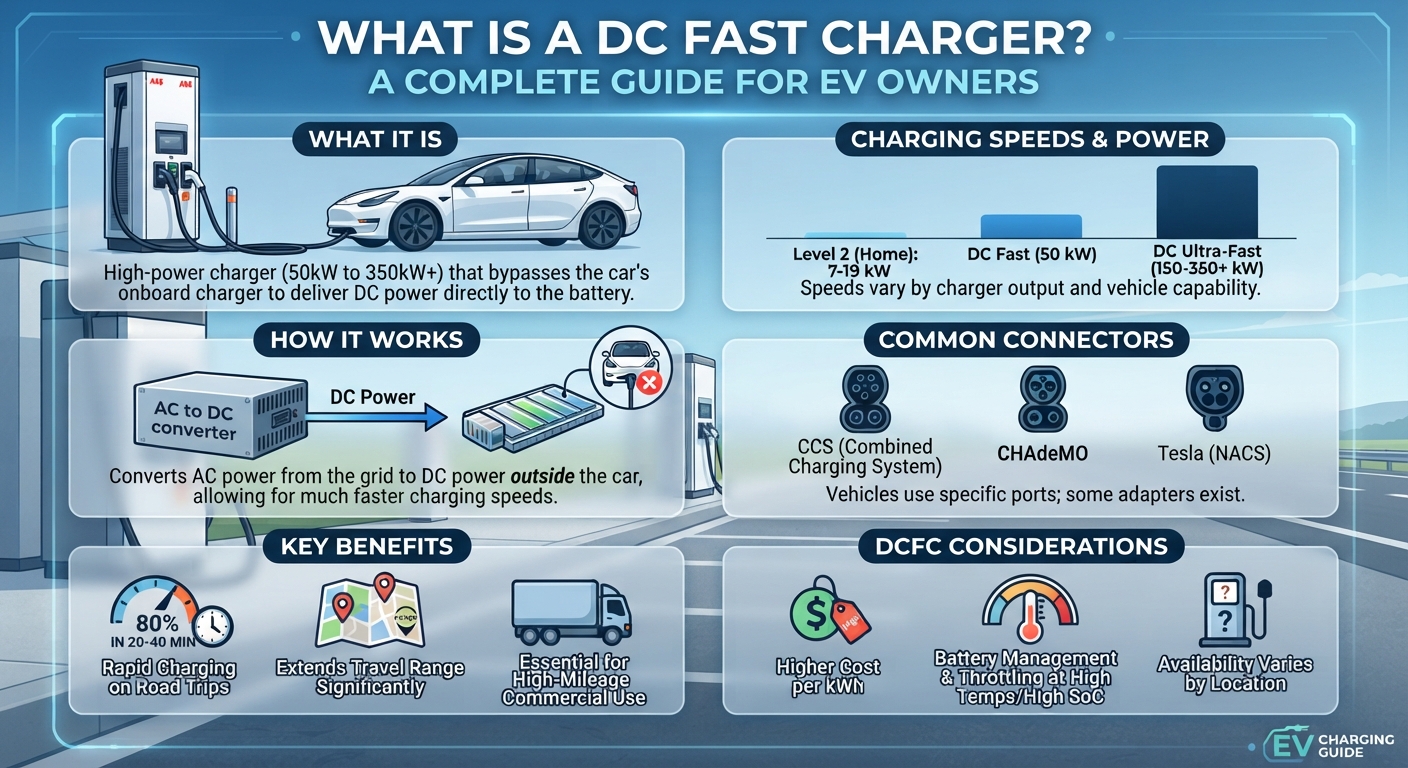
When planning long-distance road trips or seeking rapid public top-ups, understanding high-speed public infrastructure is essential for electric vehicle drivers. To give you a direct and comprehensive answer: A DC fast charger (often called Level 3 charging) is a high-power charging station that converts alternating current (AC) from the electrical grid into direct current (DC) inside the station unit, sending it straight to the electric vehicle’s (EV) battery.
Unlike home setups that rely on your car’s onboard inverter to slowly convert household power, DC fast chargers bypass these limitations entirely, delivering massive amounts of energy in minutes rather than hours.
Here is a complete, in-depth guide to how DC fast chargers work, their speed capabilities, and when you should use them.
1. How DC Fast Charging Works (AC vs. DC)
To understand why public fast chargers are so remarkably quick, it helps to look at the underlying electrical conversion process:
-
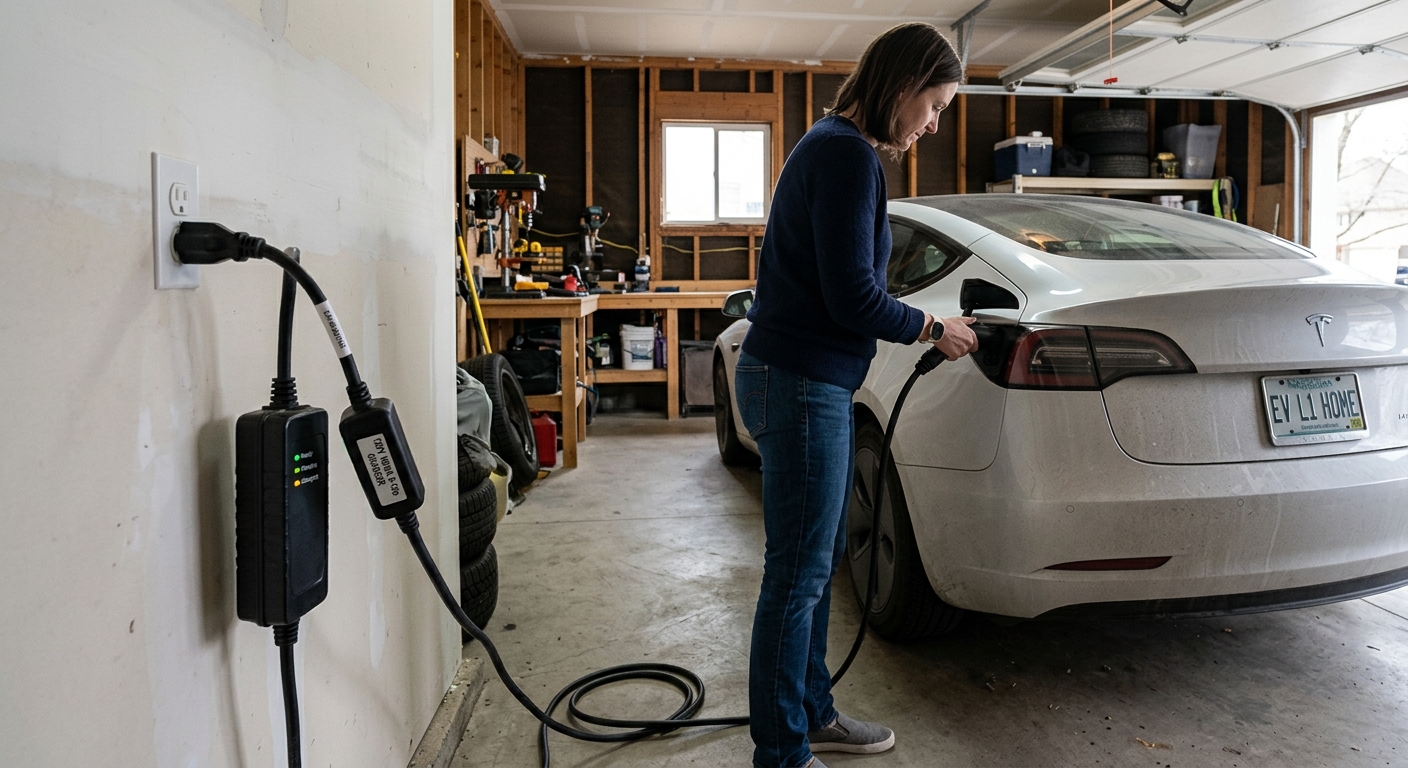
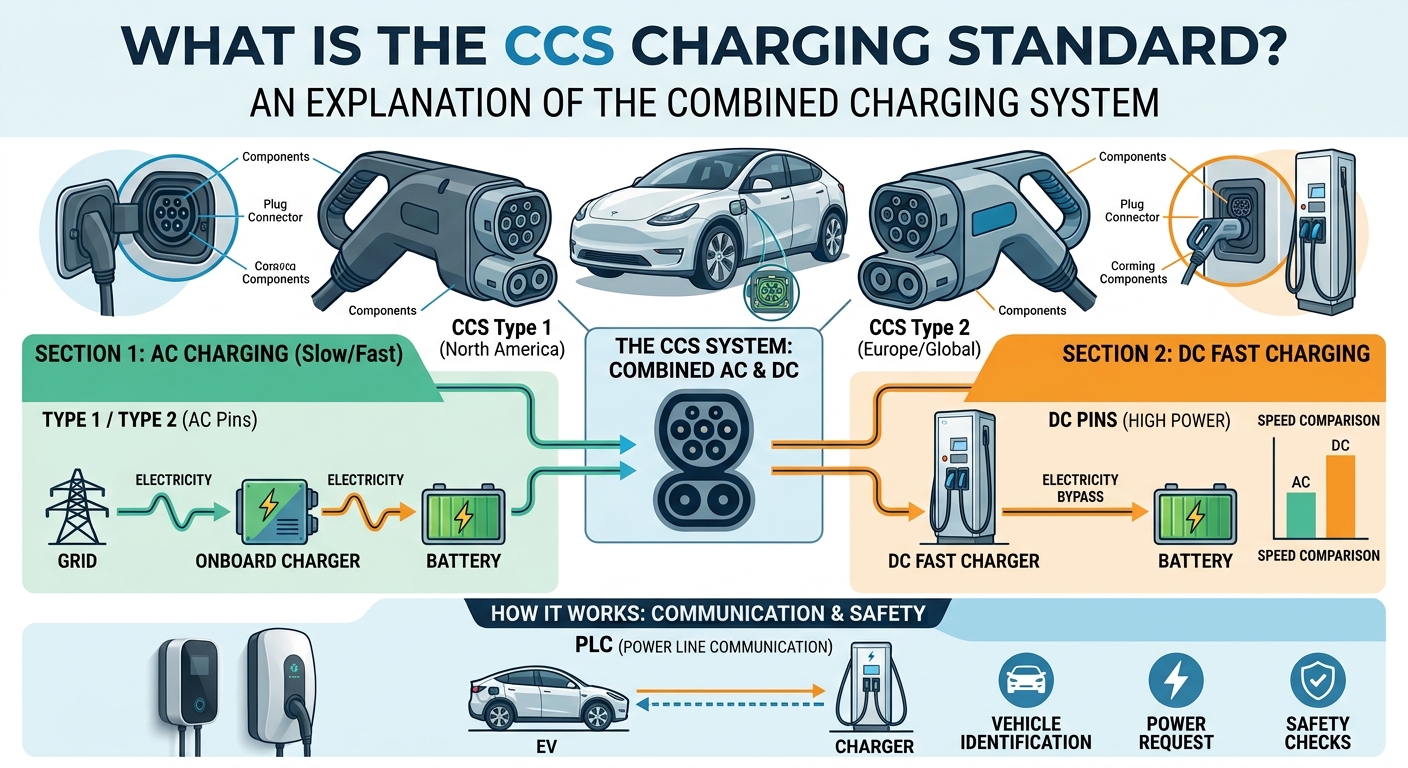
The Grid and Onboard Limits (Level 1 & Level 2): Power coming from utility grids is always Alternating Current (AC). However, EV batteries can only store energy as Direct Current (DC). Home and standard destination chargers send AC power into your car, forcing your vehicle’s internal onboard charger to slowly convert it into DC power. This conversion creates a natural bottleneck.
-
The Fast Charging Station Advantage: A DC fast charging station houses heavy-duty, high-capacity power conversion hardware inside the cabinet itself. It bypasses your car’s onboard charger completely, pumping high-voltage DC power directly into the battery pack.
To explore how these high-power options differ from standard residential setups, review our breakdown of various charging types.
2. Speeds and Performance: How Fast Is Level 3?
While Level 2 chargers add about 20 to 40 miles of range per hour, DC fast chargers operate on an entirely different scale:
-
Ultra-Fast Energy Delivery: Most modern DC fast chargers range from 50 kW to 350 kW (and sometimes higher). They can typically replenish an EV battery from 10% to 80% in roughly 20 to 40 minutes.
-
Road Trip Utility: This speed makes cross-country travel feasible, allowing drivers to plug in, grab a coffee, and resume driving with substantial range restored in the time it takes to rest.
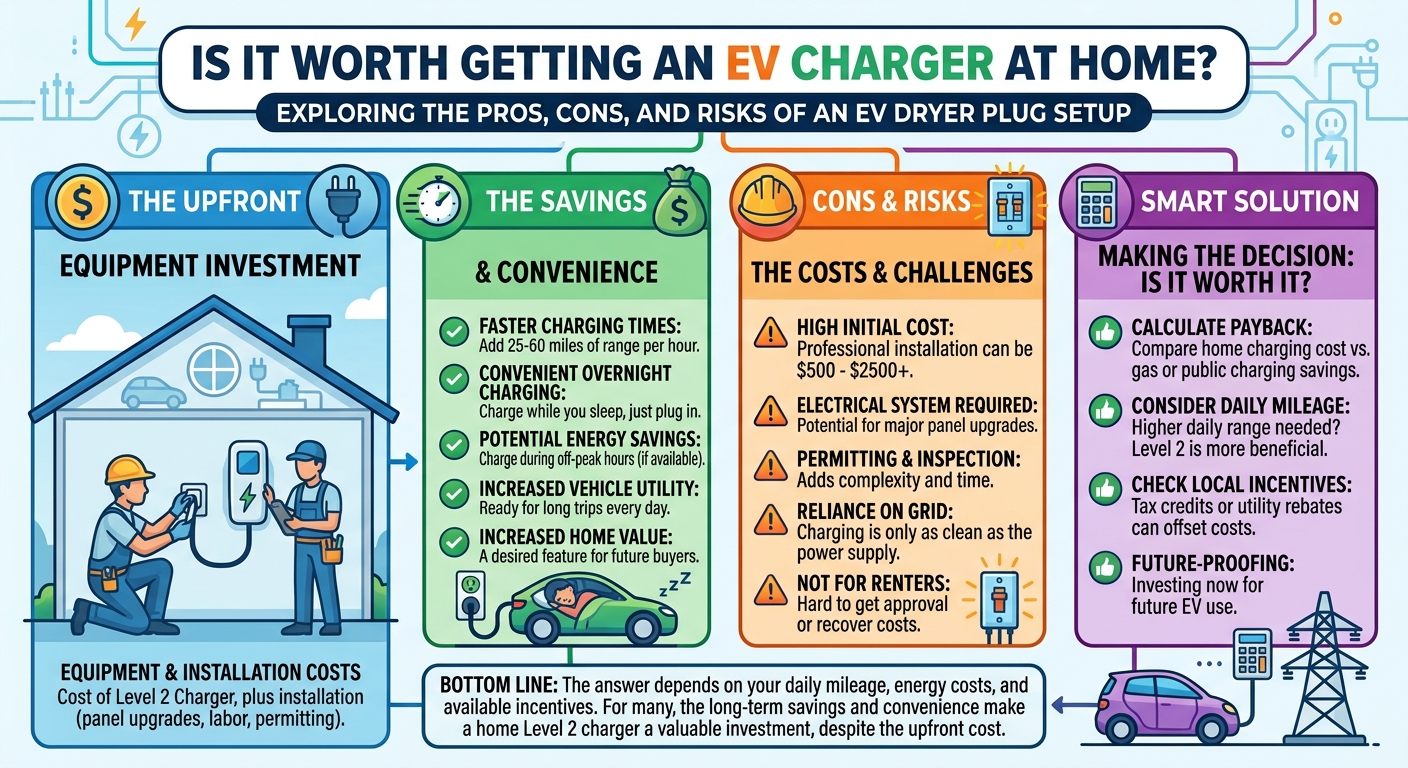
For insights into optimizing your overall home versus public charging strategy, check out our resources at EV Charger Advisor.
3. Key Factors and Limitations of DC Fast Charging
Despite their incredible speed, DC fast chargers are not meant for everyday, exclusive home-style replenishment due to several operational factors:
-
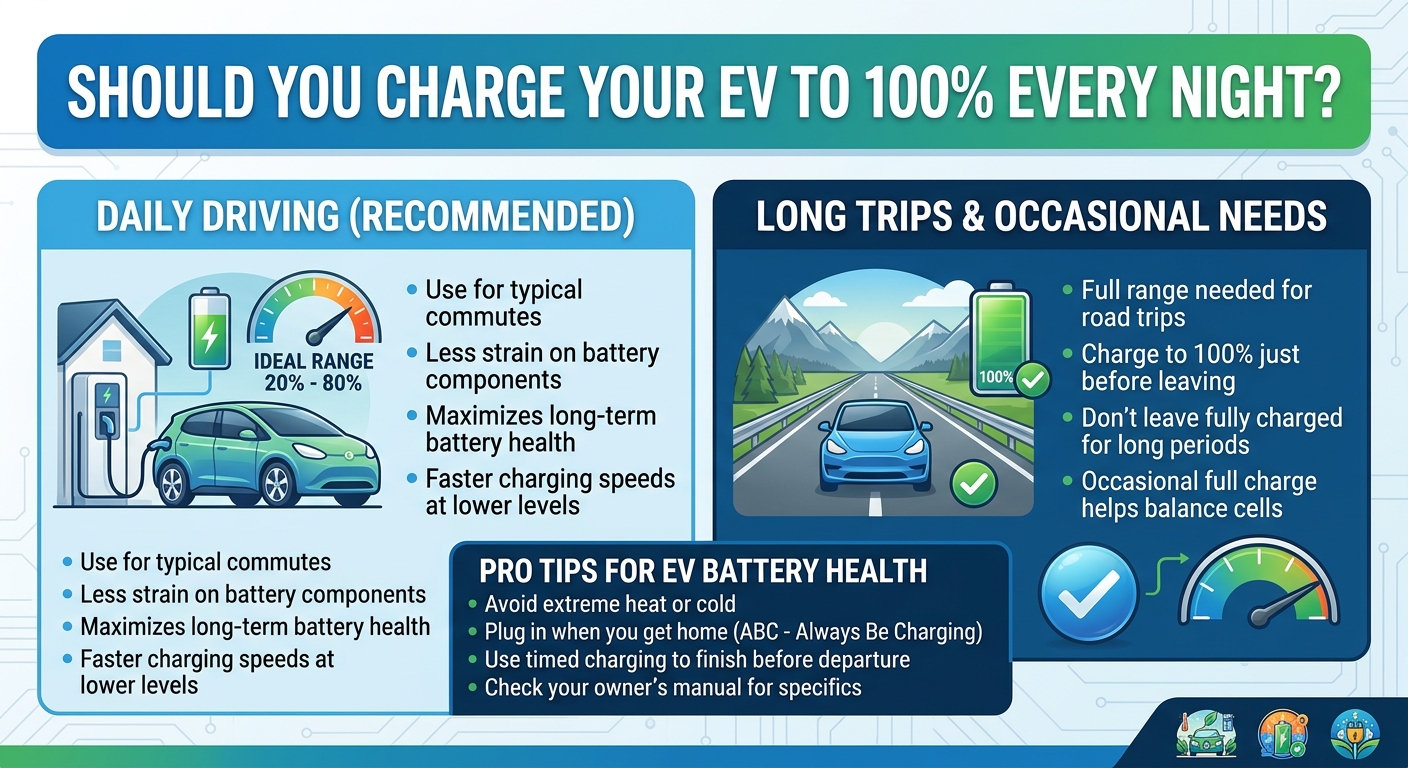
Battery Health and Thermal Throttling: Pumping massive amounts of energy into a battery pack generates significant heat. To protect battery longevity, your car’s Battery Management System (BMS) will often throttle or slow down charging speeds once the battery reaches 80% capacity.
-
Higher Cost: Because of the expensive commercial infrastructure, heavy-duty grid connection fees, and high demand charges, electricity from DC fast-charging networks is significantly more expensive per kilowatt-hour (kWh) than residential utility rates.
-
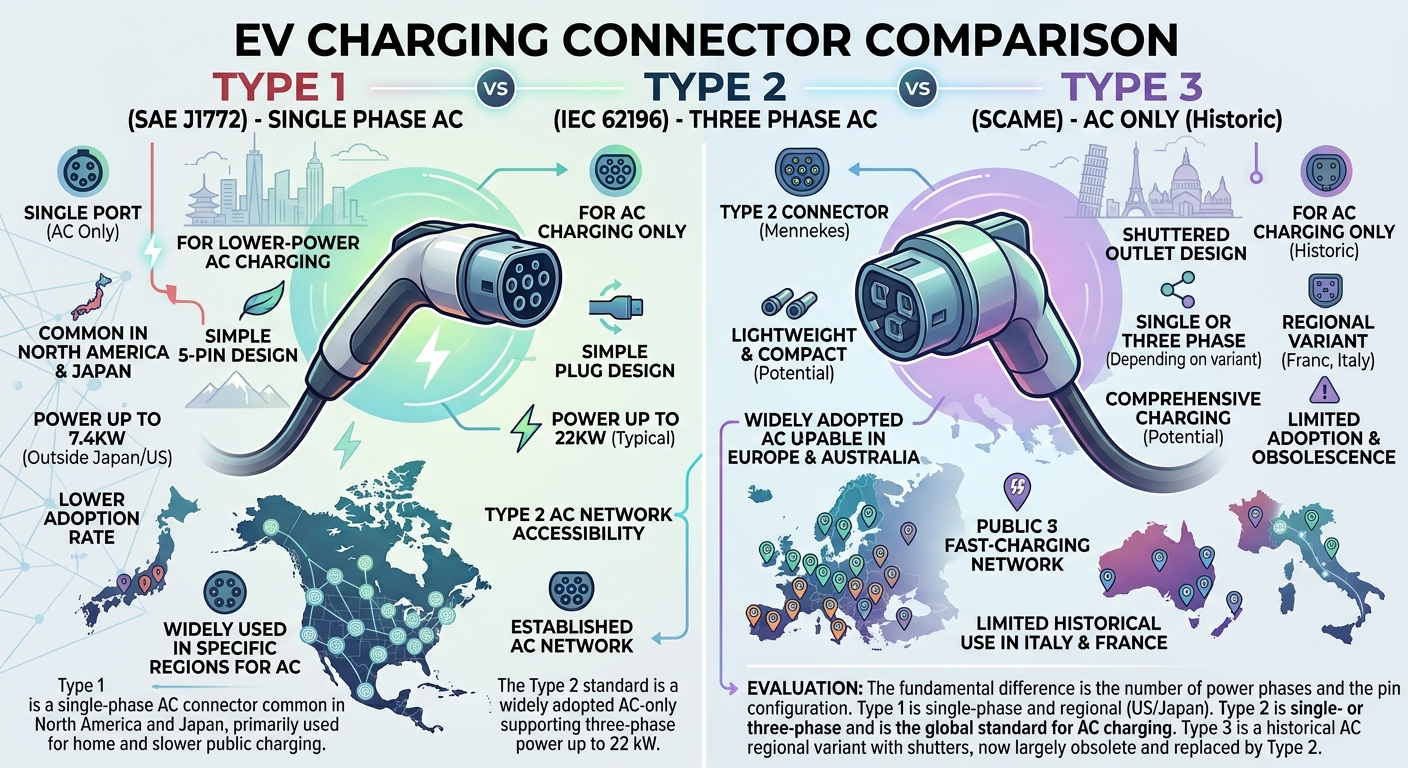
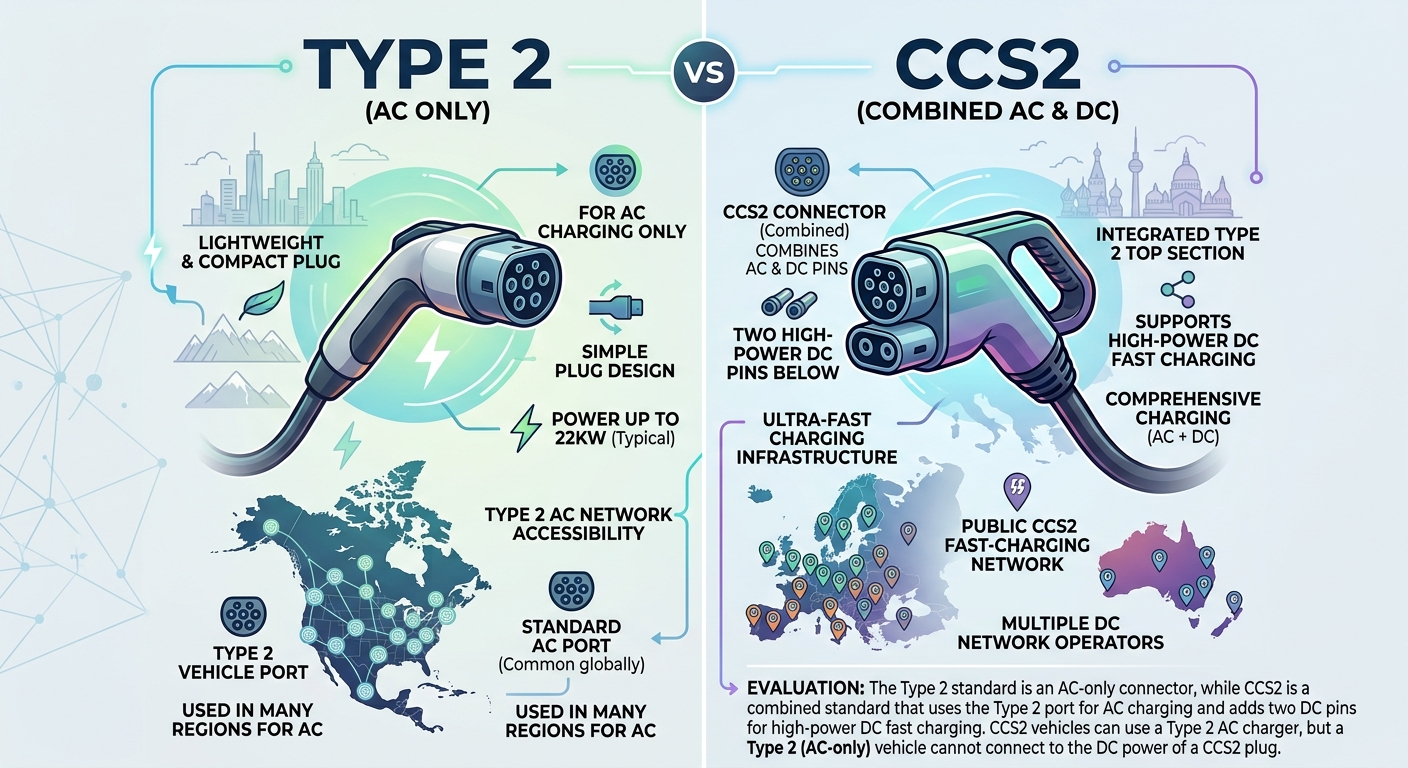
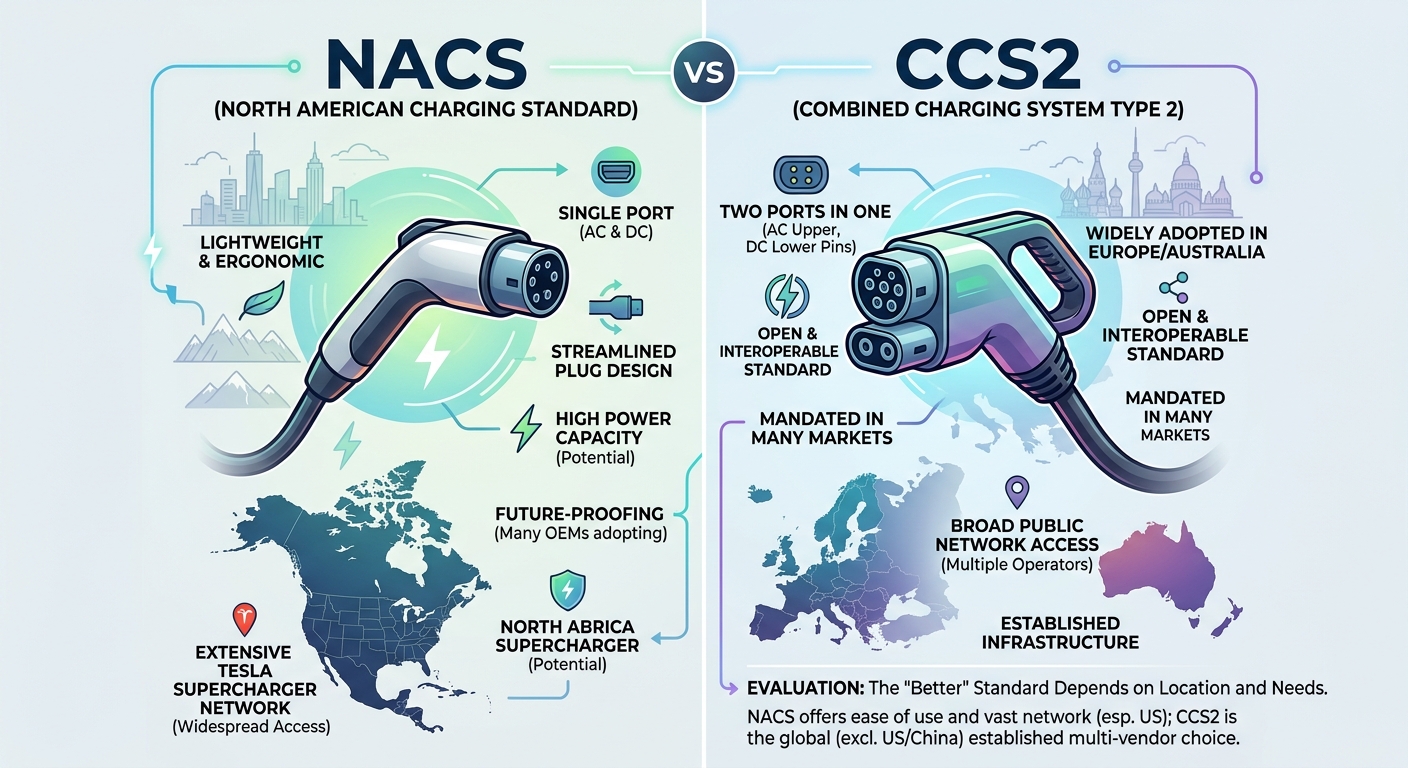
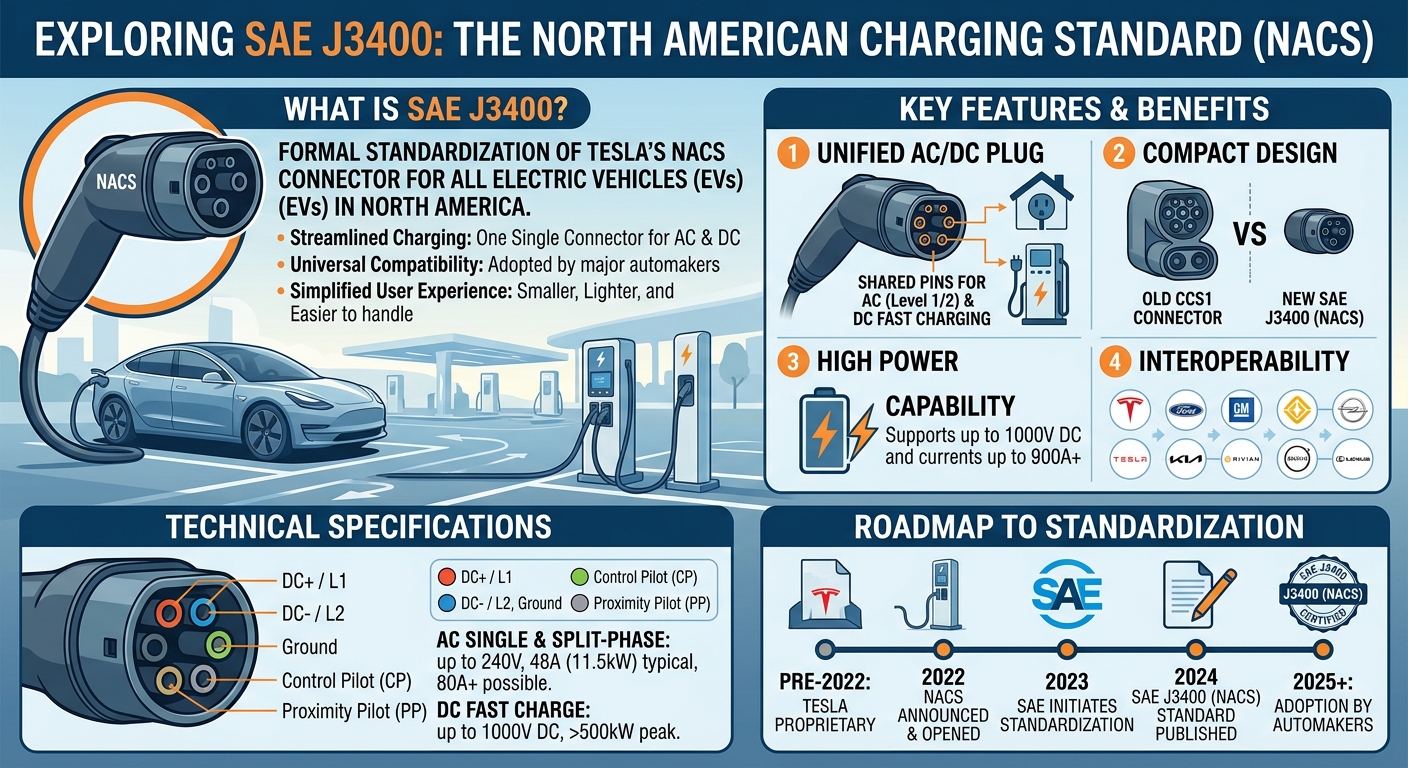
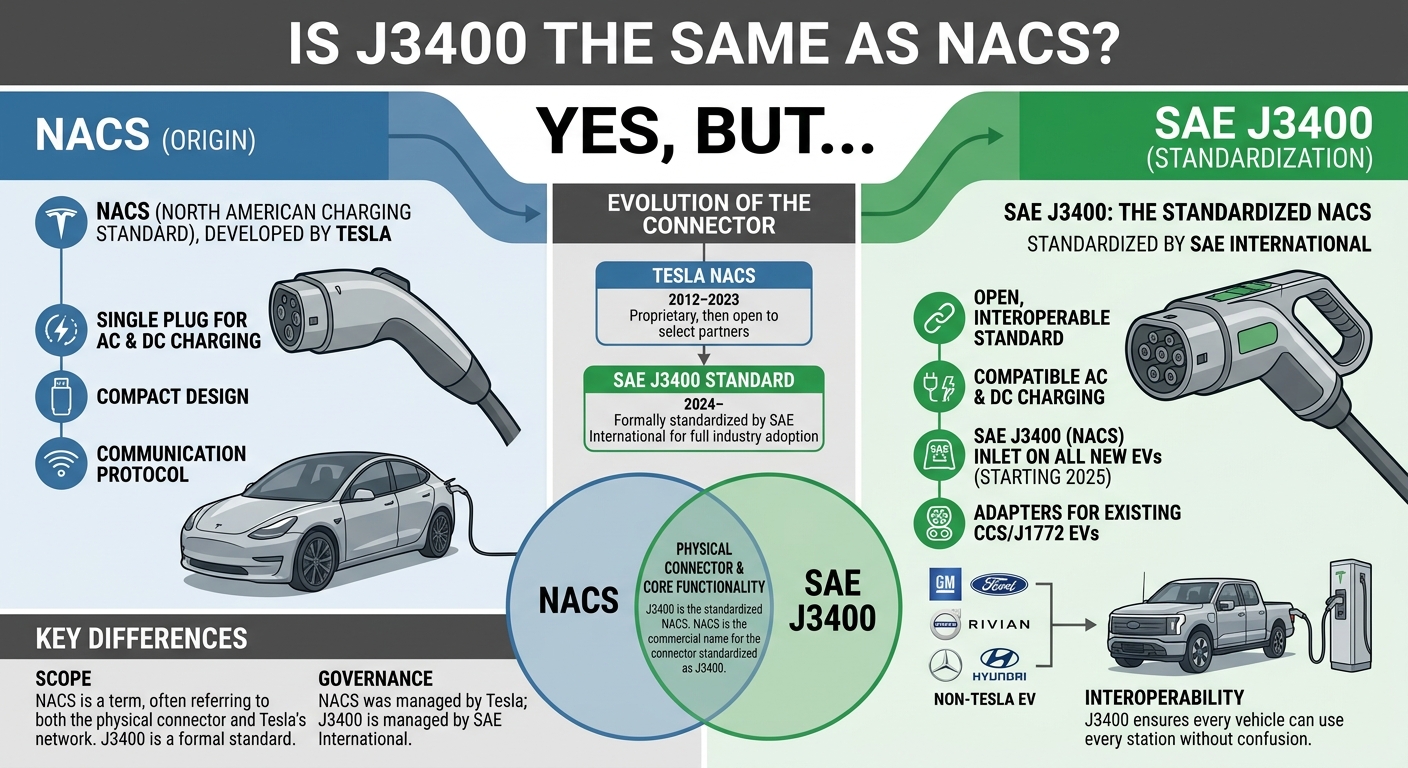
Connector Compatibility: Depending on your vehicle model, you will encounter different plug standards—such as CCS (Combined Charging System), CHAdeMO, and Tesla’s NACS standard. Modern networks are rapidly standardizing to ensure broader accessibility.
To learn more about modern grid technology and smart home integrations that reduce your reliance on expensive public stations, read our guide on smart home EV solutions.
Summary: When Should You Use a DC Fast Charger?
-
Use DC Fast Chargers primarily during long road trips, emergencies, or when you lack home charging access and need a rapid public top-up.
-
Rely on your standard home setup for daily commuting to preserve long-term battery health and minimize fueling costs.





Leave a Reply