
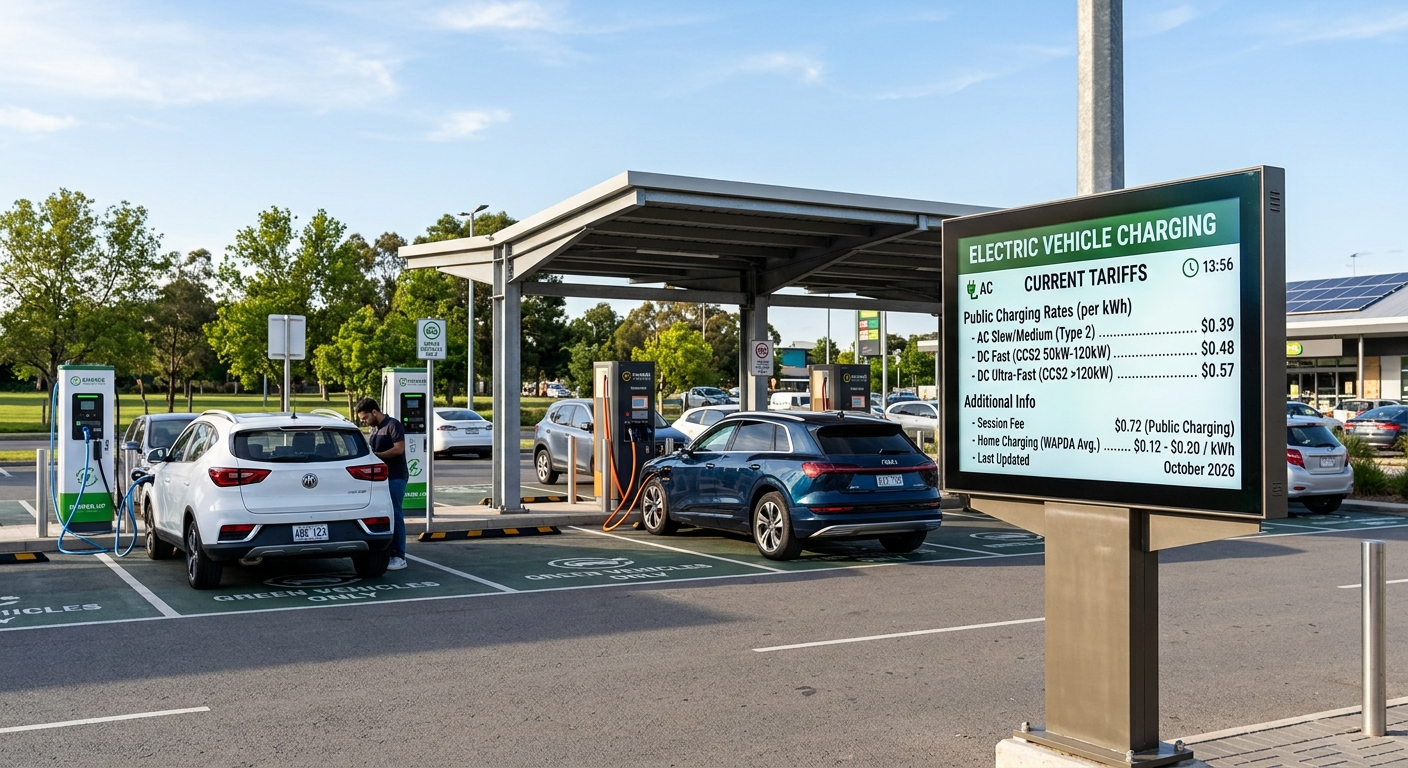
Transitioning from an internal combustion engine (ICE) vehicle to an electric vehicle (EV) represents one of the most significant shifts in personal transportation economics. For decades, drivers of gasoline and diesel vehicles have been accustomed to a relatively uniform pricing model at local fuel stations, where costs fluctuate primarily based on global crude oil markets, regional taxes, and seasonal refinery shifts. However, the refueling ecosystem for electric vehicles operates on an entirely different financial paradigm.
When you purchase an electric vehicle, you are no longer tied to a single monopolized fuel source. Instead, your fueling costs are dictated by a dynamic matrix of variables: where you plug in, the time of day you draw electricity, the speed of the charging hardware, your local utility provider’s tariff structures, and whether you are utilizing a private residential setup or a commercial public network.
To answer the core question directly: Electric vehicle (EV) charging prices in the USA and UK vary dramatically depending on whether you utilize residential home charging or public fast-charging networks. While home charging remains remarkably economical—frequently costing a small fraction of traditional fossil fuels—relying exclusively on commercial public fast-charging corridors introduces premium pricing structures that alter the overall cost-ownership equation.
In this exhaustive, 2000-word guide, we will break down the precise mechanics of current EV charging prices across the United States and the United Kingdom, exploring residential utility tariffs, time-of-use pricing, public destination charging, ultra-fast DC highway costs, and actionable strategies to minimize your lifetime driving expenses.
1. Residential Home EV Charging: The Gold Standard for Economy
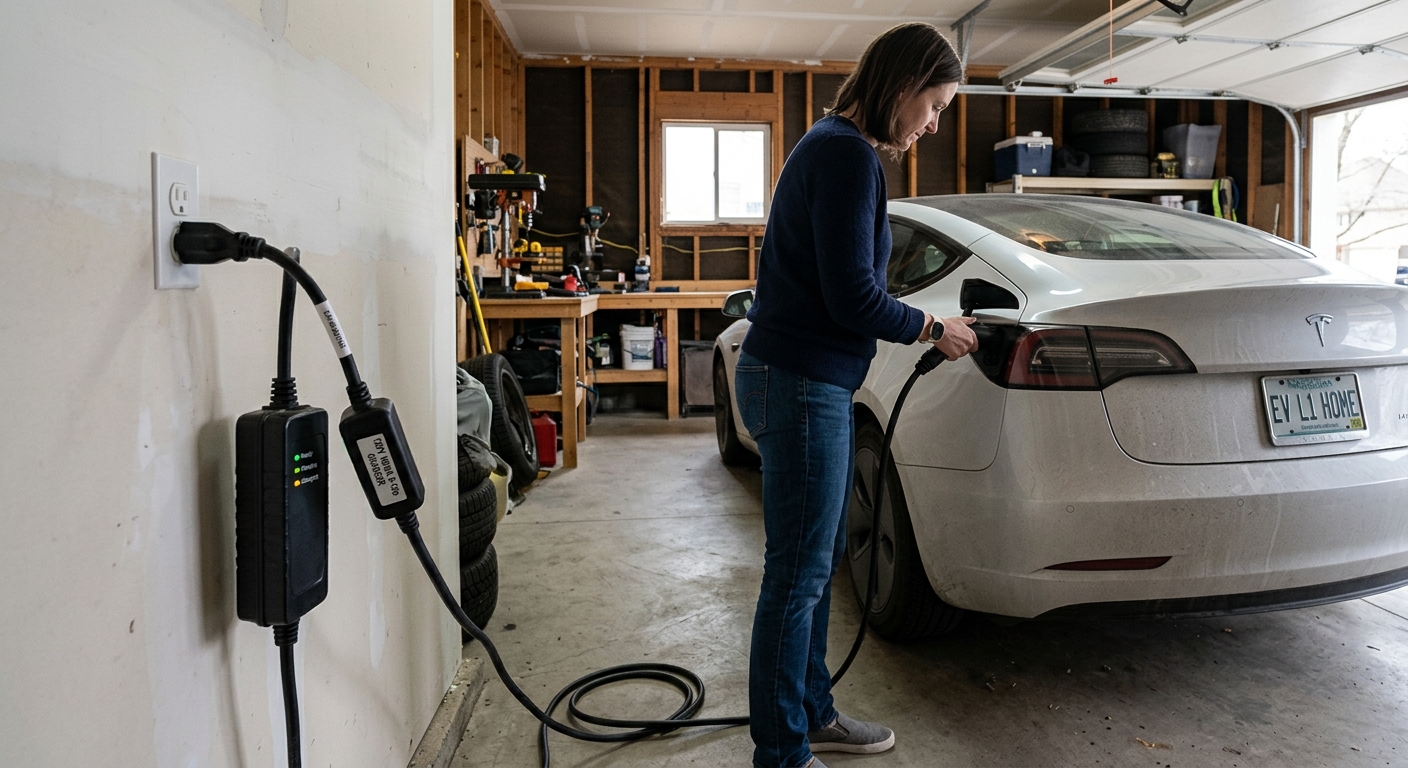
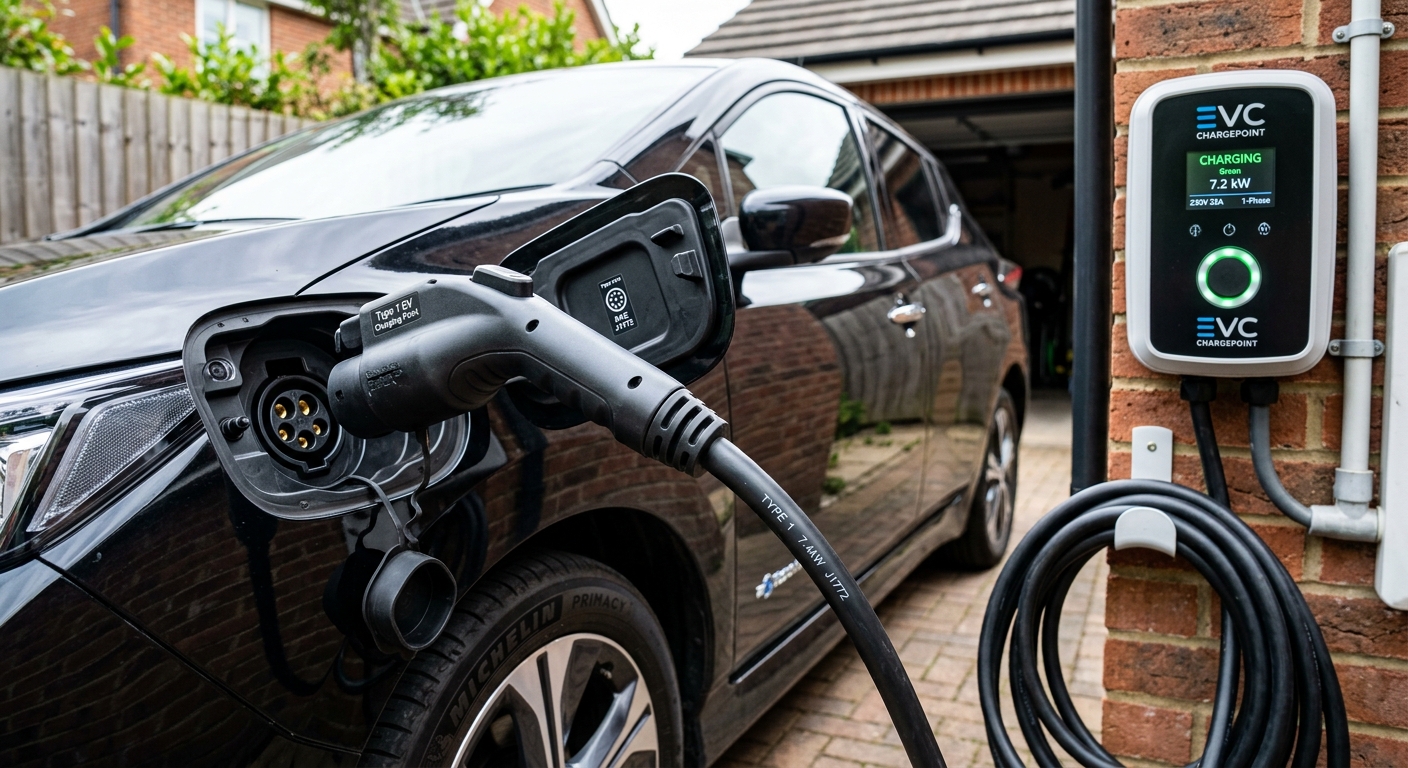
For the vast majority of electric vehicle owners, home charging is the cornerstone of everyday ownership. Residential electricity is inherently cheaper because it is taxed at lower domestic rates, does not carry commercial demand charges, and avoids the steep real estate and maintenance overheads associated with public retail networks.
United States Residential Electricity Landscape
Across the United States, residential electricity prices average roughly $0.18 per kWh as of late 2026. However, this national average masks immense regional disparities:
-
Low-Cost Regions: States with abundant hydroelectric or nuclear power, such as Washington, Oregon, and Louisiana, feature residential rates as low as $0.10 to $0.13 per kWh. In these areas, filling an EV battery is remarkably inexpensive.
-
High-Cost Regions: Conversely, states with complex regulatory environments, high infrastructure maintenance costs, or heavy reliance on imported natural gas—such as California (averaging $0.28 to $0.40+ per kWh) and Hawaii (surpassing $0.45 per kWh)—see significantly higher home charging bills.
Real-World Cost Calculation Example (USA):
Consider a standard mid-size electric SUV equipped with a usable battery capacity of 75 kWh. If you plug your vehicle in when the state of charge drops to 20% and refill it completely to 100% (an 80% energy window, translating to 60 kWh added):
-
Factoring in an average home charging efficiency loss of 90% (meaning $60 \div 0.90 = 66.6 \text{ kWh}$ drawn from the wall meter):
-
At a national average rate of $0.18 per kWh, the total cost for this session is:
$$66.6 \text{ kWh} \times \$0.18 = \$11.99$$ -
This translates to roughly $0.04 to $0.05 per mile, delivering massive savings compared to a gasoline vehicle averaging 25 MPG at $3.50 per gallon ($0.14 per mile).
United Kingdom Domestic Tariffs and Smart Pricing
In the United Kingdom, standard variable domestic electricity rates sit around 24p to 26p per kWh under the energy price cap. However, the UK market features a revolutionary advantage for EV owners: specialist EV smart tariffs.
-
Energy suppliers such as Octopus Energy (with tariffs like Octopus Intelligent or Go) offer specialized overnight windows (typically between 11:30 PM and 5:30 AM) where domestic electricity drops to an astonishing 7p to 8p per kWh.
-
Real-World Cost Calculation Example (UK): Recharging that same 75 kWh battery pack during an off-peak 7.5p per kWh window costs just over £5.00 for a full charge, delivering per-mile operational costs that make internal combustion engines economically obsolete.
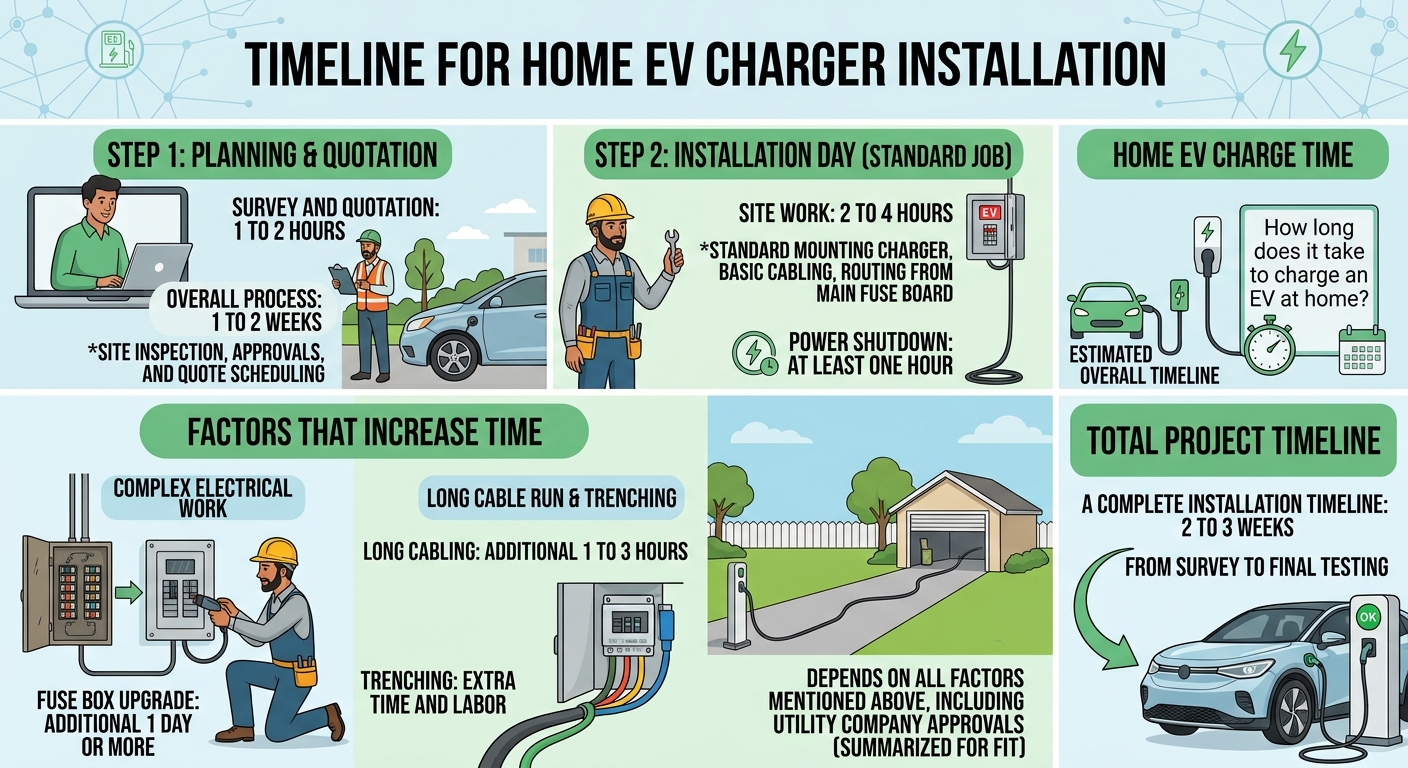
To explore how home charging hardware and installation logistics integrate with your household electrical panel, read more about our technical guides on charging types.
2. Public Level 2 Destination Charging: Urban and Commercial Top-Ups
When electric vehicle drivers venture away from their residential garages, public Level 2 destination chargers—installed at retail shopping centers, hotels, office parking complexes, municipal lots, and restaurants—provide a practical bridge between slow overnight charging and rapid highway stops.
How Public Level 2 Pricing Operates
Public AC destination charging typically delivers between 7 kW and 22 kW of power, requiring anywhere from 3 to 8 hours for a complete top-up. Pricing models vary significantly depending on the network operator (such as ChargePoint, Blink, or municipal networks):
-
Per-kWh Billing: Many stations bill directly for the exact electrical energy consumed, averaging between $0.20 and $0.35 per kWh in the United States, and 50p to 60p per kWh in the United Kingdom.
-
Hourly or Minute-Based Rates: Some properties charge by the hour (e.g., $2.00 per hour) or combine a nominal hourly fee with parking enforcement rates to prevent vehicles from occupying stalls indefinitely after charging concludes.
-
Complimentary Charging: A growing number of forward-thinking commercial properties and hotels offer free Level 2 charging as a customer amenity to attract patrons, though these spots often require active parking validation or mobile app membership.
While public destination charging is convenient for topping up while working or running errands, it rarely matches the rock-bottom efficiency and low cost of a dedicated residential off-peak tariff.
3. Public DC Fast Charging (DCFC): Highway Corridors and Premium Rates
When embarking on long-distance road trips, time efficiency becomes the primary metric. Public DC fast chargers (frequently categorized as Level 3 or ultra-fast stations ranging from 50 kW to 350 kW+) bypass the vehicle’s onboard inverter to pump high-voltage energy directly into the battery pack, achieving a 10% to 80% charge in 20 to 40 minutes.
However, this incredible speed comes with a substantial financial premium. Deploying, maintaining, and powering heavy-duty commercial liquid-cooled infrastructure requires massive capital expenditures, high-voltage utility grid connections, and steep commercial demand charges.
United States Public Fast-Charging Economics
-
Standard Pay-As-You-Go Rates: Across major U.S. charging networks—including Electrify America, EVgo, and Tesla Superchargers (when opened to non-Tesla brands)—ad-hoc public fast charging typically ranges from $0.40 to $0.65 per kWh.
-
Peak vs. Off-Peak Pricing: Many networks implement dynamic pricing, charging higher rates during late afternoon and early evening hours when regional grid demand peaks, while offering discounted rates during overnight or early morning hours.
-
Membership Tiers: Most networks offer monthly subscription models (typically $4 to $15 per month) that shave $0.10 to $0.15 off the per-kWh rate, which quickly pays for itself for frequent road-trippers.
-
Total Cost Example (USA): Fast-charging that same 75 kWh battery from 10% to 80% (adding ~52 kWh) at an average public rate of $0.50 per kWh totals roughly $26.00 to $30.00. While still competitive with highway gasoline prices in some regions, it is more than double the cost of home charging.
United Kingdom Rapid and Ultra-Rapid Pricing
According to comprehensive industry data from Zapmap, public rapid (50 kW) and ultra-rapid (150 kW to 350 kW+) charging prices across the UK have experienced significant fluctuations due to wholesale energy markets:
-
Ad-Hoc Pay-As-You-Go Rates: Average public rapid charging prices sit around 76p to 80p per kWh, with some ultra-rapid premier hubs reaching up to 85p to 89p per kWh.
-
Subscription and App Aggregators: Services like Zap-Pay, Electroverse, and manufacturer-specific charging cards often provide discounted rates or unified billing across multiple network operators.
-
Total Cost Example (UK): Adding 52 kWh at an average UK public rapid rate of 78p per kWh costs approximately £40.50, which approaches the per-mile cost of an efficient hybrid vehicle running on petrol.
To explore how advanced energy distribution, load balancing, and smart household management interact with these electrical demands, check out our guide on smart home EV solutions.
4. Summary Matrix: Comparing Charging Environments
To put current EV charging prices into clear perspective, the following matrix compares the average costs across all primary charging environments in the USA and the UK:
| Charging Environment | Typical Speed | USA Average Cost (per kWh) | UK Average Cost (per kWh) | Estimated Cost (75 kWh Full Fill) |
| Home (Standard) | 3 kW – 11 kW | $0.16 – $0.20 | 24p – 26p | $12.00 – $15.00 / £18 – £20 |
| Home (Smart Off-Peak) | 7 kW – 19 kW | $0.08 – $0.12 | 7p – 10p | $6.00 – $9.00 / £5 – £8 |
| Public Destination (L2) | 7 kW – 22 kW | $0.20 – $0.35 | 50p – 60p | $15.00 – $26.00 / £35 – £45 |
| Public Fast (DCFC) | 50 kW – 350 kW | $0.40 – $0.65 | 76p – 89p | $30.00 – $48.00 / £55 – £65 |
5. Actionable Strategies to Minimize Your EV Charging Expenses
Navigating current EV charging prices successfully requires a proactive approach to energy management. By implementing the following strategies, electric vehicle owners can maximize their financial savings:
-
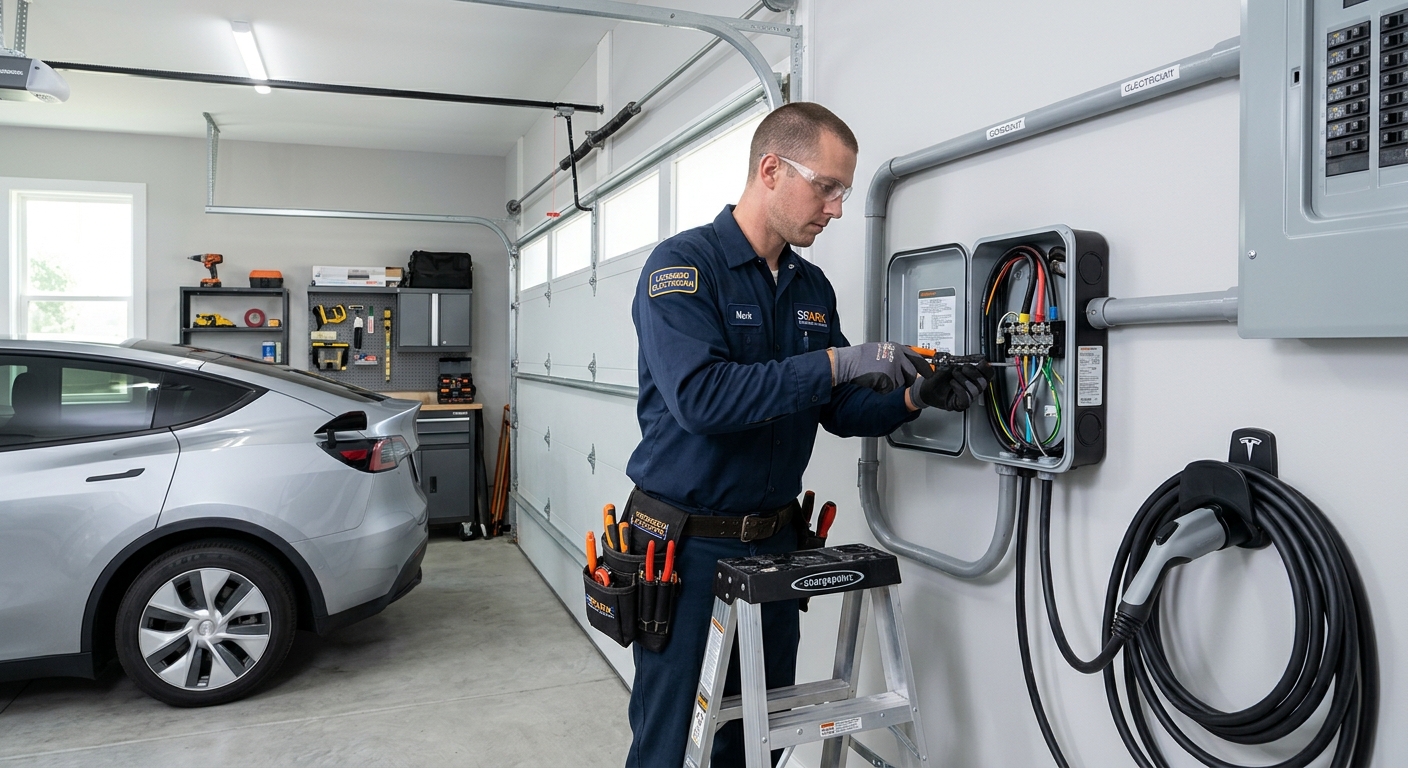
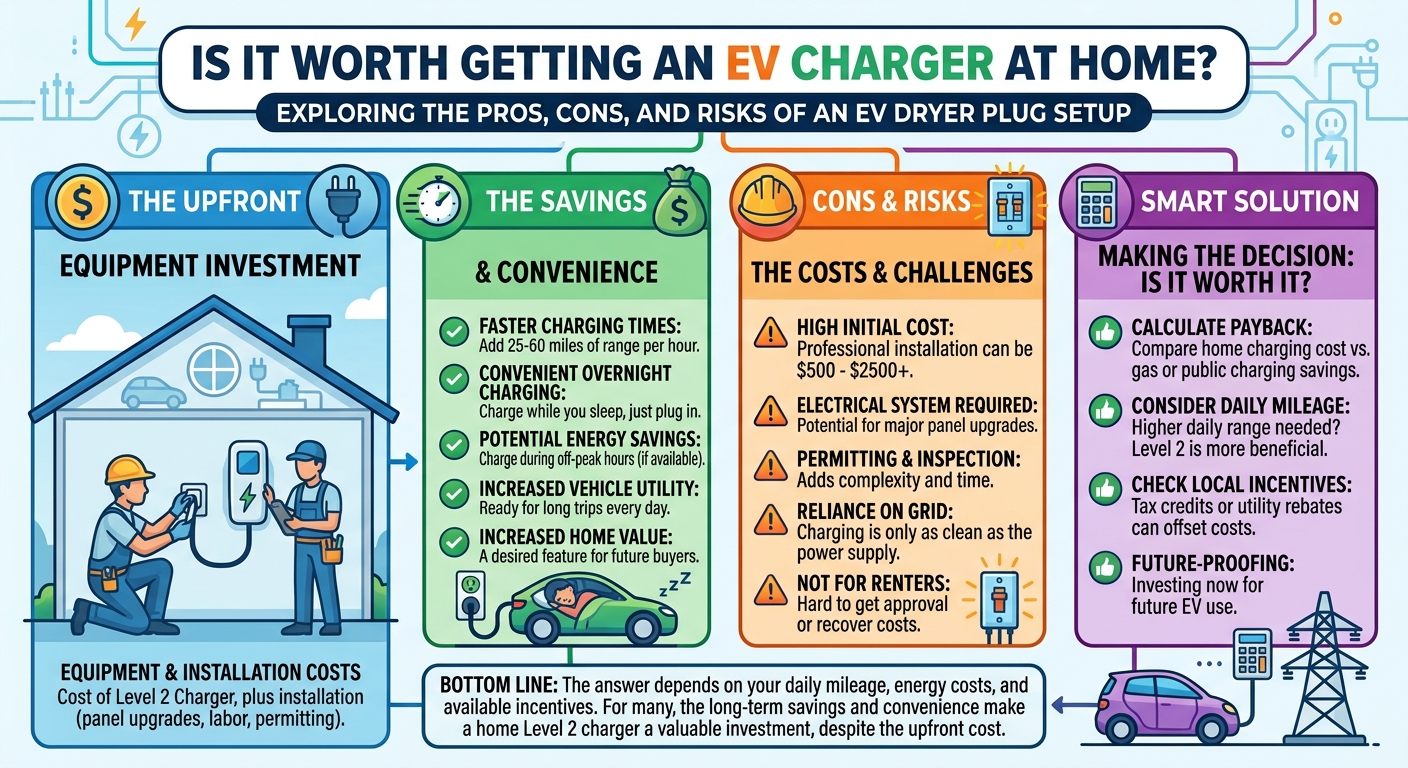
Install a Dedicated Level 2 Home Charger: Avoid relying on standard 120V trickle chargers. Installing a hardwired Level 2 home unit ensures you capture maximum charging efficiency and take full advantage of overnight hours.
-
Switch to a Time-of-Use (TOU) or EV Utility Tariff: Contact your electricity provider to enroll in specialized EV rates that offer ultra-low pricing during off-peak hours (midnight to 6 AM).
-
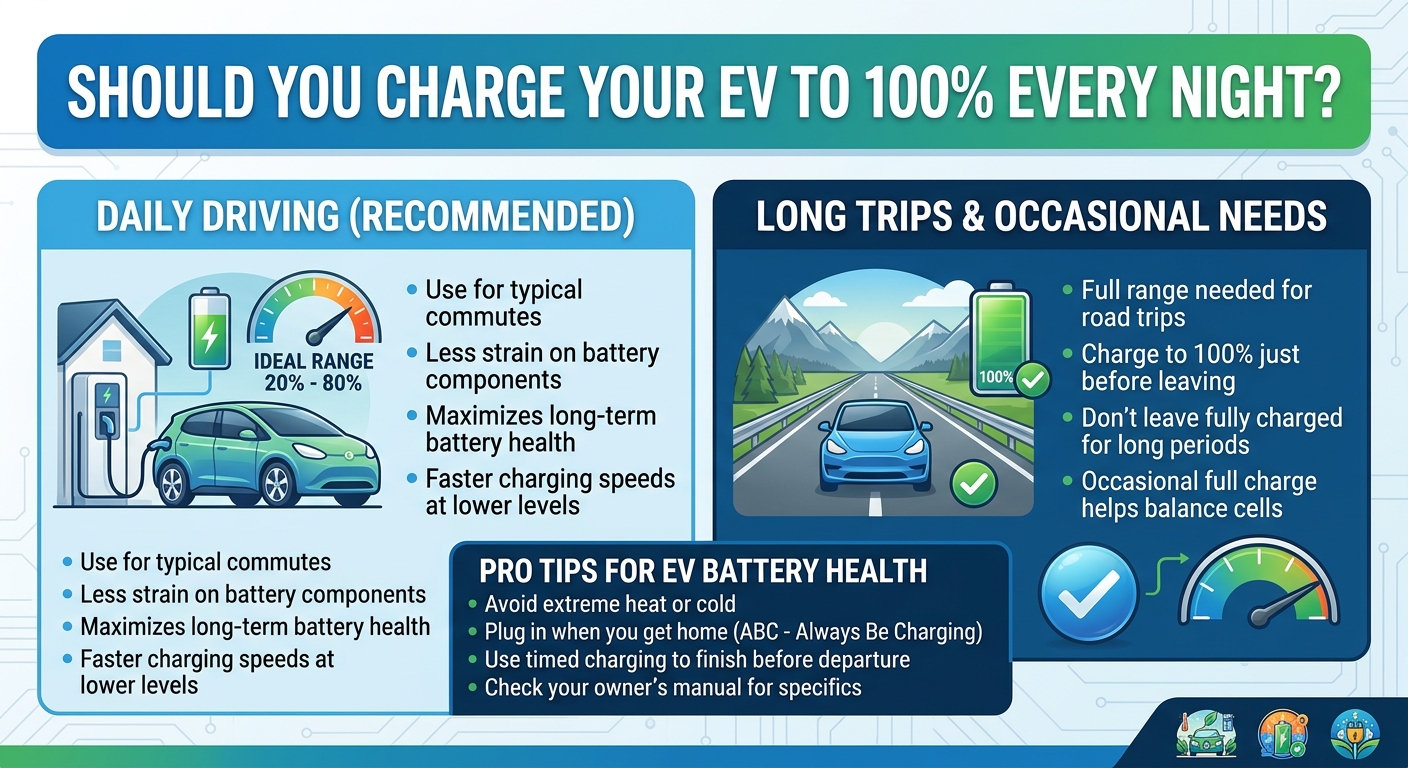
Leverage Smart Charging Apps: Utilize vehicle software or home energy management apps to program your EV to charge exclusively during the cheapest hours of the night.
-
Reserve Fast Charging for Long Trips: Treat public DC fast chargers as a travel utility for road trips rather than a daily convenience, protecting both your wallet and your battery’s long-term health.
For comprehensive insights on EV infrastructure planning, battery safety standards, and expert advisory services, visit us at EV Charger Advisor.





Leave a Reply