
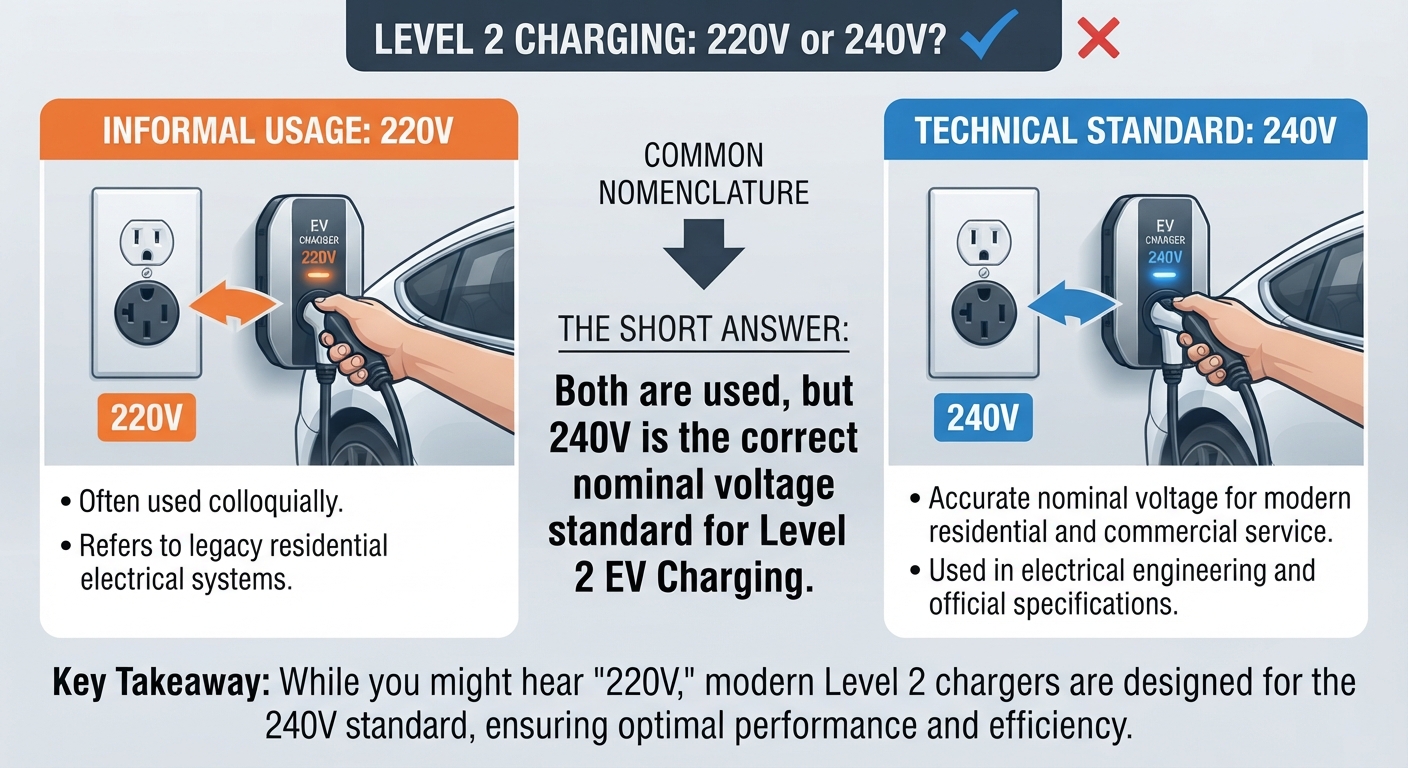
When transitioning to home electric vehicle (EV) charging, understanding the electrical specifications of your equipment is essential for safety, compatibility, and speed. A common point of confusion among new EV owners revolves around electrical voltage terminology. To answer this directly: Level 2 electric vehicle charging primarily uses 240V in residential settings, though it can also operate on 208V in commercial buildings.
While historical slang often refers to household appliances operating on “220-volt” lines, modern North American residential grids actually supply a nominal 240 volts of alternating current (AC). Knowing the difference between these voltage classes will help you communicate effectively with electricians, choose the right hardware, and optimize your overall home charging architecture.
Here is a comprehensive guide explaining the technical, practical, and financial details behind residential and commercial Level 2 charging voltages.
1. The Reality of Residential Voltage: 220V vs. 240V
To understand why people interchange these numbers, it helps to look at standard residential power distribution:
-
The Historical Context: Decades ago, standard heavy-duty home appliances like electric dryers, ranges, and air conditioners were commonly wired to what people loosely called “220V circuits.”
-
The Modern Standard: Today, North American homes receive split-phase 240V electrical service from utility transformers. Under normal operating conditions, voltage outputs at a standard residential NEMA 14-50 or NEMA 6-50 outlet typically measure between 230V and 240V.
-
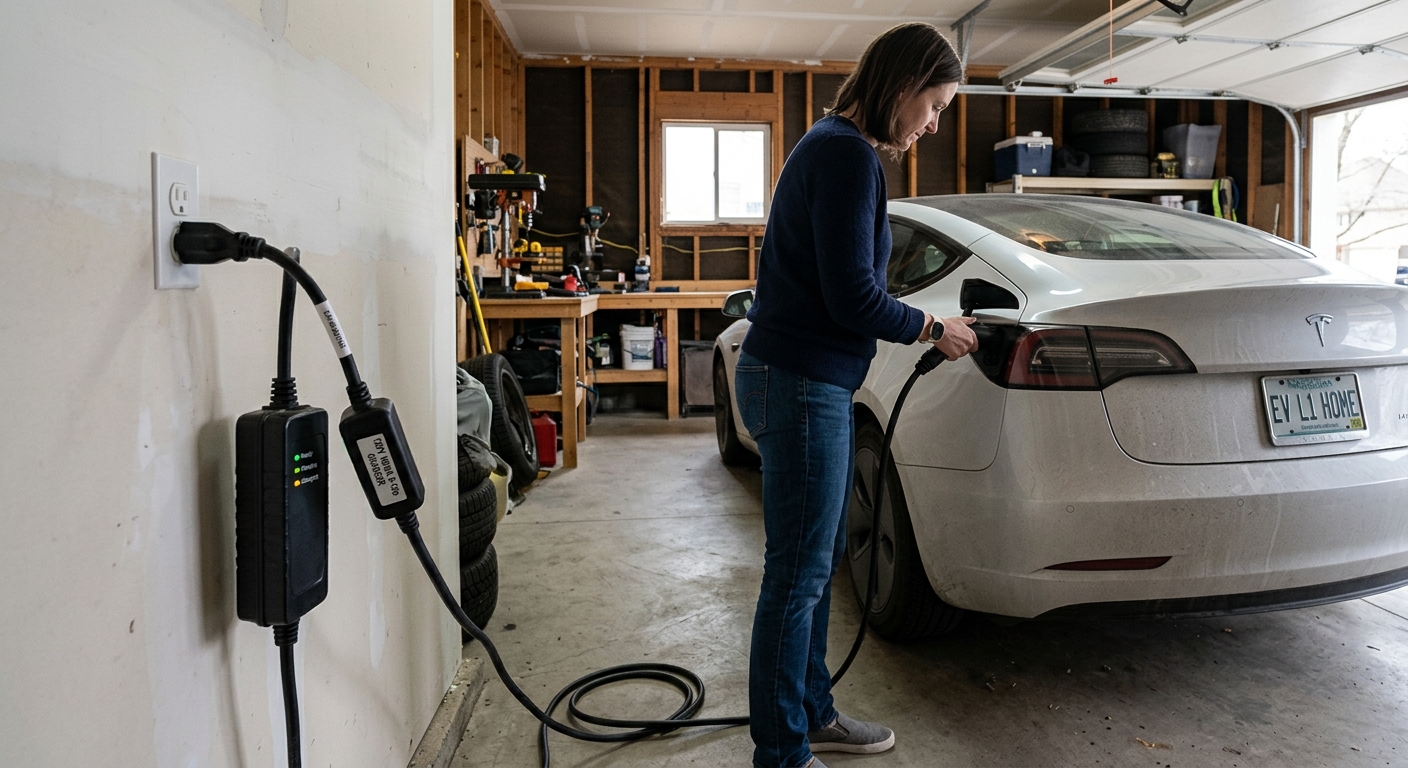
Impact on Charging: Because Level 2 EV supply equipment (EVSE) is engineered to accept this split-phase voltage range, plugging into a home outlet delivers a steady, robust flow of power to your car’s onboard converter.
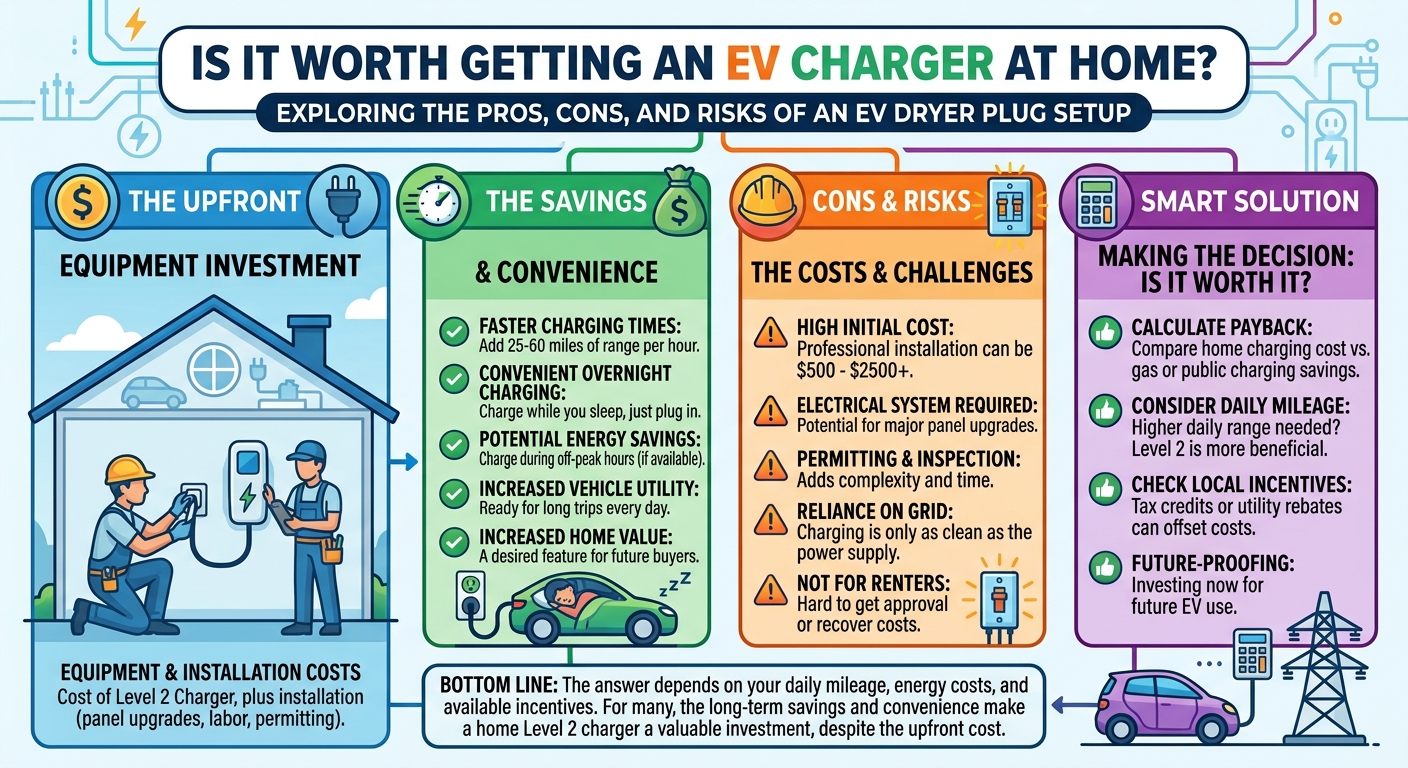
To review how different configurations and power capacities affect hardware selection, check out our insights on various charging types.
2. Commercial Settings: The 208V Alternative
While homes rely on single-phase or split-phase 240V power, commercial properties (such as office buildings, retail parking garages, and multi-family apartment complexes) use three-phase electrical systems:
-
Three-Phase Power Delivery: Commercial buildings distribute power using three-phase grids, which frequently output 208 volts instead of 240 volts.
-
Compatibility of Level 2 Chargers: High-quality commercial and universal home-grade Level 2 chargers are built with wide voltage tolerances (typically rated for 208V–240V). When plugged into a commercial 208V source, the charger automatically adjusts.
-
Slightly Reduced Output: Because power output equals voltage multiplied by amperage ($P = V \times I$), a charger operating on a 208V commercial line will deliver slightly fewer kilowatts per hour compared to the exact same unit operating on a residential 240V line. For instance, a 32-amp charger delivers about 7.6 kW at 240V, but drops to roughly 6.6 kW at 208V, resulting in marginally longer charging times.
3. Why Voltage Matters for Your Home Installation
If you are planning to install a dedicated charging station in your garage or driveway, paying close attention to your home’s electrical panel is critical:
-
Dedicated Circuit Requirement: Level 2 chargers cannot plug into standard 120V kitchen or bedroom wall outlets. They require a heavy-duty, dedicated 240V circuit installed by a licensed professional.
-
Breaker and Wiring Specs: Depending on whether you choose a plug-in unit (using a 14-50 or 6-50 receptacle) or a hardwired unit, you will typically need a 40-amp or 50-amp dual-pole circuit breaker paired with thick-gauge copper wiring to safely sustain continuous high-voltage loads.
-
Integration with Smart Energy Systems: Modern residential setups often incorporate automated controls and software to manage high-voltage power draws efficiently. You can learn more about optimizing your electrical load and automation features through our guide on smart home EV solutions.
4. Safety, Efficiency, and Cost Implications
Operating your charger at the correct residential voltage brings multiple advantages:
-
Maximized Efficiency: Higher voltages reduce resistive energy losses during power conversion, meaning more electricity goes directly into your vehicle’s battery pack rather than being lost as heat.
-
Faster Turnaround Times: Delivering full power via a 240V connection ensures your EV recharges from empty to full in 4 to 8 hours, perfectly aligning with overnight utility schedules.
-
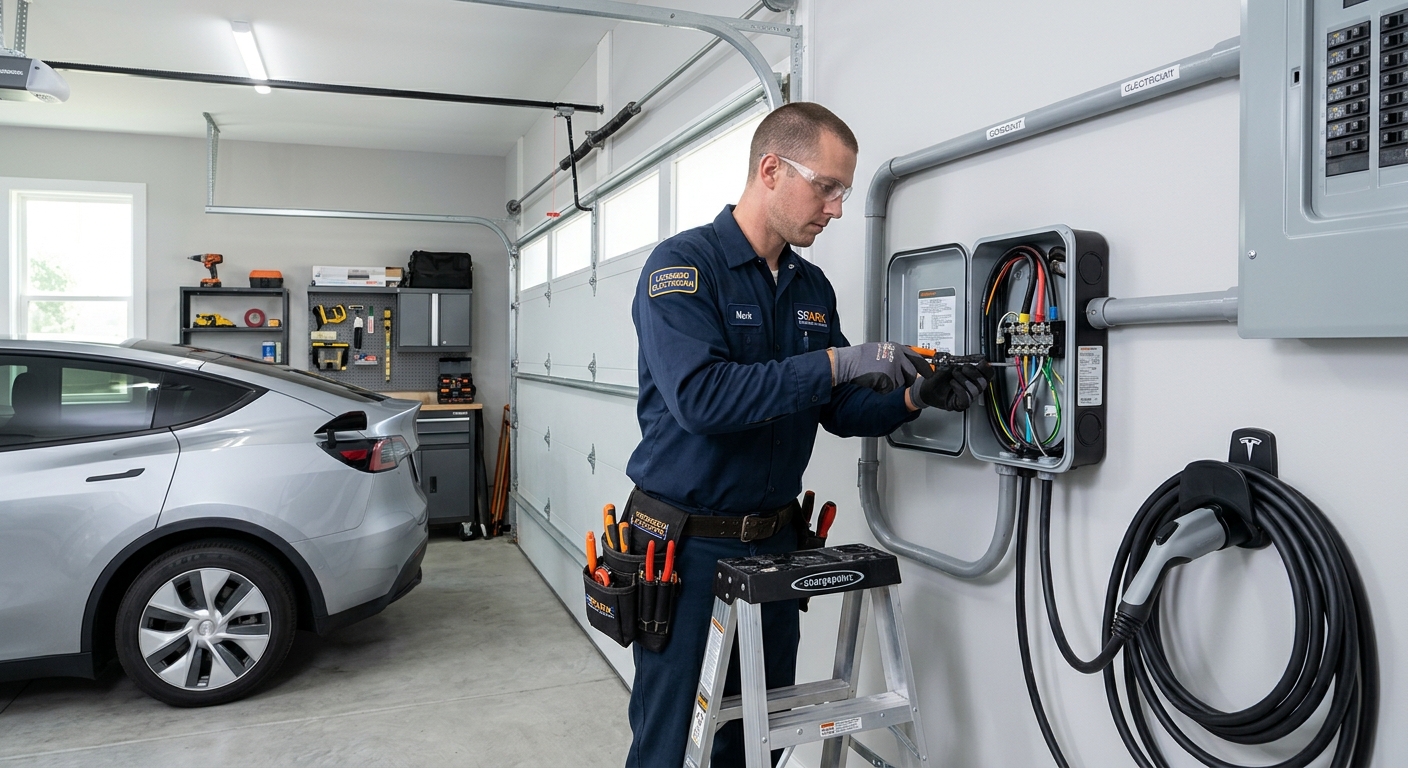
Avoiding DIY Risks: Because working with 240V residential panels involves high amperage and severe electrocution risks, never attempt a DIY installation. Always hire a certified electrician to verify local code compliance and correct voltage outputs.
For more expert advice, cost breakdowns, and home infrastructure planning tips, explore our core resources at EV Charger Advisor.
Summary: What Should You Remember?
-
Residential Power: Level 2 home charging officially runs on 240V (though colloquially called 220V), delivering fast and efficient overnight power.
-
Commercial Power: In workplaces or public garages, Level 2 units frequently operate on 208V due to three-phase building architecture, resulting in slightly adjusted power delivery speeds.
-
Installation Rule: Always ensure your electrical panel can support a dedicated 240V circuit before purchasing high-output charging equipment.





Leave a Reply