
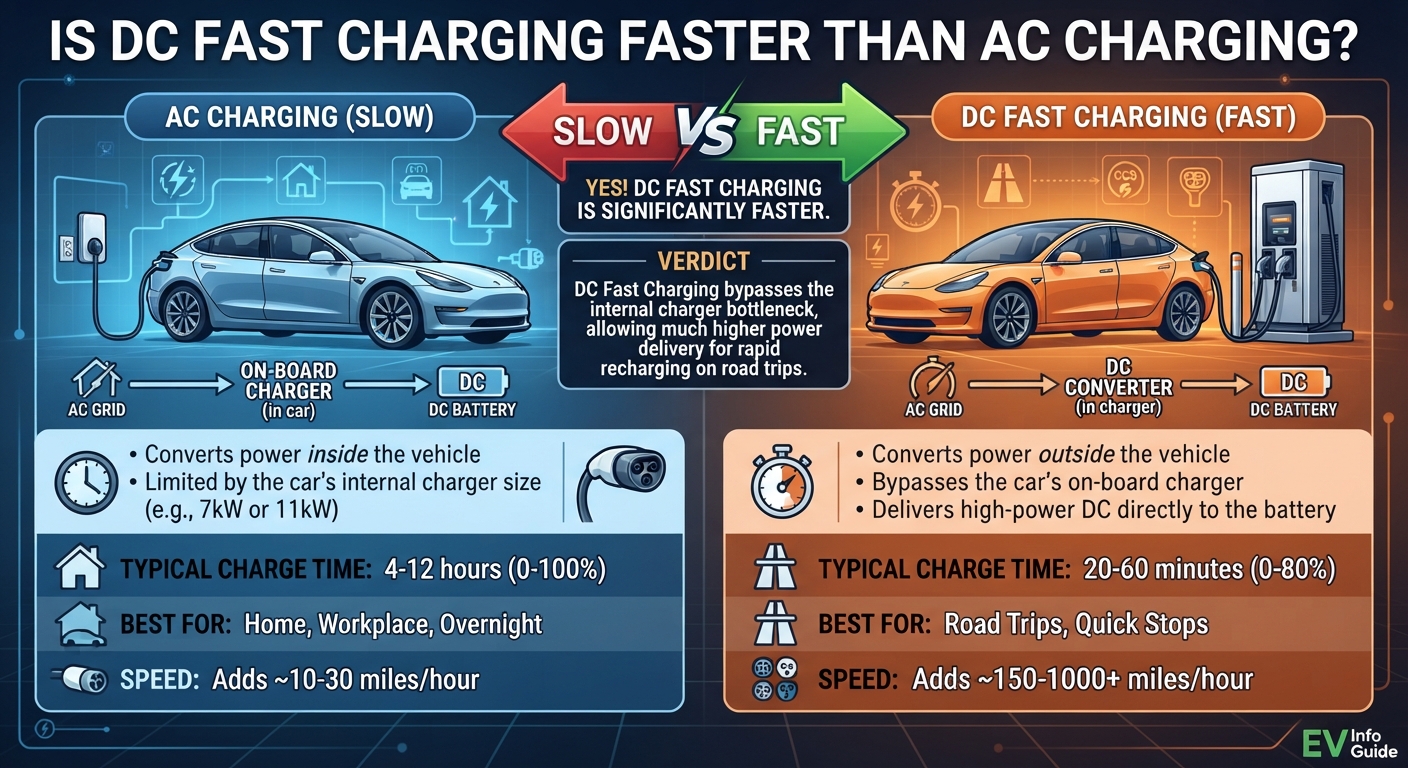
When making the transition to electric vehicle ownership, understanding how your vehicle absorbs energy is one of the most important technical aspects to master. New drivers often wonder how different charging stations operate and why plugging into one station takes an entire night while another replenishes the battery in minutes. To answer directly: Yes, DC fast charging is significantly faster than AC charging.
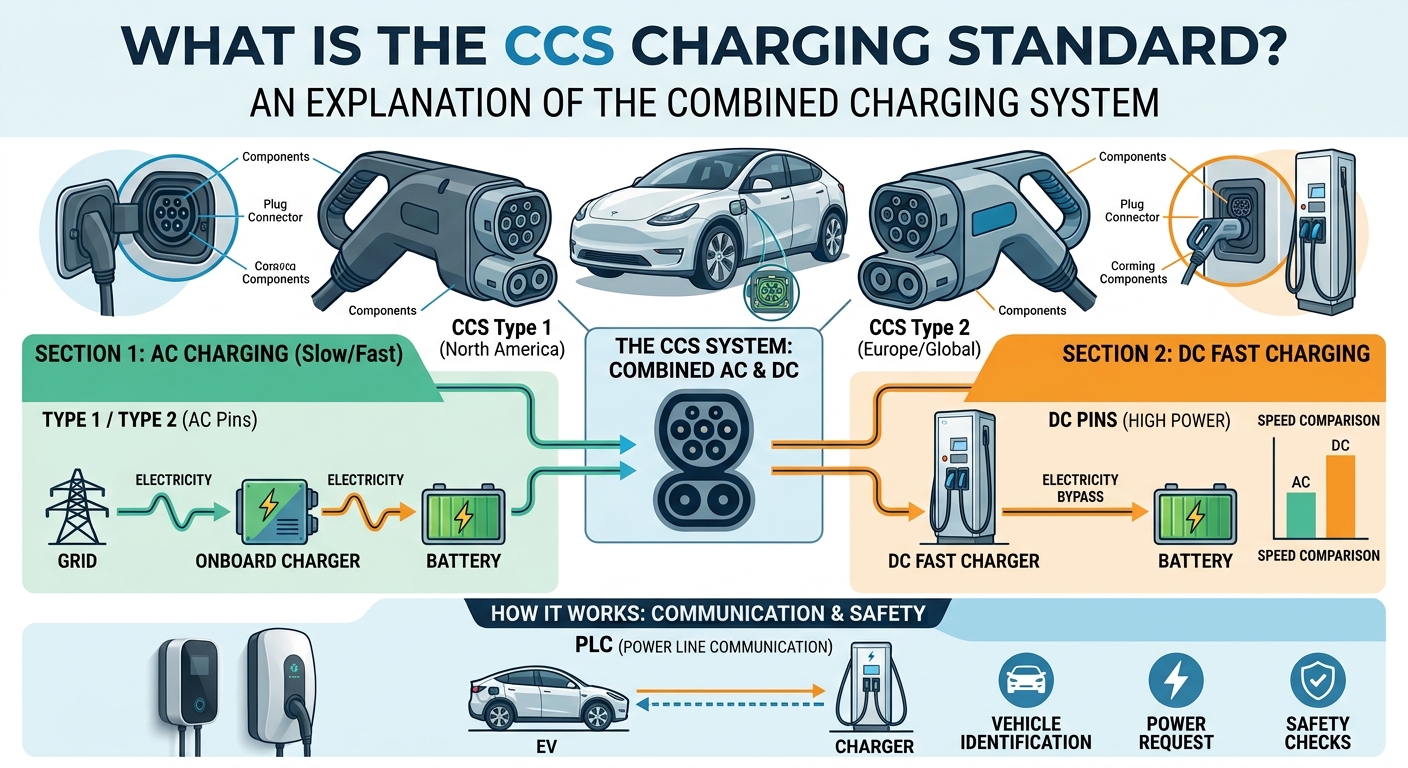
While alternating current (AC) charging relies on your vehicle’s internal inverter to slowly convert household or grid power into usable direct current energy for daily commuting and overnight rest, DC fast charging delivers high-voltage direct current straight into the battery pack. This fundamental hardware distinction transforms hours of waiting into a brief rest stop.
1. The Speed Contrast: Minutes on the Highway vs. Hours at Home
The disparity in charging velocities between alternating current (AC) and direct current (DC) systems is massive, and it dictates how drivers structure their daily routines:
-
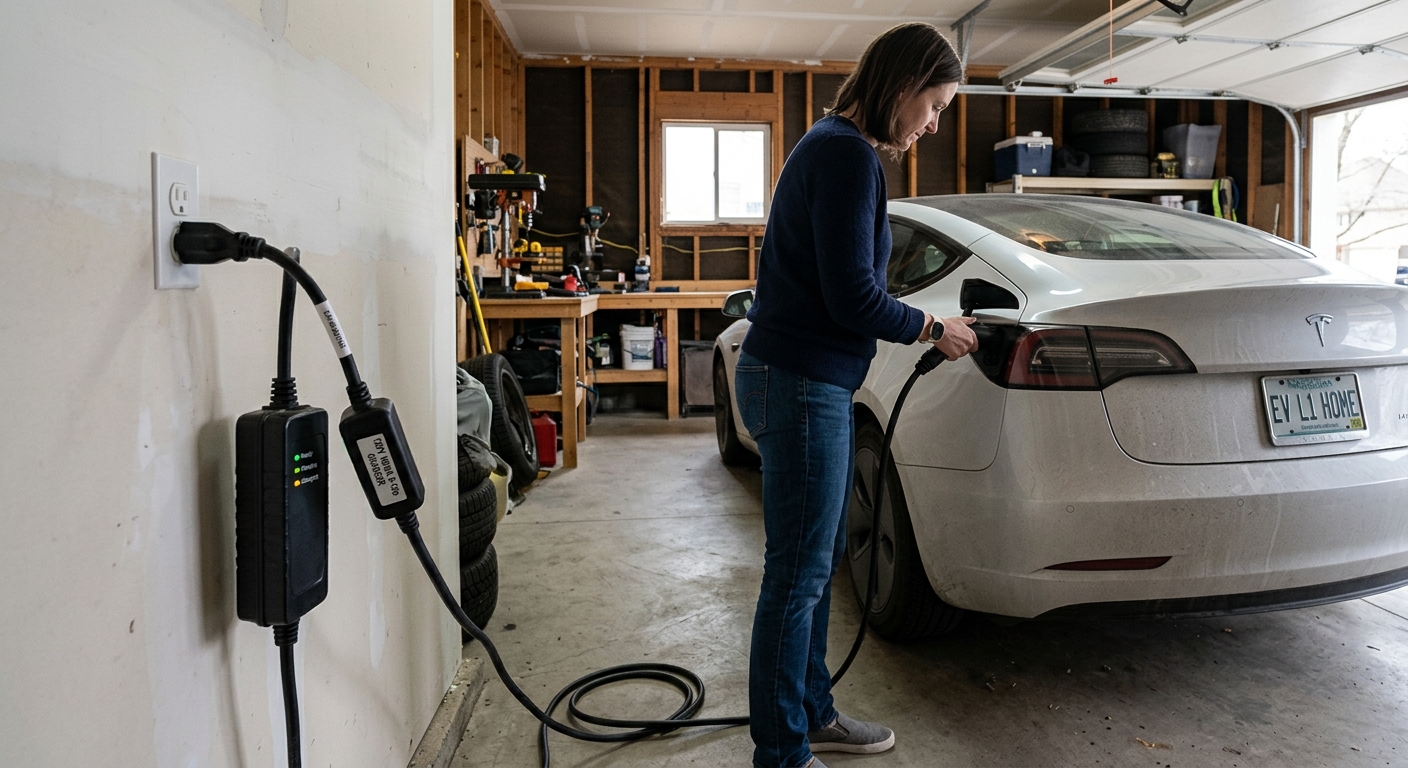
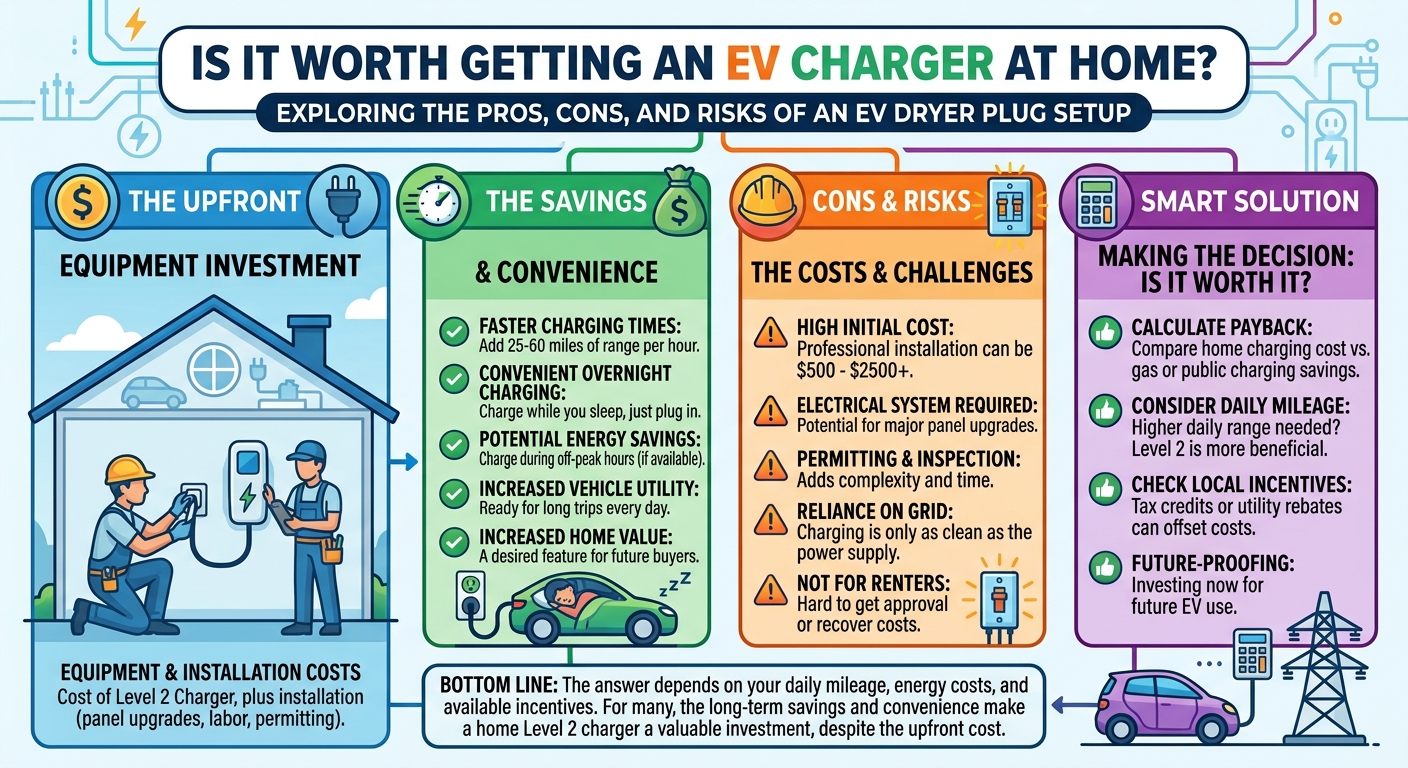
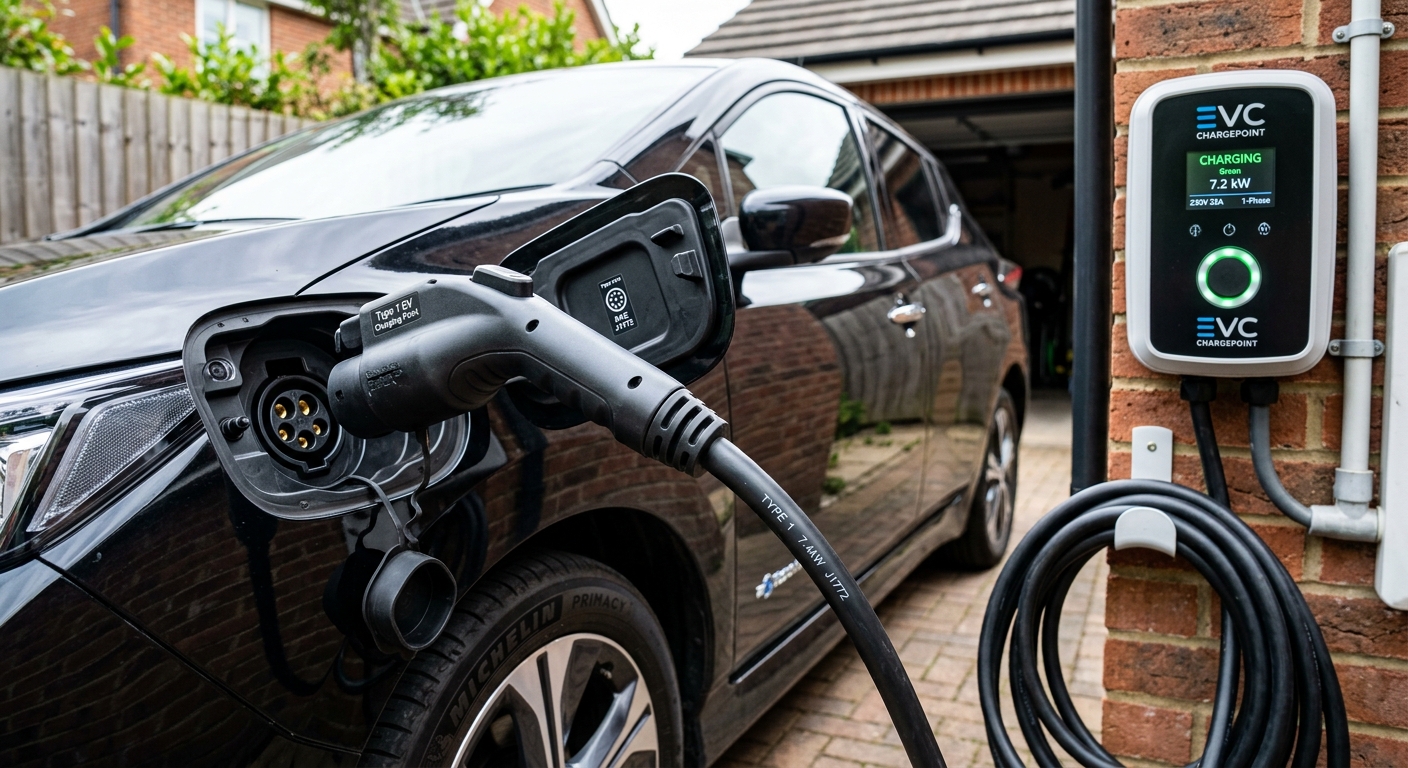
AC Charging (Home & Destination): AC charging is the bedrock of everyday residential and workplace parking. It typically ranges from Level 1 standard household plugs (delivering roughly 1.4 kW) to Level 2 residential wall units (delivering anywhere from 7 kW to 19.2 kW). On a standard Level 2 home setup, replenishing a fully depleted battery pack takes anywhere from 4 to 12+ hours. It is designed to work quietly in the background while your car is parked overnight.
-
DC Fast Charging (Highway Corridors): Direct current fast charging (frequently referred to as Level 3 or DCFC) operates on a completely different scale. Public stations pump massive amounts of power ranging from 50 kW to over 350 kW directly into the vehicle. This raw power allows an EV to achieve a 10% to 80% charge in just 20 to 40 minutes, making long-distance road trips viable.
To understand how residential AC equipment handles power delivery and household electrical loads differently, read more about various charging types.
2. The Technical Reason: Bypassing the Onboard Inverter
Why is DC fast charging so vastly superior in speed? The secret lies in where power conversion physically takes place within the charging ecosystem:
-
The AC Bottleneck and the Onboard Charger (OBC): The local electrical grid and standard home outlets supply alternating current (AC) electricity. However, an EV’s lithium-ion battery pack can only store direct current (DC) power. When you use an AC charger (whether Level 1 or Level 2), the electricity enters your car as AC, and the vehicle must route it through its internal component known as the onboard charger (OBC) to convert it to DC. Because this onboard inverter must be small and lightweight enough to fit inside the vehicle chassis, it is physically restricted in size and cooling capacity, usually limiting intake speeds between 7 kW and 22 kW.
-
The DC External Conversion Advantage: DC fast chargers eliminate this bottleneck entirely. Heavy-duty power conversion hardware is housed right inside the massive public charging cabinet itself rather than inside your car. By converting AC to DC externally using industrial-grade transformers, the station pumps high-voltage energy directly past your car’s onboard limits straight into the battery cells.
To explore how advanced energy distribution, load balancing, and smart household management interact with these electrical demands, check out our guide on smart home EV solutions.
3. Thermal Management and Battery Chemistry Restrictions
Even though DC fast charging is drastically faster, it comes with physical and chemical constraints that govern how long that speed can be maintained:
-
The Heat Challenge: Pushing dozens or hundreds of kilowatts into a compact chemical energy storage system generates immense internal heat. If lithium-ion cells become too hot during a charging session, permanent degradation of the cathode and anode can occur, shortening the lifespan of the battery pack.
-
Liquid Cooling and Throttling: Modern EVs and DC fast chargers utilize sophisticated liquid-cooling loops to keep temperatures stable. However, as a battery fills up past 80% capacity, its internal resistance rises, and it can no longer safely accept high current without overheating. This is why vehicles automatically throttle charging speeds during the final 20% of a session—a phenomenon that applies strictly to high-speed DC charging rather than slow, gentle AC charging.
For comprehensive insights on EV infrastructure planning, battery safety standards, and expert advisory services, visit us at EV Charger Advisor.
4. Economic Factors: Cost-per-Kilowatt and Utility Rates
Speed is not the only metric when comparing DC fast charging to AC charging; financial impact is a major consideration for owners:
-
The Price of Convenience: Public DC fast-charging networks require massive capital investments, commercial land leases, and heavy-duty grid tie-ins. Consequently, network operators charge significantly higher per-kilowatt-hour rates compared to residential utility pricing. Relying exclusively on public fast chargers can diminish much of the fuel-cost savings associated with electric vehicles.
-
The Economy of Home AC Charging: Charging via a home AC setup during off-peak utility hours allows vehicle owners to fuel up at a fraction of the cost. Combining a residential Level 2 charger with time-of-use (TOU) electricity rates ensures maximum financial efficiency.
Summary: Which Charging Method Should You Use?
-
Use AC charging primarily at home or the workplace for cost-effective, gentle overnight top-ups that preserve long-term battery health.
-
Reserve DC fast charging strictly for highway road trips and rapid public top-ups when time efficiency outweighs cost considerations.





Leave a Reply