
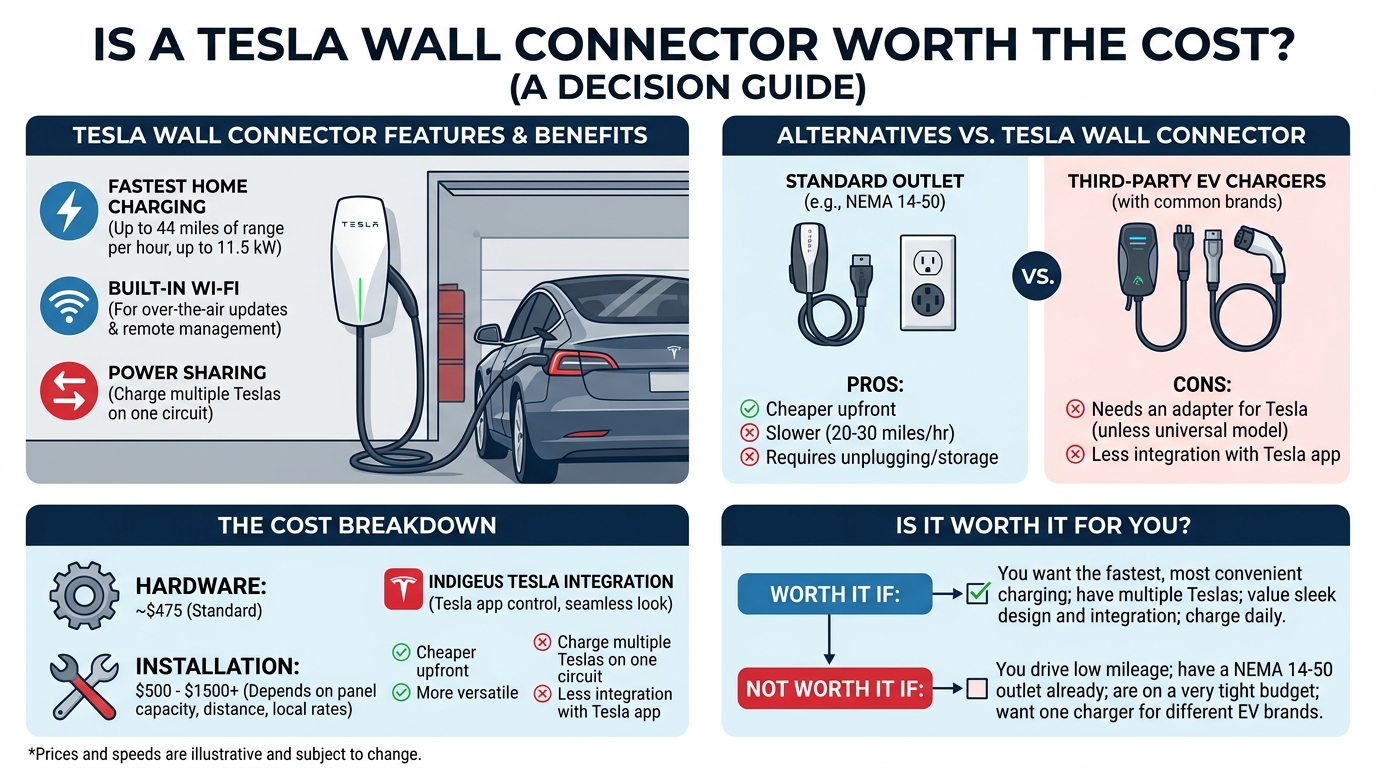
When installing a dedicated residential electric vehicle (EV) charging station, homeowners face a crowded market filled with smart chargers, generic hardwired units, and various OEM accessories. Among all available options, the Tesla Wall Connector stands out as one of the most popular and widely discussed pieces of hardware. To answer the core question directly: A Tesla Wall Connector is worth the cost if you want fast overnight charging (up to 48 amps / 11.5 kW in North America or up to 22 kW with 3-phase power), seamless integration with the Tesla app, and a dedicated hardwired station so you can leave your mobile connector safely packed in your car trunk.
With a retail price typically hovering around $585 to $600 for standard or universal versions, it undercuts many competing third-party smart chargers while offering superior build quality, an extra-long 24-foot cable, and flexible power-sharing capabilities.
Here is an exhaustive, 2000-word comprehensive guide examining the hardware specifications, installation costs, real-world performance, smart software features, and whether investing in a Tesla Wall Connector makes financial sense for your household.
1. Understanding the Hardware: What Do You Get for the Price?
When evaluating whether any piece of charging equipment is worth its price tag, you must look closely at what physical engineering and performance metrics are included in the box:
-
High Amperage Output: The Tesla Wall Connector is a Level 2 hardwired charger that can be configured from 12 amps all the way up to 48 amps. When wired to a 60-amp circuit breaker, it delivers an impressive 11.5 kW of power output in North America (or up to 22 kW on 3-phase European grids).
-
Blazing Fast Range Recovery: This power delivery translates to adding roughly 40 to 44 miles of range per hour (depending on your specific vehicle model and onboard charger limitations). For an empty long-range EV battery pack, this means a complete 0% to 100% recharge happens comfortably within an 6-to-8-hour overnight window.
-
Sleek Aesthetic and Build Quality: Unlike bulky, industrial-looking chargers, the Tesla Wall Connector features a minimalist, weather-resistant glass or matte faceplate rated for both indoor garage and outdoor wall installation.
To explore how residential charging speeds compare to commercial setups and other hardware classes, read our detailed guide on various charging types.
2. Convenience and Daily Usability: Leaving Your Mobile Connector in the Trunk
One of the most practical arguments for purchasing a dedicated Tesla Wall Connector is everyday lifestyle convenience:
-
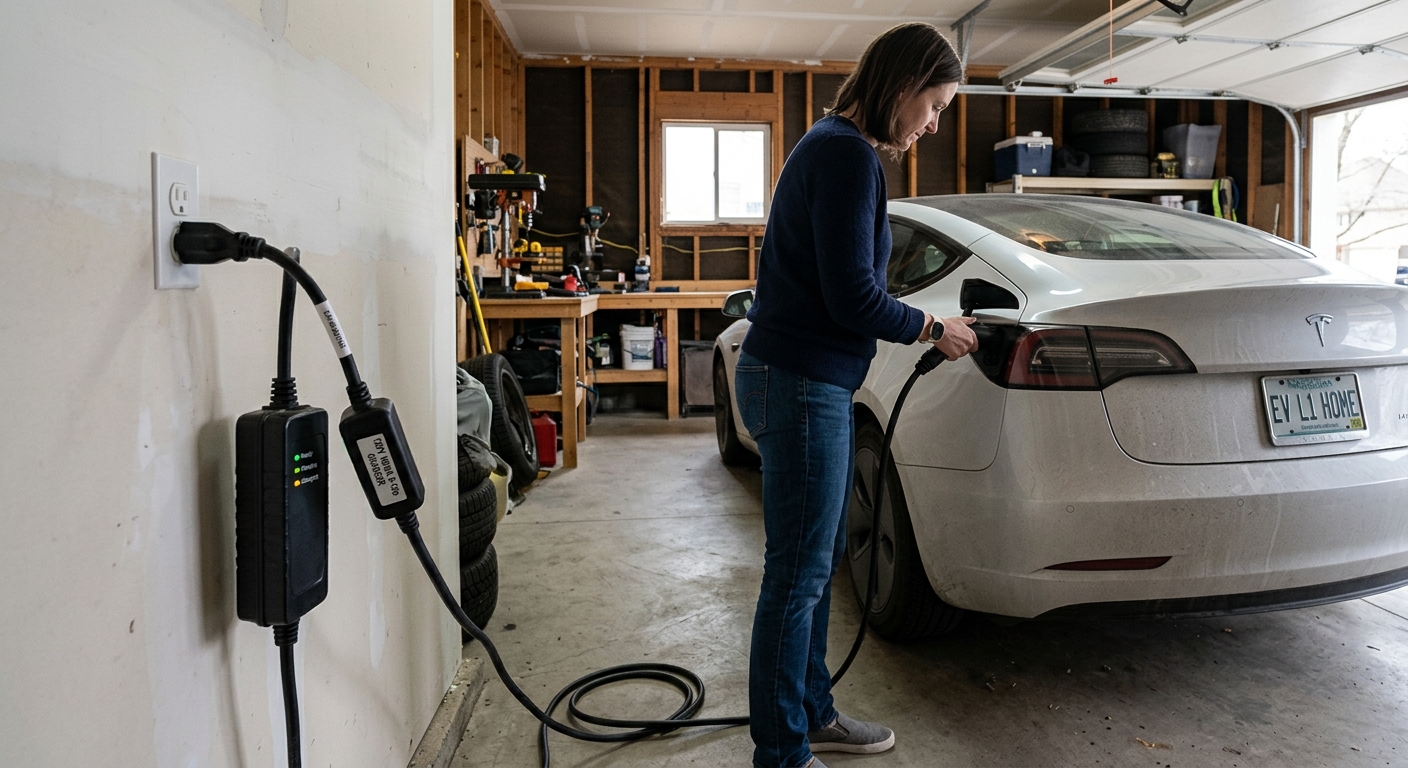
The “Trunk” Convenience Factor: Tesla vehicles often come with or prompt purchases of a mobile connector. If you rely on that portable brick for daily home charging, you have to uncoil it, plug it in, unplug it, and coil it back up into your trunk every time you go on a trip. Installing a wall connector means your home has a permanent, grab-and-go fueling station while your mobile cord stays packed away for road emergencies.
-
Auto-Sensing Handle: The charging handle features a convenient built-in button that remotely opens your vehicle’s charge port door with a single press, eliminating the need to fumble through touchscreens or key fobs when arriving home in the dark or rain.
-
Extra-Long 24-Foot Cable: The generous 24-foot cable length ensures flexibility in parking orientation, allowing you to easily reach charge ports regardless of whether your car is parked head-in, backing in, or parked outside the garage driveway.
3. Financial Breakdown: Upfront Costs, Installation, and Value
Is the Tesla Wall Connector expensive compared to alternative solutions? Let us break down the numbers:
-
Hardware Pricing: At under $600, the standard NACS Wall Connector or the Universal Wall Connector (which features a built-in Magic Dock adapter for J1772 vehicles) is competitively priced. Many premium third-party smart chargers like ChargePoint Home Flex or Wallbox Pulsar Plus cost $650 to $700+ for similar amperages.
-
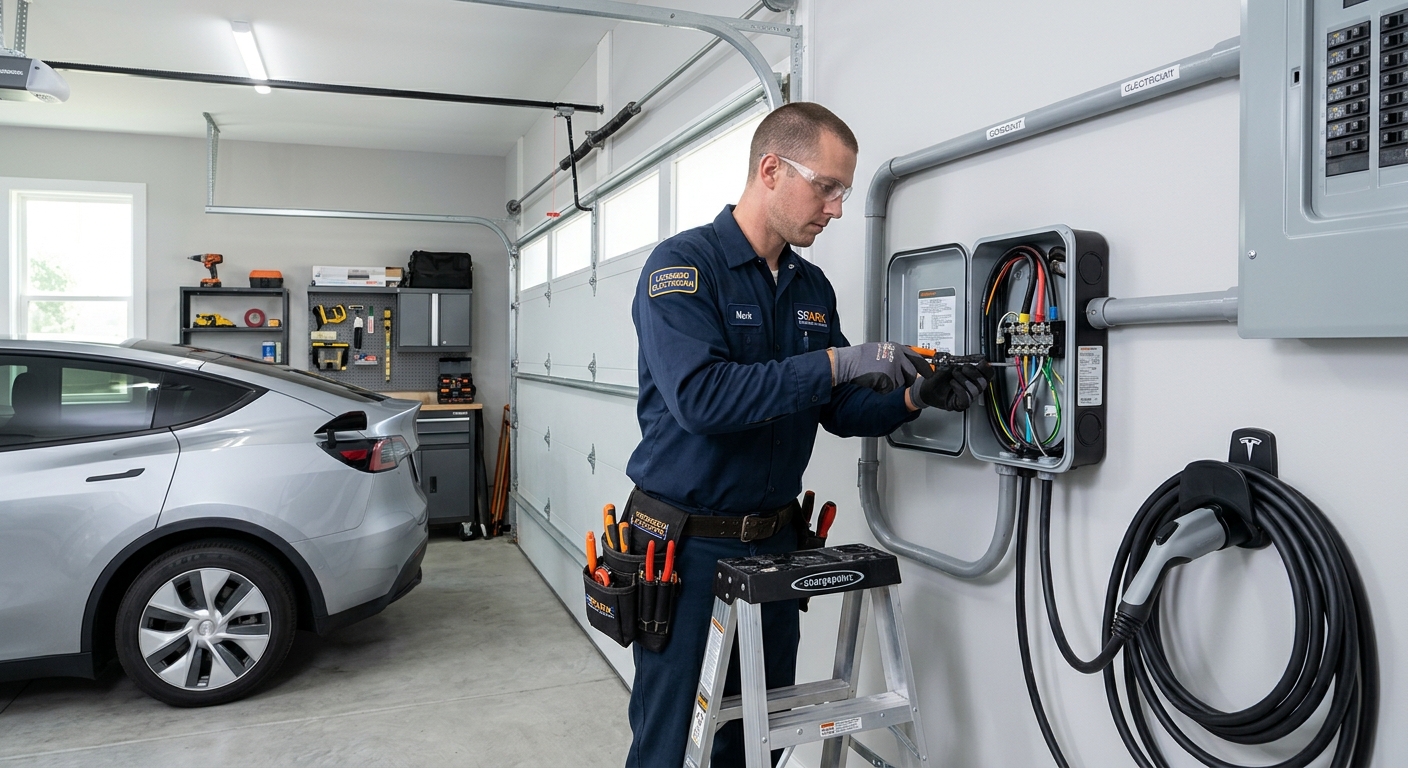
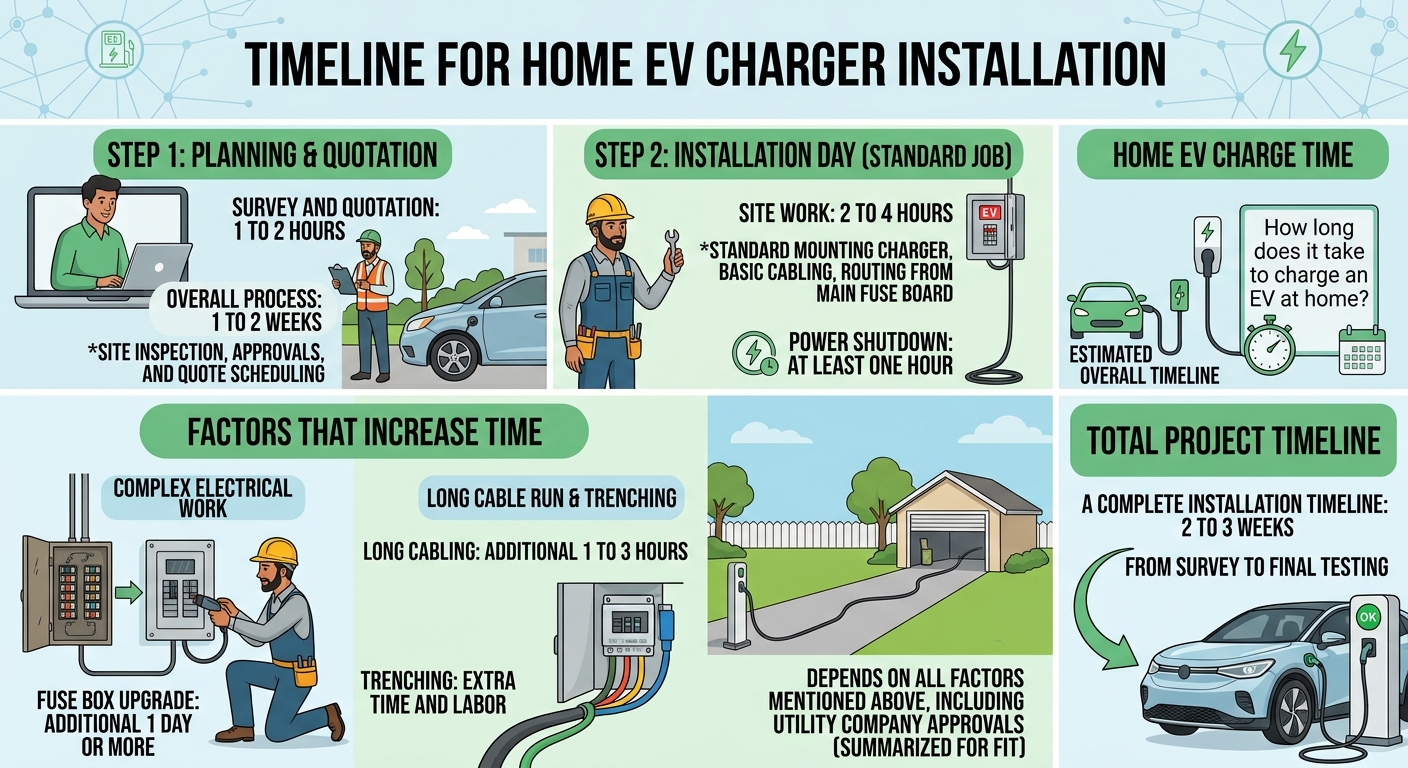
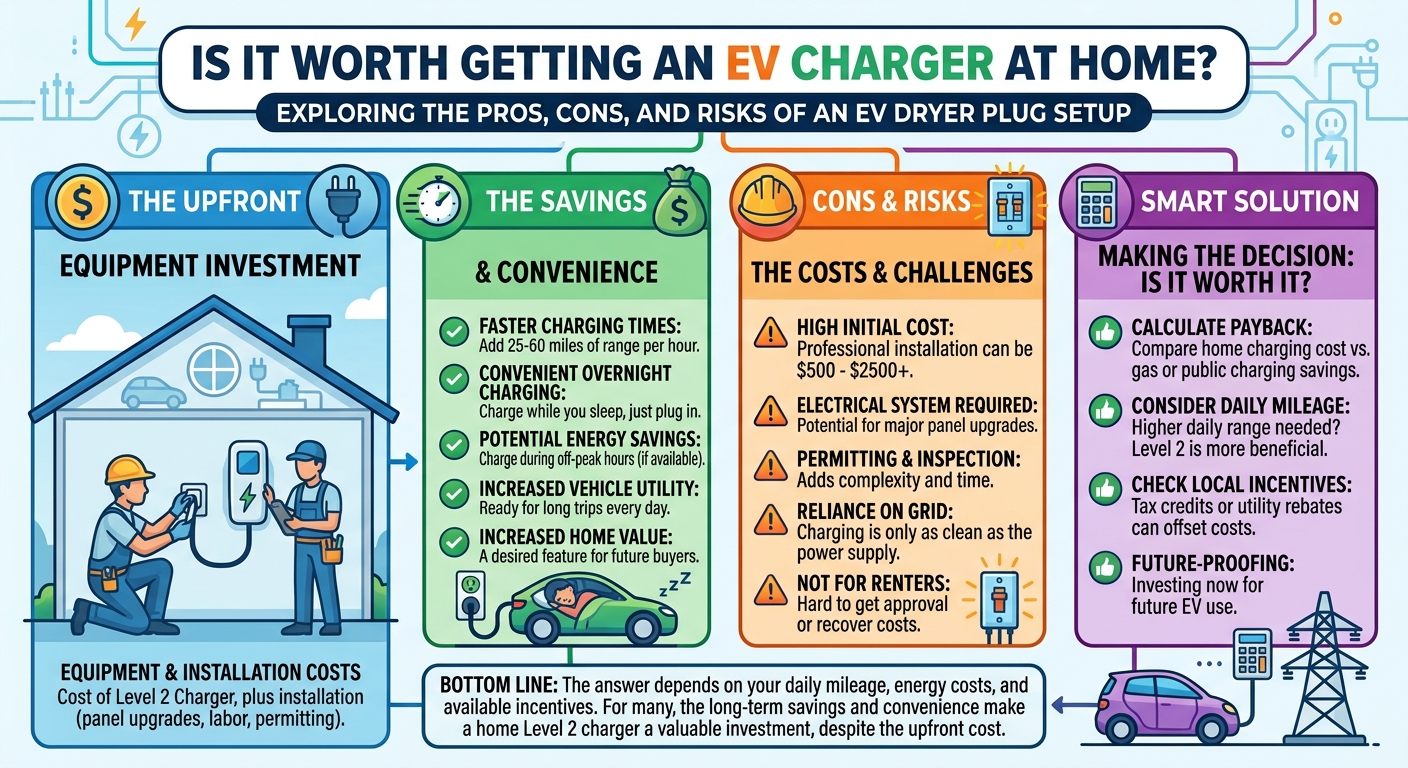
Installation Expenses: Remember that the hardware is only part of the investment. Hardwiring a 48-amp charger requires hiring a licensed electrician to run heavy-gauge wiring (such as 4-6 AWG) from your main electrical panel to a 60-amp breaker. Depending on your home’s electrical panel capacity and the distance from the garage, total installation labor and materials typically range from $800 to $2,500.
-
Utility Rebates and Incentives: Many local electric utility companies and state programs offer substantial rebates (sometimes covering 50% to 100% of equipment and installation costs) if you install an approved Wi-Fi-enabled smart charger.
To learn how to calculate your exact charging costs after installation, check out our formulas and utility rate breakdowns.
4. Smart Ecosystem Integration: App Control and Solar Charging
Beyond raw speed, modern EV chargers are defined by their software intelligence. The Tesla Wall Connector includes built-in Wi-Fi connectivity that unlocks powerful ecosystem features:
-
Over-the-Air Updates and Diagnostics: The charger automatically receives firmware updates and allows remote diagnostics if troubleshooting is ever required.
-
Unified App Management: If you drive a Tesla, you can monitor charging schedules, track energy usage history, and lock your charger against unauthorized public use directly from the Tesla smartphone app alongside your vehicle controls.
-
Power Sharing for Multiple EVs: If your household owns two electric vehicles or you plan to add a second EV in the future, the Tesla Wall Connector supports Power Sharing for up to six units. The chargers intelligently communicate with each other to split available home electrical capacity without tripping your main household breaker.
-
Charge on Solar Integration: For homeowners equipped with Tesla Solar Panels and a Powerwall battery system, the Wall Connector can be configured to “Charge on Solar” mode. This allows your vehicle to drink excess clean solar energy generated by your roof rather than pulling expensive power from the grid.
To maximize your home energy efficiency and learn about advanced load management, read our guide on smart home EV solutions.
5. Universal Compatibility: The Tesla Universal Wall Connector Option
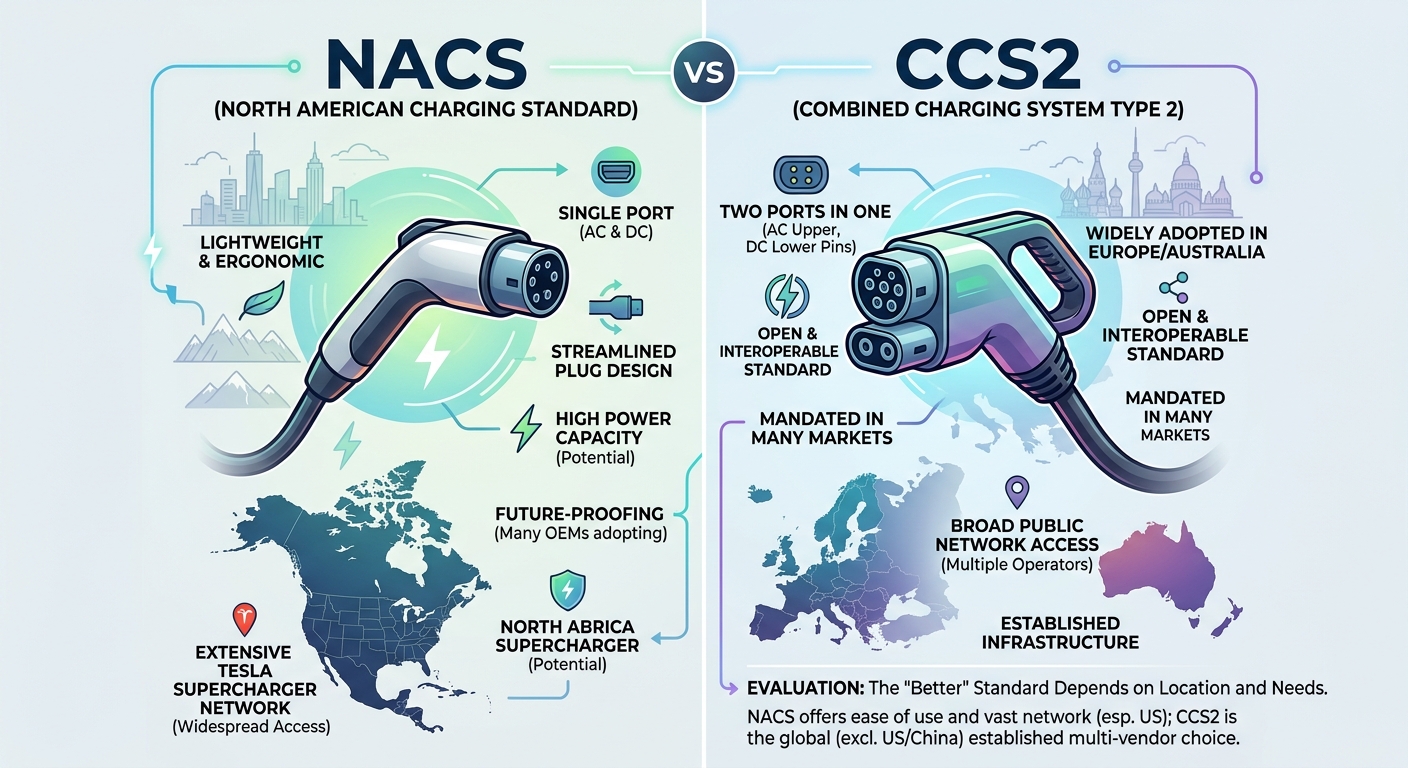
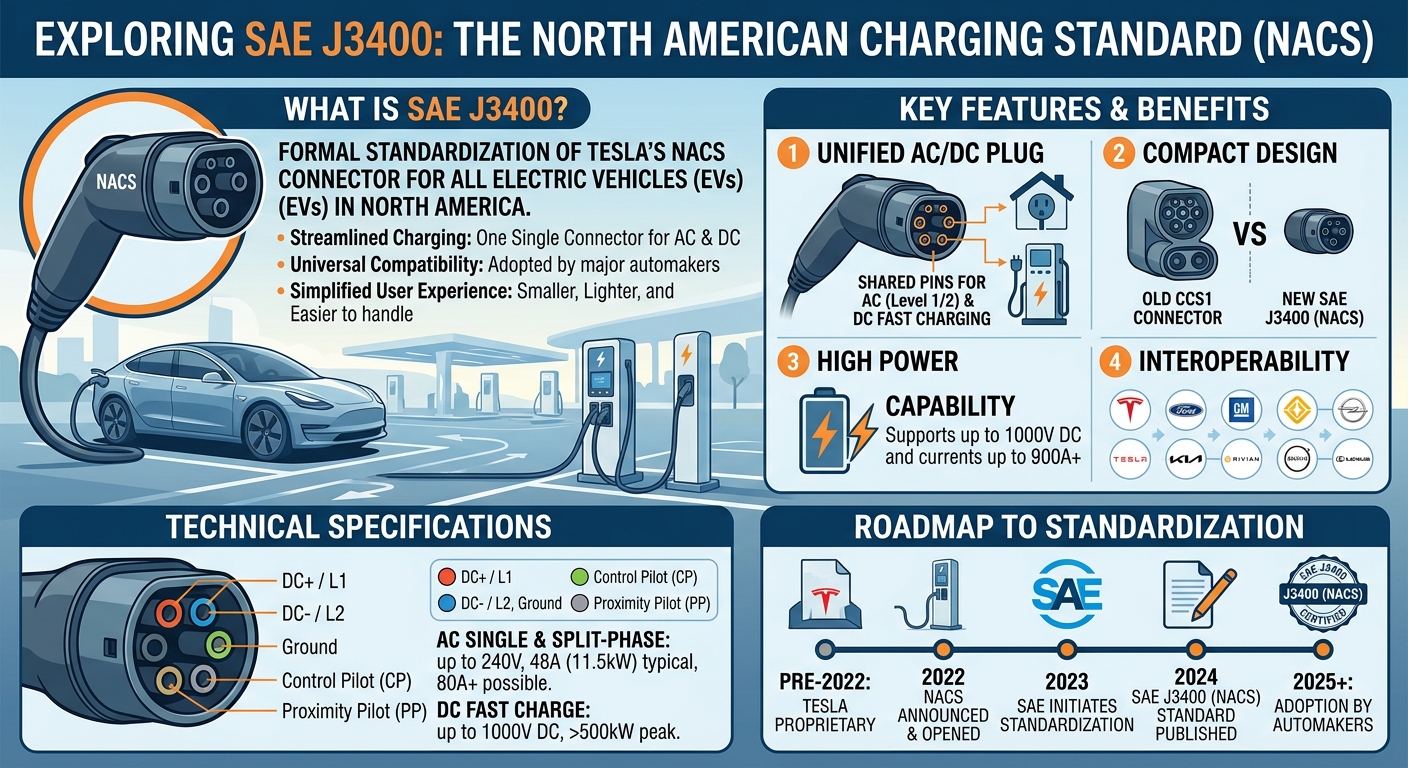
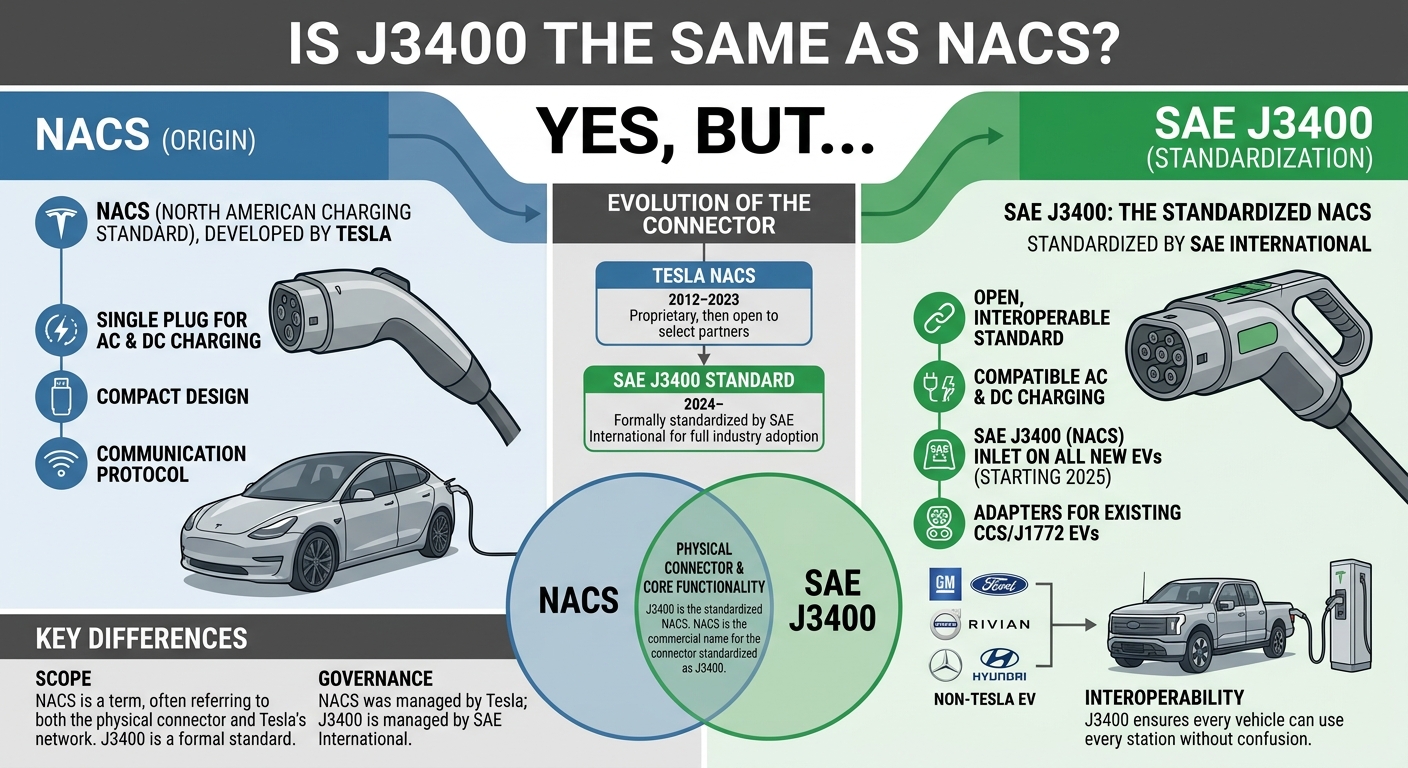
A common hesitation for multi-car households is whether a Tesla-branded charger locks them into a single brand. Historically, Tesla chargers only featured the proprietary NACS plug.
-
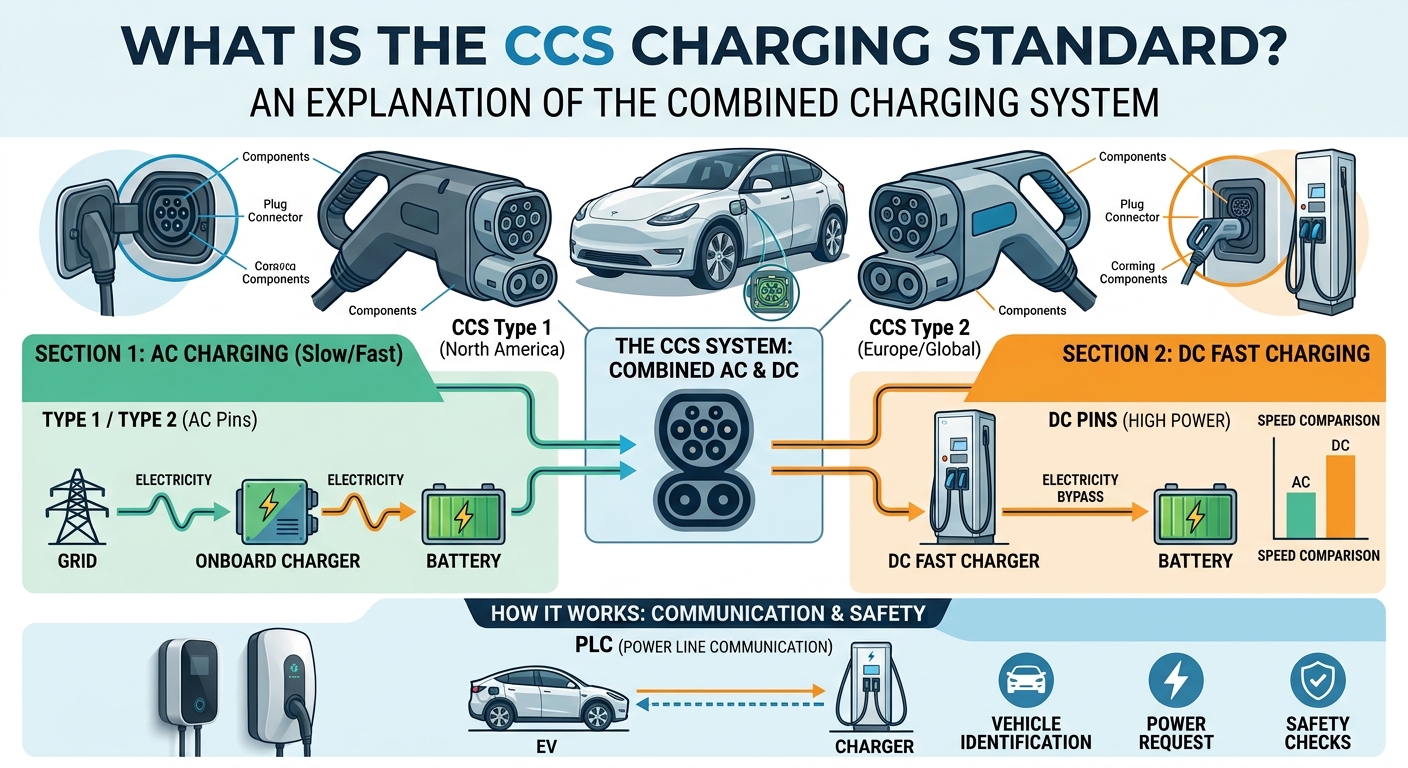
The Magic Dock Solution: Tesla introduced the Universal Wall Connector, which features an integrated, stowable J1772 adapter inside the docking bay.
-
Future-Proofing Your Garage: With this universal version, you can charge a Tesla using the standard NACS pin configuration, or press a release latch to pull out the adapter and charge non-Tesla EVs (like Ford, Rivian, Hyundai, or Chevrolet models). This removes compatibility worries if you switch vehicle brands in the future.
For comprehensive safety standards, pre-purchase considerations, and expert infrastructure advice, visit EV Charger Advisor.
Summary: Is It Ultimately Worth It?
-
Yes, it is definitely worth the cost if you want maximum charging speed (up to 48 amps), a clean aesthetic, a permanent hassle-free garage setup, and tight app integration.
-
It is an exceptional value if you own a Tesla or plan to utilize the Universal model with a mixed-brand EV household, as it undercuts many rival smart chargers while offering superior build quality and a 4-year residential warranty.





Leave a Reply