
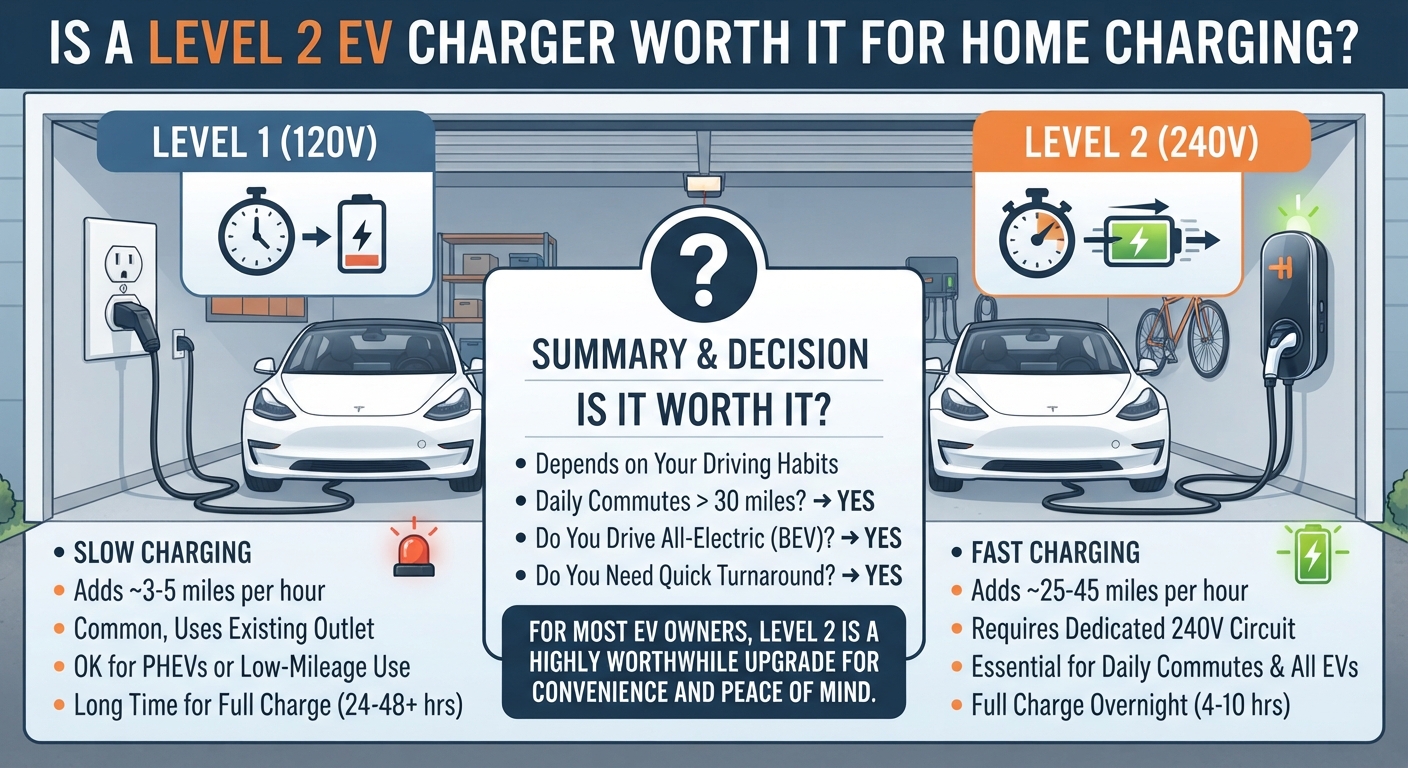
When transitioning to electric vehicle ownership, one of the first major accessory decisions you will face is whether to stick with the factory-provided cord or invest in a dedicated home charging upgrade. To answer directly and realistically: A Level 2 EV charger is worth it for most daily electric vehicle drivers because it charges four to ten times faster than a standard wall outlet.
While Level 1 equipment requires zero setup effort, modern EV battery sizes make slow trickle-charging impractical for daily commuters, busy families, or multi-car households. Upgrading to a 240V system transforms your vehicle’s turnaround time, ensuring a full battery every single morning without range anxiety.
Here is an in-depth look at the costs, speeds, lifestyle benefits, and structural requirements to help you decide if this home upgrade is right for your garage.
1. The Core Performance Difference: Speed and Power
The primary justification for purchasing a dedicated 240V home charging station comes down to sheer velocity.
-
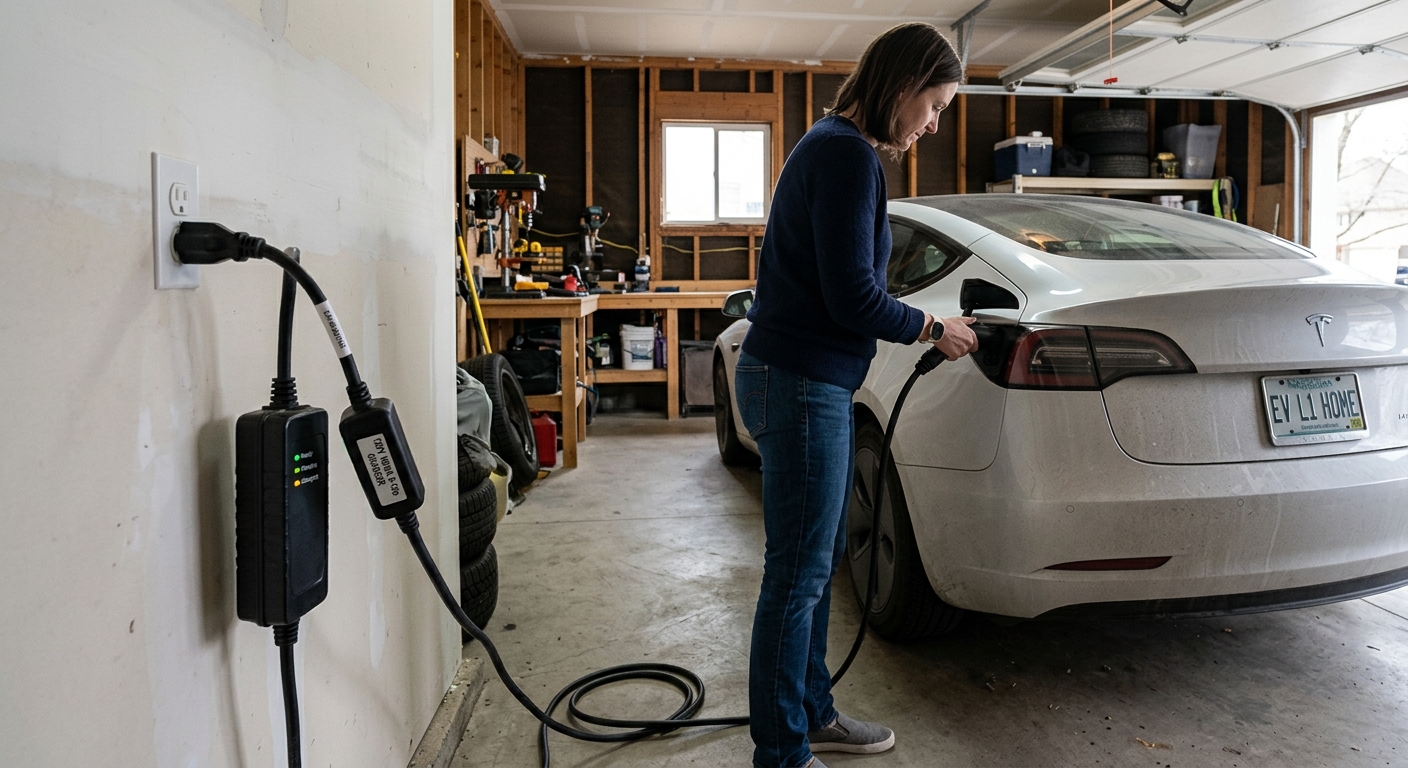
The Level 1 Constraint: Standard wall outlets operate on 120 volts and typically deliver about 1.4 kW to 1.9 kW of power. This painfully slow method recovers only 2 to 4 miles of range per hour. Recharging a large modern battery from empty can take anywhere from 40 to 60 hours.
-
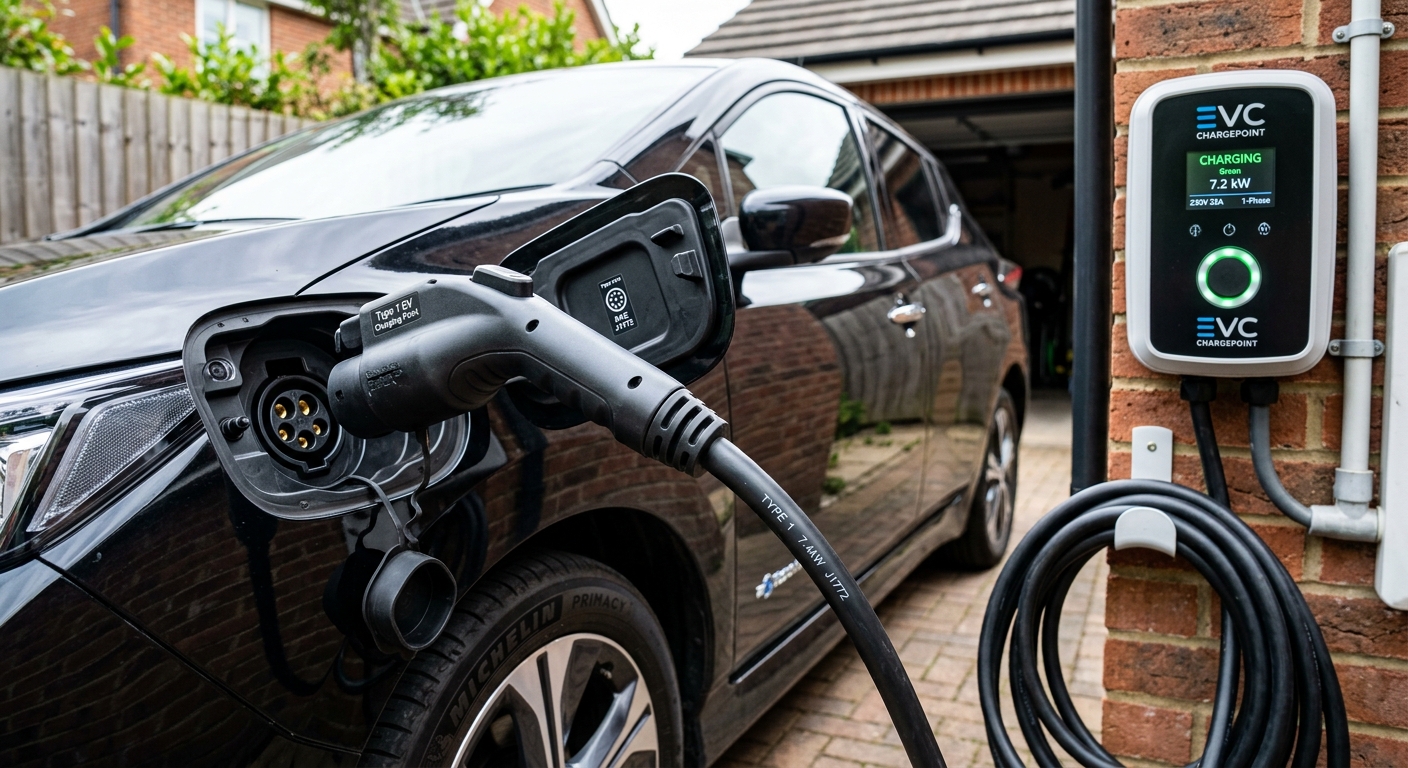
The Level 2 Advantage: By utilizing 240 volts—the same electrical capacity used by heavy home appliances like clothes dryers or electric ranges—Level 2 chargers push between 7 kW and 19.2 kW of energy. This adds roughly 20 to 40 miles of range per hour, completely replenishing a standard battery pack in just 4 to 8 hours.
To understand how these power delivery mechanisms compare across various grid systems, review our detailed guide on different charging types.
2. Daily Driving Habits: Who Actually Needs Level 2?
Not every EV owner logs massive mileage, meaning the value proposition depends heavily on your daily driving routine:
-
The Short-Distance Commuter: If your daily drive consists of a quick 10-mile round-trip grocery run or office commute, a standard 120V outlet might just barely keep up over the weekend.
-
The Heavy Commuter and Road Tripper: If you drive more than 30 to 40 miles daily, run errands throughout the evening, or utilize your vehicle for ridesharing, Level 1 mathematically cannot replenish your battery overnight. A Level 2 unit becomes practically mandatory to avoid visiting public DC fast chargers every morning.
3. Financial Breakdown: Upfront Costs vs. Long-Term Value
It is true that installing a 240V station is an investment. Understanding the two sides of the ledger helps clarify the investment:
-
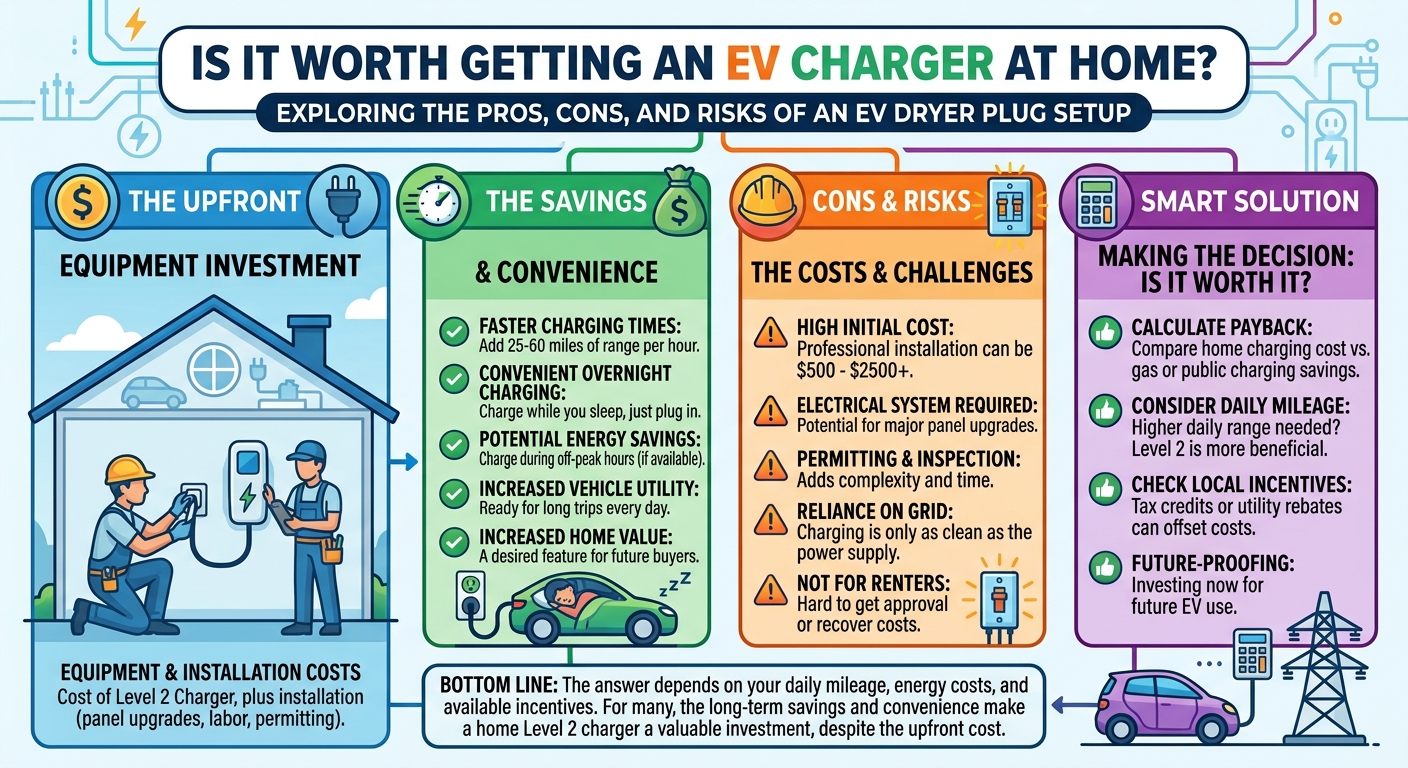
Upfront Hardware and Installation: A quality home unit costs anywhere from $400 to $800, plus electrician labor, dedicated breaker installation, and heavy copper wiring. Total initial out-of-pocket expenses frequently land between $500 and $1,800.
-
Utility Bill and TOU Savings: Many power companies offer discounted Time-of-Use (TOU) electricity rates during deep off-peak overnight hours (e.g., midnight to 6 AM). Because Level 2 fills your car rapidly within this narrow window, you capture maximum savings. Charging slowly on Level 1 often forces your car to draw power well into expensive morning peak hours.
To explore how automated scheduling helps you leverage these utility rate drops effortlessly, look into our insights on smart home EV solutions.
4. Energy Efficiency and Battery Thermal Management
Another overlooked factor when evaluating home charger worth is overall system efficiency.
-
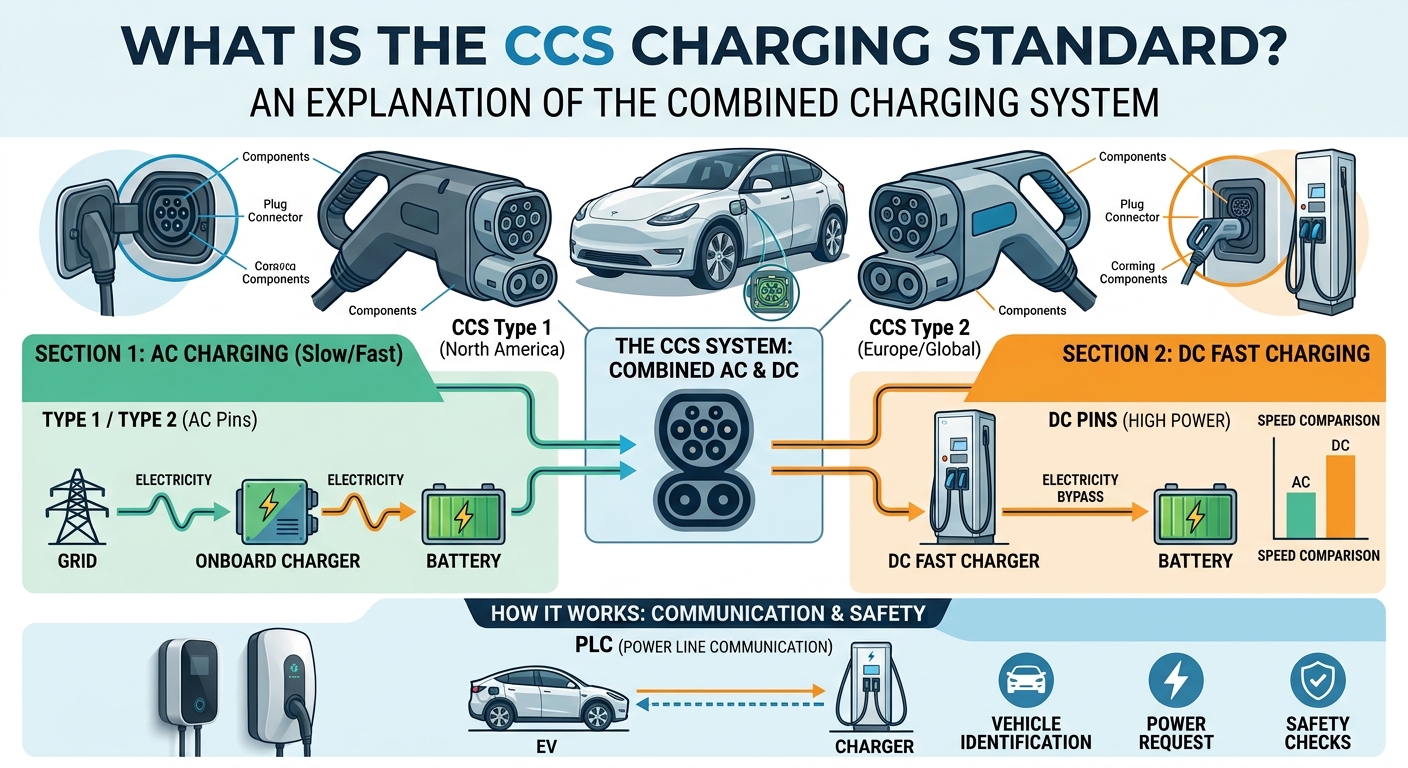
Conversion Losses: Every electric vehicle experiences minor energy loss (conversion overhead) when transforming alternating current (AC) from your house into direct current (DC) for the battery pack.
-
Longer Runtime Penalty: Because Level 1 takes significantly longer to charge, your vehicle’s onboard computers, pumps, and thermal management cooling systems stay active for many more hours. This extended runtime burns phantom energy, meaning you pay for electricity that is lost as thermal heat rather than stored power. Level 2 completes the cycle quickly and efficiently.
5. Home Resale Value and Future-Proofing
Installing a 240V circuit is not just an accessory purchase; it is a permanent home infrastructure upgrade. As electric vehicle adoption accelerates globally, modern buyers increasingly look for homes with pre-installed EV charging infrastructure. Having a clean, professional Level 2 setup adds tangible value and appeal to your property if you ever decide to sell.
For more comprehensive guidance on home safety evaluations, equipment reviews, and budget planning, visit our resource hub at EV Charger Advisor.
Summary: Is It Worth It for You?
-
Skip Level 2 if: You drive very few miles weekly, own a plug-in hybrid with a small battery pack, or rent a temporary home where upgrades aren’t feasible.
-
Invest in Level 2 if: You own a full battery electric vehicle, want peace of mind, demand fast overnight turnaround times, and want to capitalize on cheap off-peak utility rates.





Leave a Reply