
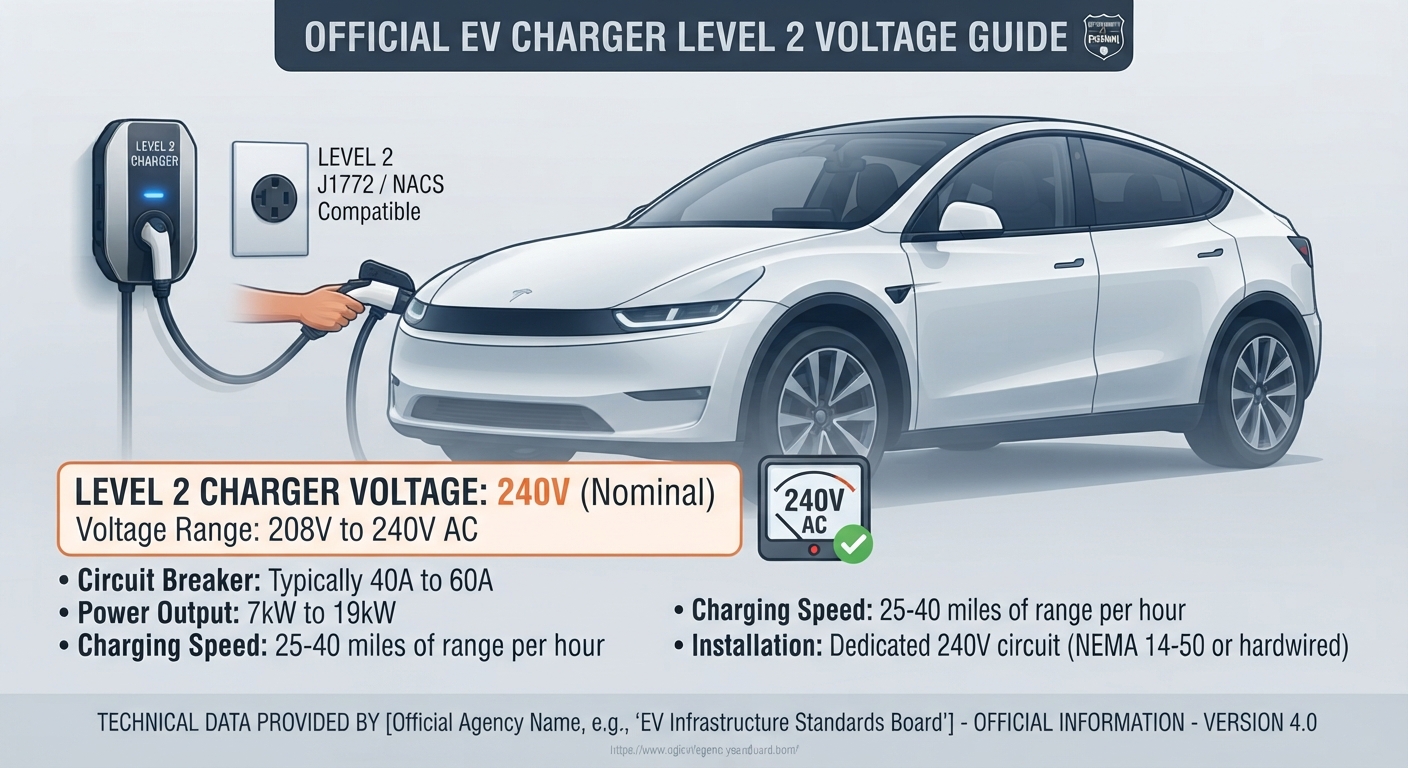
When transitioning to electric vehicle (EV) ownership, understanding the technical specifications of your home charging equipment is essential for safety, efficiency, and infrastructure planning. To answer your question directly: A Level 2 electric vehicle (EV) charger operates on a 208-volt to 240-volt alternating current (AC) power supply.
Unlike standard household outlets that deliver slow 120V power, a Level 2 setup utilizes double the voltage—similar to heavy-duty residential appliances like electric clothes dryers, ovens, or central air conditioning units. This higher voltage capacity enables significantly faster charging speeds, drastically reducing the time required to replenish your vehicle’s battery pack from empty to full.
In this comprehensive guide, we will explore the engineering behind 208V and 240V systems, how they interact with residential and commercial grids, what electrical components are required for installation, and how voltage directly influences your daily driving routine.
1. The Core Specifications: 208V vs. 240V AC Power
To fully grasp how Level 2 equipment functions, it helps to understand the difference between the two primary voltage tiers utilized in North American and international electrical grids:
-
240-Volt Power (Standard Residential): The vast majority of single-family residential homes in North America are serviced by split-phase electrical service, which delivers 240V AC to heavy-duty appliances. A residential Level 2 EV charger taps directly into this dual-phase circuit using a dedicated breaker.
-
208-Volt Power (Commercial & Multi-Family): Commercial buildings, apartment complexes, condominiums, and some industrial or multi-tenant facilities typically utilize three-phase electrical systems that output 208V AC. Level 2 EV chargers are universally designed to accommodate both 208V and 240V systems, automatically adjusting to the incoming supply voltage.
While a 208V supply delivers slightly less raw wattage than a 240V supply at the same amperage rating, both fall securely under the “Level 2” classification and provide vastly superior performance compared to standard Level 1 wall plugs. To understand how these power deliveries fit into the broader spectrum of equipment, read more about various charging types.
2. Why Voltage Matters: Speed, Power, and Efficiency
The primary reason for upgrading to a 208V/240V charging station is the exponential increase in power delivery (measured in kilowatts, or kW). Power is calculated by multiplying voltage by amperage ($\text{Volts} \times \text{Amps} = \text{Watts}$).
-
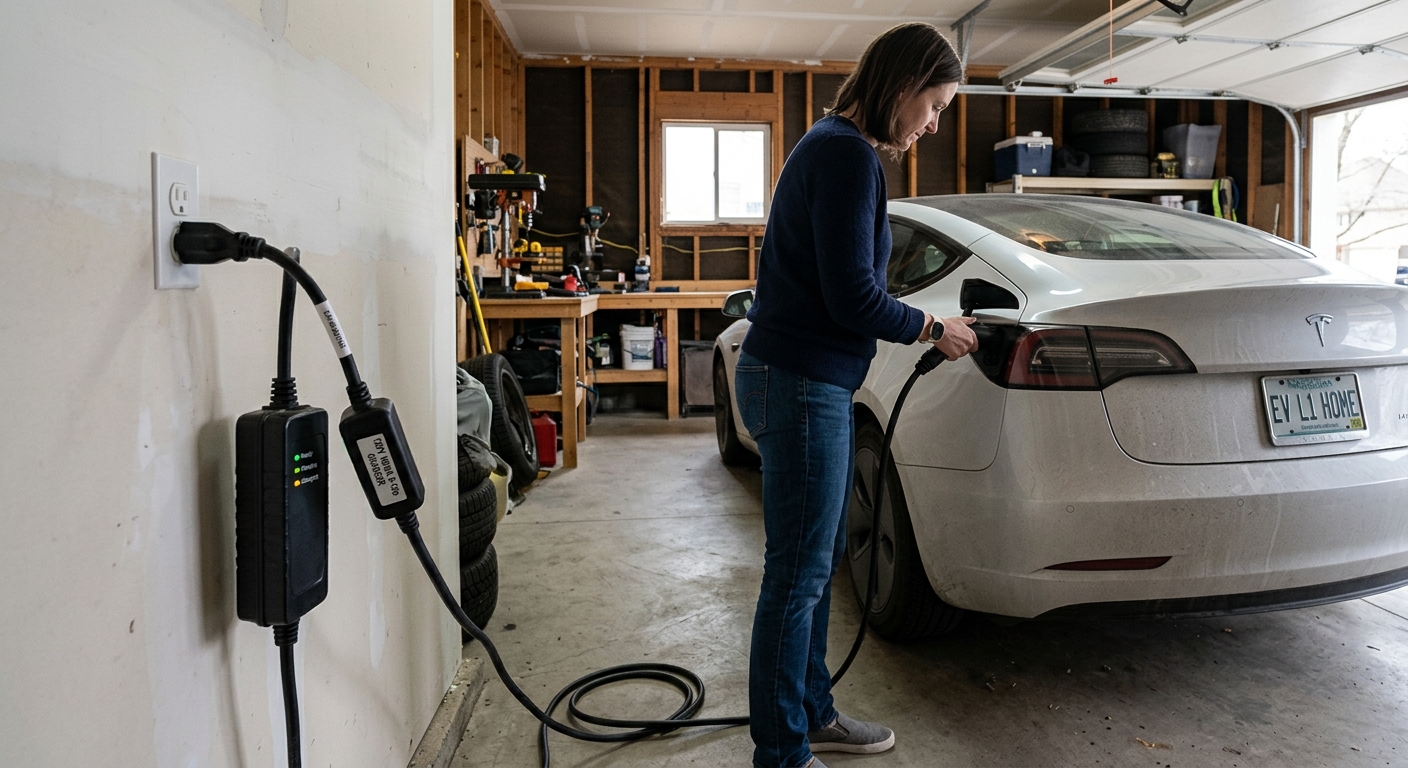
Level 1 (120V): Typically draws 12 to 16 amps, delivering roughly 1.4 kW to 1.9 kW of power. This results in a sluggish 2 to 5 miles of range added per hour.
-
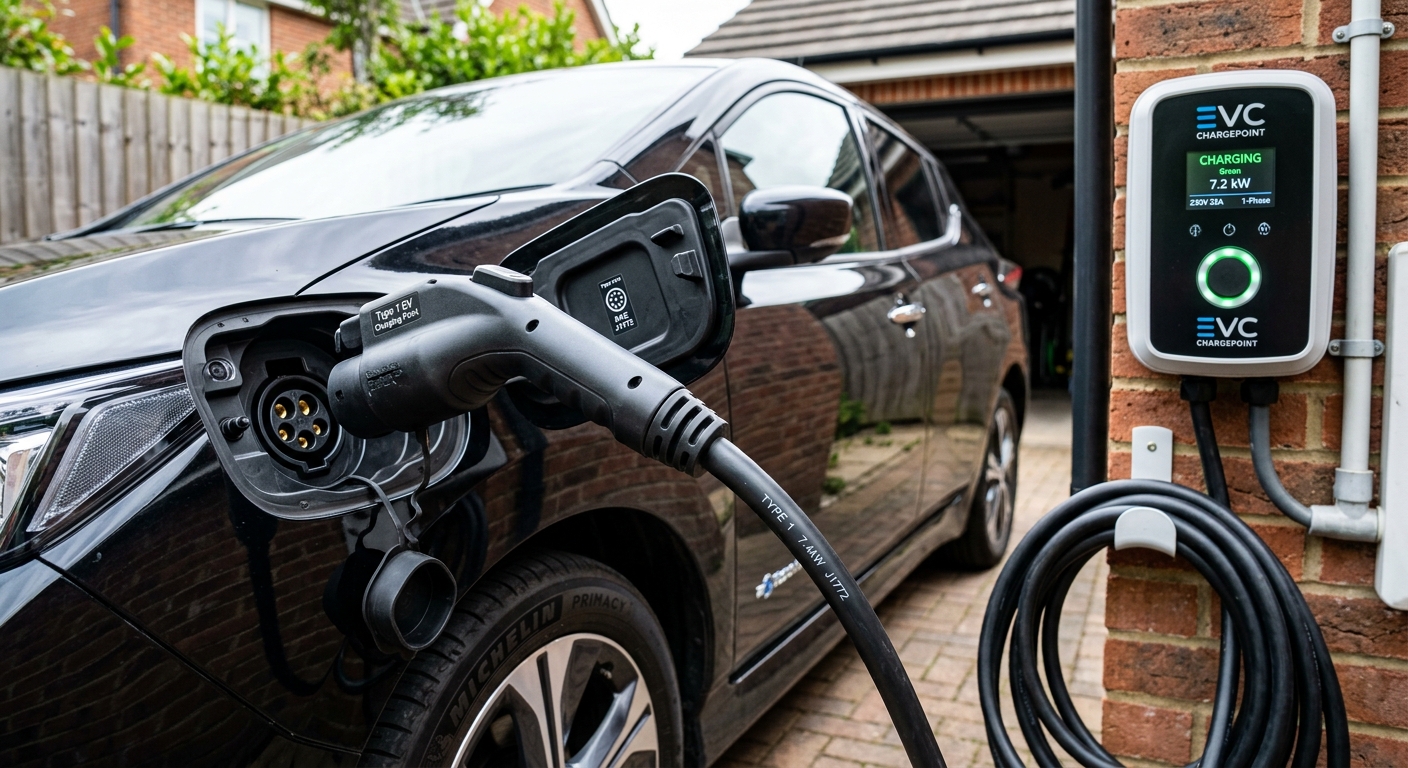
Level 2 (240V): Commonly draws 32 to 40 amps (and up to 48 or 80 amps in high-end configurations), delivering anywhere from 7 kW to 19.2 kW of power. This translates to an impressive 20 to 40+ miles of range per hour, filling an entire EV battery overnight.
Furthermore, higher-voltage charging operates at a superior thermodynamic efficiency. Because your EV’s onboard battery thermal management system, computer modules, and power conversion inverters run for a much shorter duration, overall energy conversion losses drop significantly, saving you money on wasted electricity over time.
3. Electrical Infrastructure and Installation Requirements
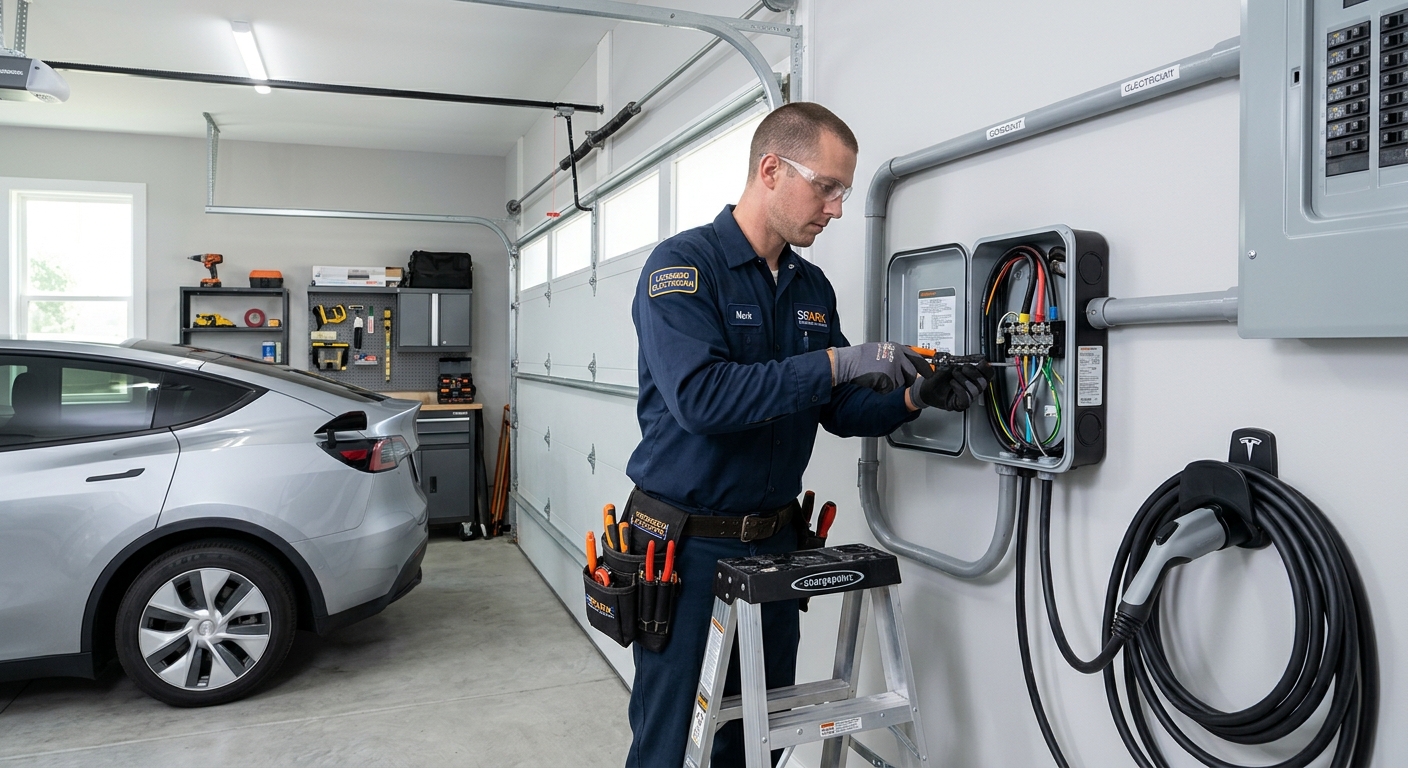
Installing a 208V/240V Level 2 charger requires specialized electrical work. Because it draws significantly more continuous current than standard household electronics, you cannot simply plug it into a regular wall socket. Key installation requirements include:
-
Dedicated Circuit: A dedicated 240-volt breaker must be installed in your main electrical panel, completely isolated from other household circuits to prevent overloads.
-
Heavy-Duty Wiring: Electricians use thick gauge copper wiring (typically 6 AWG or 8 AWG) enclosed in protective conduit to safely handle the high current flow over distances from your panel to the charger location.
-
NEMA Outlets or Hardwired Units: Many homeowners install a heavy-duty receptacle (such as a NEMA 14-50 outlet, similar to an RV or range plug) or choose a hardwired unit permanently connected to the breaker for maximum weather resistance and safety.
Modern residential setups often integrate smart energy monitoring software to manage these high loads safely. You can explore advanced configuration options through our guide on smart home EV solutions.
4. Cost Implications and Long-Term Value
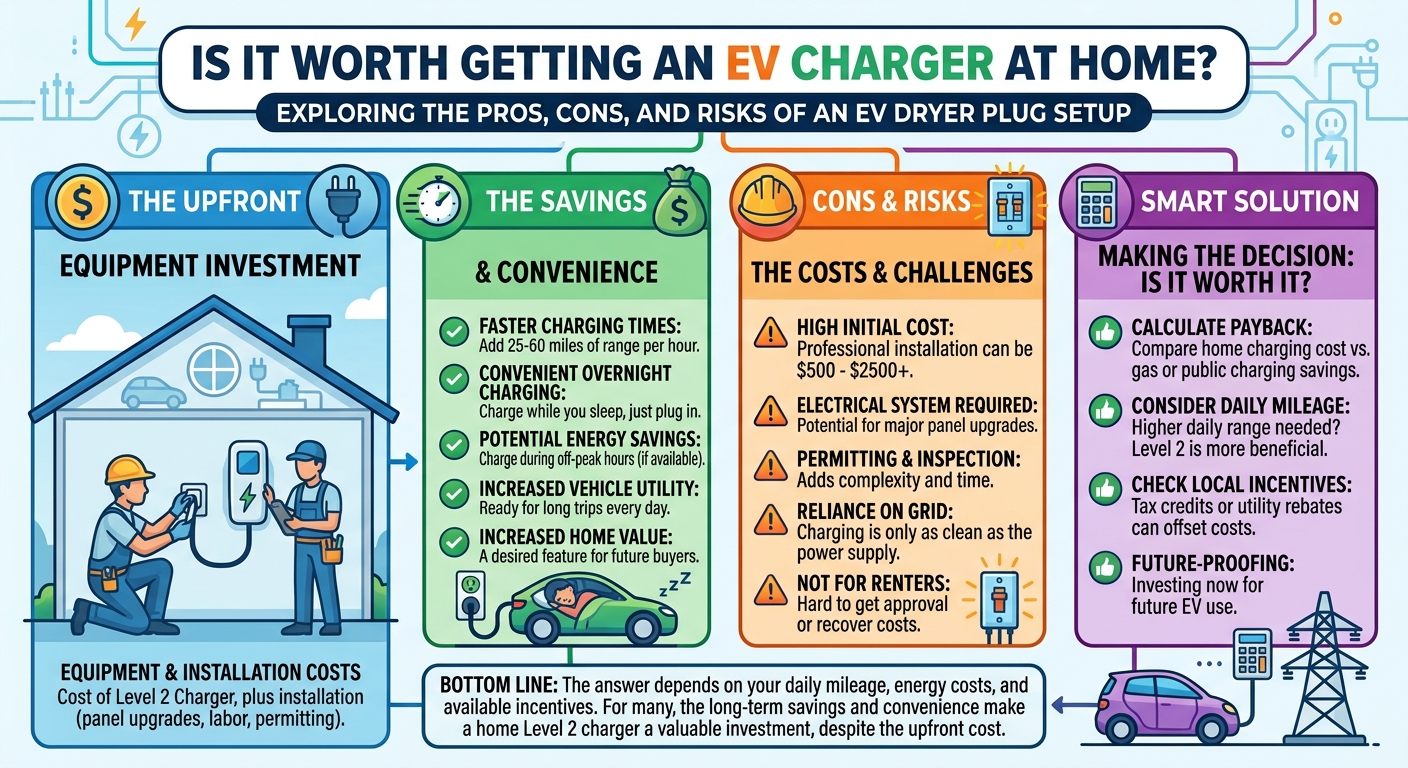
While upgrading your home electrical system to support a 208V/240V circuit involves upfront costs—ranging from $500 to over $2,000 depending on panel capacity and wiring distance—the long-term financial and practical benefits are immense:
-
Off-Peak Utility Savings: Because a Level 2 charger can fully replenish a vehicle in 4 to 8 hours, you can easily schedule your charging sessions during late-night hours when utility companies offer heavily discounted Time-of-Use (TOU) electricity rates.
-
Property Value & Convenience: Having a dedicated 240V EV charging station adds modern functional value to your property while eliminating range anxiety for daily commuters.
If you are evaluating your overall budget, home safety requirements, and long-term savings potential, check out our core insights and recommendations at EV Charger Advisor.
Summary: What You Need to Know
-
A Level 2 EV charger operates on 208V to 240V AC power, utilizing a dedicated dual-phase residential circuit or commercial three-phase supply.
-
It delivers 4 to 10 times the power of a standard 120V wall outlet, adding 20 to 40 miles of range per hour.
-
Professional installation by a licensed electrician using heavy-duty wiring and a dedicated breaker is mandatory to ensure safety and compliance with local electrical codes.





Leave a Reply