
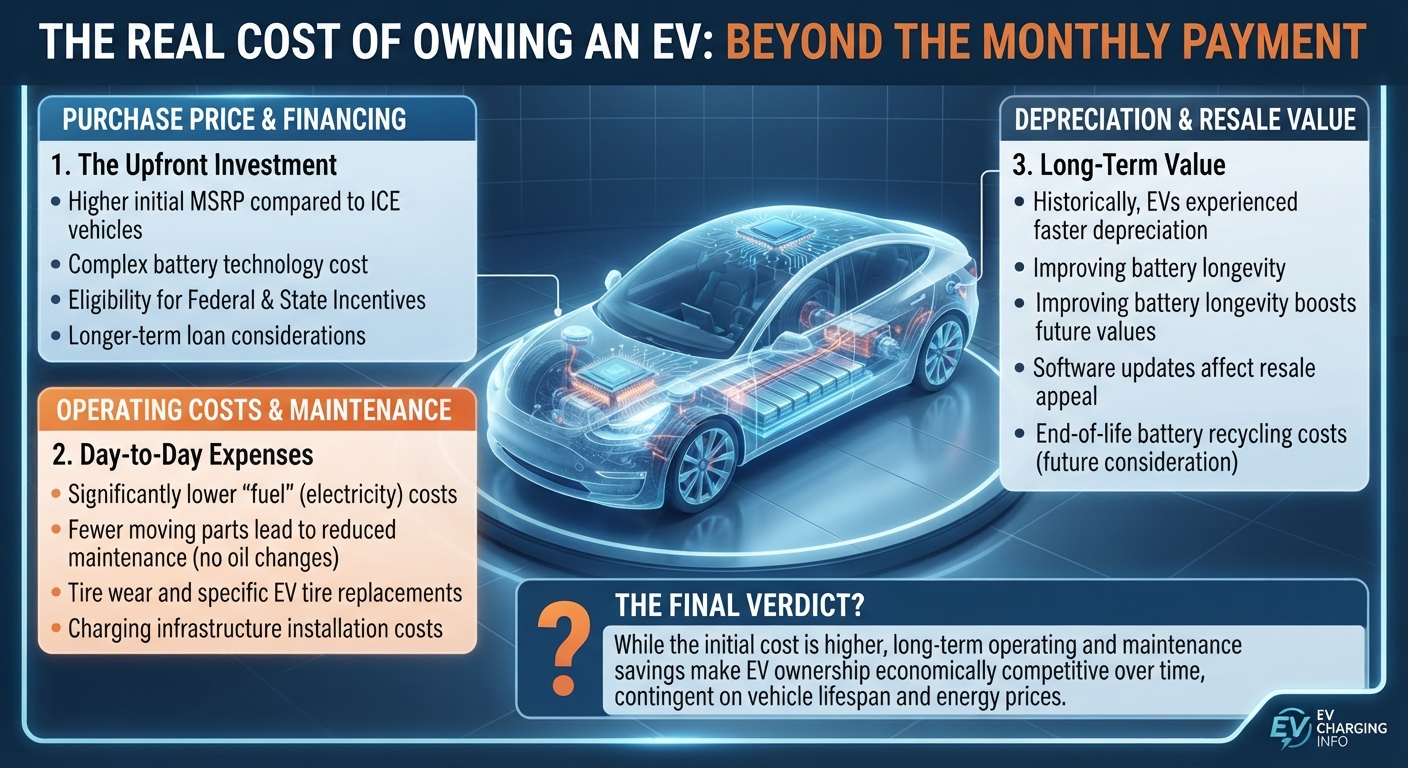
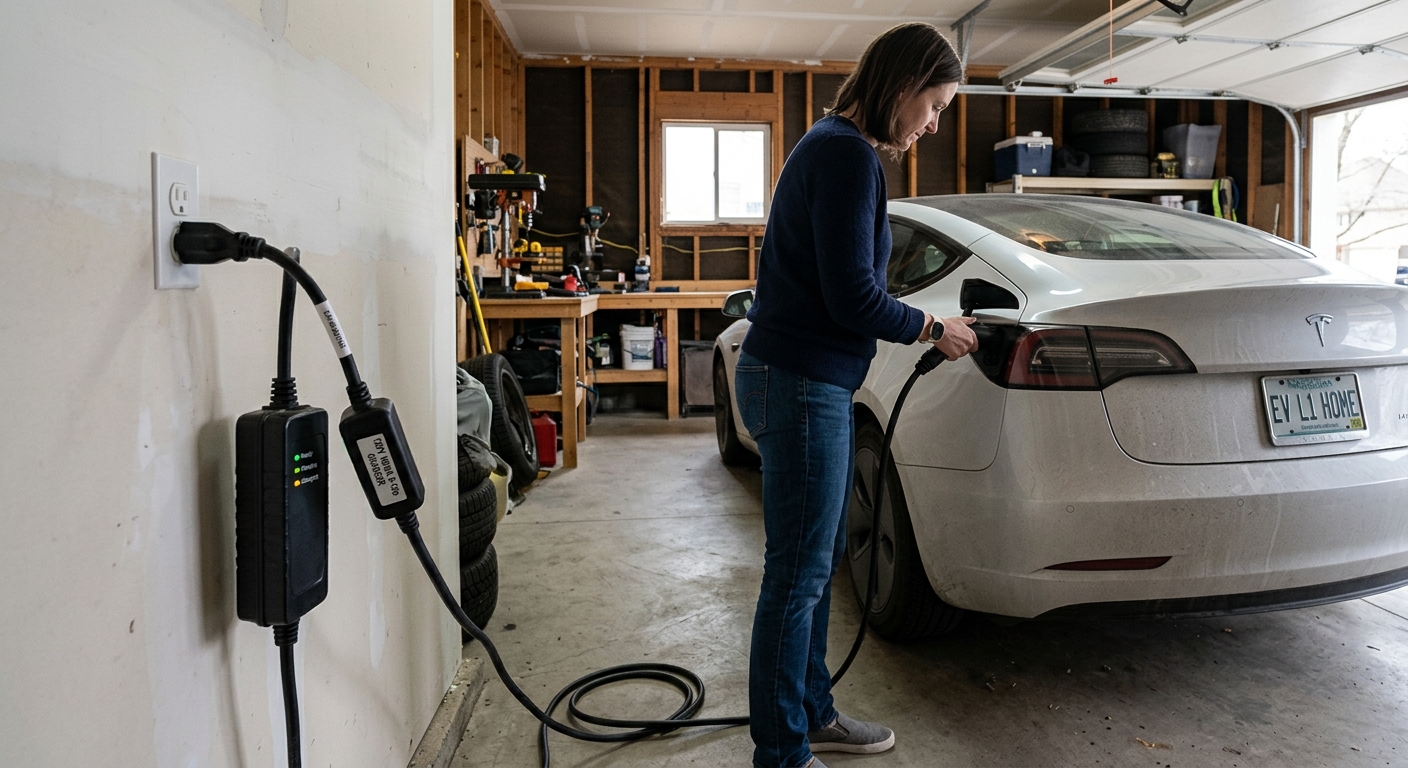
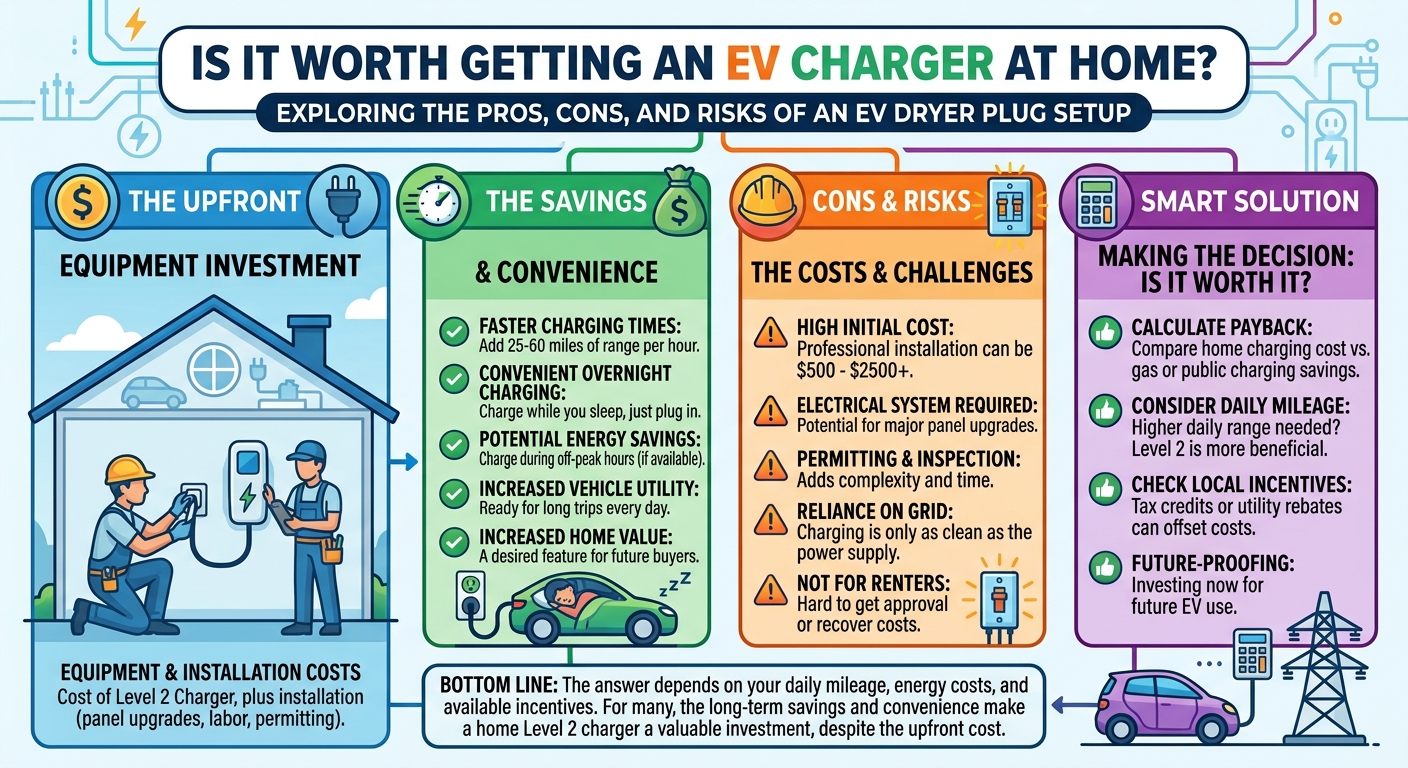
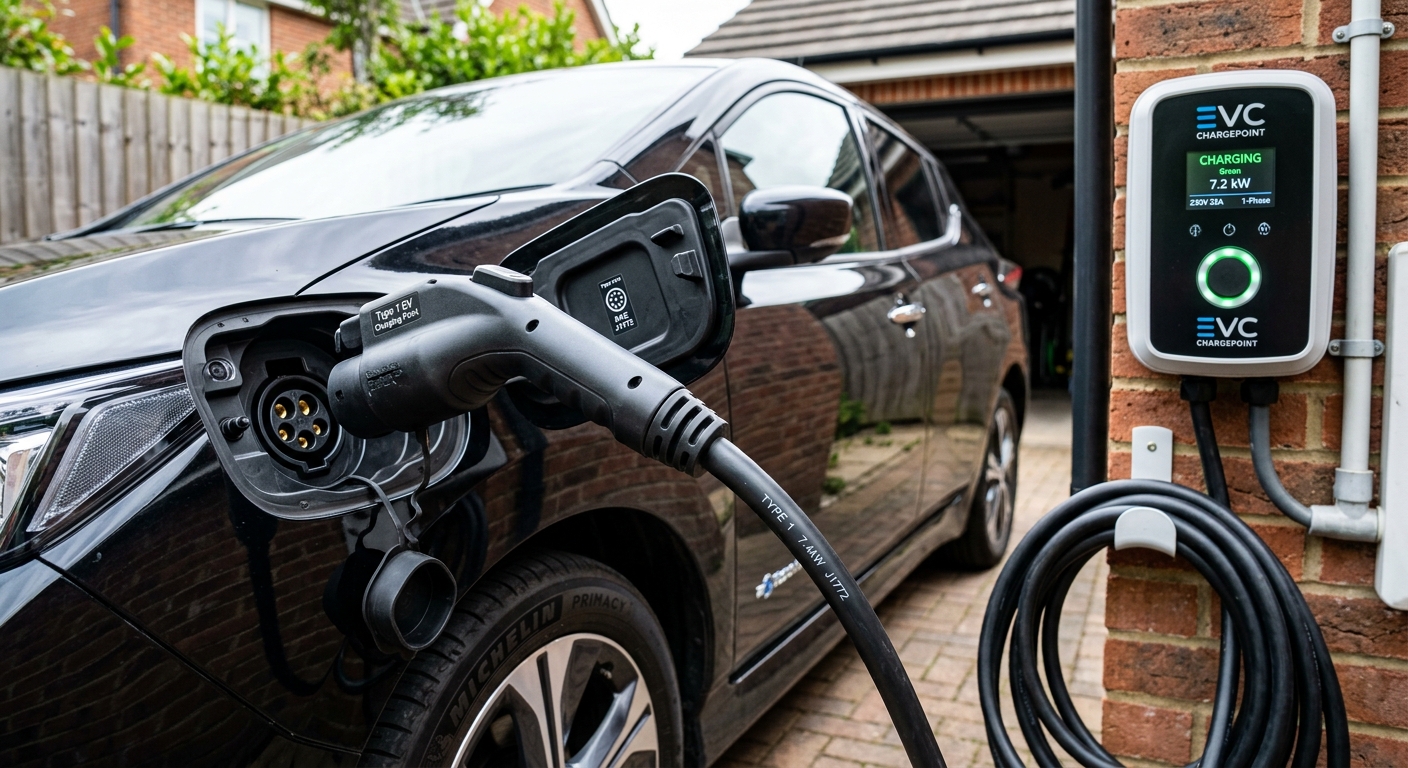
Transitioning from a standard household outlet to a dedicated residential charging station is one of the most impactful upgrades an electric vehicle owner can make. If you are wondering about the actual performance of these systems, the direct answer is clear: A Level 2 EV charger typically adds 20 to 40 miles of range per hour and takes 4 to 10 hours to fully charge an empty electric vehicle battery.
Compared to slow Level 1 wall plugs that take days to replenish a modern battery pack, Level 2 technology transforms your garage into a high-speed fueling hub. However, actual charging speeds vary depending on your vehicle’s specifications, amperage ratings, and home electrical capacity.
Here is an extensive, in-depth breakdown of everything you need to know about Level 2 EV charging speeds, hardware types, and factors that influence your daily routine.
1. Understanding Level 2 Charging Speeds (Range Per Hour)
The primary reason drivers upgrade to a 240-volt home charging setup is the massive leap in power delivery. While standard outlets crawl at a sluggish pace, Level 2 chargers operate on higher voltage circuits (similar to a heavy-duty electric clothes dryer or stove) to push energy safely and rapidly into your vehicle.
-
Standard Home Units (32-Amp to 40-Amp): Most residential installations fall into the 32-amp (approx. 7.7 kW) to 40-amp (approx. 9.6 kW) range. These units reliably deliver 20 to 30 miles of driving range for every single hour plugged in. This is more than enough to cover an average week of commuting in just one or two evening top-ups.
-
High-Output Units (48-Amp to 50-Amp+): For drivers with larger battery packs or those who want maximum speed, 48-amp hardwired units can deliver up to 11.5 kW of power, pushing range addition rates to 35 to 40 miles per hour.
To explore which equipment tier matches your home power infrastructure best, check out our core insights at EV Charger Advisor.
2. Full Battery Recharges: Breaking Down the 4 to 10 Hour Window
When looking at a complete 0% to 100% recharge cycle, the time required depends almost entirely on the physical size of your electric vehicle’s battery pack (measured in kilowatt-hours, or kWh):
-
Compact Cars and Plug-in Hybrids (30 kWh – 50 kWh): Vehicles with smaller battery packs, such as standard commuter hatchbacks or long-range PHEVs, can easily achieve a full zero-to-hero charge in just 3 to 5 hours on a standard Level 2 setup.
-
Standard Sedans and Mid-Size SUVs (60 kWh – 75 kWh): Popular models like the Tesla Model 3, Model Y, or Hyundai Ioniq 5 usually take between 6 to 8 hours to fully replenish from near-empty. This fits neatly into normal overnight sleeping windows.
-
Large SUVs and Electric Trucks (100 kWh – 130+ kWh): Heavy-duty trucks and large luxury electric SUVs pack massive energy reservoirs. These vehicles generally require 9 to 13+ hours for a complete 100% charge, making overnight scheduling essential.
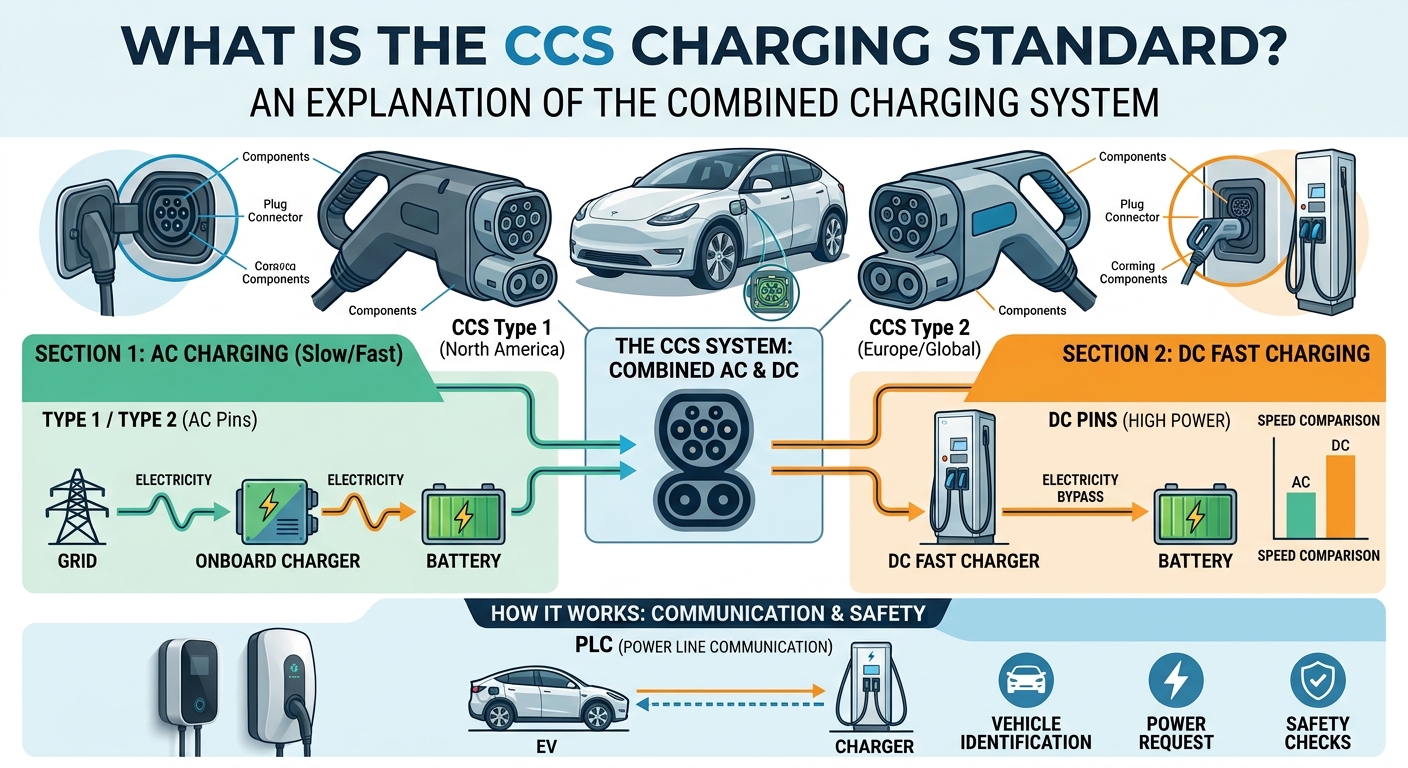
To understand how these power deliveries fit into residential configurations, read more about various charging types.
3. The Three Major Bottlenecks Limiting Your Charging Speed
Even if you install the most powerful commercial-grade home charger available, your car will not always charge at maximum velocity. Real-world speeds are dictated by three primary constraints:
-
The Vehicle’s Onboard Charger (OBC) Limit: Every electric vehicle features an internal inverter that converts AC power from your wall into DC power for the battery. If your car’s onboard charger maxes out at 7.7 kW (32 amps), installing a 48-amp charger will not make your car charge any faster. The vehicle will simply take what it can handle.
-
Circuit Breaker and Amperage Constraints: Your home electrical panel must support the continuous load. A 40-amp charger requires a dedicated 50-amp circuit breaker, while a 48-amp charger requires a 60-amp circuit. If your panel lacks capacity, an electrician may need to install an energy management system or upgrade your service.
-
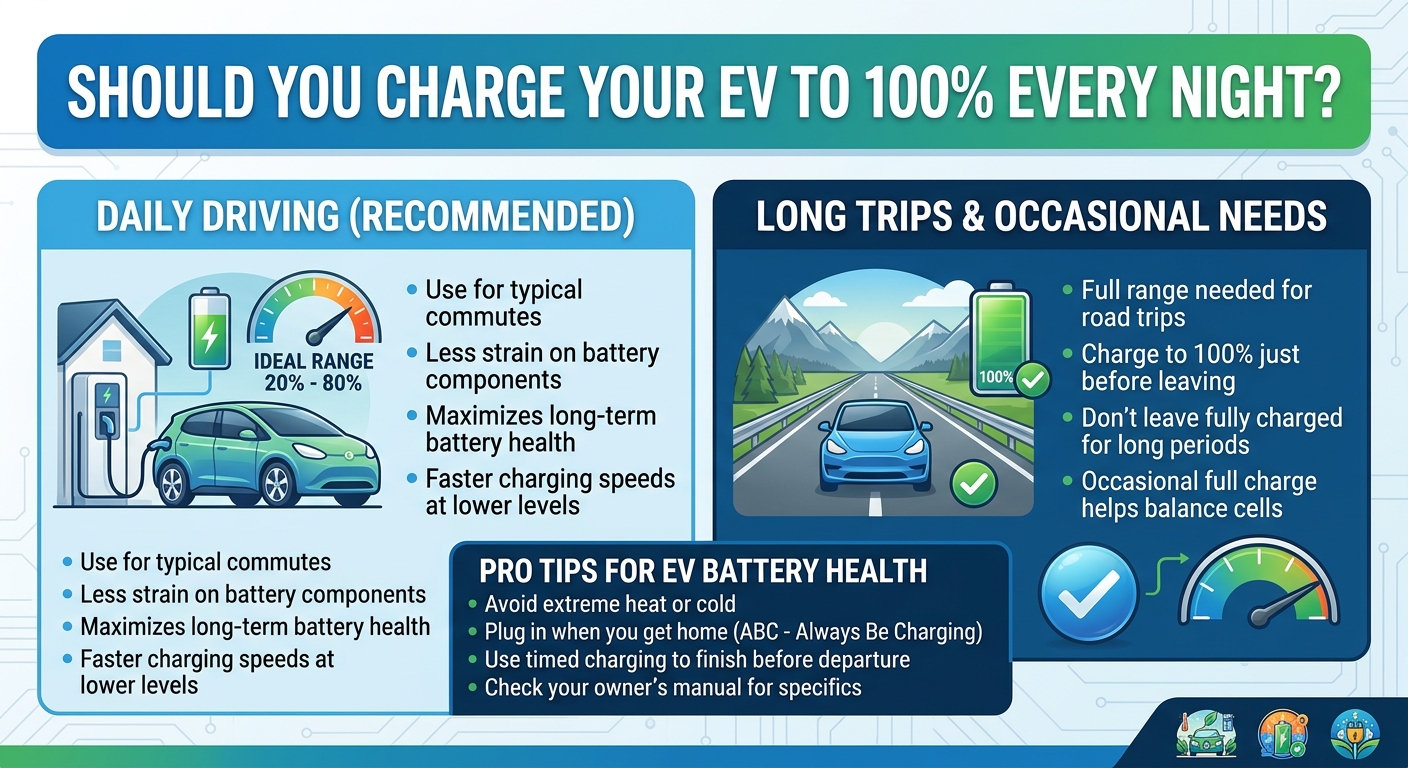
Environmental and Thermal Management: Extreme temperatures—both freezing winter cold and blistering summer heat—force the vehicle’s battery management system to throttle charging speeds initially to protect cell longevity and prevent degradation.
To manage your energy consumption and automate routines during cheap utility windows, review our guide on smart home EV solutions.
4. Maximizing Efficiency and Cost Savings
Speed is only part of the equation; cost efficiency is equally critical. Because Level 2 chargers cut charging durations down drastically, they allow you to take full advantage of Time-of-Use (TOU) electricity rates.
By programming your car or smart charger to activate only during late-night off-peak hours (typically between 11 PM and 6 AM) when utility rates drop significantly, you minimize your monthly electricity bills while ensuring your vehicle wakes up with a 100% charge every single morning.
Summary: What You Need to Know
-
Range Output: Expect 20 to 40 miles of range per hour depending on your charger’s amperage and your car’s acceptance rate.
-
Total Duration: Most everyday electric vehicles fully recharge from empty in 4 to 10 hours.
-
Key Advice: Always check your vehicle’s onboard charger limit before purchasing high-amperage home hardware to avoid paying for electrical capacity your car cannot utilize.





Leave a Reply