
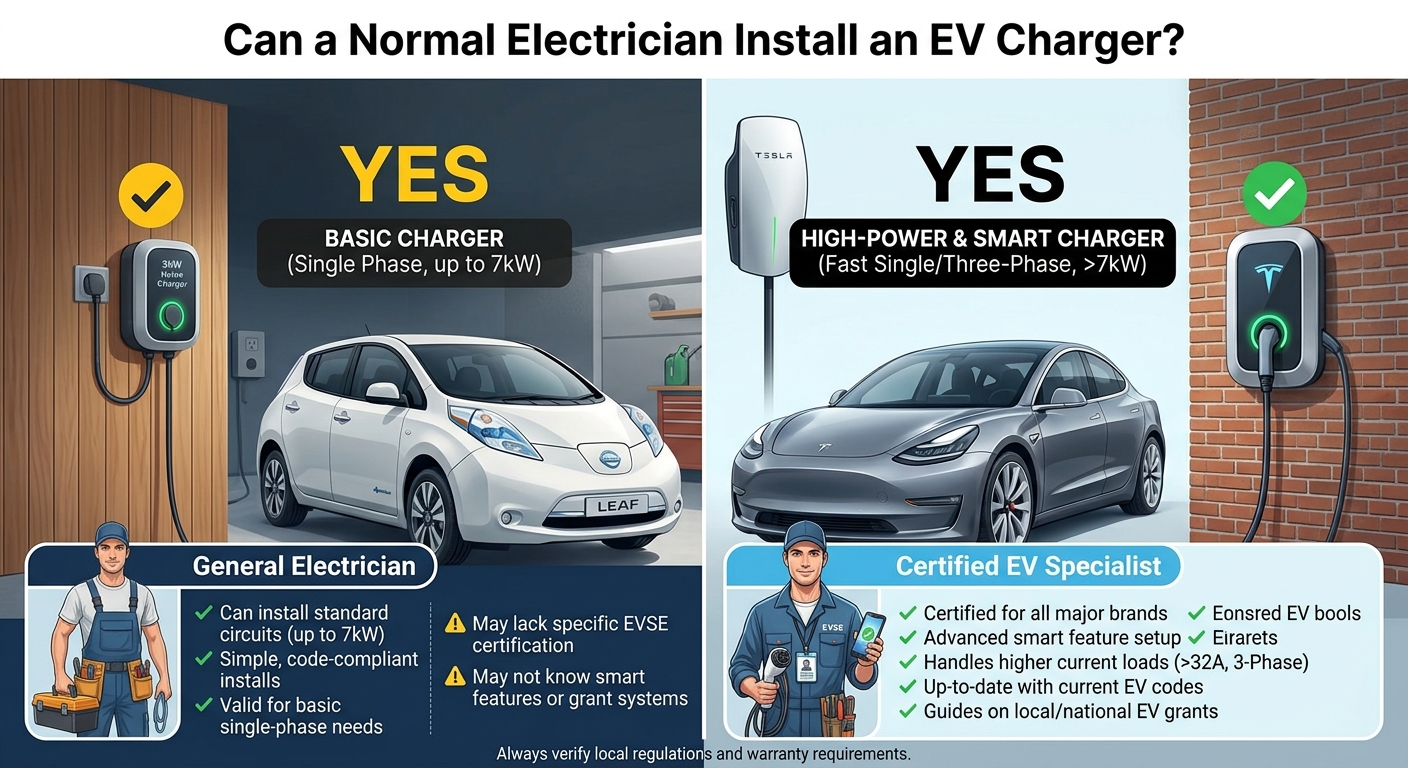
When transitioning to electric vehicle ownership, one of the most exciting upgrades you can make to your property is installing a dedicated home charging station. However, homeowners quickly realize that plugging into a standard wall outlet is too slow, prompting the need for a professional installation. This leads to a very common and critical question: Can any neighborhood electrician handle the job, or do you need a specialized contractor? To answer directly: Yes, a normal or general qualified electrician can technically wire and install a home EV charger, provided they are licensed, certified, and understand local electrical codes.
While residential EV chargers (specifically Level 2 units operating on 240-volt circuits) do not necessarily require a space-program specialist, they do demand a high level of electrical competency. An EV charger acts like a heavy-duty appliance—similar to an electric clothes dryer or an oven—drawing continuous high amperage for hours at a time. Therefore, hiring a competent licensed professional who understands load calculations, thermal dynamics, and National Electrical Code (NEC) standards is non-negotiable for safety.
Here is an extensive, comprehensive 2000-word guide detailing what a general electrician can do, when you might need specialized expertise, what the installation process involves, and why DIY attempts or hiring unlicensed handymen can lead to catastrophic failure.
1. The Role of a General Licensed Electrician in EV Charger Installations
Can a standard, everyday residential electrician install your home EV charging station? In the vast majority of cases, the answer is a resounding yes. Licensed residential electricians spend years mastering household wiring, circuit breaker panels, grounding techniques, and safety protocols.
-
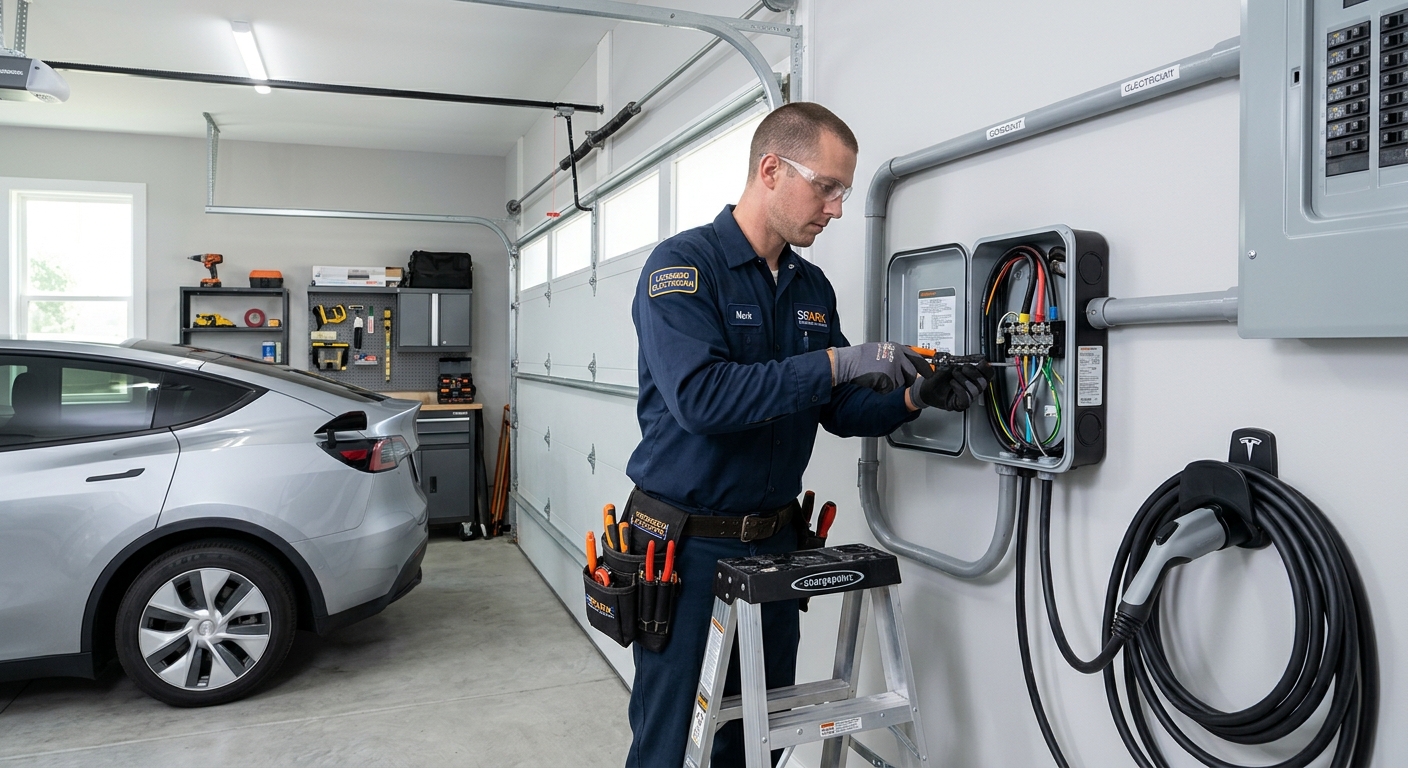
Core Competencies: A standard licensed electrician is fully equipped to run heavy-gauge copper wiring from your electrical panel, install a dedicated 240-volt breaker, mount either a plug-in (NEMA 14-50) or hardwired EV charger unit to your garage wall, and ensure everything complies with municipal permitting laws.
-
The Appliance Analogy: From a purely electrical wiring standpoint, a 40-amp or 50-amp Level 2 EV charger is very similar to other high-draw household appliances. If an electrician can safely wire a central air conditioner, a hot water heater, or an electric stove, they possess the foundational technical skills required for a standard home EV charger installation.
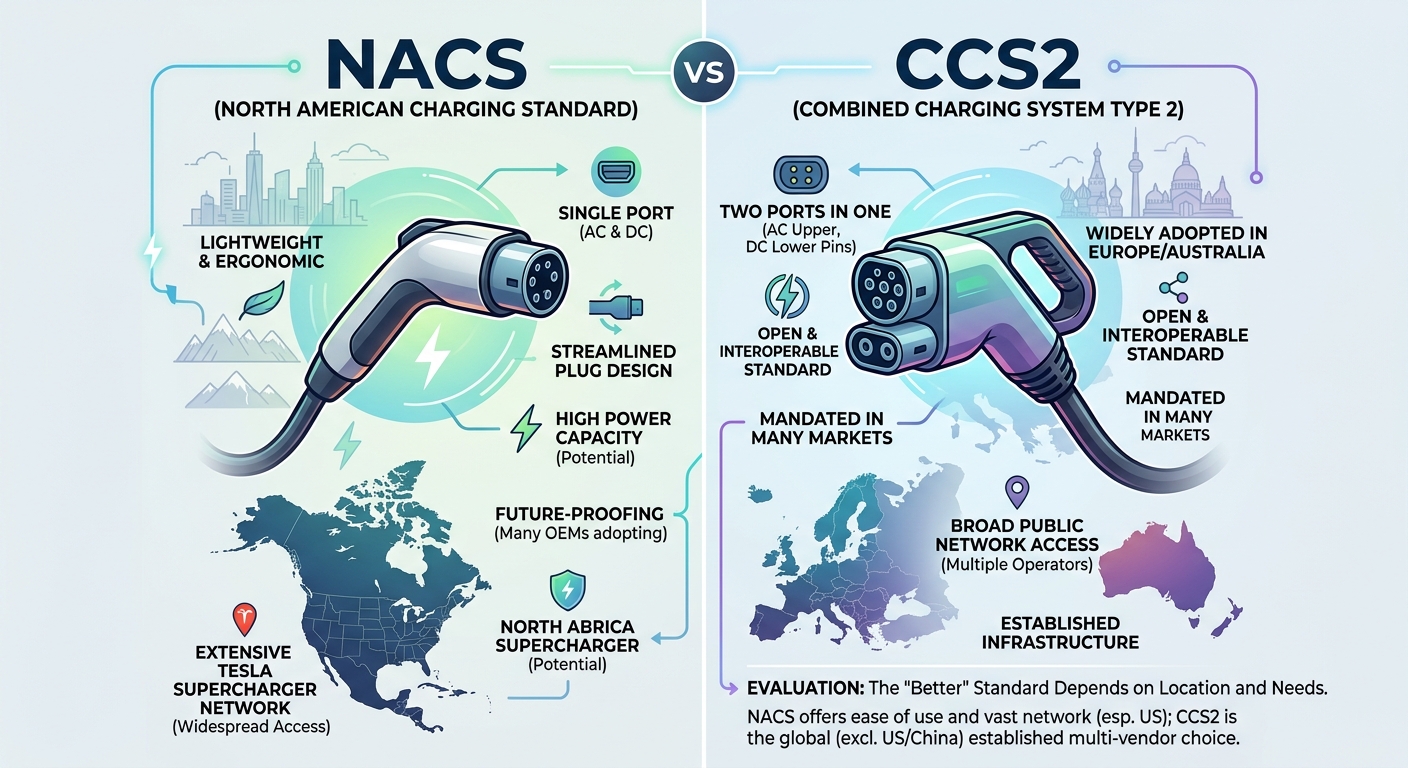
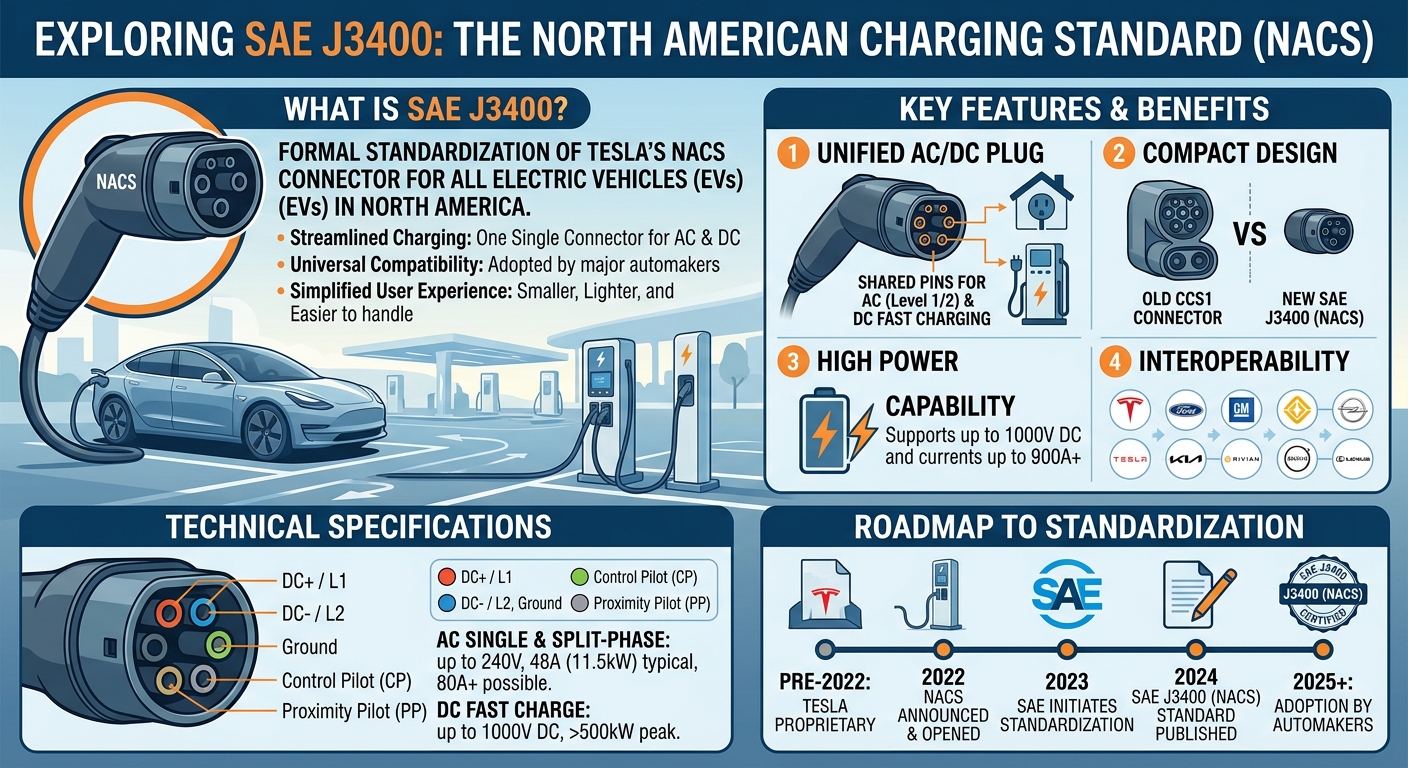
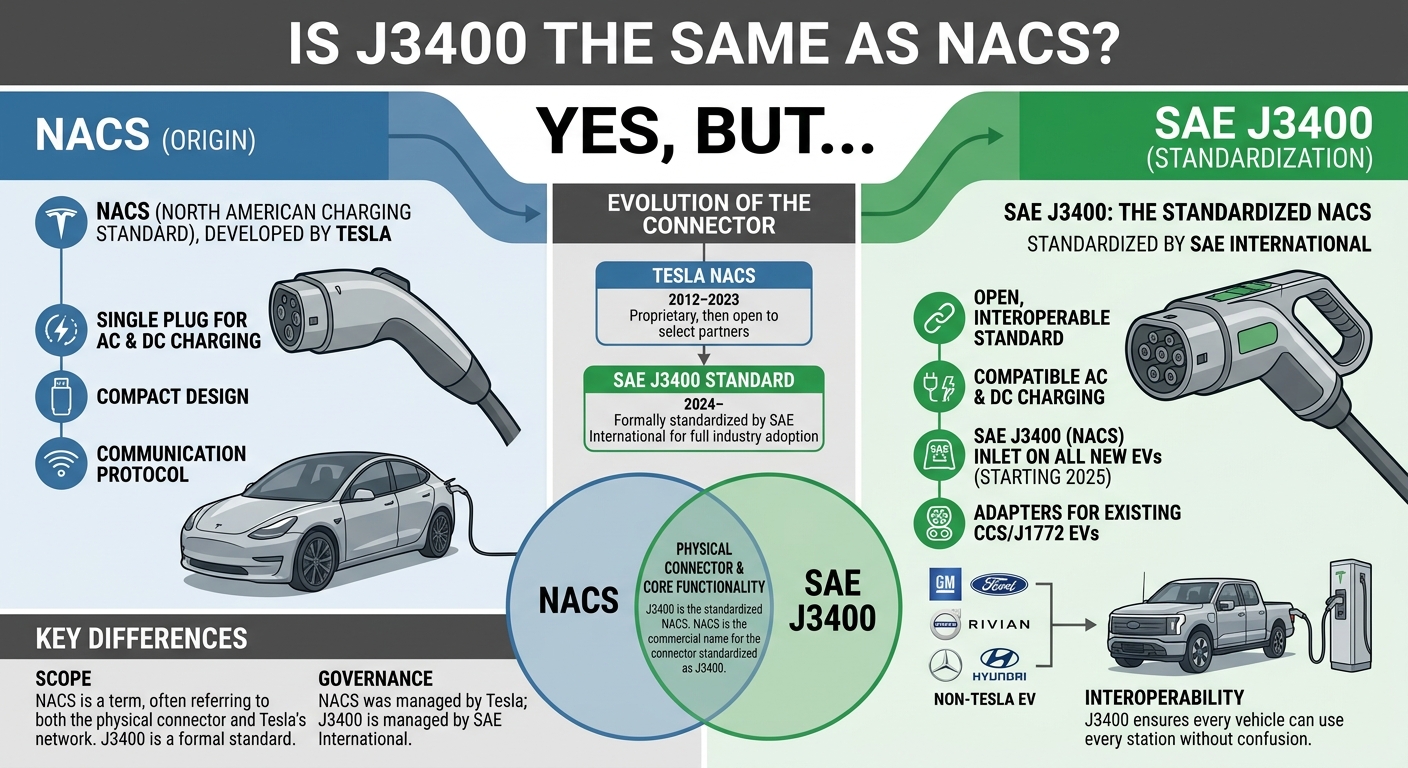
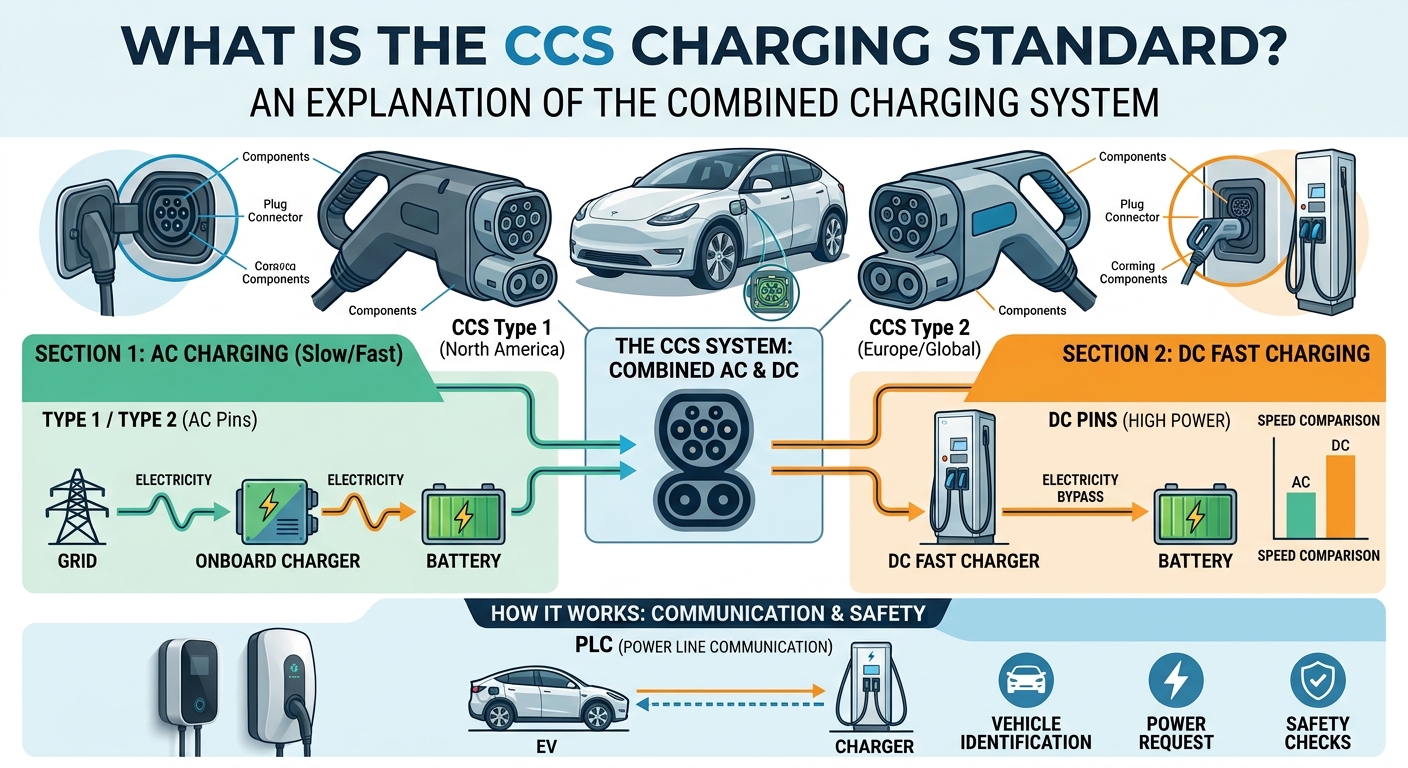
To explore how residential electrical setups compare to commercial public infrastructure and how to choose the right hardware, read our comprehensive overview on various charging types.
2. When a “Normal” Electrician Might Fall Short: Complex Scenarios
While a standard electrician can handle straightforward installations (such as running a line 10 feet from a modern electrical panel directly into a garage), certain properties present unique complications that require advanced planning, specialized knowledge, or utility coordination:
-
Electrical Panel Capacity Limits: Many older homes feature 100-amp or 125-amp electrical service panels. Adding a continuous 40-amp or 50-amp load to an already maxed-out panel can overload the system, tripping main breakers or creating severe fire hazards. A skilled electrician must perform a rigorous “Demand Load Calculation” (following NEC guidelines) to determine if your home requires a costly heavy-up service upgrade to 200 amps.
-
Smart Energy Management and Load Shedding: If a home’s electrical service cannot support an EV charger without a service upgrade, a standard electrician might not be familiar with advanced smart home energy management systems (EMS). These systems automatically throttle or pause EV charging when major household appliances (like HVAC systems or electric ovens) kick on.
-
Long Conduit Runs and Subpanels: If your garage or carport is detached from your main house, running underground conduit over long distances requires specialized trenching, depth compliance, weatherproofing, and sometimes the installation of a secondary electrical subpanel.
To learn more about how smart energy management systems optimize home power distribution, check out our guide on smart home EV solutions.
3. Hardwired vs. Plug-In Units: Why Professional Expertise Matters
Homeowners often debate whether to install a NEMA 14-50 receptacle (plug-in) or a hardwired EV charger. While a plug-in unit might seem simpler, an experienced electrician knows the hidden pitfalls associated with both configurations:
-
The Danger of Cheap Receptacles: Standard, off-the-shelf NEMA 14-50 outlets found at hardware stores are typically designed for RVs or electric ranges, which do not draw continuous maximum loads for 6 to 8 hours straight. EV charging creates sustained thermal stress. Unlicensed handymen or inexperienced electricians often use cheap residential-grade outlets, which frequently melt, char, or catch fire under continuous EV loads. A qualified electrician knows to install heavy-duty, industrial-grade copper receptacles (such as Hubbell or Bryant models) encased in robust metal boxes.
-
The Safety of Hardwiring: Most EV manufacturers and safety experts strongly recommend hardwiring high-amp chargers. Hardwiring eliminates a mechanical plug-and-socket failure point entirely, creating a permanent, weather-resistant, secure connection directly to the charger’s internal terminal block.
For additional safety insights, equipment pre-purchase checklists, and professional advisory resources, visit us at EV Charger Advisor.
4. The Step-by-Step Home EV Installation Process
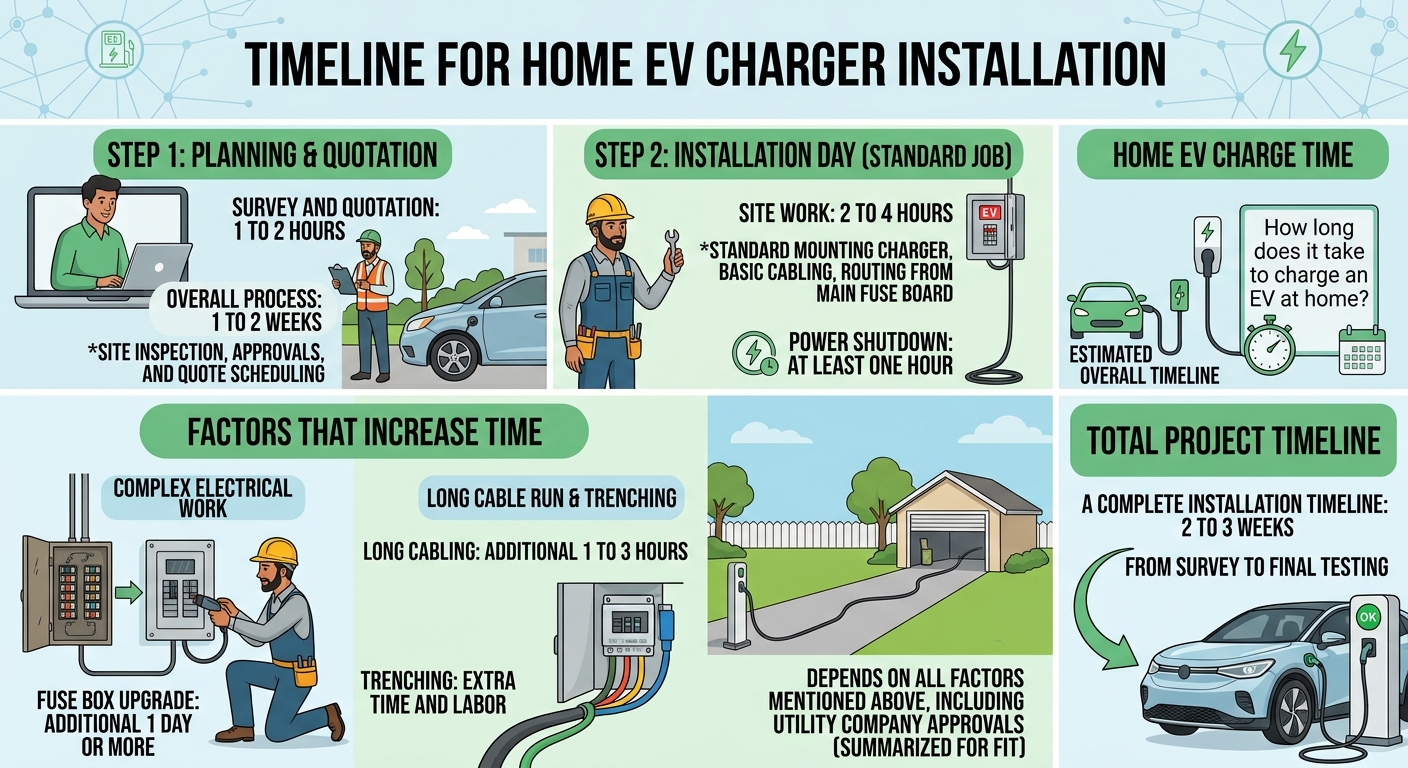
When you hire a qualified professional, a standard home EV charger installation typically follows a structured, safety-first workflow:
-
Initial Site Assessment & Load Calculation: The electrician evaluates your driving habits, vehicle charging specifications, current electrical panel capacity, and the physical distance between the panel and the desired mounting location.
-
Permitting and Code Compliance: Legitimate electrical work requires local municipal permits. A professional electrician pulls the necessary permits, ensuring the installation passes local code inspections and maintains your home insurance validity.
-
Circuit Protection and Wiring: The electrician installs a dedicated dual-pole circuit breaker matched to your charger’s amperage (e.g., a 50-amp breaker for a 40-amp charger), and runs appropriately sized THHN copper wires through protective conduit.
-
Mounting and Commissioning: The charger is securely mounted to wall studs or masonry, wired into the circuit, tested for correct grounding and voltage output, and configured via software (if it is a smart charger).
5. Why You Should Never DIY an EV Charger Installation
With countless tutorial videos available online, some homeowners are tempted to bypass professional labor costs and install EV chargers themselves. Doing so is extremely dangerous and ill-advised for several reasons:
-
Risk of Electrocution and Arc Flashes: Working inside a live residential electrical panel exposes you to lethal voltages. A single slip of a tool can cause an arc flash, resulting in severe burns, permanent injury, or death.
-
Insurance and Warranty Voiding: Most homeowner insurance policies have clauses denying coverage for fire damage caused by unpermitted or DIY electrical work. Furthermore, many EV charger manufacturers explicitly void their equipment warranties if the unit is not installed by a licensed electrician.
Summary: What to Look for When Hiring
-
Verify Licensing and Insurance: Always hire an electrician who is fully licensed, bonded, and insured in your specific state or municipality.
-
Ask About EV Experience: Ask the contractor how many home EV chargers they have successfully installed and whether they are familiar with local permitting offices and utility incentive rebate programs.





Leave a Reply