
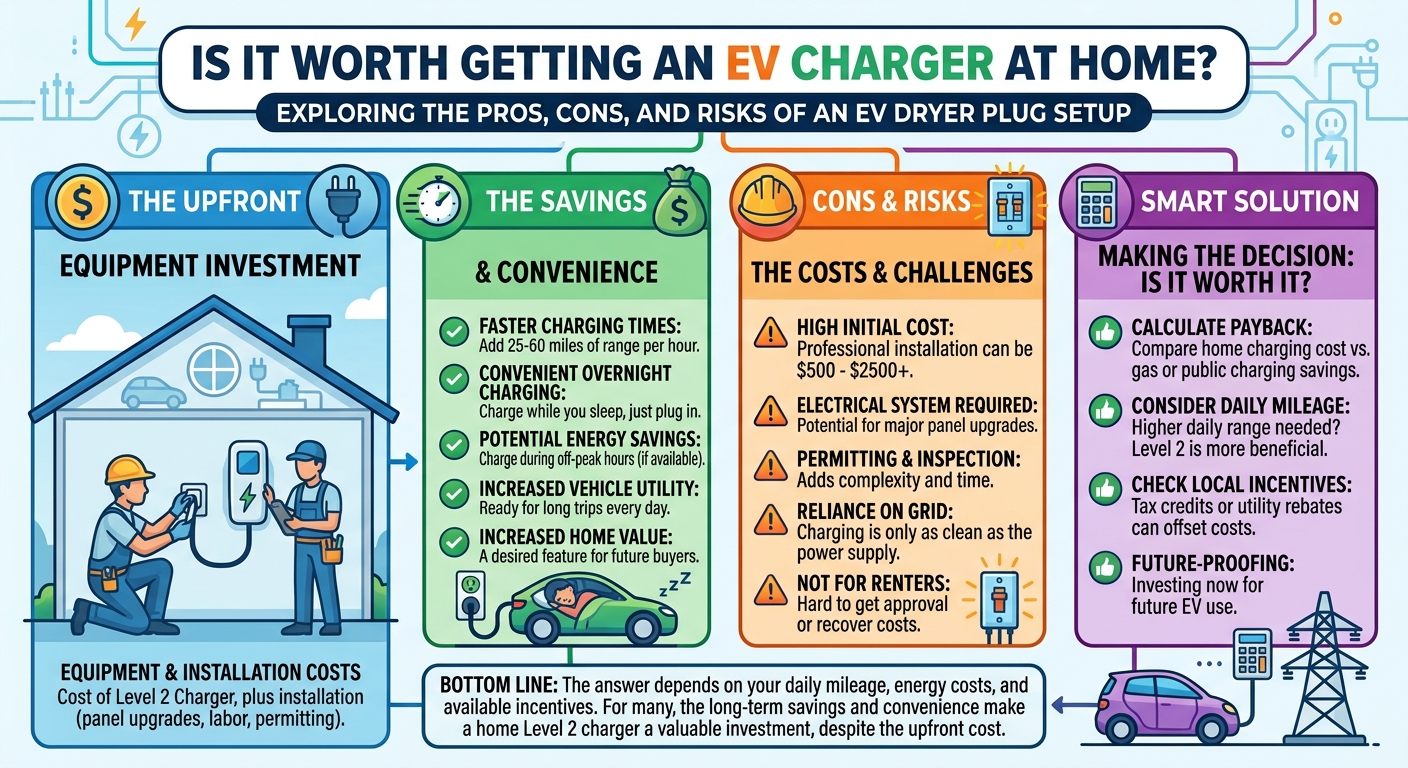
When transitioning to electric vehicle ownership, upgrading your home charging setup is one of the most impactful decisions you will make. To answer directly: Level 2 EV chargers are generally worth the investment for full electric vehicle owners who drive more than 30 to 40 miles daily or need fast overnight turnaround.
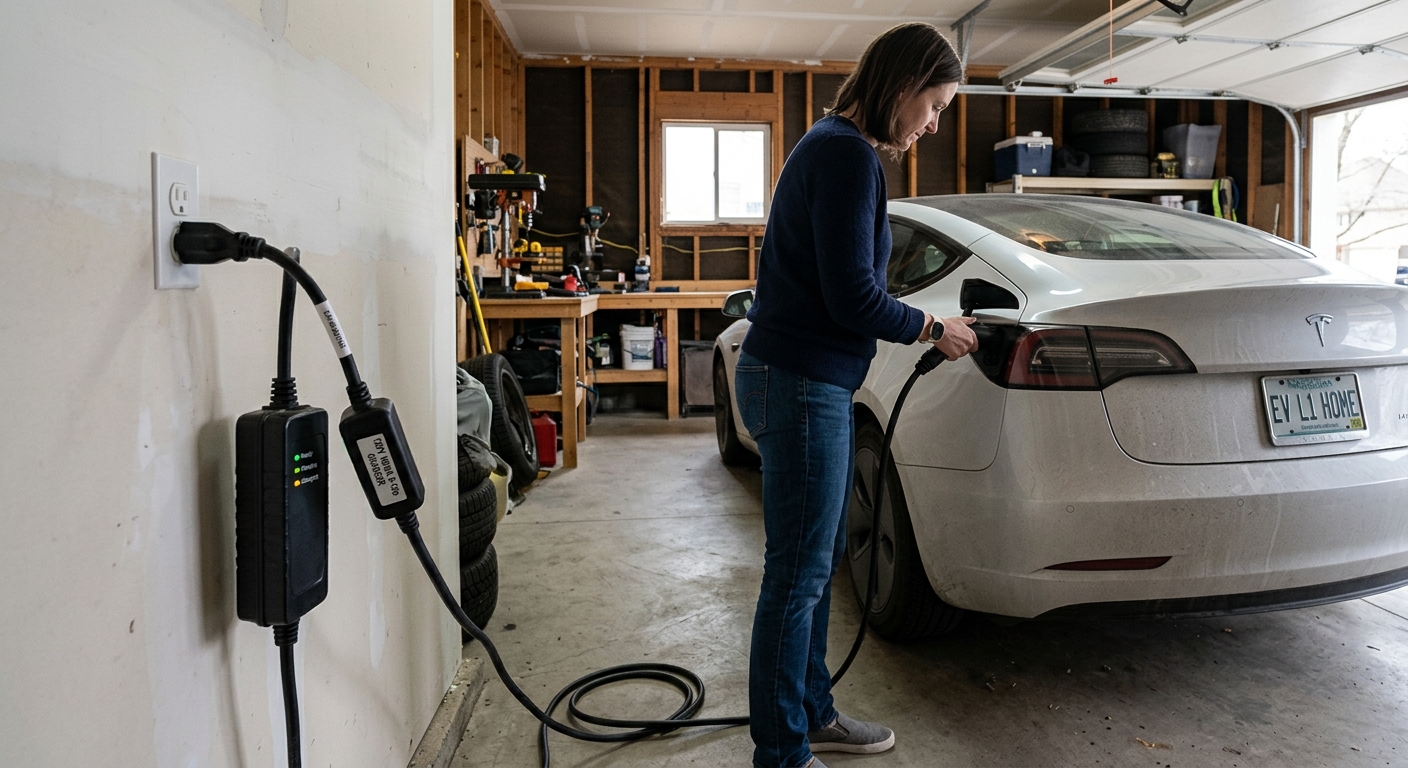
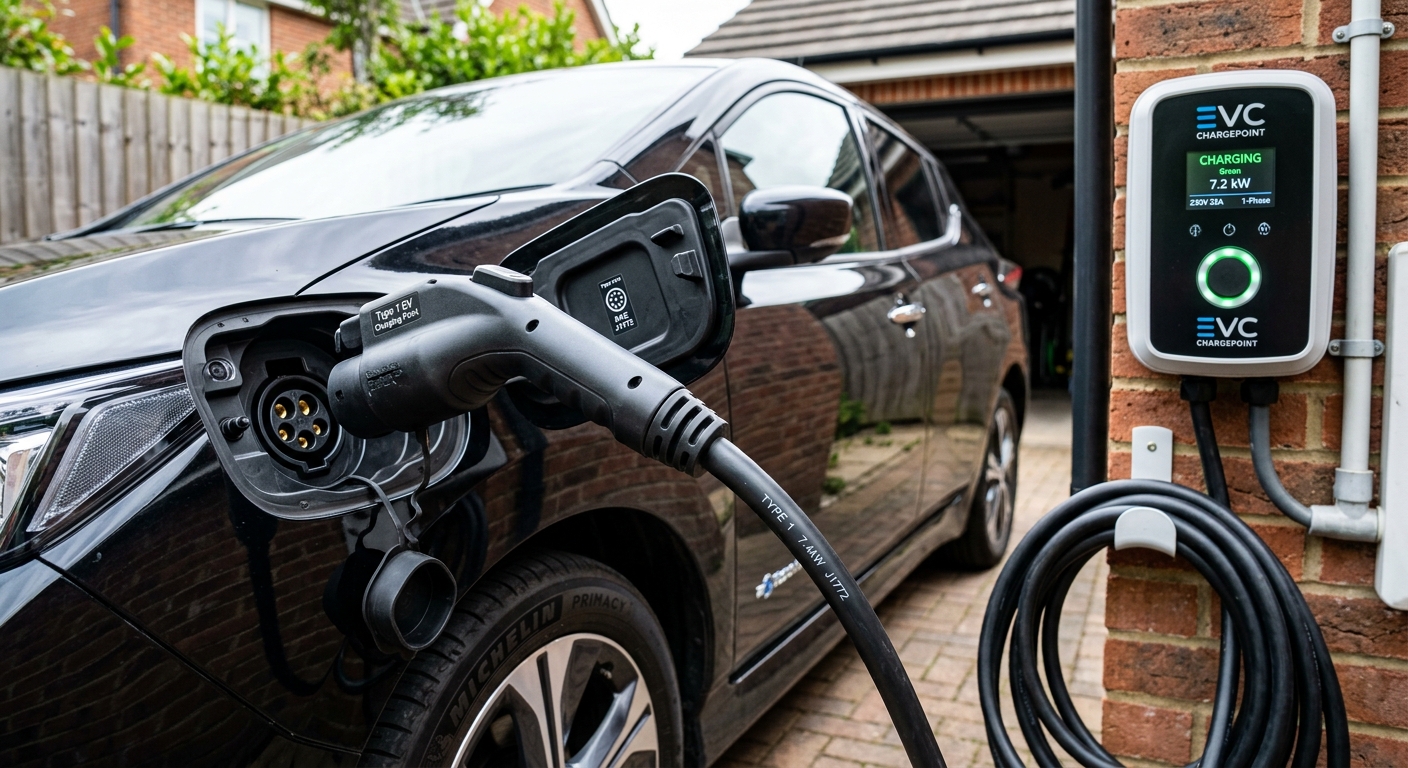
While standard Level 1 chargers use a normal household outlet, they are painfully slow. Level 2 infrastructure transforms your residential garage into a high-powered fueling hub, ensuring your car is fully energized every single morning without the hassle of public station hunting.
Here is an extensive, 1000-word comprehensive guide detailing the financial, practical, and technical factors to help you determine if a Level 2 charger is truly worth your money.
1. The Core Benefits: Speed and Convenience
The primary reason homeowners invest in a Level 2 charger is the dramatic reduction in charging time:
-
Blazing Speed Advantage: While Level 1 equipment adds a meager 2 to 4 miles of range per hour, a standard Level 2 home unit pumps in 20 to 40 miles of range per hour.
-
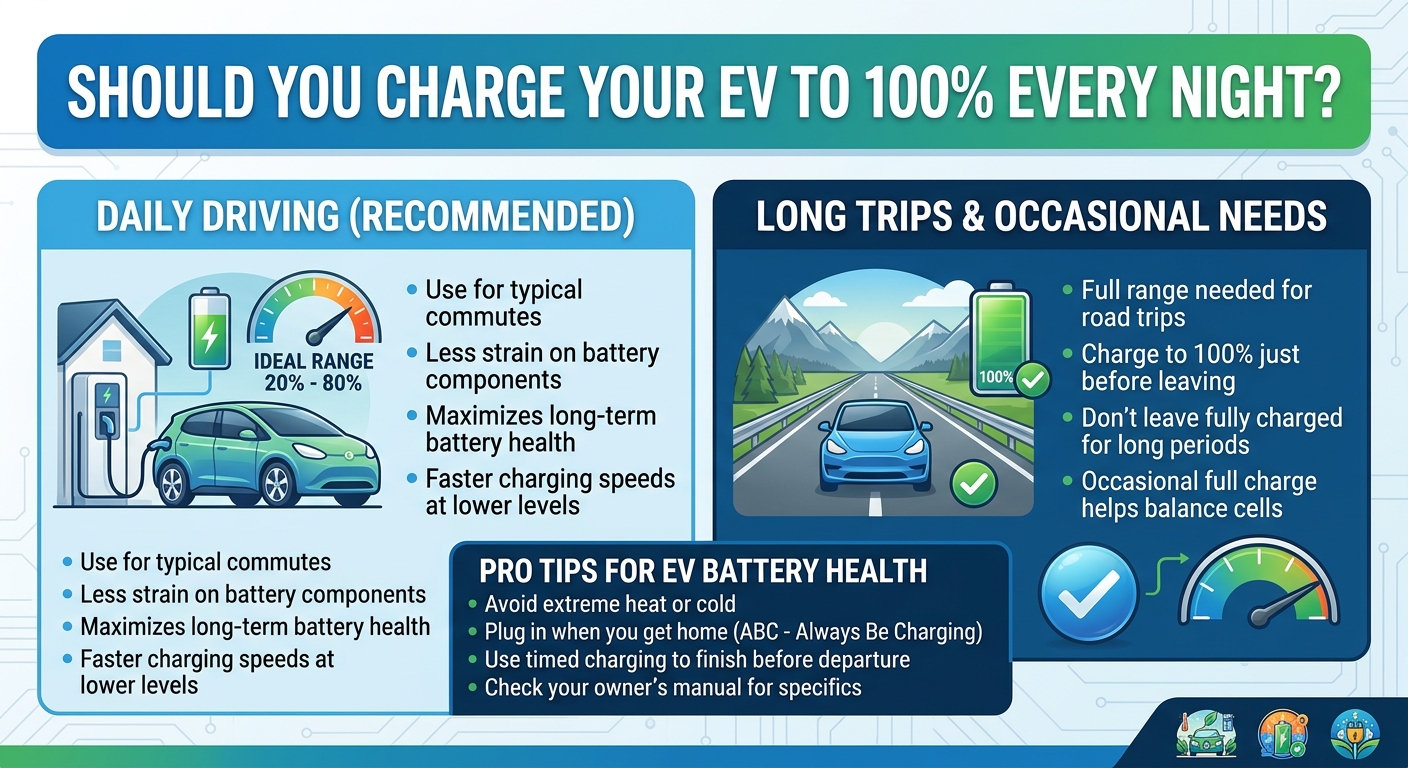
Complete Overnight Turnaround: An empty 75 kWh battery pack that would take days on a standard wall outlet can easily be replenished from 0% to 100% in 6 to 8 hours while you sleep.
-
Daily Reliability: You wake up to a full battery every morning, eliminating range anxiety and drastically reducing reliance on public charging stations.
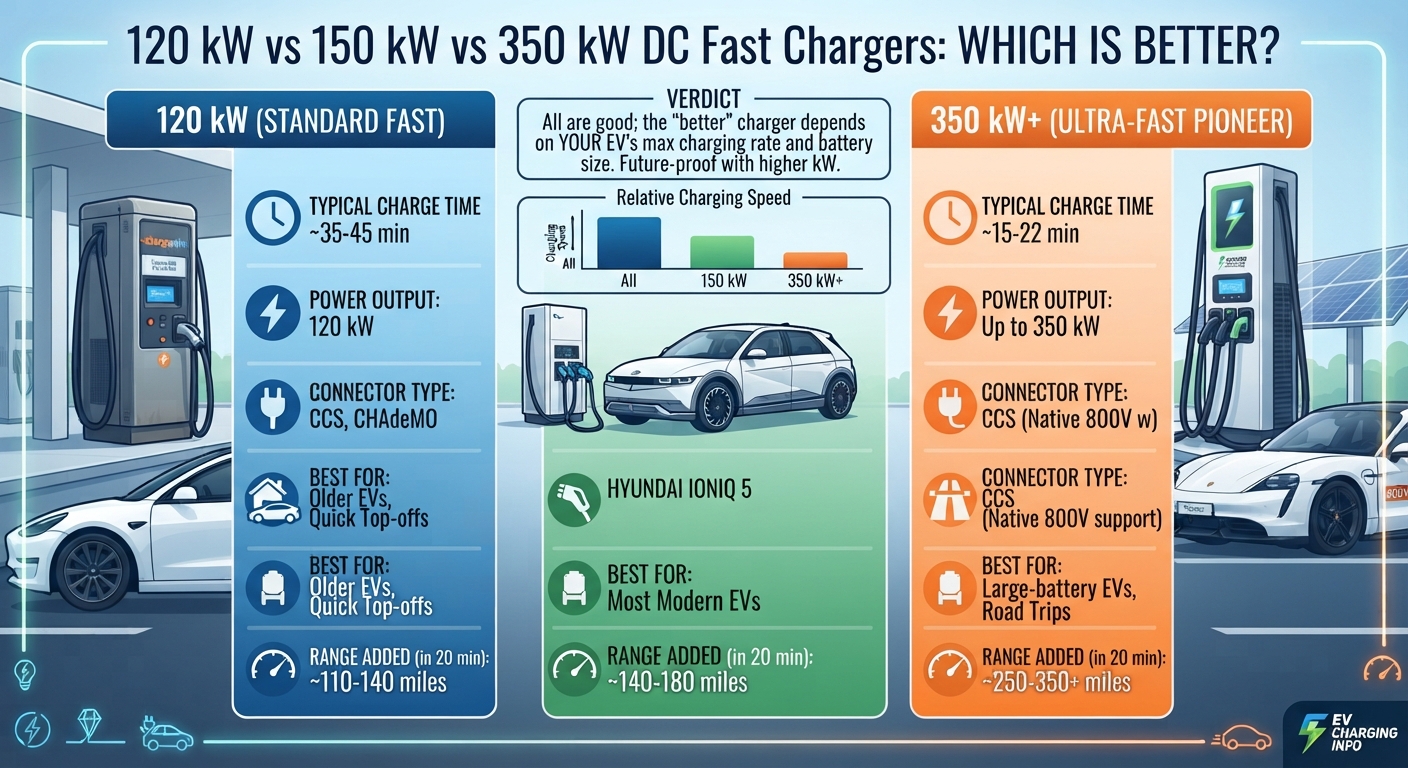
To explore how these high-powered residential systems compare against public infrastructure, read our guide on various charging types.
2. Who Actually Needs a Level 2 Charger?
Not every EV owner requires a Level 2 home installation. Your daily driving habits dictate whether the upgrade makes financial sense:
-
The High-Mileage Commuter: If your daily round-trip commute exceeds 30 to 40 miles, a Level 1 charger cannot recover your energy usage overnight, making a Level 2 unit practically mandatory.
-
Multi-EV Households: Families juggling two or more electric vehicles need the rapid turnaround times of Level 2 equipment to share garage charging slots efficiently.
-
Plug-In Hybrid (PHEV) Owners: If you drive a PHEV with a small 10–15 kWh battery, a Level 1 charger is often completely adequate, making a costly Level 2 installation unnecessary.
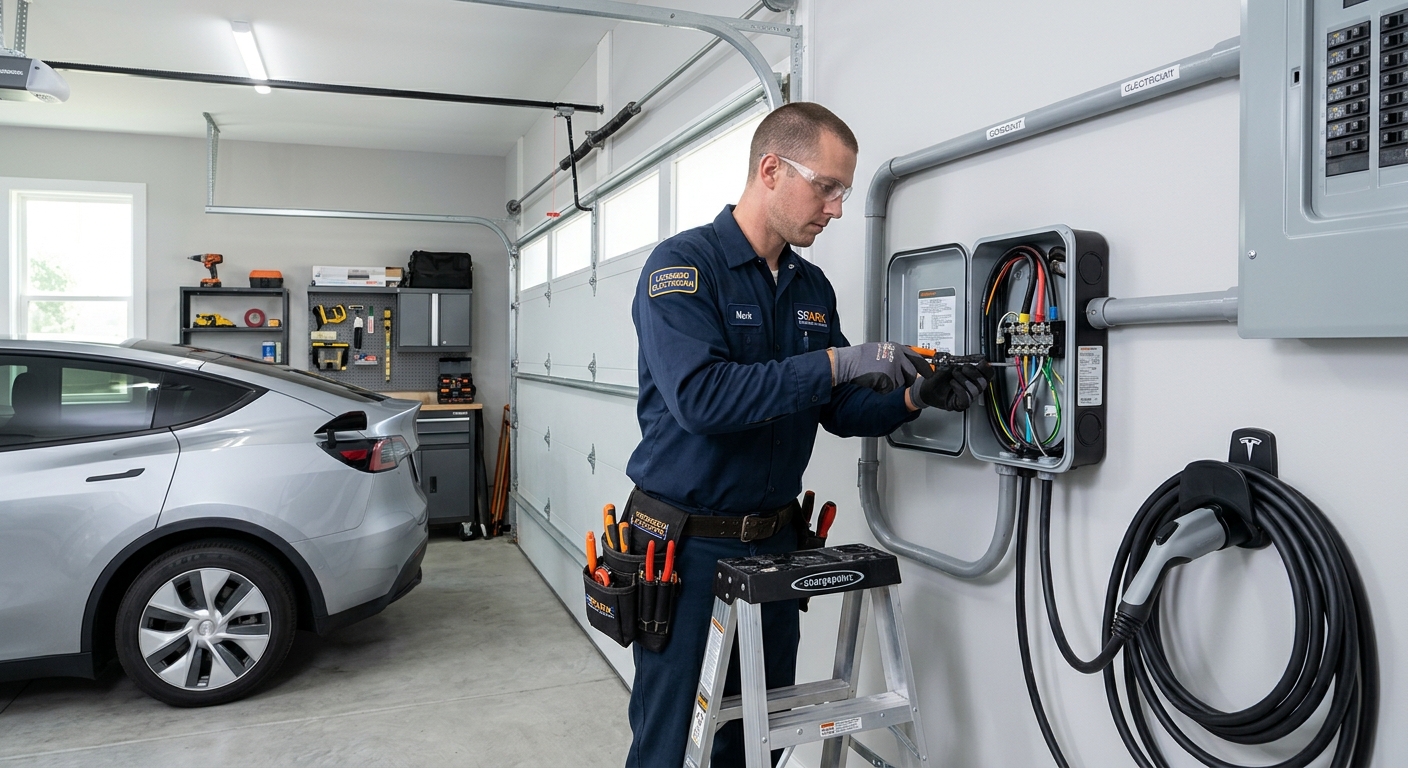
To ensure your home electrical panel can safely handle a continuous heavy electrical load, read our breakdown on smart home EV solutions.
3. Cost Analysis: Upfront Expenses vs. Long-Term Value
Installing a Level 2 home charger involves upfront costs, but the long-term value often offsets the initial price tag:
-
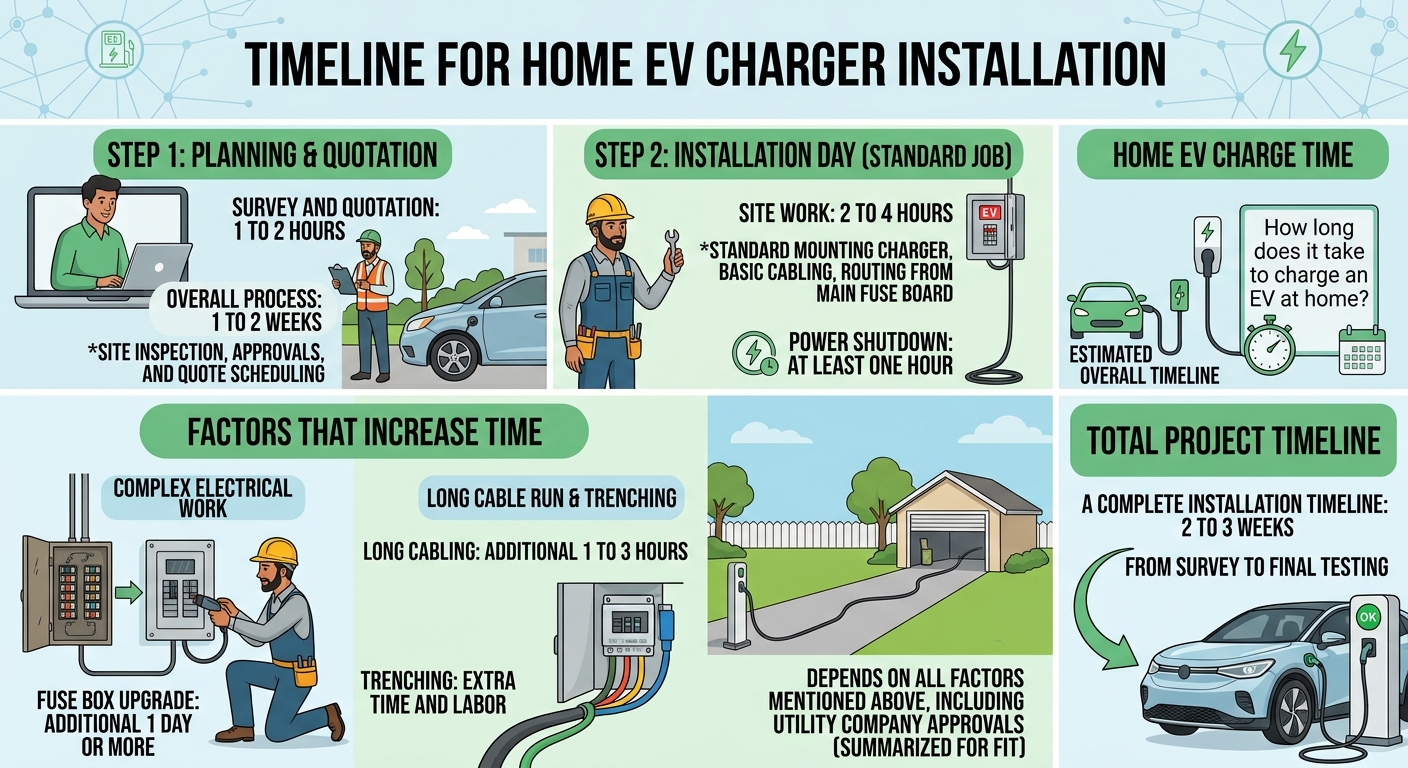
Equipment and Installation Costs: Hardware typically ranges from $400 to $700, while professional electrician labor and dedicated 240V circuit installation can push total costs between $1,000 and $2,000 depending on your panel’s distance from the garage.
-
Utility Rebates and Tax Credits: Federal tax incentives and local electric utility rebates frequently cover up to 30% to 50% of the total hardware and installation costs, making the upgrade significantly cheaper.
-
Time and Fuel Savings: Charging at home during off-peak utility hours is vastly cheaper than relying on expensive public DC fast chargers, saving you hundreds of dollars annually.
For further advice on equipment specs, safety guidelines, and home charging budgets, visit EV Charger Advisor.
Summary: Are They Worth It?
-
Yes: If you drive over 30 miles a day, own a full battery-electric vehicle (BEV), and value the convenience of waking up to a full charge every morning.
-
No: If you drive very short distances, own a PHEV with a tiny battery, or rarely use your car during the week.





Leave a Reply