
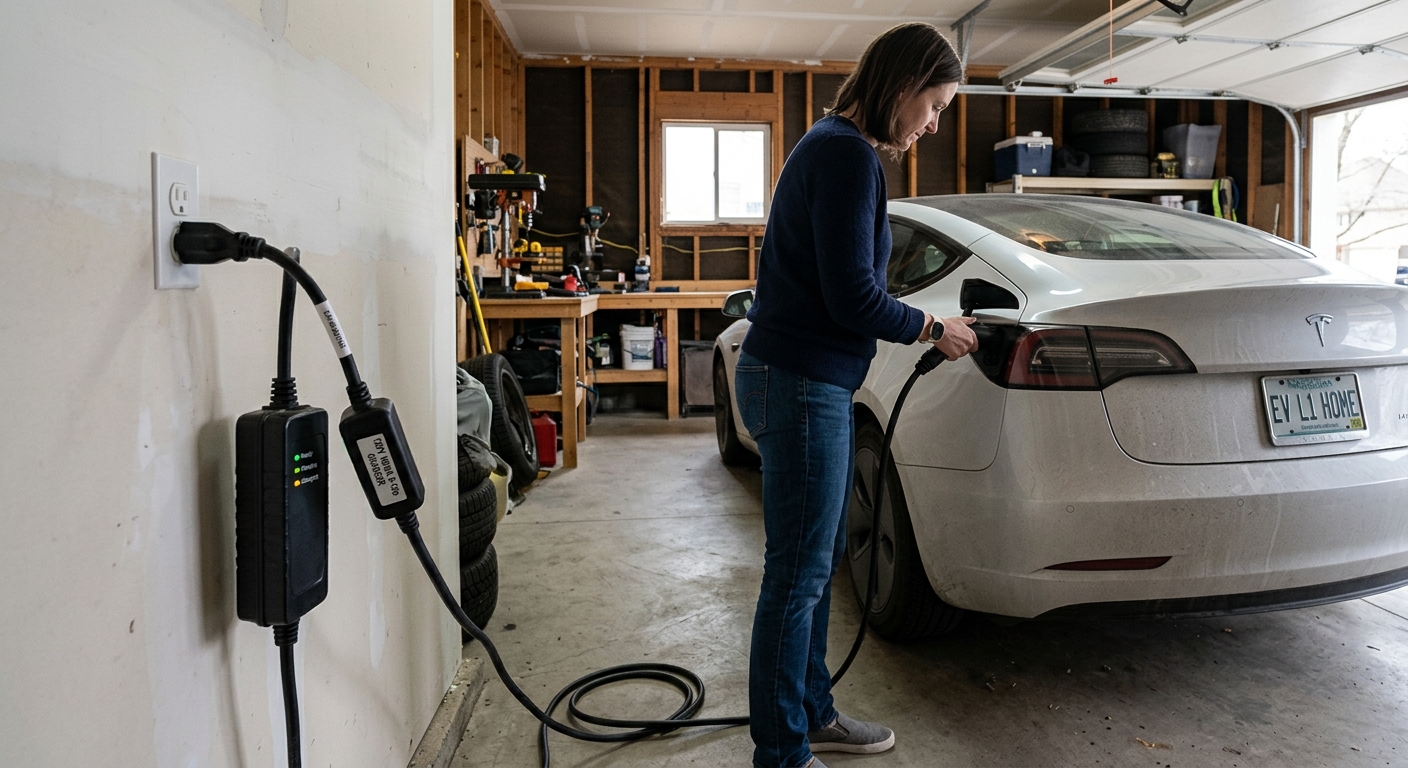
Transitioning from a traditional internal combustion engine vehicle to an electric vehicle (EV) is an exciting milestone. However, one of the first practical hurdles every new EV owner faces is setting up reliable, high-speed charging infrastructure at home. While slow Level 1 trickle charging using a standard three-pin household socket can keep a small hybrid topped up, it is utterly impractical for full battery-electric vehicles (BEVs). This is where a dedicated Level 2 home wallbox comes into play.
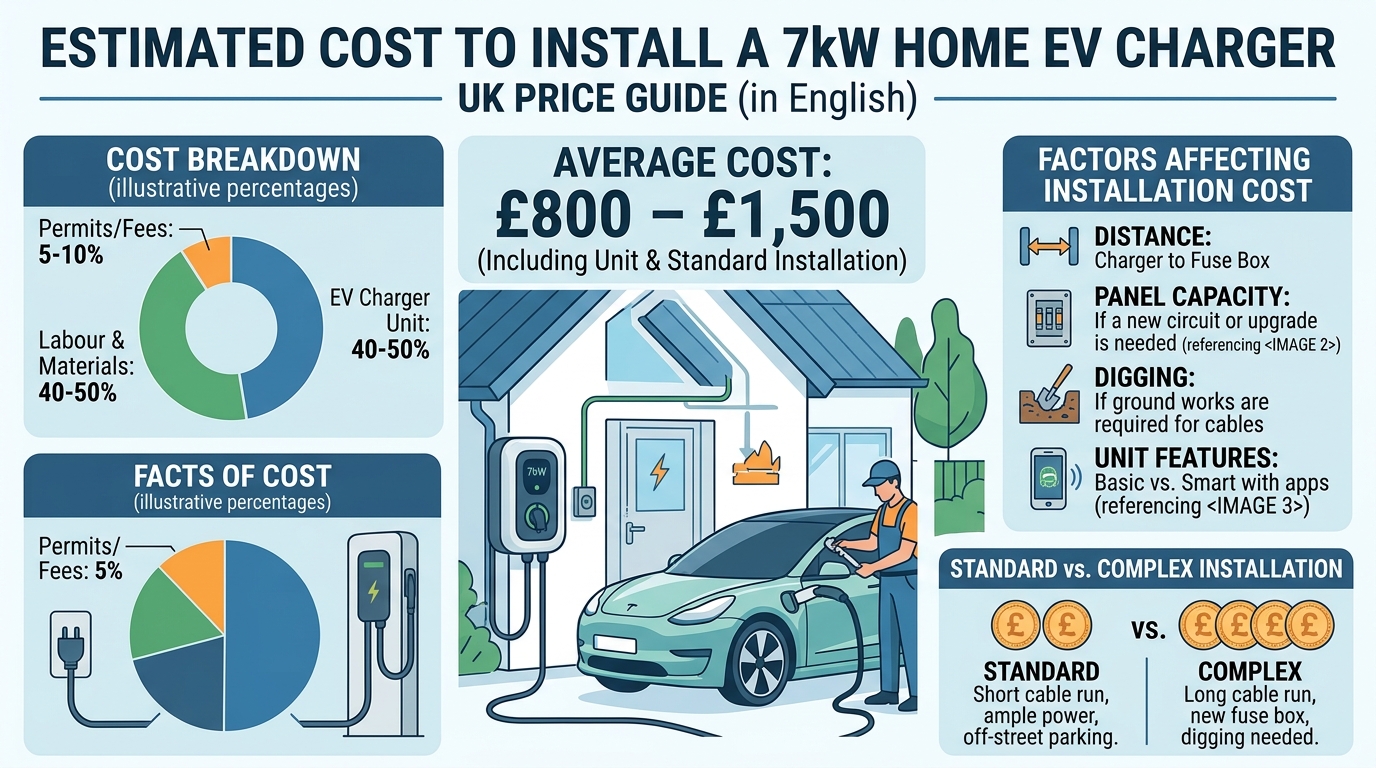
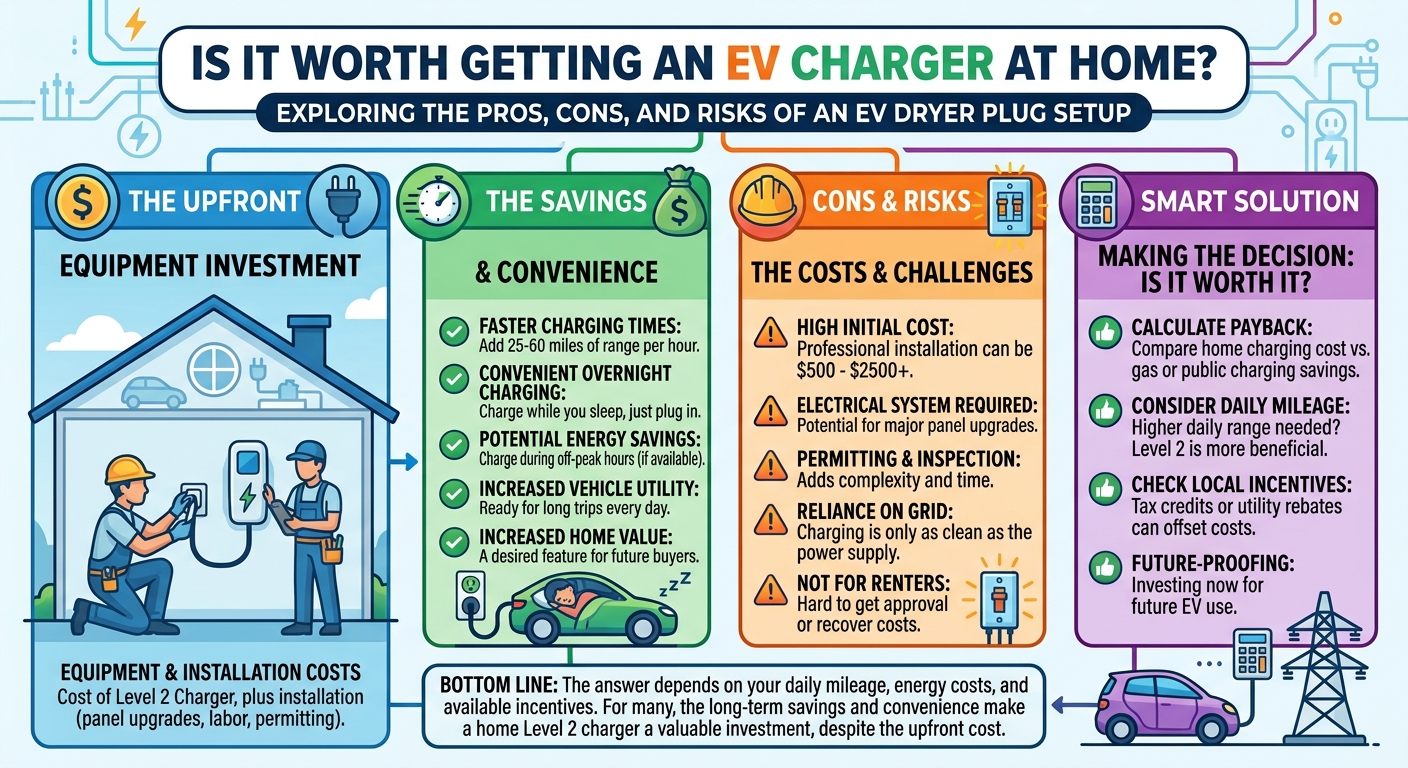
When planning your garage or driveway upgrade, understanding the financial commitment is essential. To answer directly: The total cost to install a 7kW EV charger at home generally ranges from $800 to $2,200 (or roughly £800 to £1,200 in the UK, and PKR 108,000 to PKR 212,000 in Pakistan) for a standard installation.
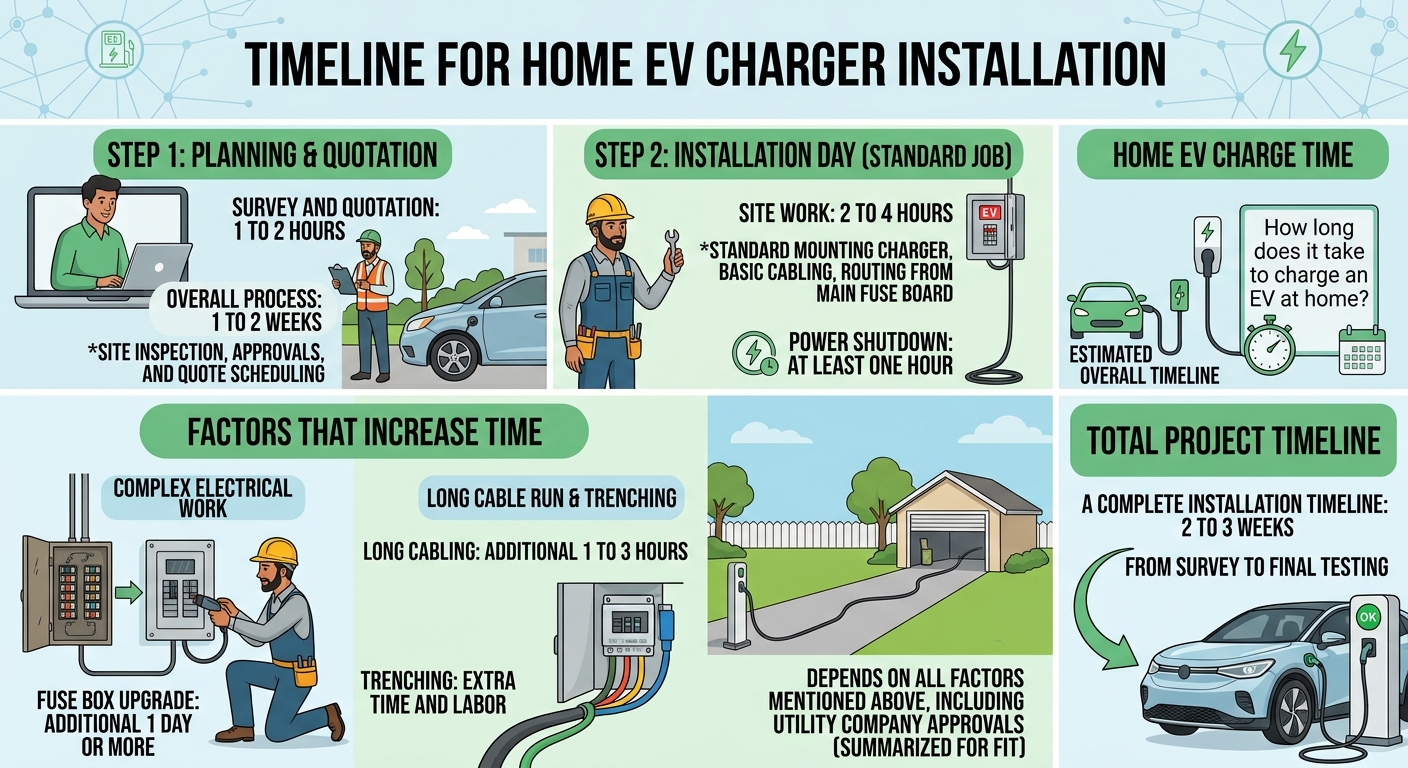
A standard installation covers the purchase price of the smart wallbox unit, basic mounting labor, standard cabling runs from your main fuse box, and electrical commissioning by a certified technician. However, depending on your home’s electrical capacity, the distance between your fuse box and parking spot, and any necessary panel upgrades, final expenses can vary significantly.
Here is an extensive, 2000-word comprehensive guide breaking down every single financial component, regional pricing tier, hidden fee, and technical requirement involved in installing a 7kW EV charger.
1. Understanding the 7kW Charger: Why It Is the Gold Standard
Before diving into installation numbers, it helps to understand why 7kW charging units have become the undisputed global standard for residential EV charging:
-
The Perfect Balance: A 7kW charger operates on single-phase electrical supply (drawing roughly 32 amps), which is the maximum safe continuous load most residential properties can handle without requiring expensive industrial three-phase grid overhauls.
-
Overnight Replenishment: A 7kW wallbox delivers approximately 25 to 30 miles of range per hour, meaning a completely depleted 60 kWh to 75 kWh battery pack can be fully replenished from 0% to 100% in roughly 7 to 9 hours—fitting comfortably inside standard overnight off-peak utility windows.
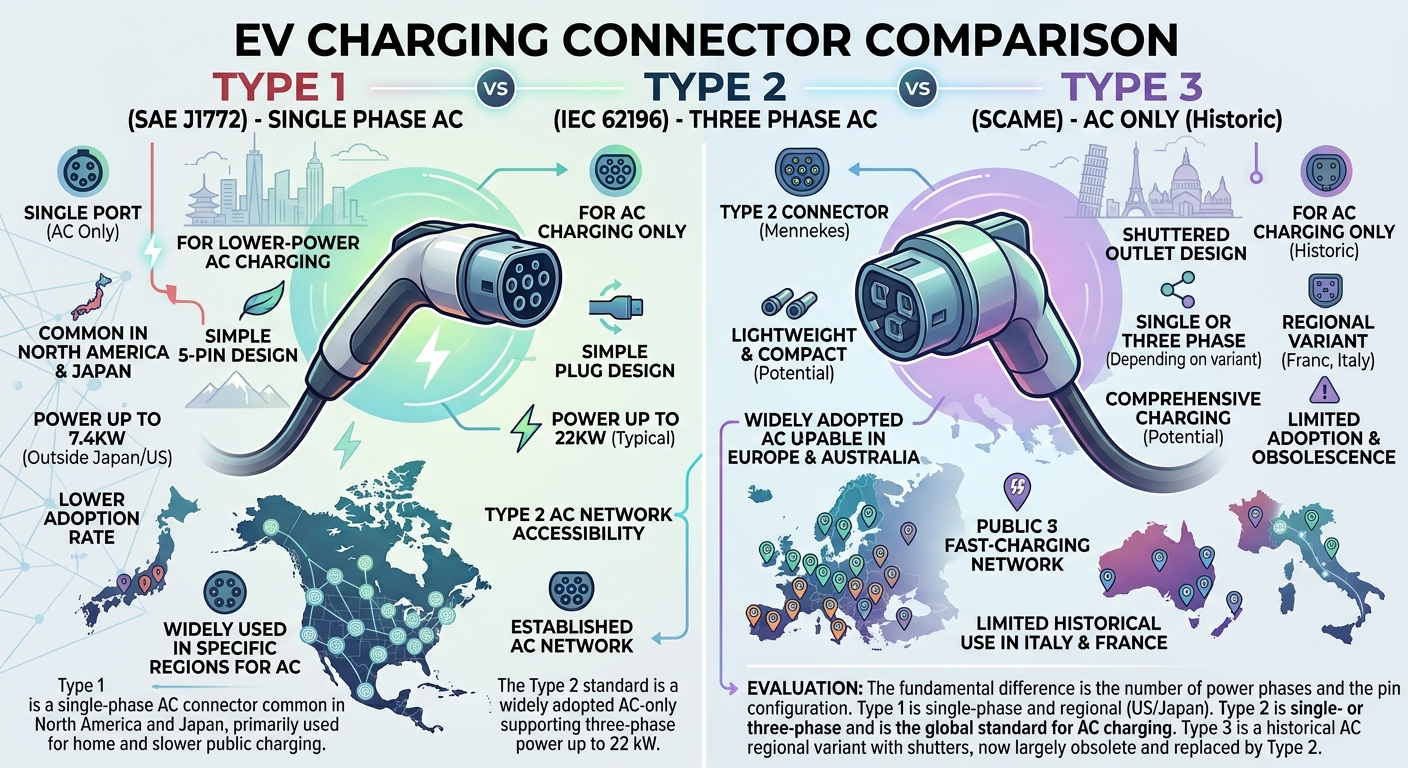
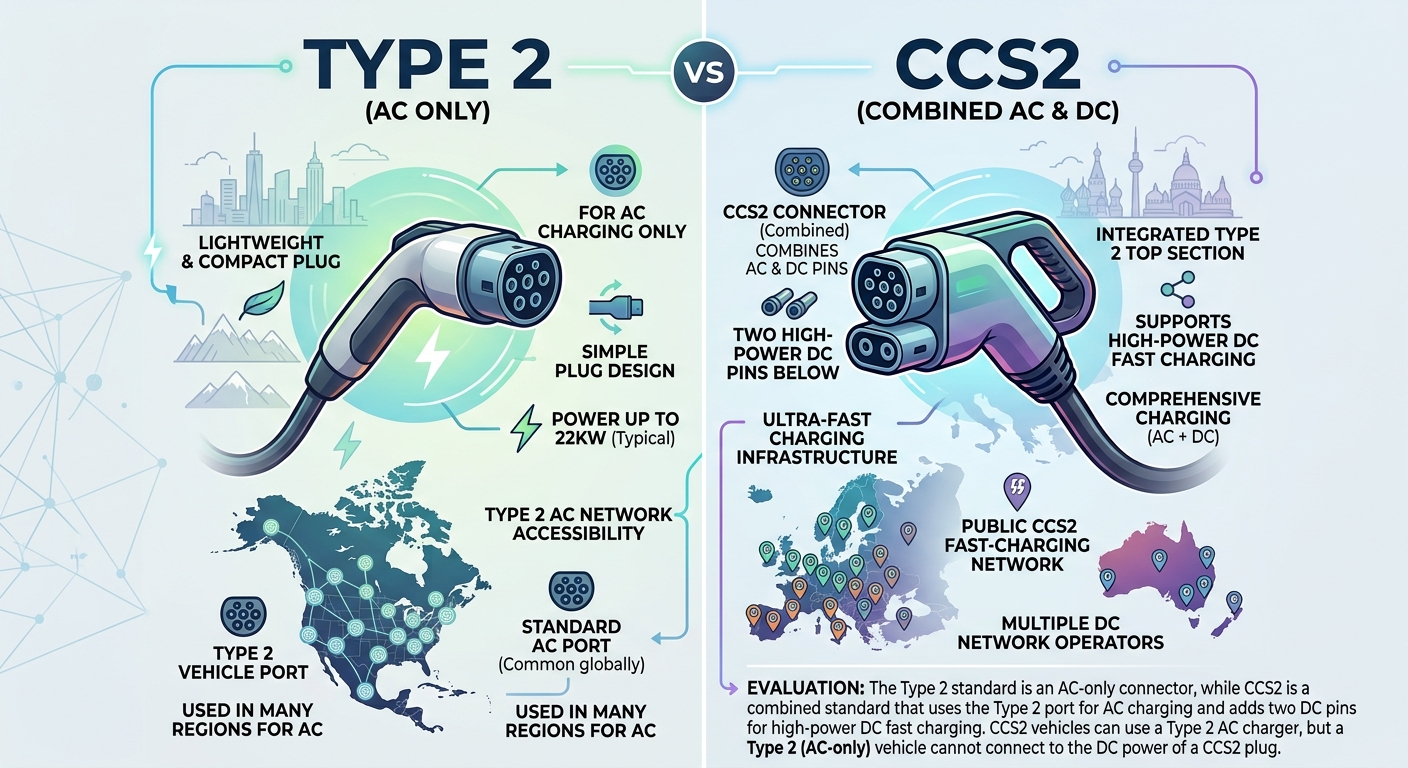
To explore how different hardware specifications compare across various power ratings, read more about our guide on charging types.
2. Comprehensive Cost Breakdown: What Makes Up the Total Price?
When you receive an installation quote from a certified electrician, the final number is a composite of several distinct products and labor requirements. Let’s examine how these costs break down across major markets:
A. Hardware Unit Cost (£450–£800 / $500–$900 / PKR 85,000–PKR 150,000)
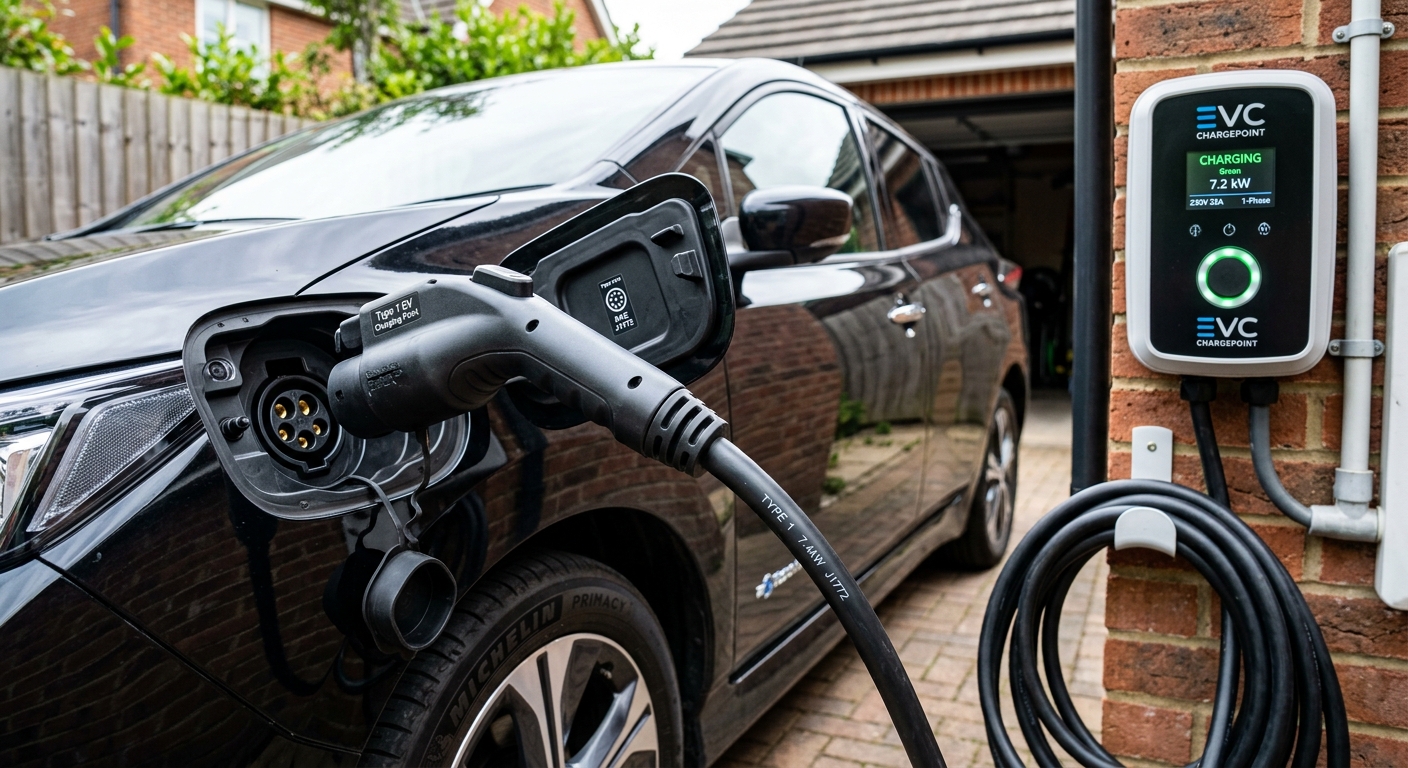
The physical wallbox unit itself forms the first layer of expense. Modern regulations in many regions mandate “smart” functionality, allowing chargers to connect to home Wi-Fi, schedule off-peak charging sessions, and integrate with solar panel setups.
-
Tethered vs. Untethered Units: Tethered chargers come with a permanently attached 5-meter or 8-meter charging cable (offering ultimate daily convenience), while untethered units feature a clean socket where you plug in your own portable cable. Prices between tethered and untethered versions vary by only $50 to $100.
B. Electrician Labor and Commissioning (£300–£500 / $300–$600 / PKR 20,000–PKR 50,000)
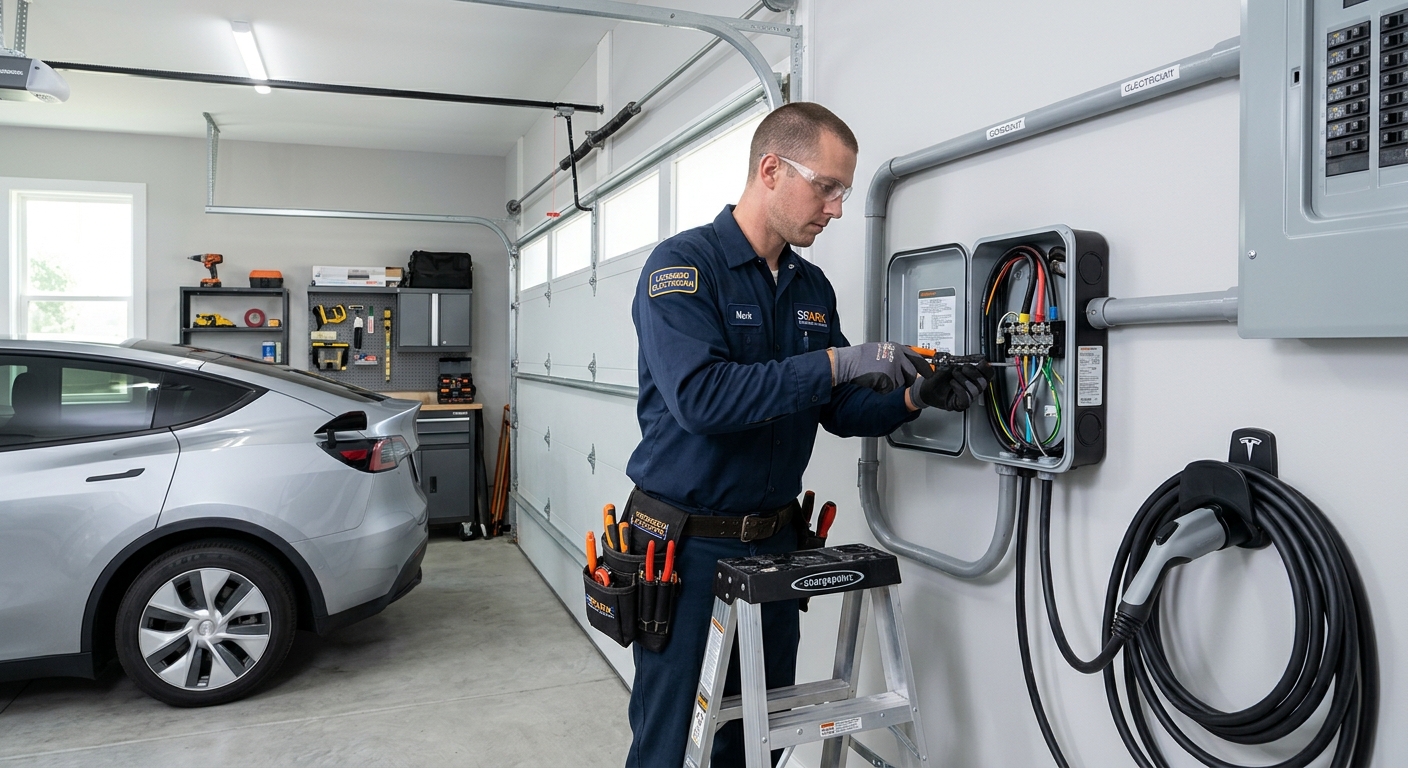
Installing a high-amperage dedicated circuit is not a DIY weekend project. It requires certified electrical labor, running heavy copper wiring, installing dedicated circuit breakers (such as C-curve MCBs and Type B RCD protection), and officially testing and certifying the circuit. Professional labor typically accounts for a significant block of the upfront quote.
To ensure your home setup integrates cleanly with smart energy management and automated scheduling apps, check out our guide on smart home EV solutions.
3. Regional Pricing Variations: US, UK, and Pakistan
Installation costs do not exist in a vacuum; they fluctuate based on local contractor rates, equipment imports, and regional electrical codes:
-
United Kingdom (£800 – £1,200 Total): In the UK, standard 7kW smart wallbox installations inclusive of hardware and labor hover around £1,000. Renters and flat owners with private off-street parking can often utilize government grants (such as the EV Chargepoint Grant) to cover up to £500 of the total expense, though homeowners with private driveways typically pay the full market rate.
-
United States ($800 – $2,200 Total): Across the US, hardware costs depend heavily on whether you choose a plug-in unit (using a NEMA 14-50 heavy-duty outlet) or a hardwired unit. Local permitting fees, inspection costs, and electrician hourly rates vary drastically from state to state.
-
Pakistan (PKR 108,000 – PKR 212,000 Total): With the rapid expansion of electric vehicles across major metropolitan hubs, acquiring a quality single-phase or three-phase smart 7kW charger and hiring a qualified technician for safe breaker integration and cabling runs typically spans from roughly 108,000 PKR to over 200,000 PKR depending on imported hardware brand tiers.
4. Hidden Installation Variables That Increase the Bill
While a standard installation assumes straightforward conditions, several property-specific complexities can drive your final invoice higher:
A. Long Cable Runs ($150 to $500+)
Standard installation quotes typically include up to 10 to 15 meters (approx. 30 to 50 feet) of cabling running from your home consumer unit (fuse box) to the exterior mounting location on your garage or driveway. If your electrical panel is located in a basement or on the opposite side of a large house from where you park your car, every extra meter of heavy-duty armored copper cabling adds material and labor costs.
B. Consumer Unit (Fuse Box) Upgrades ($500 to $900+)
If your home is older and your existing electrical panel is already operating near maximum capacity, it may lack the physical space or amperage headroom to safely support a continuous 32-amp, 7kW load. In these cases, an electrician will recommend upgrading your consumer unit or installing a sub-panel, which adds substantial cost to the project.
C. Groundwork and Trenching ($200 to $1,000+)
If your driveway is detached from your house, or if running overhead cabling is aesthetically unacceptable, your electrician will need to dig an underground trench, lay protective conduits, and bury the armored power cable safely underground. Manual trenching, concrete cutting, and subsequent restoration work will increase both labor hours and material expenses.
5. Long-Term Financial Benefits: Why the Upfront Cost Pays Off
Although paying $1,000 to $2,000 upfront for a charger installation feels steep, the long-term economic return on investment (ROI) is undeniable:
-
Massive Fuel Savings: Charging your EV at home using residential electricity rates—especially during overnight off-peak tariff hours—costs a fraction of visiting public DC fast chargers or pumping traditional gasoline.
-
Property Value Enhancement: As electric vehicle adoption accelerates globally, having a dedicated, professional-grade Level 2 EV charging station installed in your garage or driveway adds tangible modern value to your residential property.
For comprehensive insights on EV infrastructure planning, safety standards, and expert advisory services, visit us at EV Charger Advisor.
Summary: What to Expect Before Booking
-
Expect a standard total investment ranging between $800 and $2,200 (or local currency equivalents) for a complete, certified 7kW home charger installation.
-
Always get multiple quotes from licensed electricians and verify whether your home’s electrical panel requires upgrades before purchasing your hardware.





Leave a Reply