
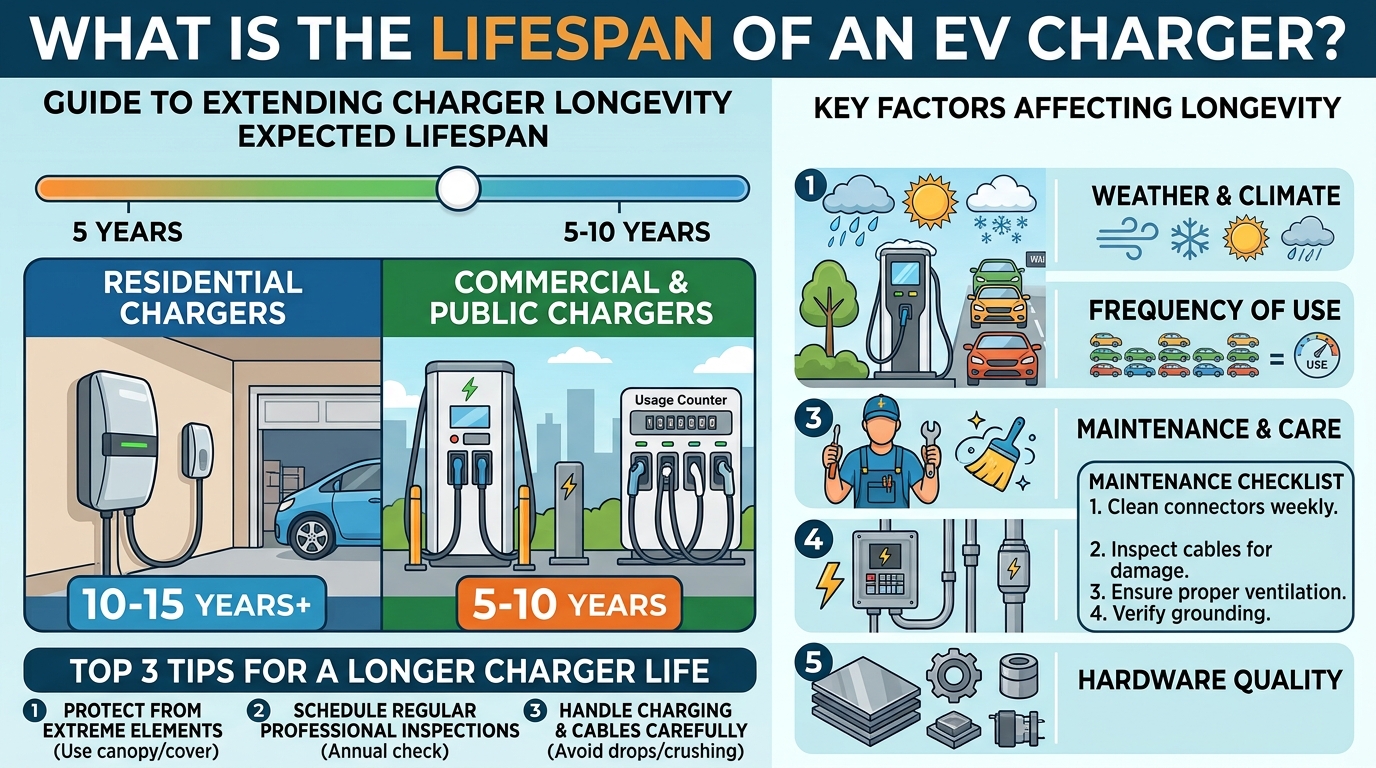
Transitioning to electric vehicle ownership is a major financial and lifestyle milestone. As more drivers install dedicated charging infrastructure at home or manage commercial fleets, one of the most common questions that arises is: How long will this hardware actually last? What is the physical durability and operational lifespan of an electric vehicle charger?
To answer directly: An EV charger typically lasts 10 to 15 years with proper installation, maintenance, and normal use, though some premium units can function up to 20 years.
While these numbers provide a reliable benchmark, a charger’s actual longevity depends on several critical variables—including build quality, environmental exposure, daily usage frequency, thermal management, and ongoing maintenance. In this comprehensive, in-depth guide, we will explore everything you need to know about EV charger lifespans, what factors cause premature failure, and how you can maximize the operating life of your charging investment.
1. EV Charger Life Expectancy: Breakdown by Charging Levels
Not all electric vehicle chargers are built to withstand the same level of electrical and mechanical stress. The charger category and its power output directly dictate how many years it can operate reliably without major component failures:
-
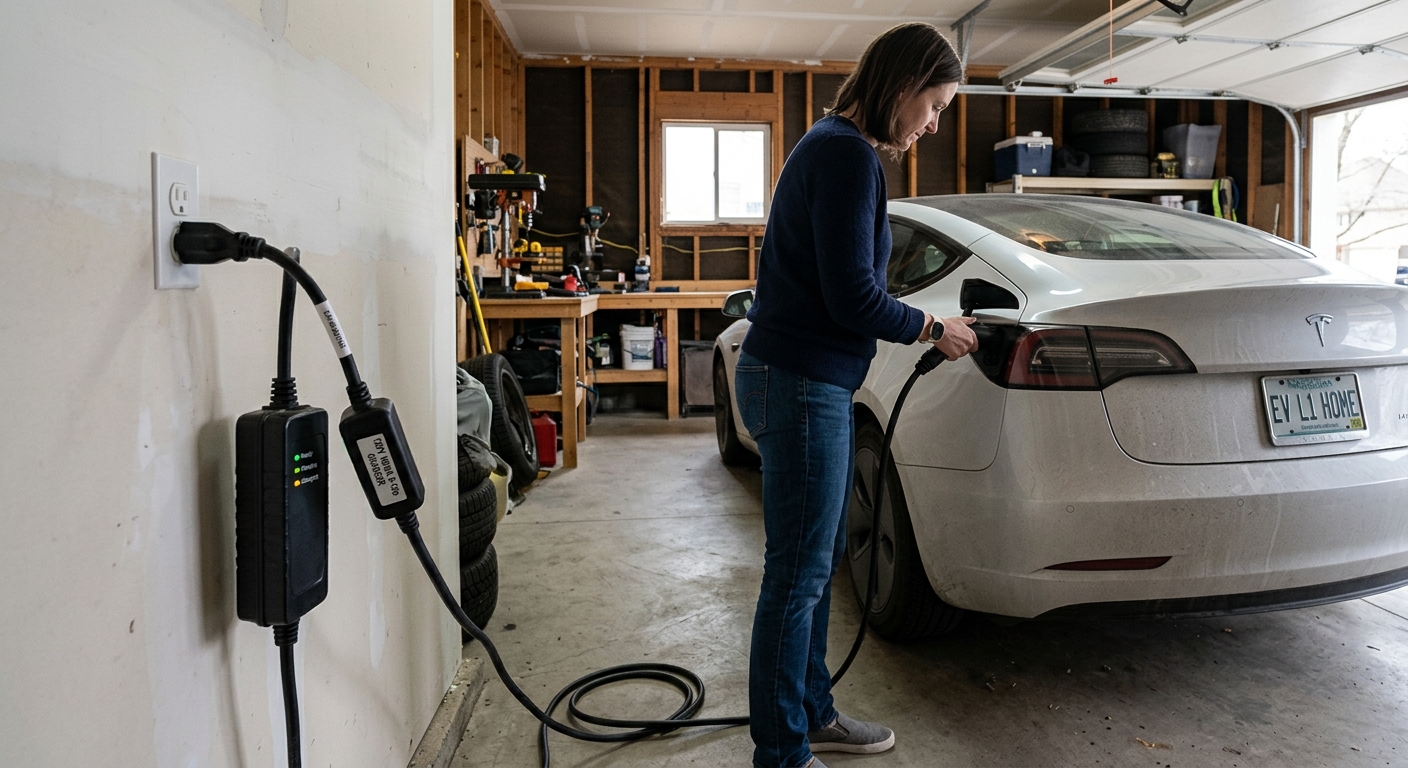
Level 1 Chargers (120V Portable Cord Sets): These are the standard portable charging units that typically come bundled with a new electric vehicle, plugging into any standard residential 120V outlet. Because they operate at lower power levels (usually around 1.4 kW) and experience minimal electrical stress, their lifespan generally ranges from 10 to 15 years. However, because they are frequently coiled up, thrown into car trunks, and exposed to varying outdoor elements, mechanical wear on the cables and plugs often occurs sooner.
-
Level 2 Chargers (240V Home and Destination Units): These are the most popular residential and commercial charging units installed in garages, workplaces, and public parking destinations. High-quality residential Level 2 units feature robust internal electronics, heavy-duty relays, and durable casings, giving them a typical lifespan of 10 to 15+ years (with top-tier commercial-grade units pushing toward 20 years). They require dedicated high-amperage electrical circuits and professional installation.
-
DC Fast Chargers (Level 3 Public Corridors): These heavy-duty commercial stations are deployed along highway corridors and urban fast-charging plazas to replenish EV batteries in minutes. Because they handle massive continuous electrical loads, run under extreme thermal stress, and operate in demanding public environments, their operational lifespan is typically shorter, averaging 10 to 12 years, and they frequently require proactive component replacements (such as cooling pumps, contactors, and cables) throughout their lifecycle.
To learn more about how residential equipment differs from public infrastructure, explore our detailed guide on various charging types.
2. Core Factors That Influence EV Charger Durability
A charger’s operational lifespan is dictated by a combination of manufacturing standards, environmental conditions, and user habits. Here are the primary factors that determine how long your unit will survive:
A. Build Quality, Components, and Industry Certifications
The market features a wide spectrum of charging equipment, ranging from budget uncertified imports to rigorously engineered hardware. Premium manufacturers utilize industrial-grade contactors, high-grade copper wiring, and robust solid-state relays. Furthermore, certified units featuring rigorous safety listings (such as UL, ETL, or CE) and high ingress protection ratings (such as IP55, IP65, or NEMA 4/4X enclosures) ensure that internal circuit boards remain completely sealed against dust, airborne debris, and moisture infiltration.
B. Environmental Exposure and Weather Conditions
Where your charger is physically installed plays a massive role in its long-term reliability:
-
Outdoor Installations: If a charger is mounted outside and exposed to direct, harsh sunlight, ultraviolet (UV) radiation will gradually degrade the outer plastic insulation of the cables, making them brittle and prone to cracking. Additionally, heavy rain, snow, and extreme temperature fluctuations can accelerate oxidation on internal terminals.
-
Indoor Garage Installations: Mounting your charger inside a sheltered, temperature-controlled residential garage shields the hardware from extreme weather, drastically reducing thermal expansion cycles and helping internal electronic components last significantly longer.
C. Usage Frequency and Thermal Stress Management
Heat is the ultimate enemy of all electrical and electronic systems. When a charger operates at peak amperage (e.g., 40 to 48 amps) for hours at a time, internal resistance generates considerable heat. Without adequate thermal dissipation, solder joints weaken over time. Premium chargers incorporate advanced thermal throttling and efficient heat-sink designs to manage internal temperatures, protecting the unit from premature burnout.
To explore how smart home energy management systems can optimize charging loads and reduce unnecessary thermal stress on your electrical panel, check out our guide on smart home EV solutions.
3. Proven Maintenance Practices to Extend Your Charger’s Life
Just as you take your vehicle in for regular servicing, your EV charging station benefits immensely from routine inspections and preventative care. Implementing these simple maintenance steps will help you maximize your hardware’s lifespan:
-
Routine Visual Inspections: Once a month, inspect the exterior casing, charging cable, and connector plug. Look closely for any signs of cable fraying, micro-cracks in the plastic sheath, discoloration, or melting around the plug pins.
-
Keep Connectors Clean: Dust, dirt, and moisture can accumulate inside the vehicle connector if it is left unholstered. Always make sure to snap the plug securely into its wall-mounted holster when not in use, and keep the protective caps clean.
-
Software and Firmware Updates: Modern smart chargers rely on Wi-Fi or cellular connectivity to download over-the-air (OTA) firmware updates. Keeping your charger’s software updated ensures optimal charging efficiency, bug fixes, and enhanced cybersecurity protection.
-
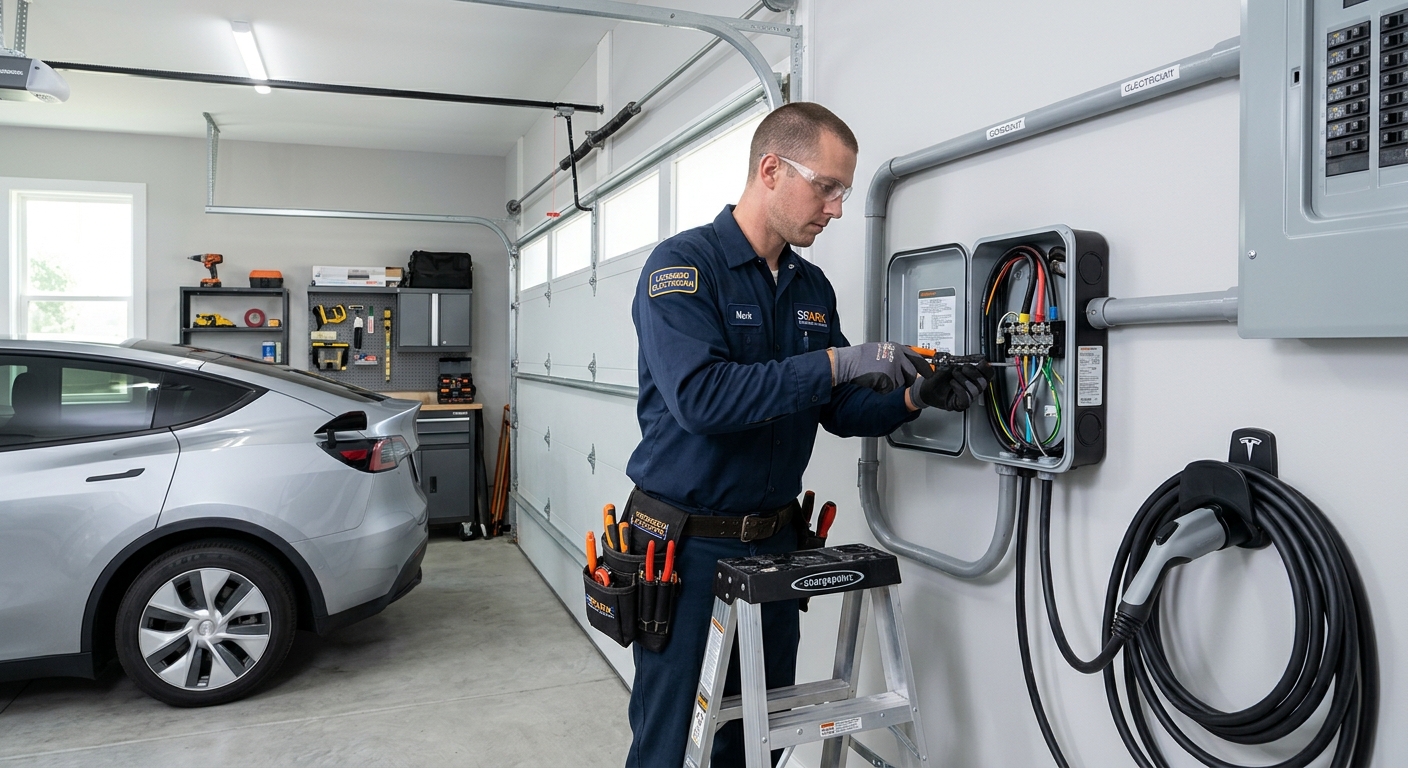
Periodic Professional Electrical Checks: Once a year, have a licensed, qualified electrician inspect the dedicated circuit breaker, wiring connections, and ground fault protection (GFCI/RCD). Loose terminal screws or voltage fluctuations caused by grid instability can introduce harmful arcing that damages internal charger components.
4. Technological Obsolescence vs. Physical Lifespan
A common question among EV owners is: Even if my charger lasts 15 years, will it still be relevant? It is crucial to distinguish between a charger’s physical working lifespan and its technological relevance:
-
Physical Reliability: If you invest in a well-built, certified Level 2 home charger, it will mechanically and electrically deliver current safely for well over a decade.
-
The Pace of EV Innovation: As automotive technology evolves rapidly, features such as faster vehicle onboard acceptance rates, dynamic bidirectional charging (Vehicle-to-Home and Vehicle-to-Grid), and advanced plug-and-charge protocols are becoming mainstream. While your 10-year-old charger may still physically function perfectly, you might choose to upgrade voluntarily in the future to take advantage of newer smart features or higher power outputs.
5. Summary: How to Protect Your Investment
-
A standard, high-quality residential Level 2 EV charger easily delivers 10 to 15 years of reliable daily service, with top-tier units operating even longer.
-
Choosing a weather-resistant model, ensuring professional installation, handling cables with care, and performing routine inspections will protect your investment and maximize its lifespan.
-
For expert advice, safety guidelines, and infrastructure recommendations, visit EV Charger Advisor.





Leave a Reply