
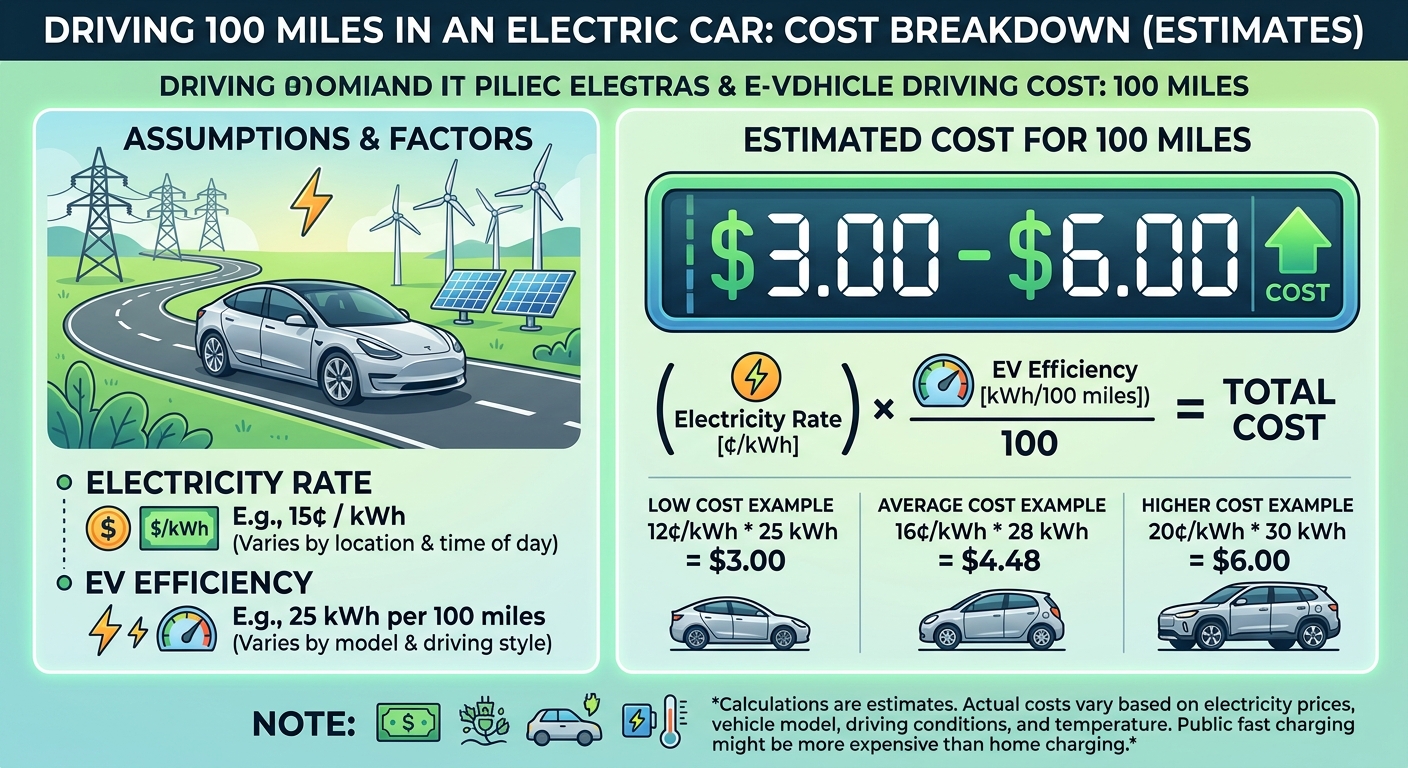
When transitioning from a traditional gasoline-powered automobile to an electric vehicle (EV), one of the most exciting financial revelations is discovering how drastically operating expenses drop. Instead of worrying about volatile crude oil prices, pump fluctuations, and expensive engine maintenance, EV owners deal with electricity rates. To answer directly: On average, it costs between $4.50 and $6.00 to drive 100 miles in an electric car if you charge at home. If you use public fast-charging stations, that cost increases to around $11.00 to $13.50 per 100 miles.
While these numbers represent significant savings compared to standard internal combustion engine (ICE) vehicles, the exact cost to travel 100 miles depends on several shifting variables, including your vehicle’s energy efficiency (kWh per 100 miles), local utility tariff rates, ambient weather conditions, and whether you are relying on residential charging or commercial public fast chargers.
Here is an extensive, comprehensive guide breaking down the exact mathematics behind per-mile EV expenses, home vs. public charging discrepancies, vehicle efficiency ratings, and strategies to maximize your savings.
1. The Home Charging Baseline: $4.50 to $6.00 Per 100 Miles
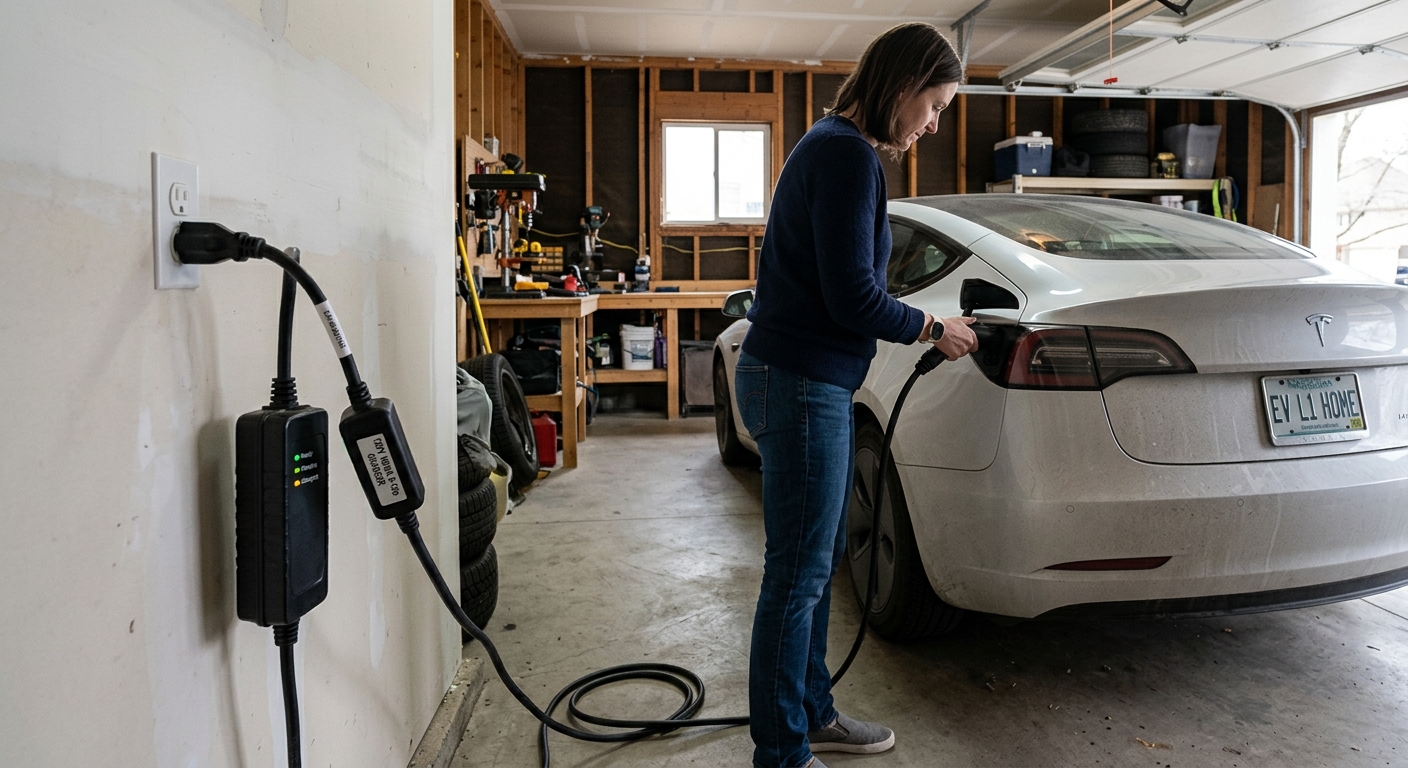
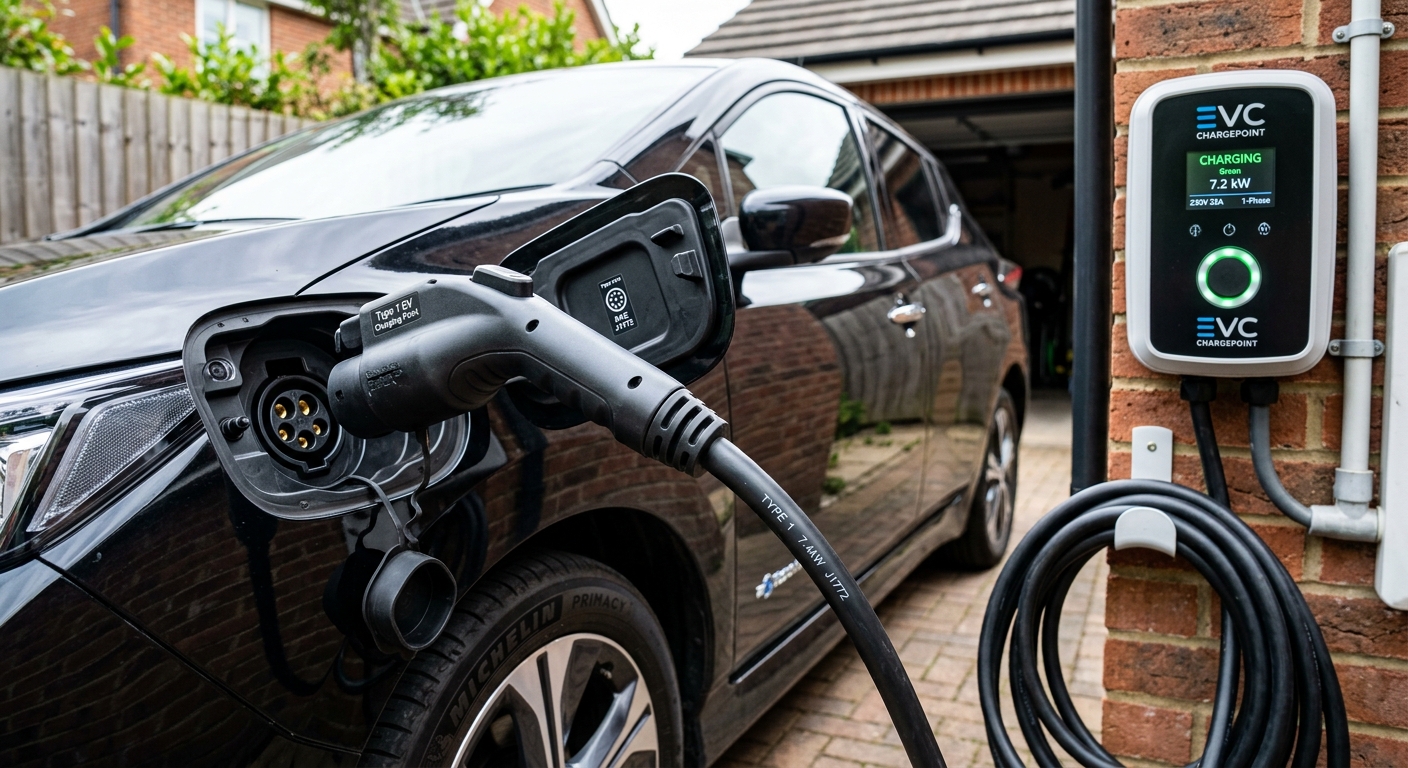
For the vast majority of electric vehicle owners, daily driving is powered by overnight charging in a residential garage or driveway. This approach yields the lowest possible per-mile operating cost:
-
The Energy Consumption Benchmark: Most modern passenger electric cars—ranging from efficient compact sedans to mid-size crossovers—consume roughly 27 to 35 kilowatt-hours (kWh) of electricity to travel 100 miles.
-
Residential Electricity Rates: Based on average national residential utility rates (approximately $0.18 per kWh), drawing 30 kWh from your wall results in a baseline cost of about $5.40 to drive 100 miles.
-
Off-Peak Tariff Savings: If your utility provider offers Time-of-Use (TOU) rates that drop significantly during overnight hours (such as 10 cents per kWh), the cost to drive 100 miles can plummet to under $3.00.
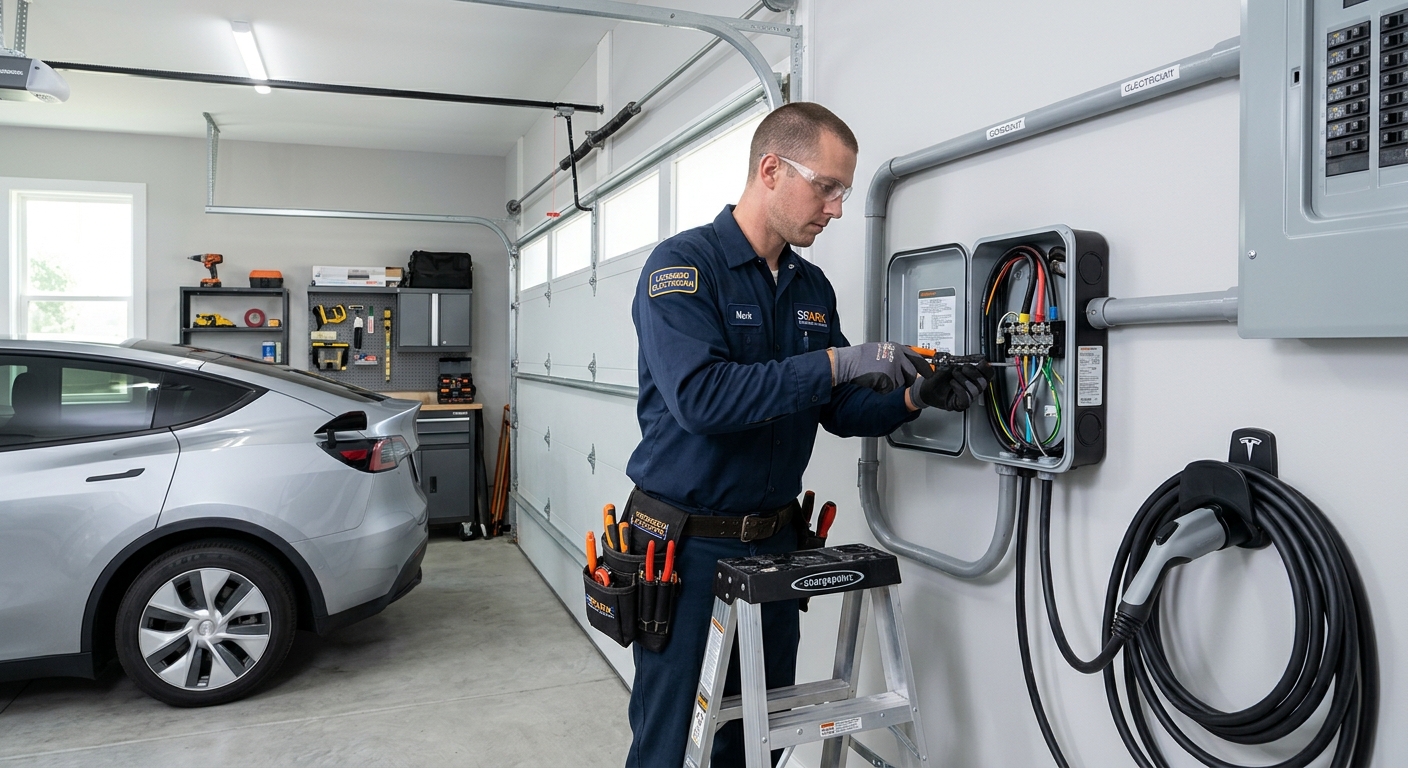
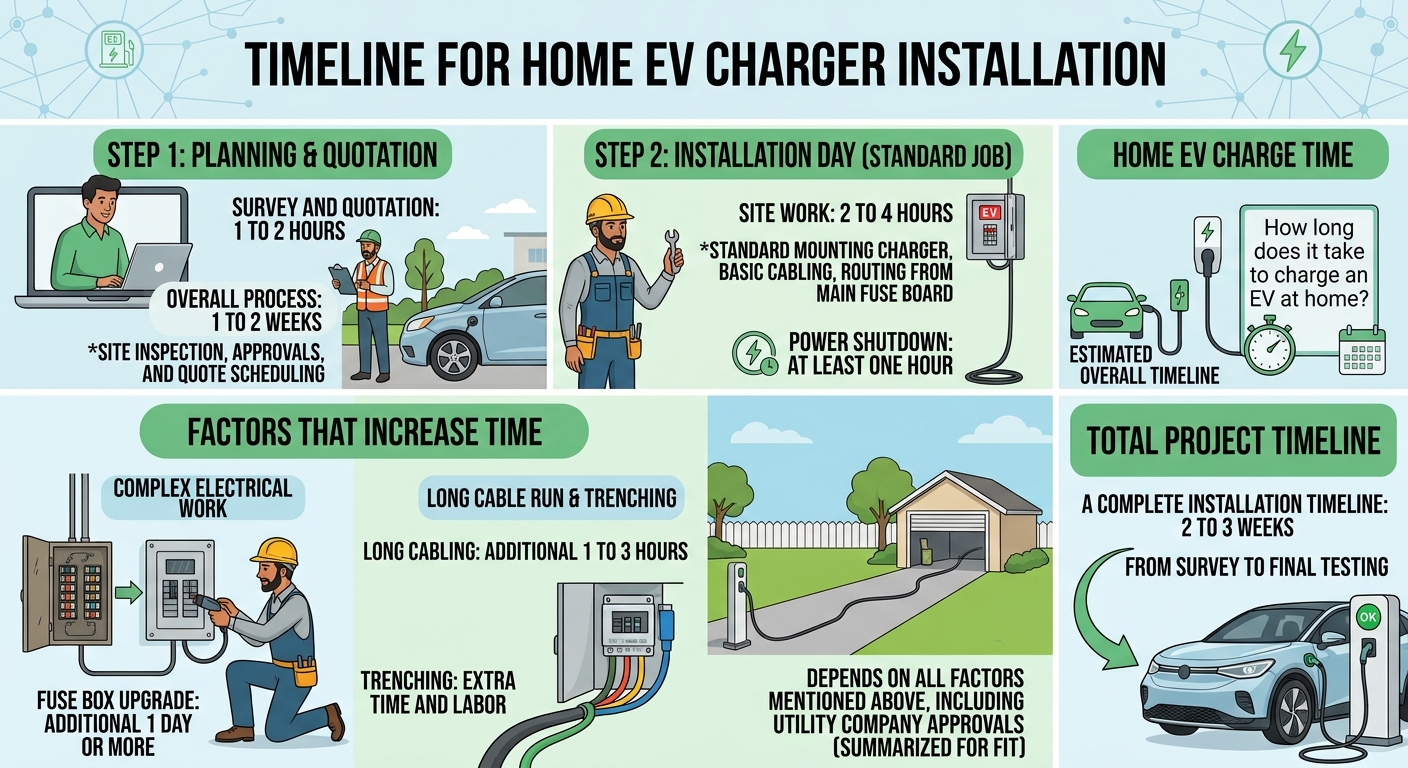
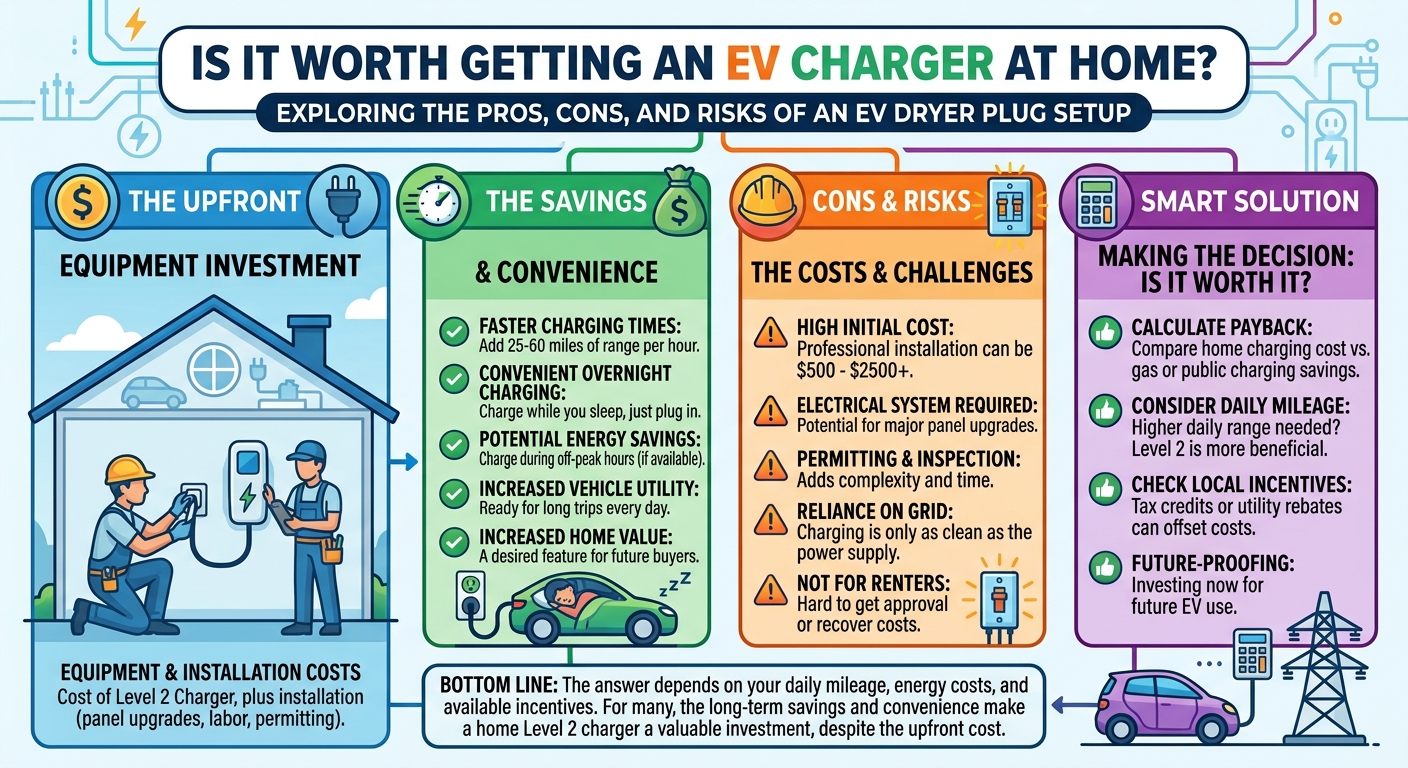
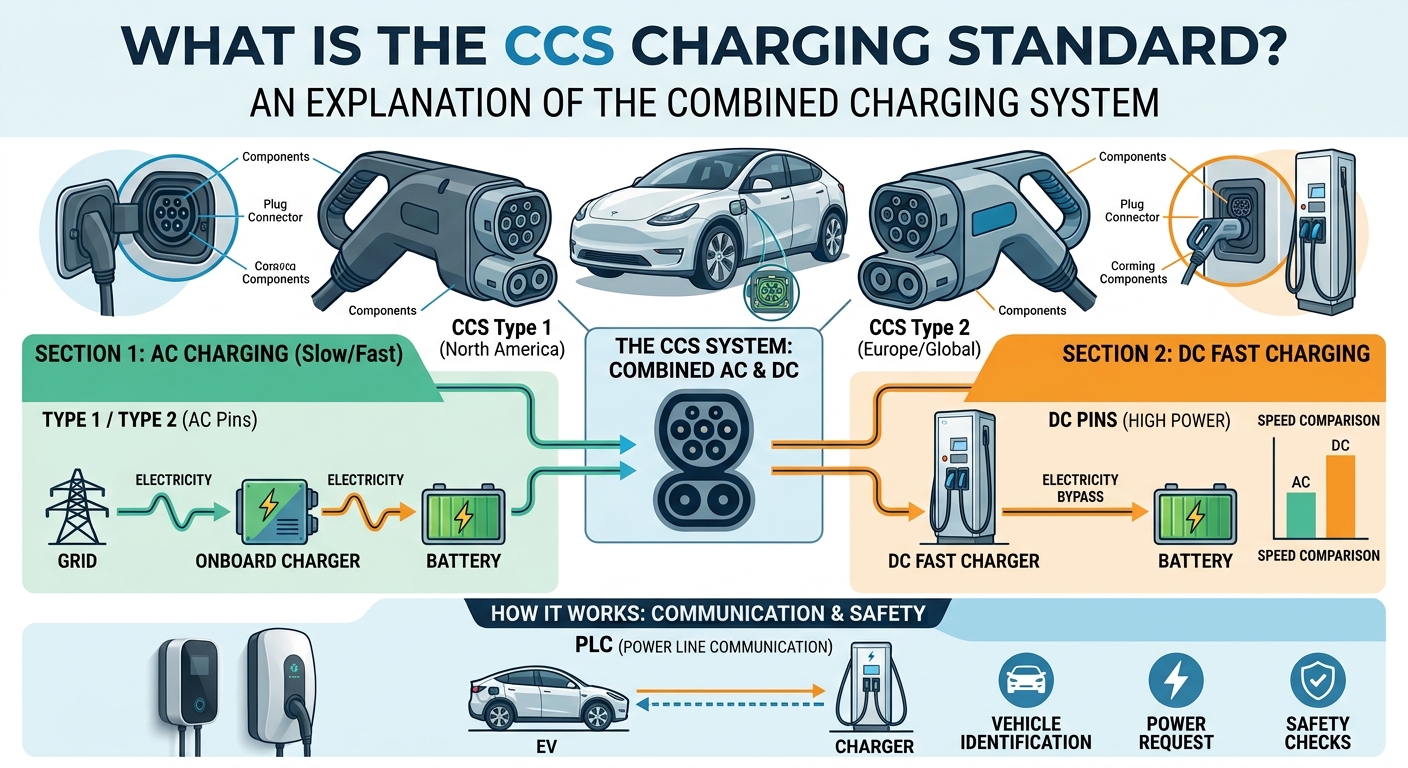
To understand how residential AC equipment handles power delivery and installation logistics, read more about various charging types.
2. The Public Fast-Charging Reality: $11.00 to $13.50 Per 100 Miles
While home charging is exceptionally cheap, relying exclusively on public charging infrastructure alters the financial equation:
-
Commercial Pricing Premiums: Public Level 3 DC fast-charging networks require massive capital investments, commercial land leases, and heavy-duty grid tie-ins. Consequently, network operators charge significantly higher per-kWh rates—often ranging from $0.35 to $0.50+ per kWh.
-
The Math on Public Stops: If a vehicle consumes 30 kWh per 100 miles and plugs into a commercial fast charger priced at $0.42 per kWh, the cost to travel 100 miles climbs to roughly $12.60. While still comparable to or slightly cheaper than a high-efficiency hybrid gas car, it is substantially more expensive than charging at home.
To explore how advanced energy distribution, load balancing, and smart household management interact with these electrical demands, check out our guide on smart home EV solutions.
3. Key Factors That Influence Your Cost Per 100 Miles
Not all electric vehicles consume energy at the same rate, and external driving conditions can alter your efficiency:
-
Vehicle Size and Aerodynamics: Large electric pickup trucks and heavy three-row SUVs often consume 45 to 55 kWh per 100 miles due to their sheer mass and aerodynamic drag, increasing the cost to drive 100 miles even at home. Conversely, streamlined sedans like the Tesla Model 3 or Hyundai Ioniq 6 achieve superior efficiency closer to 25 kWh per 100 miles.
-
Weather and Temperature Extremes: Cold winter temperatures force the vehicle’s heating system and battery thermal management to consume significant energy just to keep cells warm, increasing energy consumption per mile by 20% to 35%.
-
Driving Habits and Speed: Pushing an EV at high highway speeds creates exponential aerodynamic resistance, dropping efficiency and raising your per-100-mile operating expenses.
Summary: Maximizing Your Savings
-
Always prioritize home charging and utilize off-peak utility hours to keep your 100-mile driving cost as low as $4.50 to $6.00.
-
Treat public fast charging as a convenient tool for road trips rather than an everyday routine to protect your wallet.
For comprehensive insights on EV infrastructure planning, charging safety, and expert advisory services, visit us at EV Charger Advisor.





Leave a Reply