
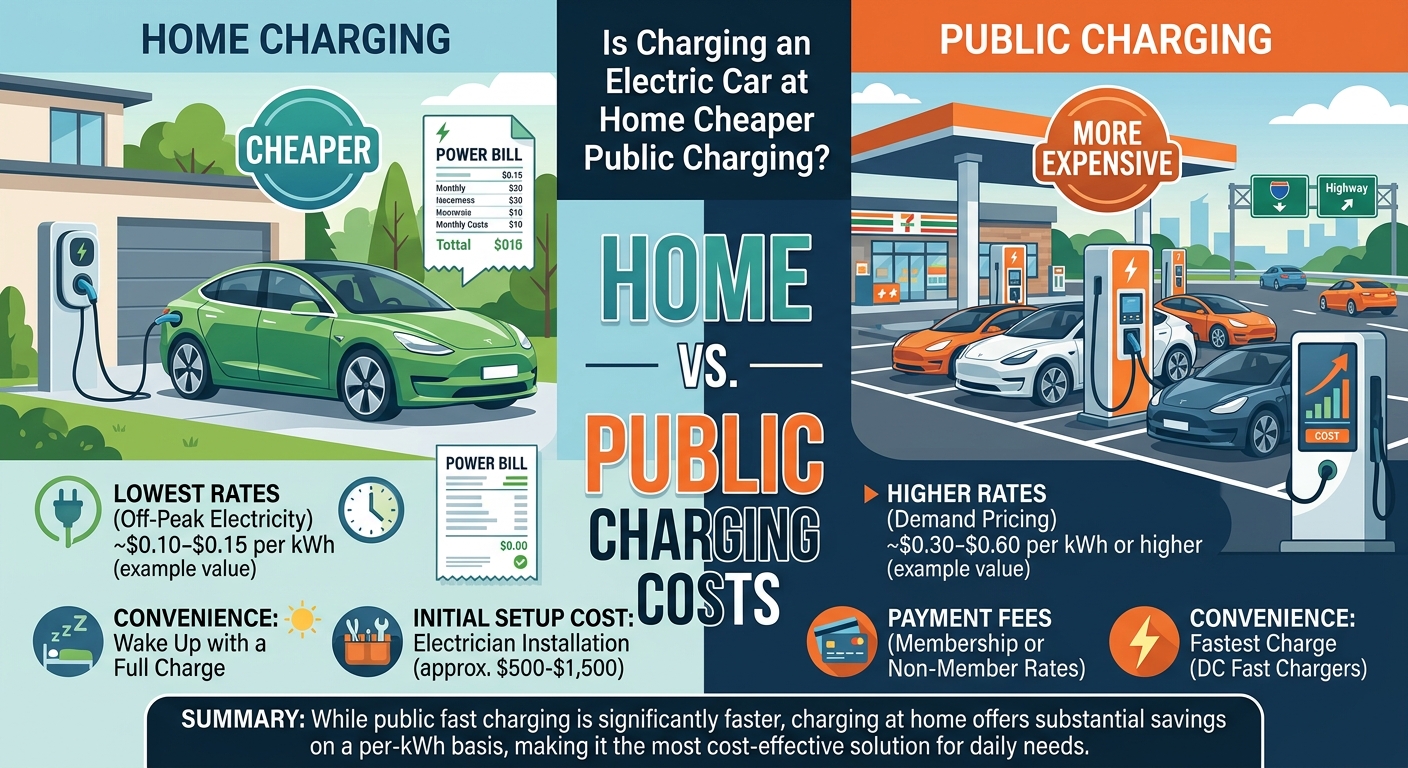
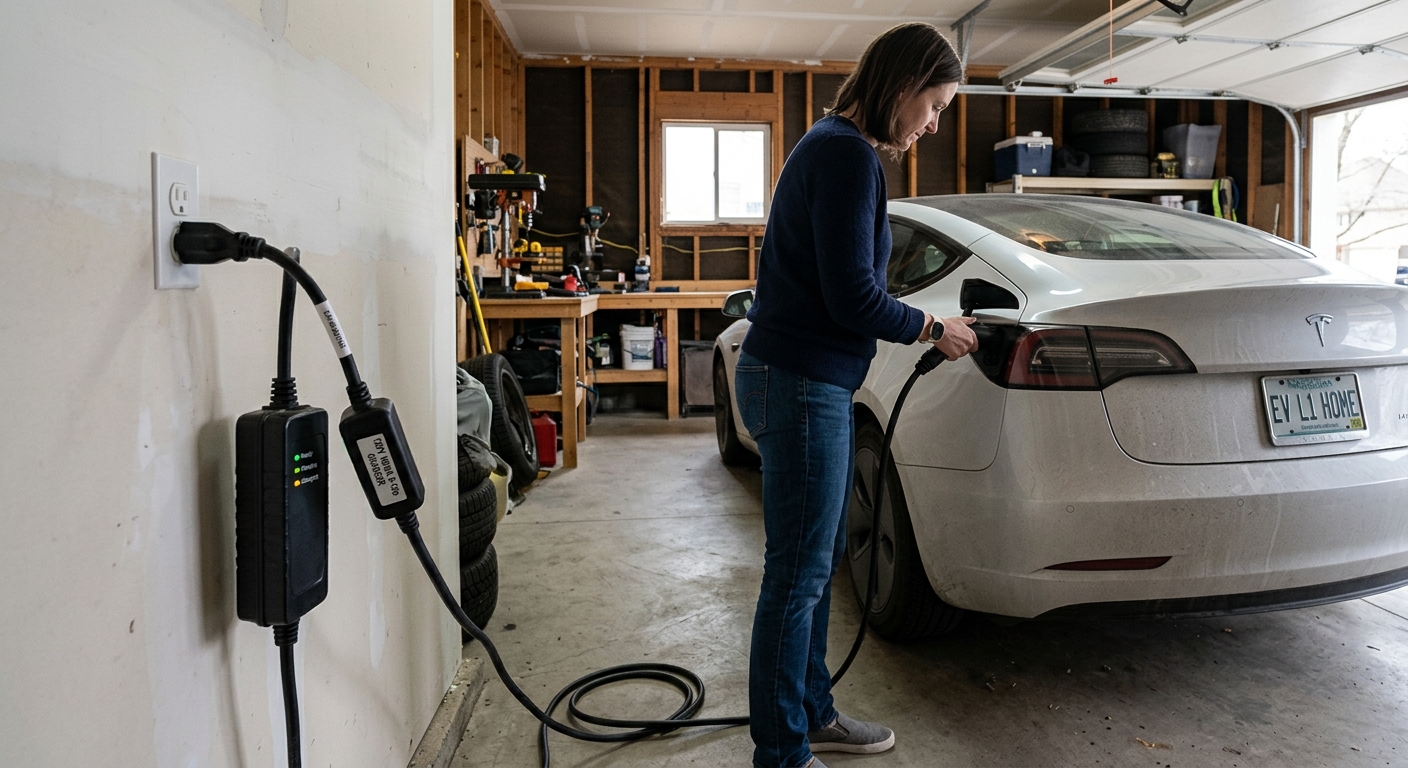
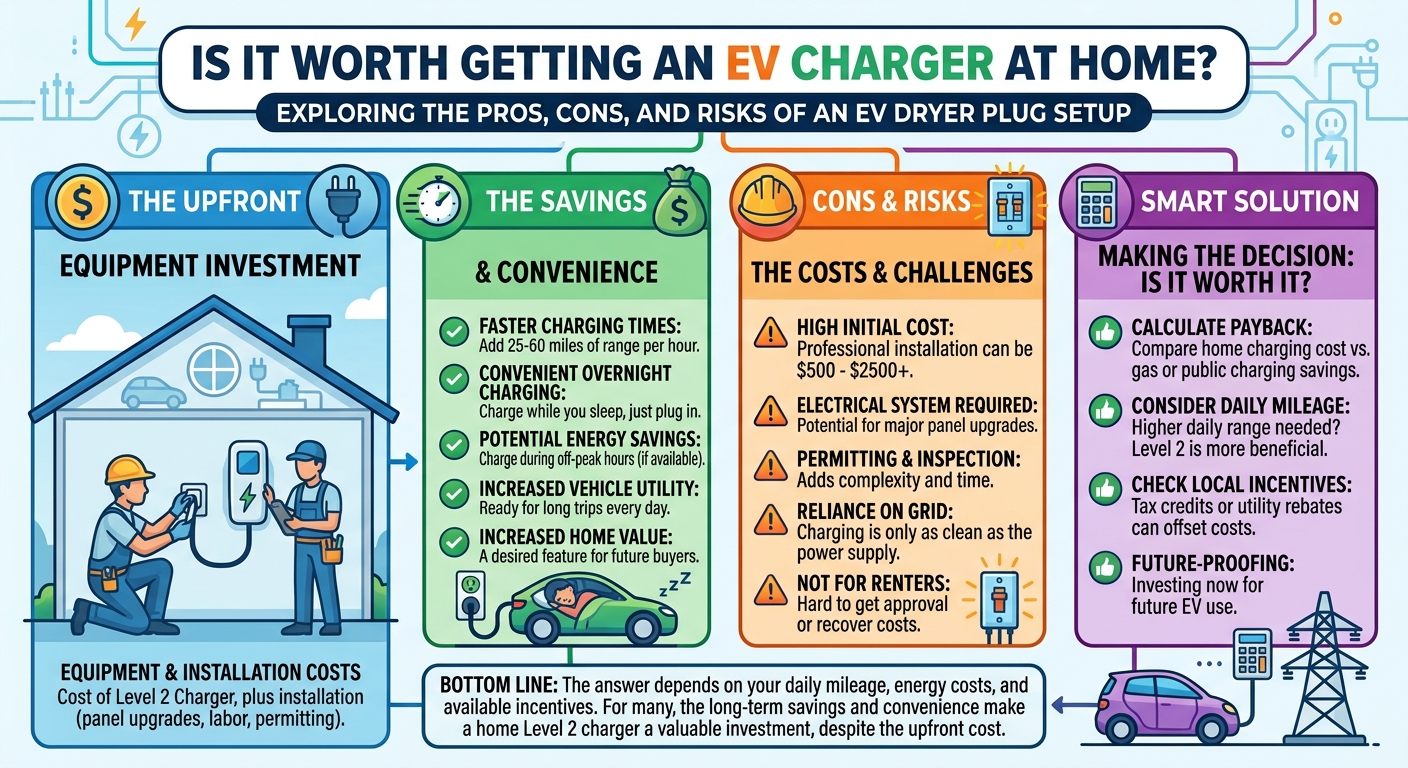
Transitioning from an internal combustion engine vehicle to an electric vehicle (EV) unlocks massive lifetime fuel savings, but the degree of your financial savings depends heavily on where you plug in. New electric vehicle owners frequently wonder how residential power expenses compare to public network fees. To answer directly: Yes, charging an electric car at home is significantly cheaper than using public charging stations.
While charging at home leverages low residential utility tiers—especially when combined with overnight time-of-use (TOU) rates—public charging stations (particularly DC fast-charging networks) incorporate heavy commercial markups, real estate leases, high equipment maintenance overhead, and demand charges. These additional business costs mean public fueling can easily cost two to three times more per kilowatt-hour (kWh) than residential power.
Here is an extensive, comprehensive 2000-word breakdown examining the real-world economics of home versus public charging, mathematical cost comparisons, utility tariff structures, equipment hardware choices, and strategic ways to maximize your overall savings.
1. The Core Economic Reality: Home vs. Public Rates
To understand why home charging holds a massive financial advantage, we must look at how energy is priced across different sectors:
-
Residential Electricity Pricing: Home electricity is billed under domestic utility tariffs designed for continuous consumer use (such as lighting, appliances, and HVAC systems). Depending on your region, residential rates generally range from $0.11 to $0.25 per kWh (or equivalent local currency metrics). Furthermore, homeowners can frequently enroll in specialized Time-of-Use (TOU) programs that drop electricity rates to rock-bottom prices during late-night hours.
-
Commercial and Public Network Pricing: Public charging stations operate as commercial businesses. Operators must recover capital expenditures for expensive hardware, pay commercial industrial utility tariffs, cover land leases, maintain payment processing networks, and absorb high peak demand fees levied by utility grids. Consequently, public AC destination charging typically costs between $0.20 and $0.35 per kWh, while public DC fast charging (DCFC) frequently surges anywhere from $0.40 to $0.60+ per kWh.
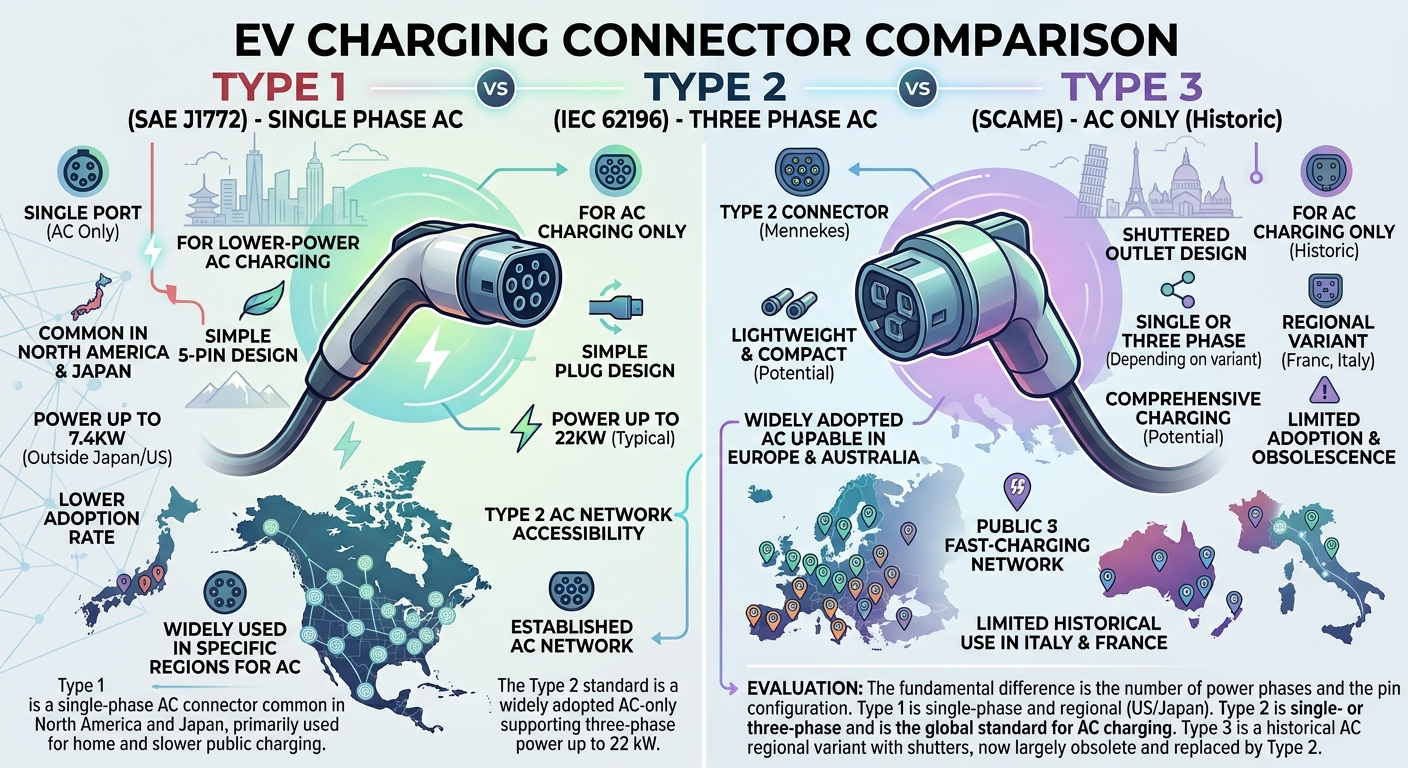
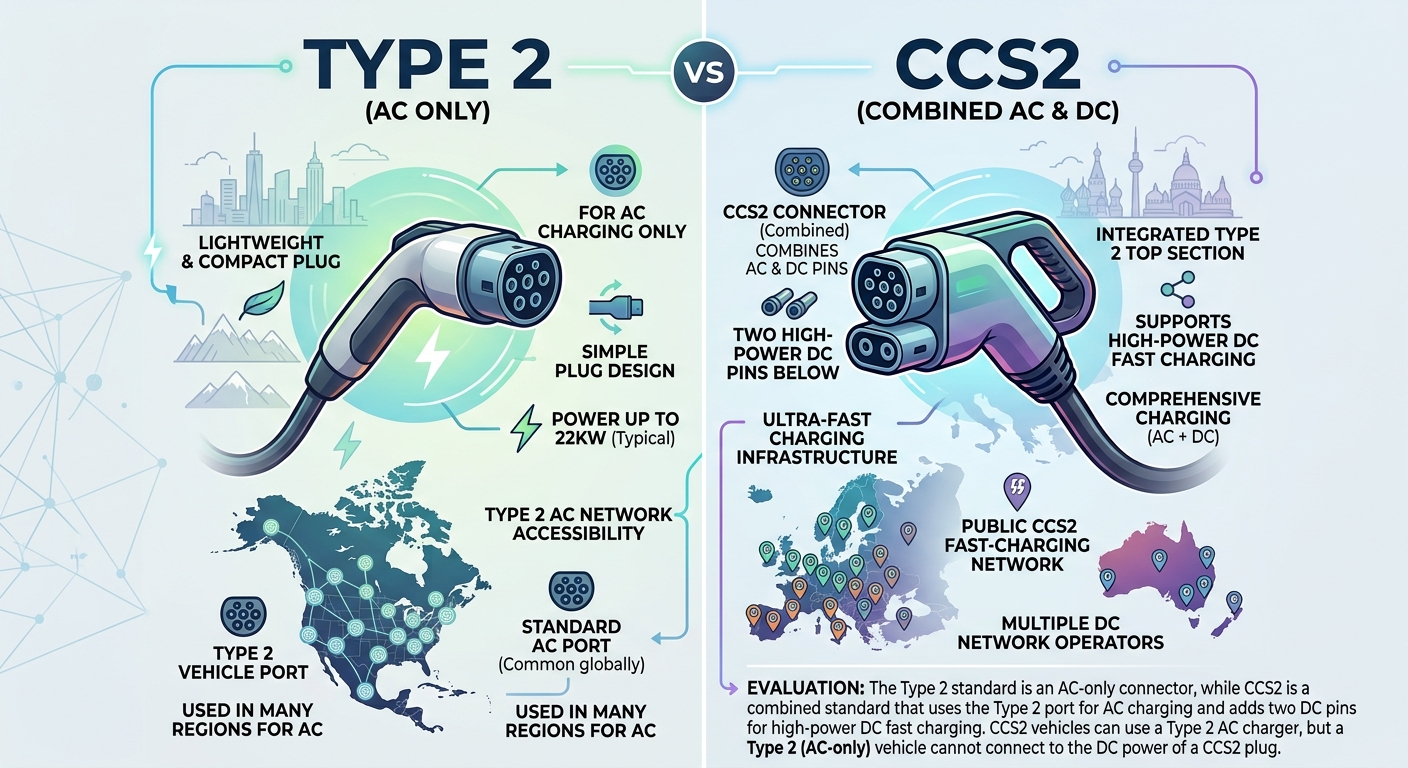
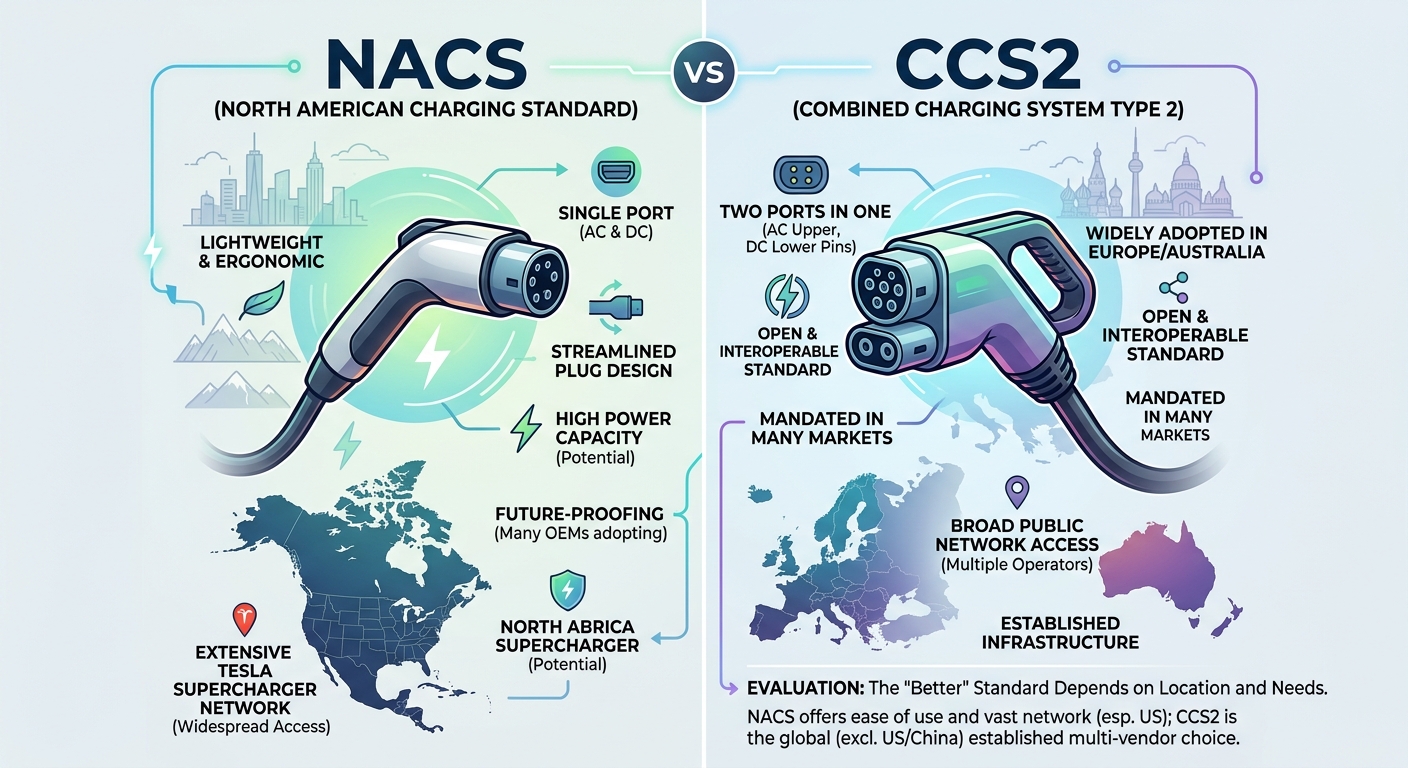
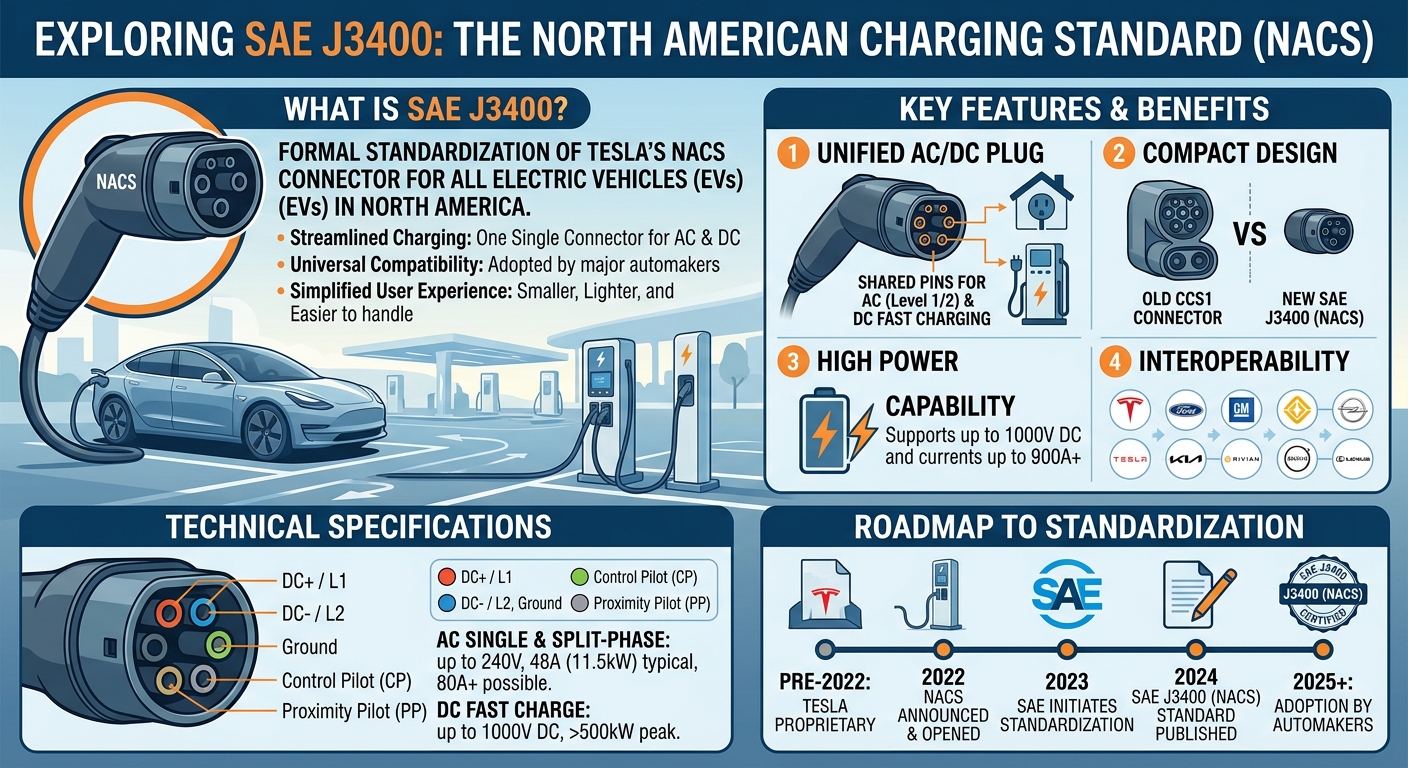
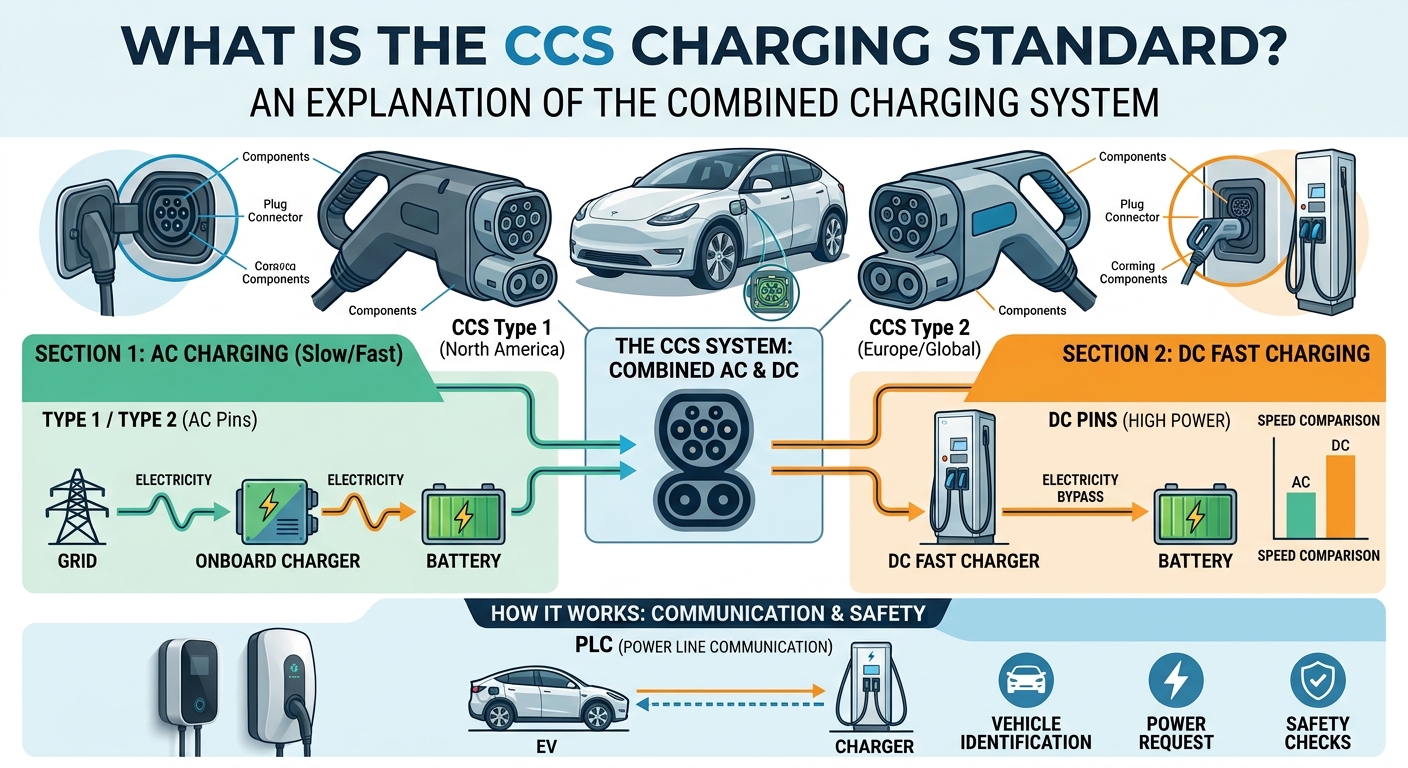
To see how home infrastructure and equipment hardware choices influence these baseline rates, read more about various charging types.
2. Side-by-Side Mathematical Cost Breakdown
Let us examine a practical, real-world numerical comparison to see how these per-kWh differences impact your wallet.
Imagine you drive a popular modern electric vehicle featuring a usable battery capacity of 75 kWh, and you need to replenish your battery from a 20% state of charge up to 80% (a 45 kWh energy addition). Factoring in a standard 90% home charging efficiency loss, your home meter draws roughly 50 kWh of energy.
Scenario A: Charging at Home (Off-Peak Residential Rate)
-
Energy Drawn: 50 kWh
-
Residential Rate: $0.15 per kWh
-
Total Cost for Session:
$$50 \text{ kWh} \times \$0.15 = \$7.50$$ -
Result: You receive roughly 200+ miles of driving range for less than the price of a fast-food meal.
Scenario B: Charging at a Public DC Fast-Charging Station
-
Energy Drawn: 50 kWh (accounting for fast-charging thermal efficiency)
-
Commercial DCFC Rate: $0.48 per kWh
-
Total Cost for Session:
$$50 \text{ kWh} \times \$0.48 = \$24.00$$ -
Result: The exact same amount of energy costs more than triple when purchased at a public high-speed corridor.
Over a full year of driving 12,000 to 15,000 miles, relying exclusively on public charging can easily cost over $1,500 to $2,000 annually, whereas a home charging routine drops those yearly fuel expenses down to just $500 to $700.
To explore how smart home energy management, automated scheduling, and load balancing can optimize your residential utility bills further, check out our guide on smart home EV solutions.
3. Understanding the Hidden Costs of Public Charging
Why are public charging stations so much more expensive than a wall outlet in your garage? Several commercial factors drive up public pricing:
-
Demand Charges: Commercial electricity providers penalize businesses (including charging station operators) based on their peak power spikes. If multiple electric vehicles plug into 350 kW ultra-fast stalls simultaneously, the site’s power demand spikes dramatically, triggering massive utility penalties that operators pass on to consumers.
-
Capital Expenditure (CapEx) Amortization: Heavy-duty DC fast-charging cabinets, liquid-cooled cables, and high-voltage transformers require hundreds of thousands of dollars in upfront investment. Public networks must price their energy to recover these equipment costs and achieve profitability.
-
Convenience and Location Premium: Public stations positioned along highway travel corridors or prime urban real estate command higher prices because drivers are paying for immediate time-saving convenience during long-distance trips.
For comprehensive insights on EV infrastructure planning, charging safety standards, and expert advisory services, visit us at EV Charger Advisor.
4. When Does Public Charging Make Sense?
Despite the higher cost per kWh, public charging is not “bad”—it serves an entirely different purpose in the EV ecosystem:
-
Long-Distance Road Trips: When you are traveling hundreds of miles across state or national borders, home charging is physically out of reach. Public DC fast charging is essential for rapid 20-to-40-minute top-ups that keep your journey moving.
-
Apartment and Multi-Unit Dwellings: Drivers who live in rental units, condos, or homes without dedicated garage parking rely on public level 2 destination chargers or neighborhood hubs out of necessity.
-
Opportunistic Top-Ups: Plugging in while grocery shopping, working, or visiting public venues offers convenient, incremental range replenishment.
Summary: Maximizing Your EV Savings
-
Home Charging is King: Charging your EV at home using residential electricity rates remains the single most effective way to maximize your financial savings, cutting your annual fuel expenses by 50% to 70% compared to gasoline and public networks.
-
Strategic Hybrid Approach: Treat home charging as your primary daily fuel source, and reserve public fast charging strictly for highway road trips and emergency top-ups.





Leave a Reply