
Purchasing a Tesla Wall Connector is an exciting milestone for any electric vehicle owner, representing the transition to fast, convenient, and seamless home refueling. However, once the sleek charging hardware arrives at your doorstep, a major practical question immediately arises: How much should a licensed professional charge to put it on your garage wall and hook it up to your electrical grid?
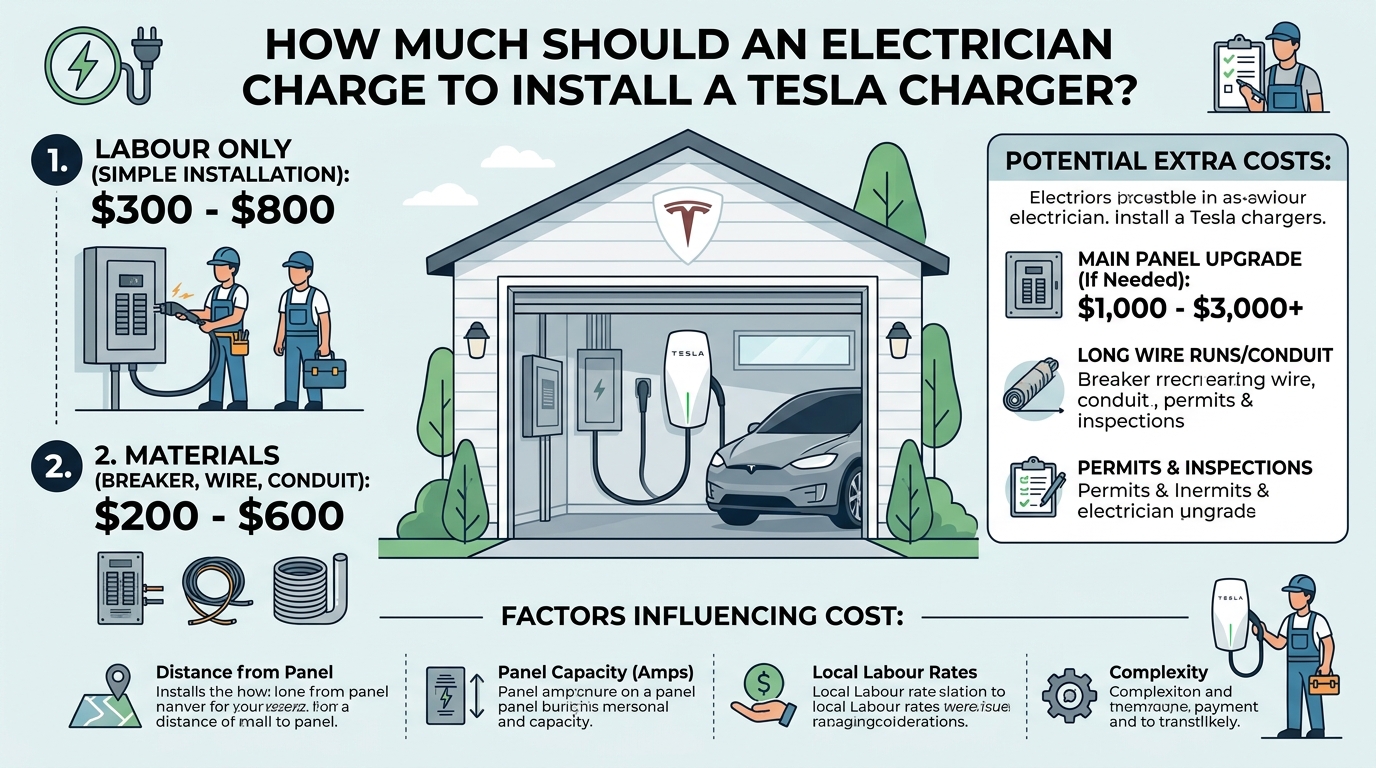
To answer directly: An electrician typically charges $400 to $1,200 just for the labor and installation of a Tesla Wall Connector if you already own the charger, while complex setups involving long wire runs or electrical panel upgrades can push total project costs from $1,500 to $3,500+.
Unlike plugging in a standard household appliance, installing a Level 2 high-amperage charging station requires a dedicated 240-volt circuit, heavy-gauge copper wiring, a double-pole circuit breaker, and strict adherence to local electrical codes.
Here is an extensive, comprehensive guide breaking down every single factor that influences electrician pricing, labor rates, hardware requirements, and hidden fees when installing a Tesla Wall Connector.
1. The Baseline Cost of Electrician Labor: What to Expect
When you hire a licensed, insured electrician to mount your Tesla Wall Connector and wire it to your electrical service panel, labor makes up a substantial portion of the invoice.
-
The Standard Labor Range: For a straightforward installation where your main electrical panel is located in the garage right next to where the vehicle parks, a licensed electrician will typically charge between $300 and $700 in labor.
-
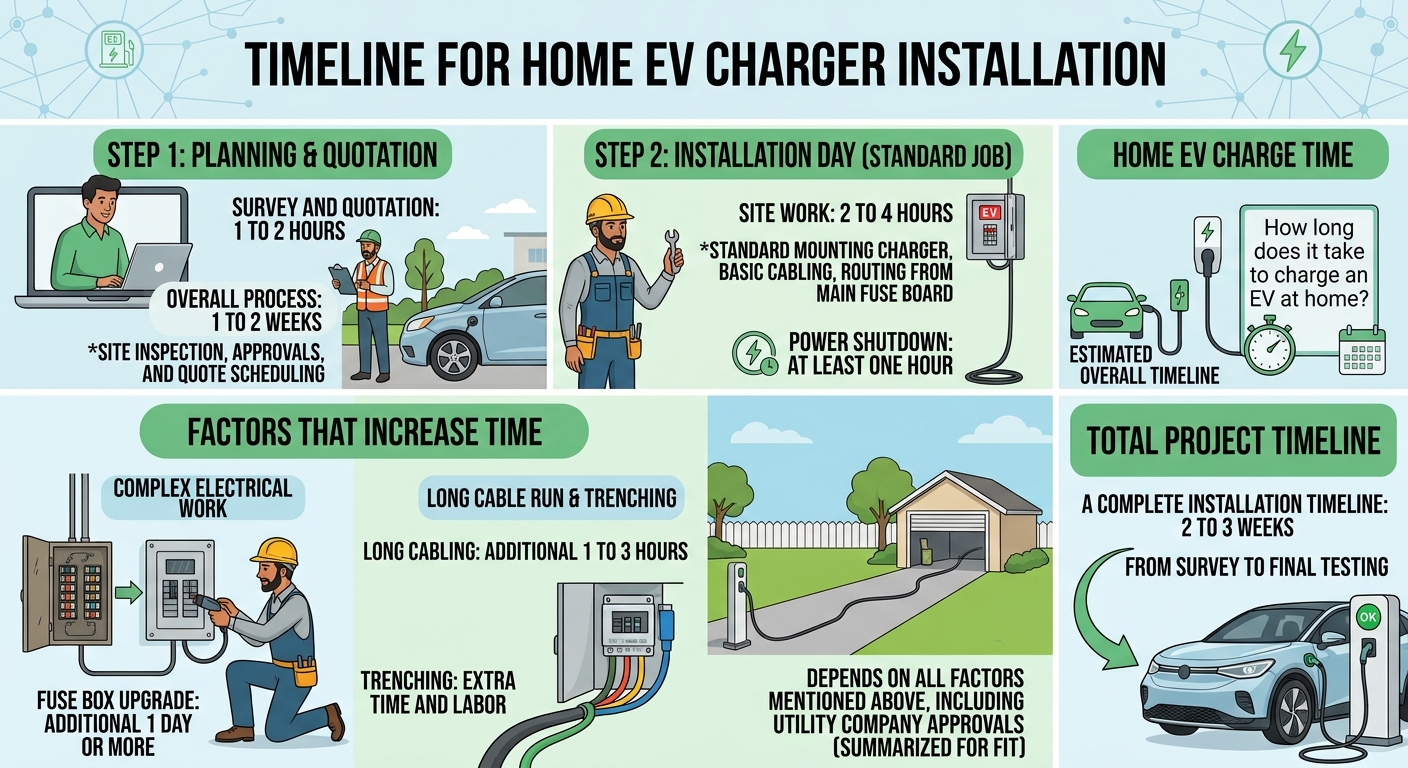
Hourly Rates vs. Flat Project Fees: Many certified electrical contractors prefer to provide flat-rate project bids rather than charging hourly. Standard electrician labor rates range from $90 to $150 per hour depending on your geographic region, local cost of living, and union status. A clean, uncomplicated Tesla Wall Connector install usually takes an experienced crew between 2 to 4 hours from start to finish.
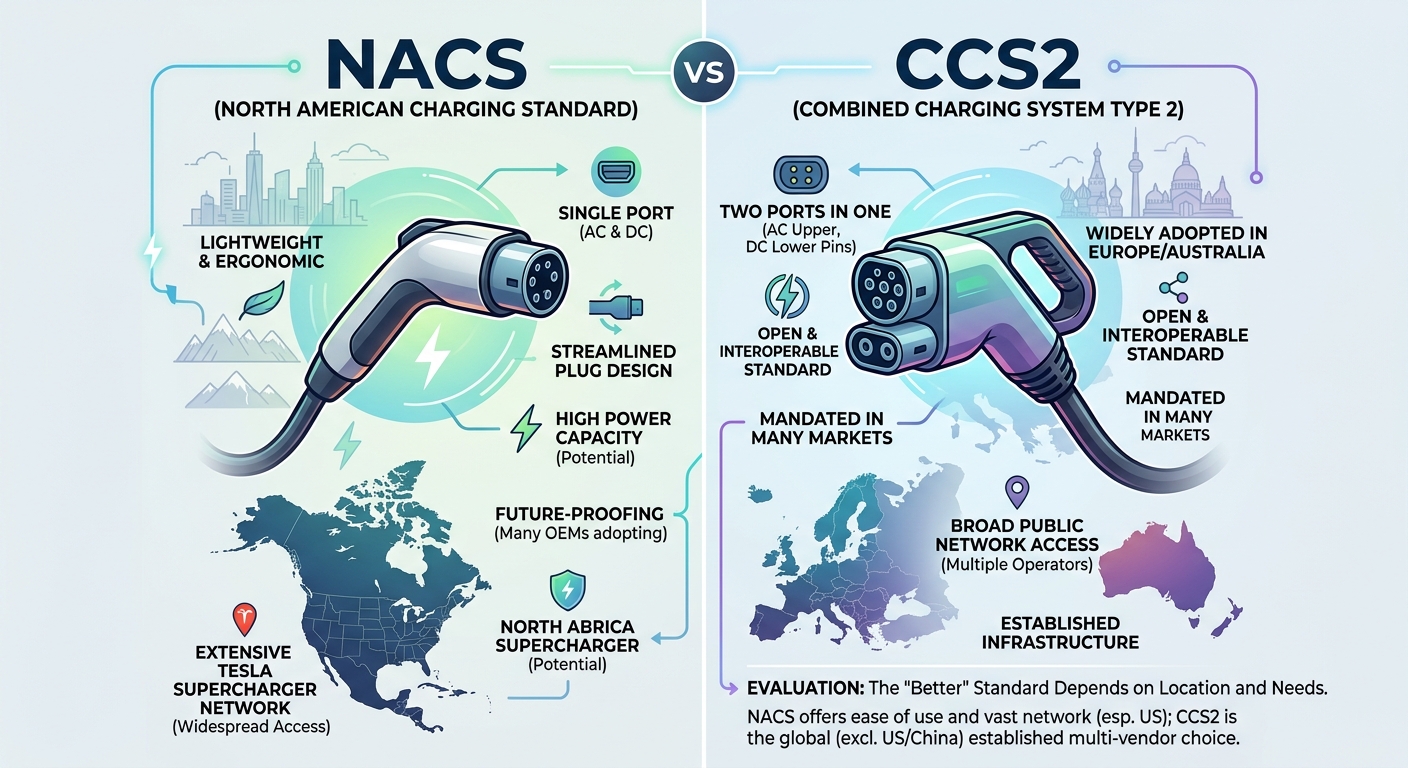
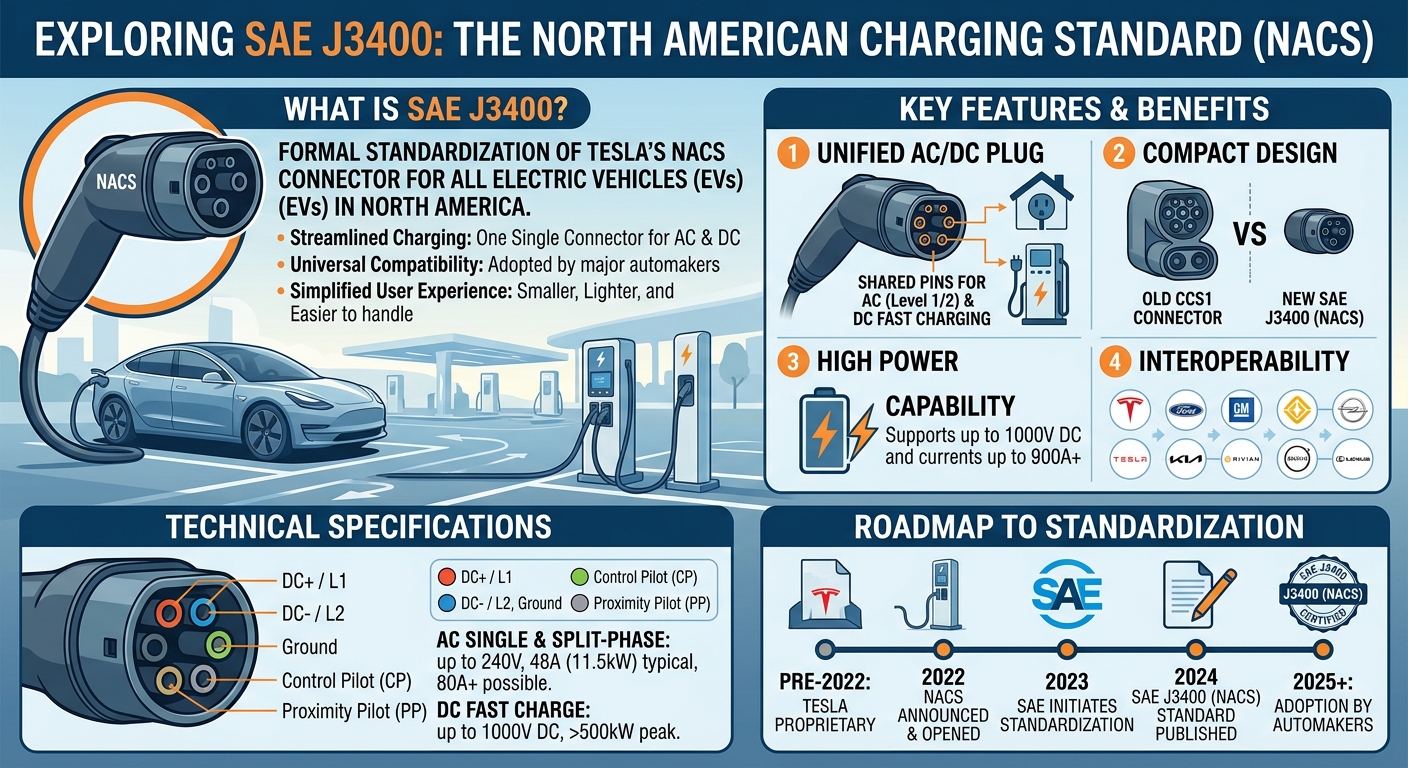
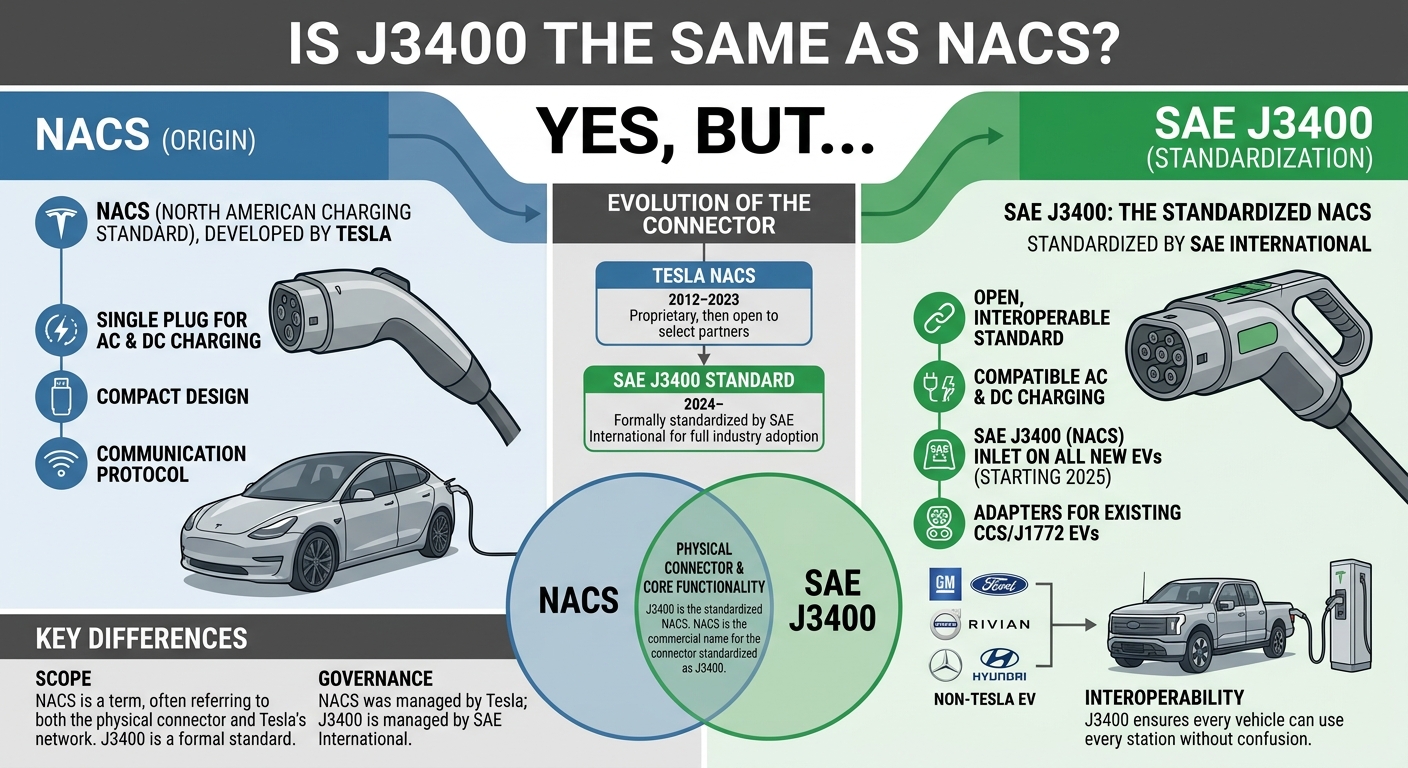
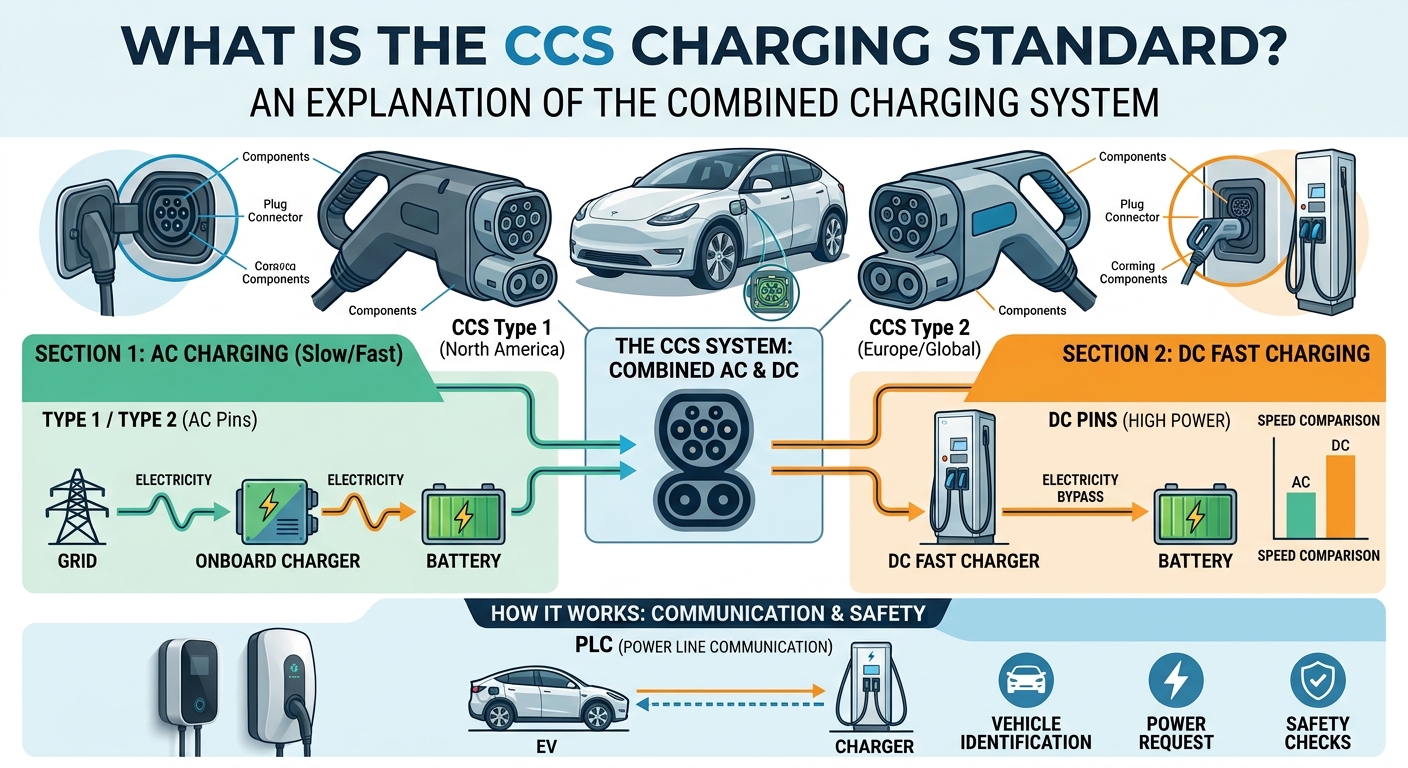
To explore how residential charging hardware compares across different brands and models, read more about various charging types.
2. Key Variables That Drive Up Installation Costs
Not all garages and electrical systems are created equal. Several physical and structural variables can quickly increase the time, material volume, and labor required by your electrician:
-
Distance Between the Panel and Charger: The physical run length of heavy-duty copper wire is one of the biggest cost drivers. If your electrical panel is in the basement on the opposite side of the house from your garage, the electrician must run 30, 40, or 50 feet of thick gauge wire through crawlspaces, attics, or exterior conduits. Copper wire pricing fluctuates, and long runs add hundreds of dollars in materials alone.
-
Hardwired Configuration vs. Outlet Installation: Tesla recommends hardwiring the Wall Connector for maximum safety and continuous 48-amp power output. However, some homeowners prefer a NEMA 14-50 outlet setup for flexibility. Running heavy-gauge THHN copper wire through rigid conduit to a hardwired unit requires precise termination, which professional electricians factor into their bids.
-
Indoor vs. Outdoor Placement: Mounting a charger outdoors requires weather-rated conduit, waterproof outdoor boxes, and specialized sealing compounds to protect against moisture, adding minor material and labor overhead.
To discover how smart energy management and automated load balancing can protect your home’s electrical capacity, check out our guide on smart home EV solutions.
3. The Elephant in the Room: Electrical Panel Upgrades
Before an electrician can install your Tesla Wall Connector, they must perform a load calculation to determine if your home’s electrical service has enough spare capacity to handle a continuous 48-amp draw (which requires a dedicated 60-amp circuit breaker).
-
Do You Have Spare Capacity? Modern homes with 200-amp electrical panels usually have plenty of headroom to support a Level 2 charger without issue.
-
The 100-Amp Panel Dilemma: If your home is older and equipped with a legacy 100-amp or 125-amp electrical panel that is already heavily loaded with major appliances (like electric HVAC systems, water heaters, and ovens), adding a Tesla charger may overload the system.
-
The Cost of a Panel Upgrade: If an electrician determines that your service must be upgraded from 100 amps to 200 amps to safely accommodate the load, expect a major capital expense. A full electrical service panel upgrade typically runs between $1,500 and $4,000+, which is separate from the wall connector labor fee.
4. Permits, Inspections, and Local Code Compliance
Cutting corners on electrical work is dangerous and illegal in most jurisdictions. Professional installations require proper legal documentation:
-
Permit Fees: Most local municipalities require an electrical permit for installing dedicated 240V high-amperage EV charging circuits. Permit fees generally range from $50 to $200.
-
Mandatory Inspections: After the installation is complete, a city or county electrical inspector will visit your home to verify that the breaker size, wire gauge, conduit depth, and torque specs comply with the National Electrical Code (NEC). Always ensure your electrician pulls the necessary permits.
For comprehensive insights on EV infrastructure planning, safety standards, and expert advisory services, visit us at EV Charger Advisor.
5. Tips for Getting Fair Pricing From Electricians
To ensure you do not overpay for your Tesla Wall Connector installation, keep these strategic tips in mind:
-
Get Multiple Quotes: Reach out to at least three different local electrical contractors. If you use Tesla’s certified installer network, compare their bids against independent local electricians.
-
Ask Itemized Questions: Ensure quotes clearly separate labor, materials (wire length, conduit, breaker), permit fees, and any potential panel modification costs.
-
Leverage Utility Rebates: Many local electric utility companies and state governments offer generous cash-back rebates or tax credits that cover up to 50% or more of the total hardware and installation costs.
Summary: What Is a Fair Price to Pay?
-
If your electrical panel is in the garage and has spare capacity, expect to pay $400 to $1,000 total for professional electrician labor and materials.
-
If your home requires long wire runs, outdoor trenching, or a major electrical service panel upgrade, total project costs can easily range from $1,500 to $4,000+.





Leave a Reply