
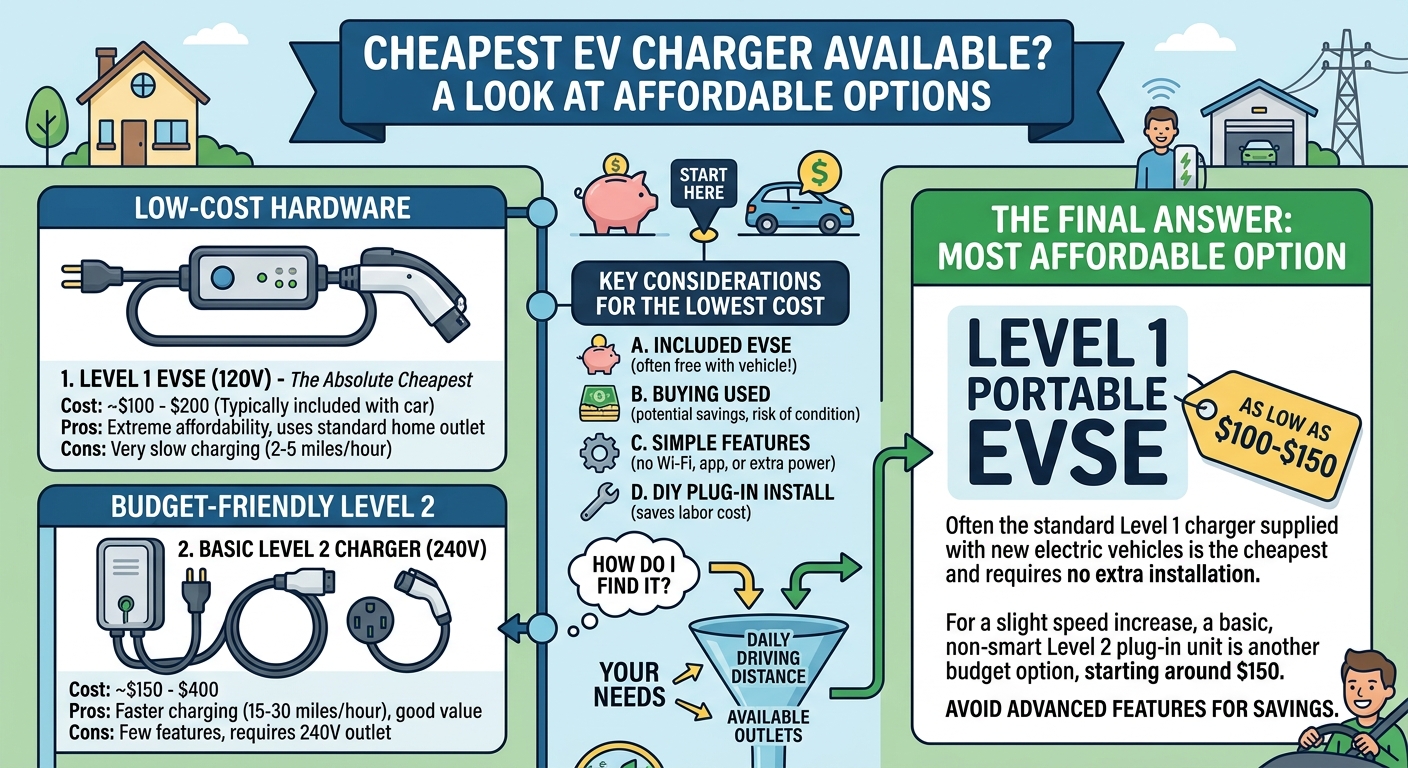
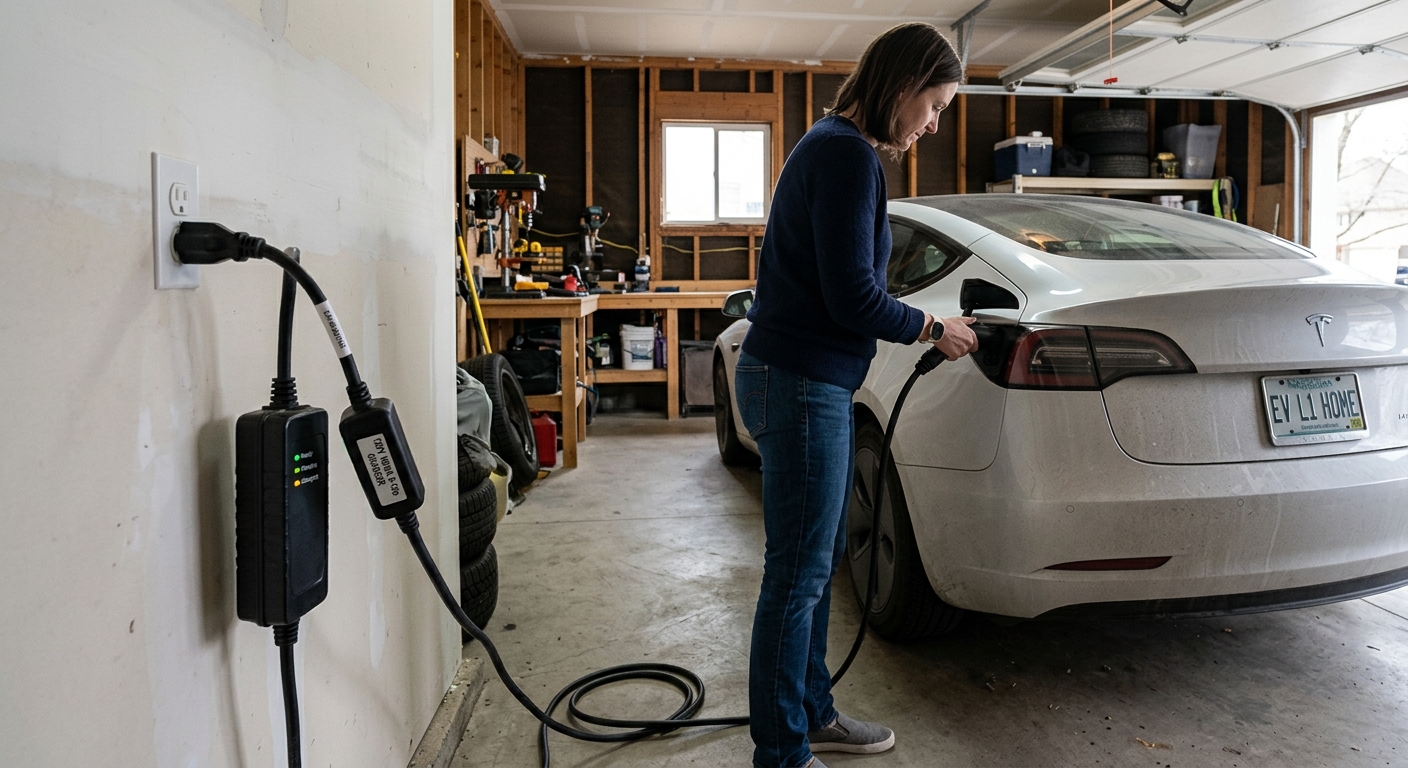
The cheapest EV charger is the Level 1 charging cord that usually comes with your car, which costs nothing extra and plugs into a standard outlet. If you want faster charging, budget Level 2 chargers start at roughly $200 to $450, while mainstream smart models cost about $450 to $750. But the charger is only part of the bill: professional installation often adds $500 to $1,800.
Prices are in US dollars and reflect 2026 estimates. Prices change often by retailer and promotion, so confirm current pricing before you buy.
Cheapest EV Charger Options at a Glance
| Option | Typical price | Speed | Best for |
|---|---|---|---|
| Level 1 cord (included with most EVs) | $0 extra | Slow; about 3 to 5 miles of range per hour | Short commutes, occasional top-ups |
| Budget Level 2 charger | About $200 – $450 | Much faster; typically 7.7 to 11.5 kW | Daily home charging on a tight budget |
| Mainstream smart Level 2 charger | About $450 – $750 | Up to 11.5 kW, with apps and extras | Owners who want scheduling and monitoring |
If you drive only short distances each day, the Level 1 cord may be all you need. Learn more in our Level 1 charging guides.
What Are the Cheapest Level 2 EV Chargers?
Several budget-friendly models are often named in 2026 buying guides:
- Grizzl-E Classic. A simple, rugged 40-amp charger often recommended as a budget pick.
- Emporia Level 2. A 48-amp smart charger frequently cited as one of the lowest-priced smart options.
- Lectron V-Box. Often listed as one of the cheapest ways to get full 48-amp charging.
- Autel MaxiCharger AC Lite. Sometimes named as a lower-cost option with NACS plug availability.
These are examples, not recommendations. Models, features and prices change. Always check the current price, certifications and warranty before you buy.
Is the Cheapest Charger Really the Cheapest Overall?
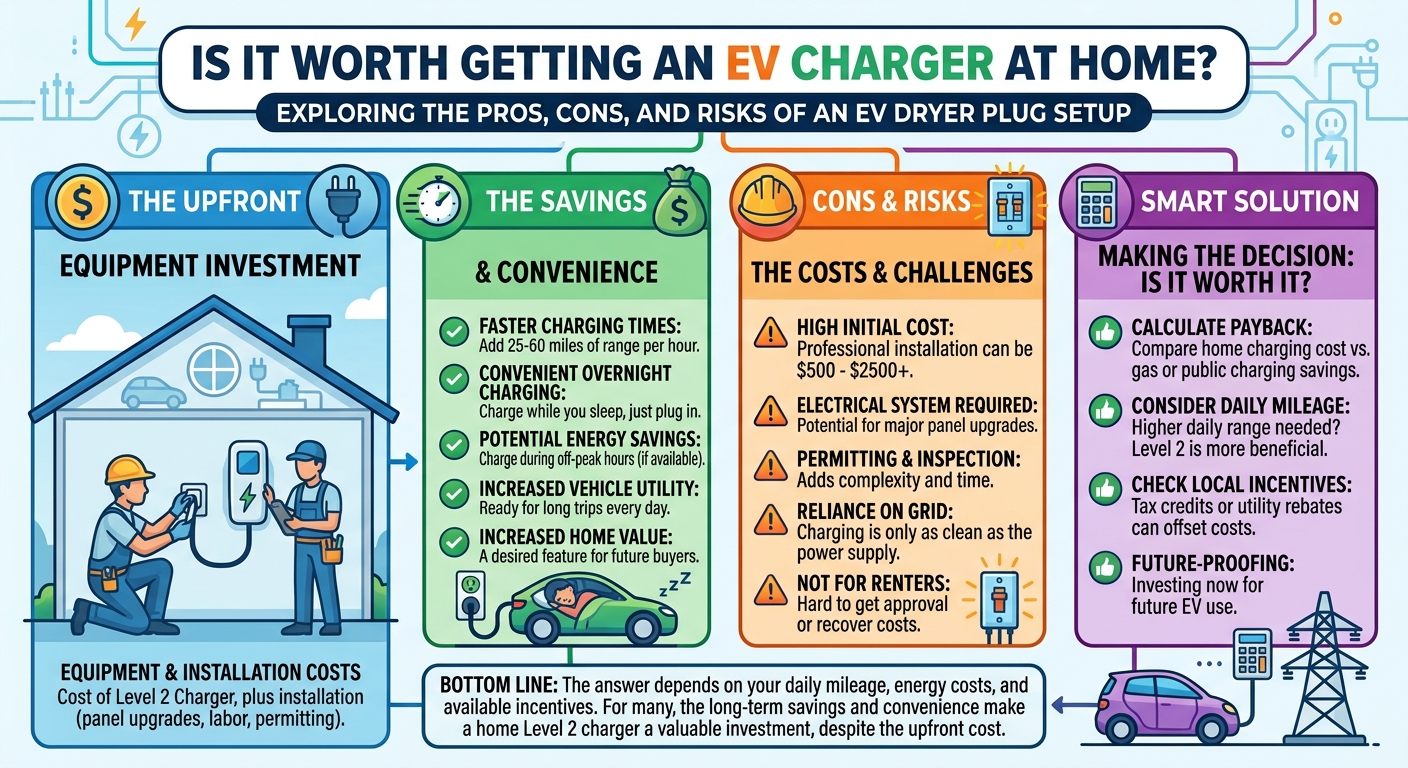
Not always. The full cost of home charging includes:
| Cost item | Typical range |
|---|---|
| The charger | $200 – $750 |
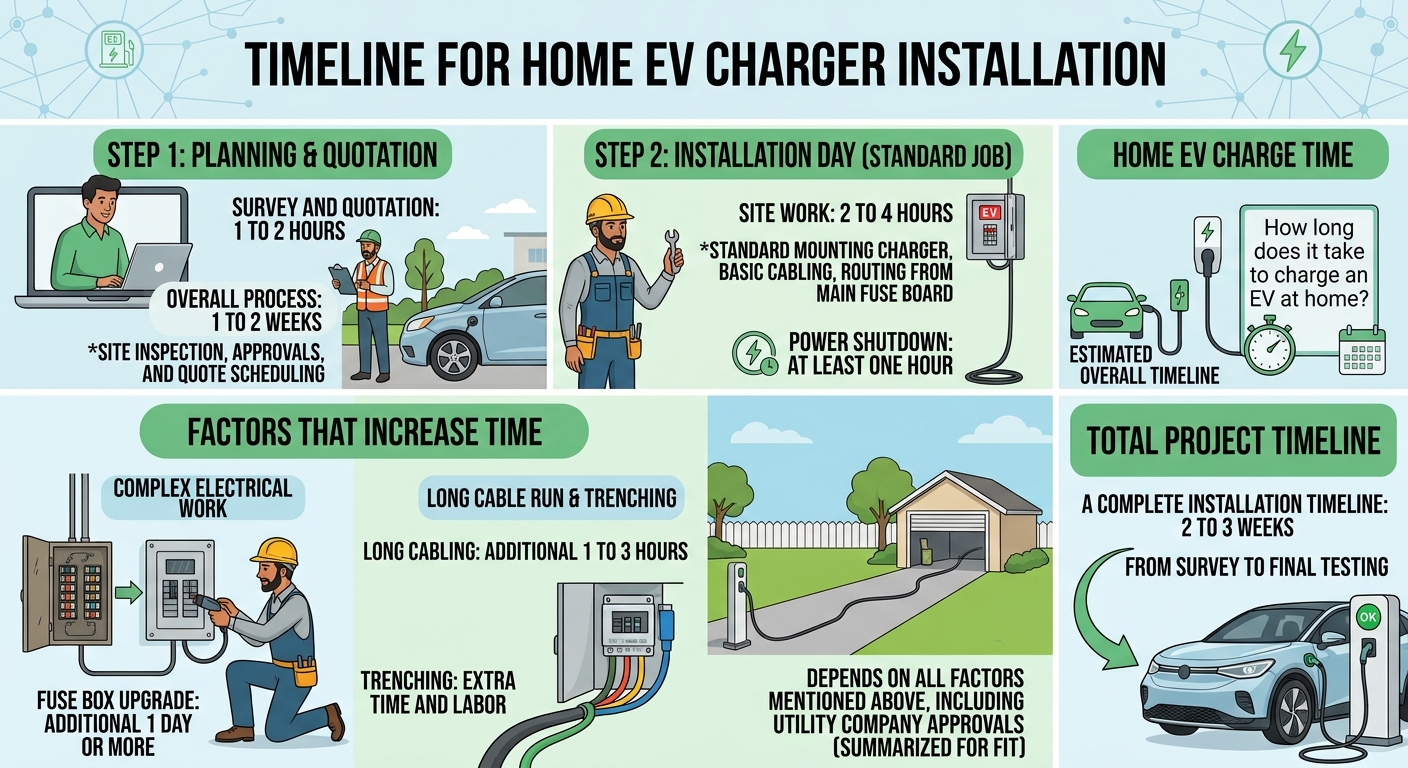
| Electrician labor and materials | $500 – $1,800 |
| Permit and inspection | Varies by city |
| Panel upgrade (only if needed) | Extra |
In many homes, installation costs more than the charger. A $250 charger with a $1,500 install still costs about $1,750. The cheapest total usually comes from:
- A charger that matches your existing circuit.
- A short wire run from the panel.
- A plug-in charger if you already have a 240-volt outlet nearby.
See our full guide on how much it costs to install an EV charger.
What to Check Before Buying a Cheap EV Charger
- Safety certification. Look for a recognized listing such as UL or ETL. Avoid unlisted chargers, since cheap uncertified units can be a fire and insurance risk.
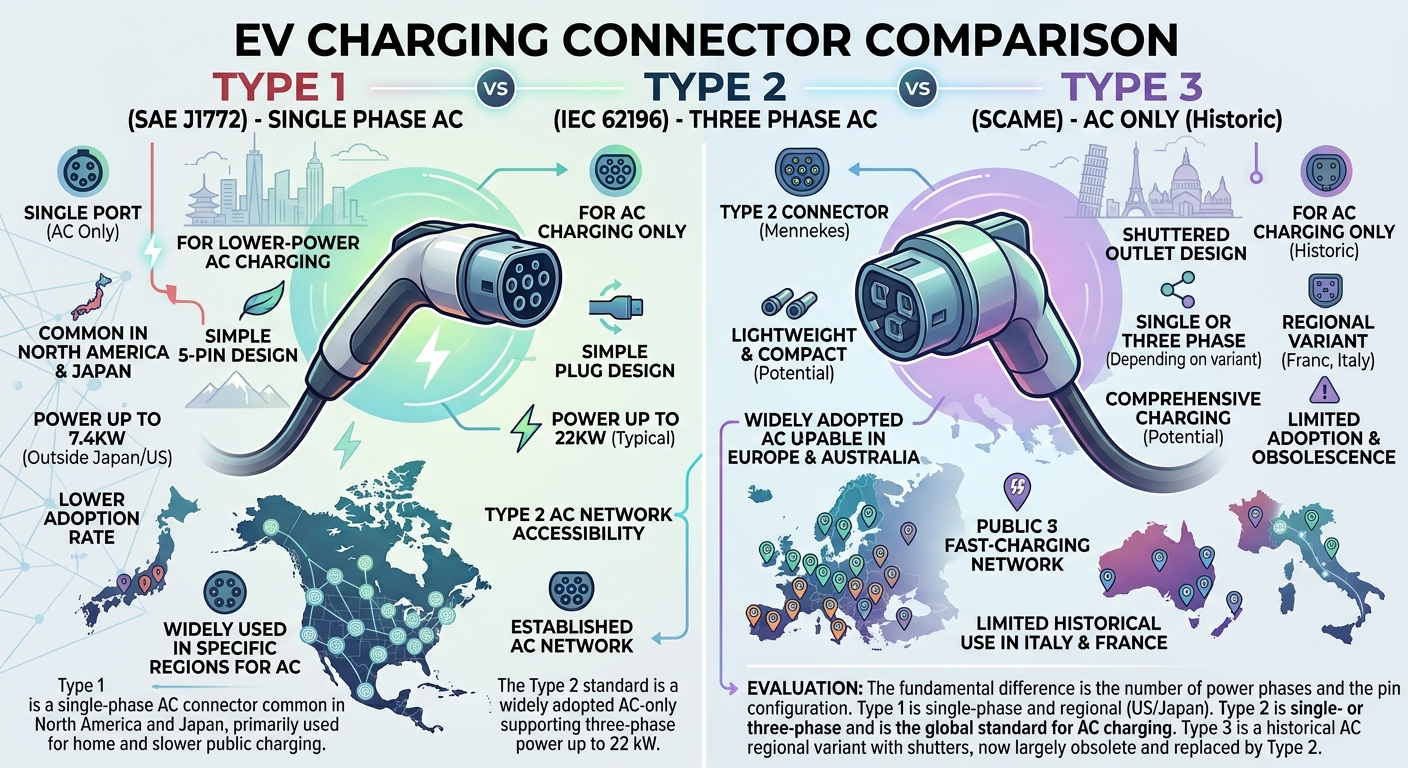
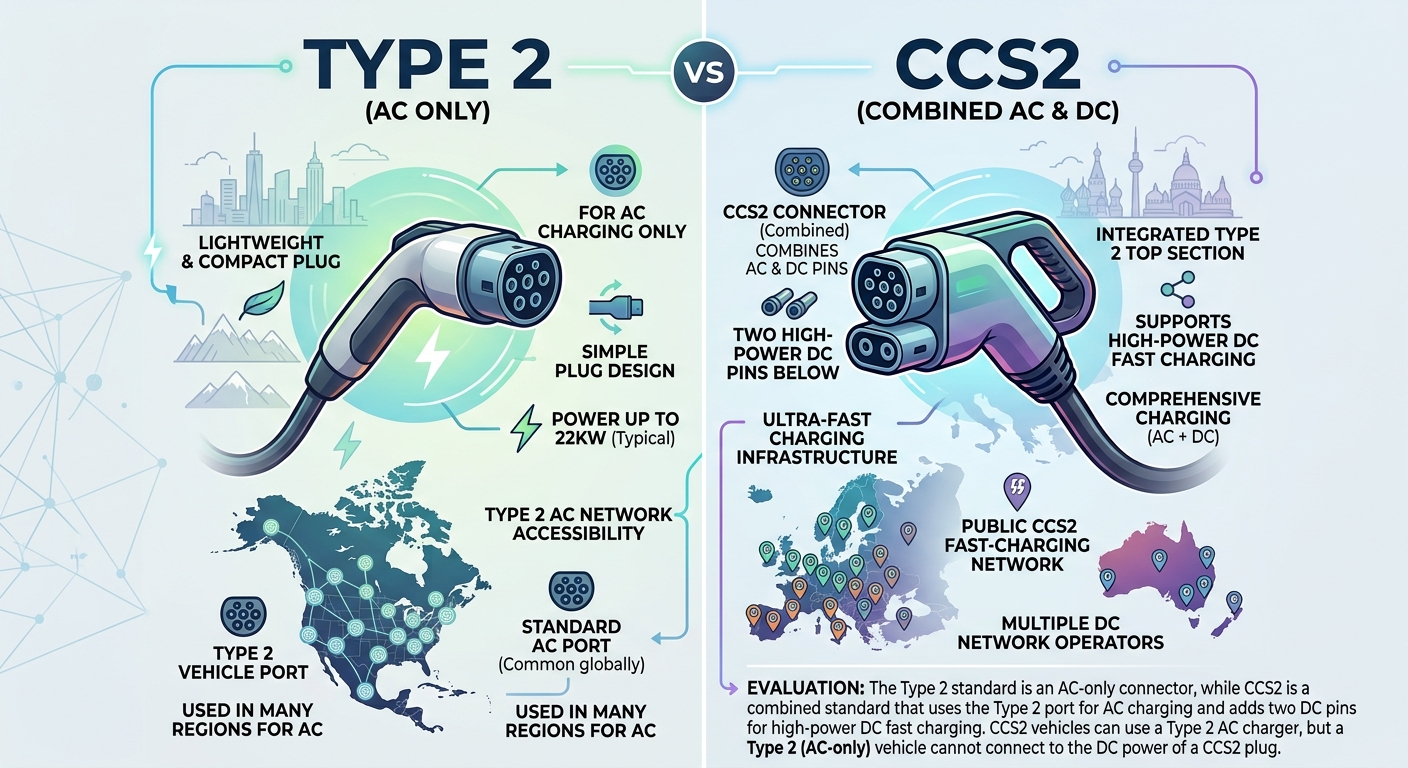
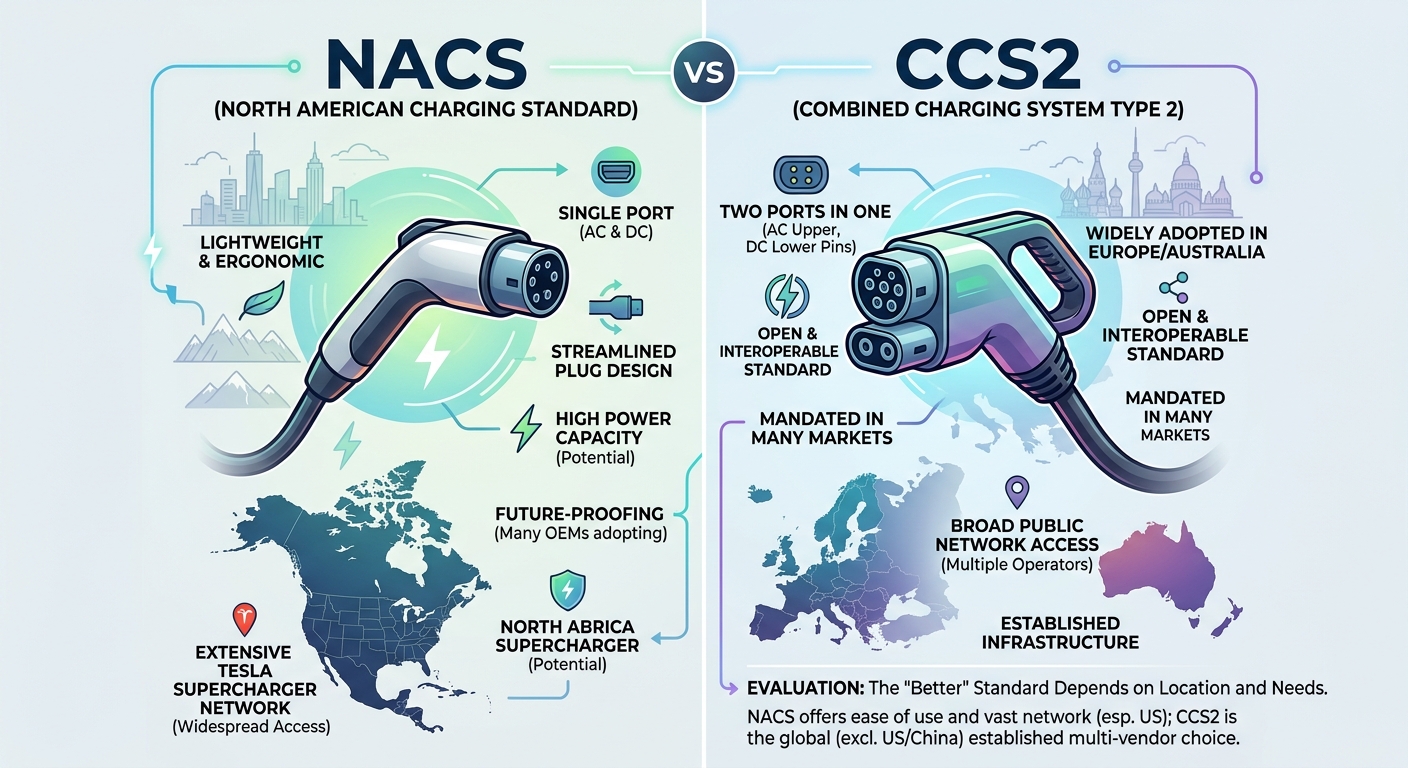
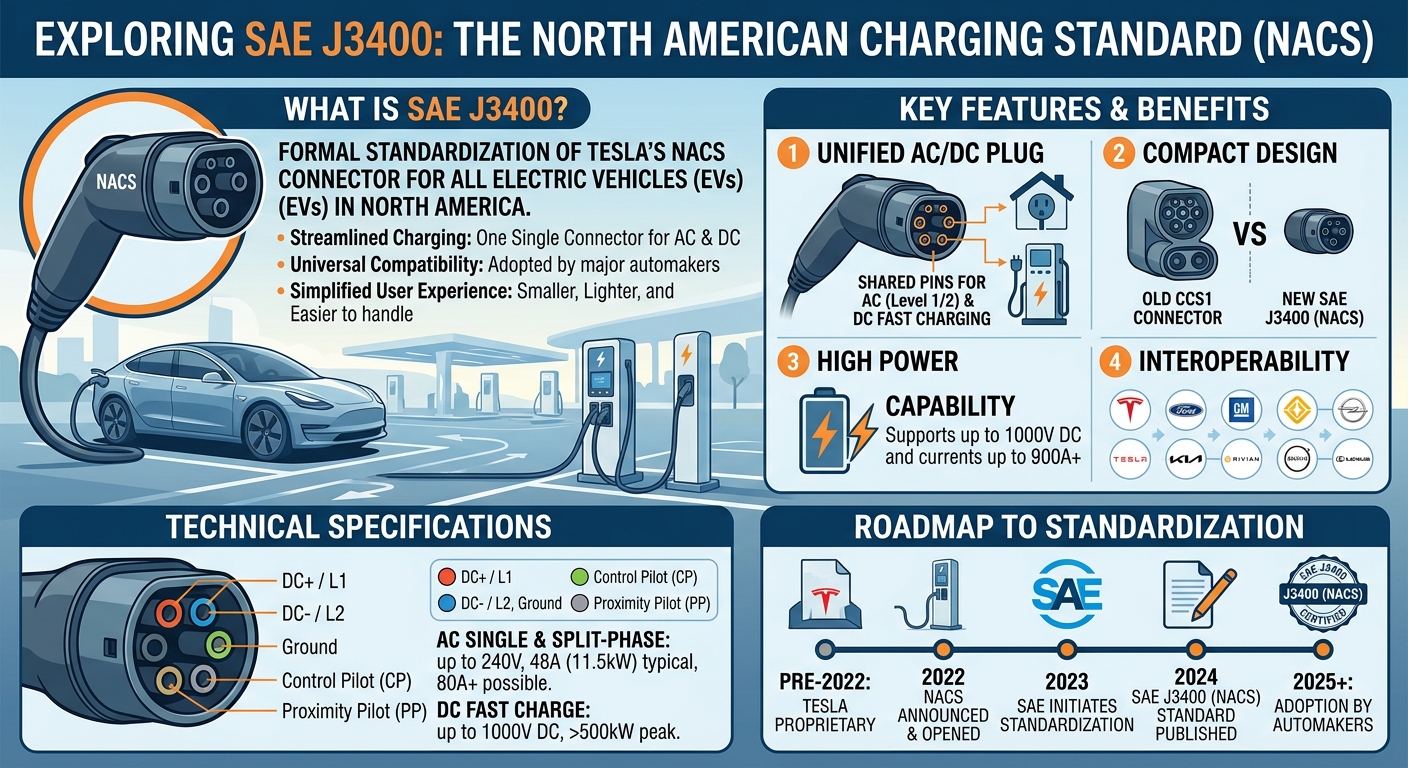
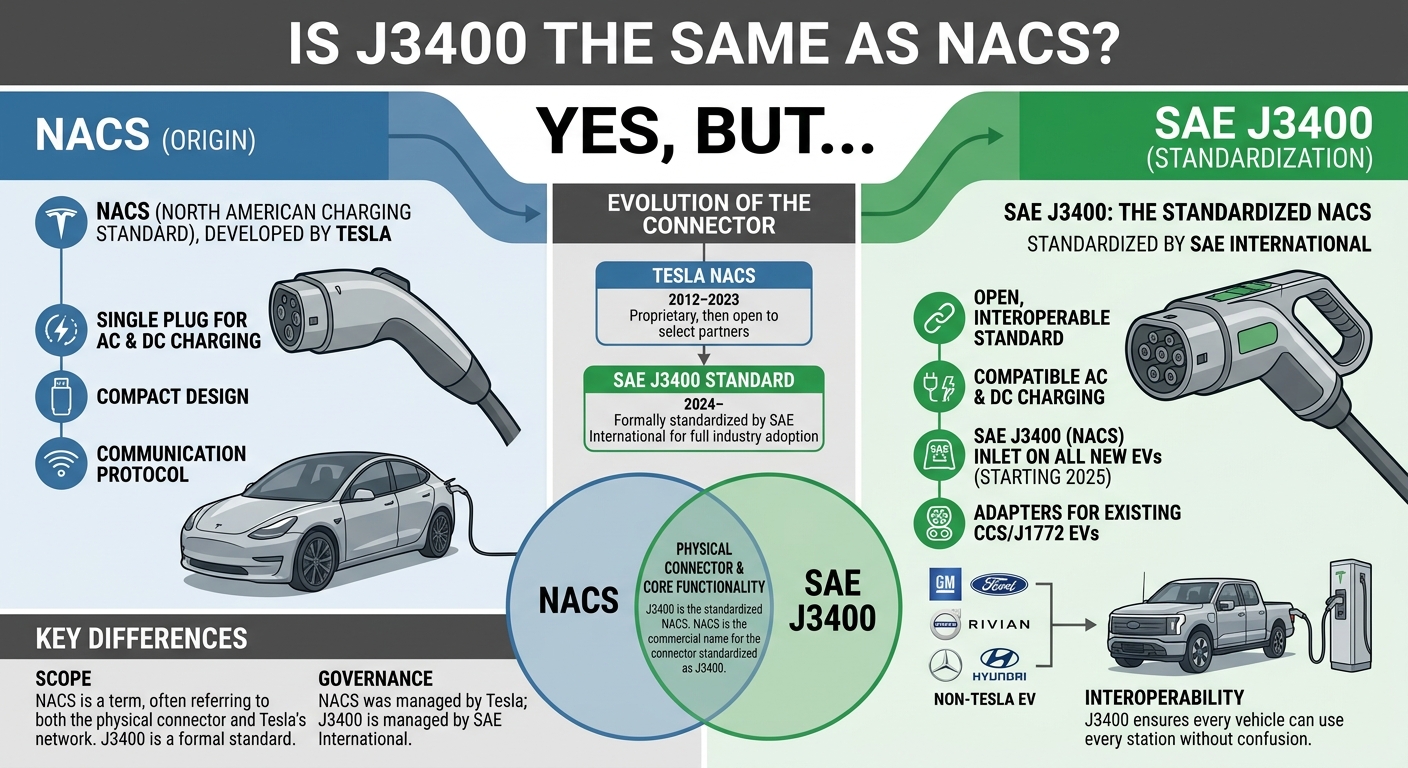
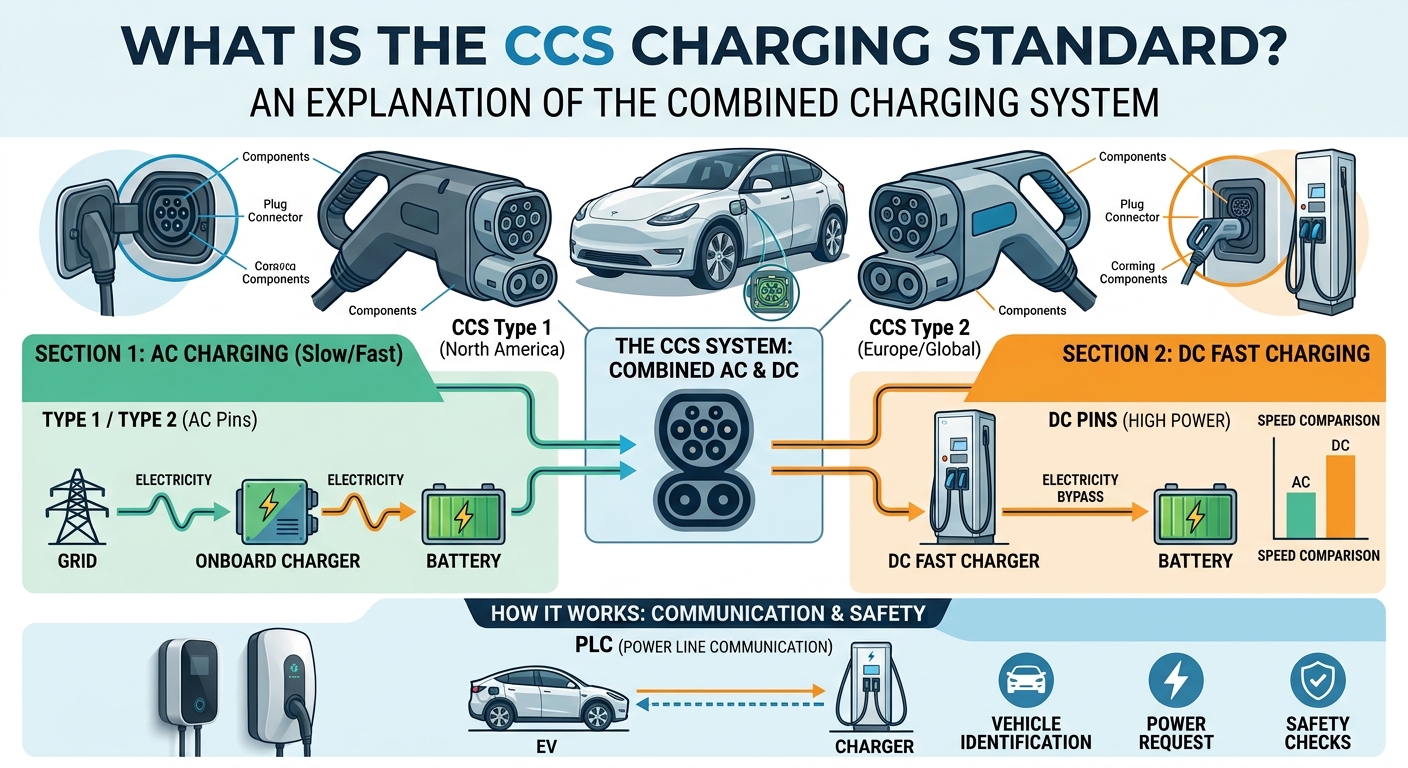
- Connector type. Most non-Tesla cars use J1772. Tesla and many newer EVs use NACS. Check which your car needs and whether an adapter is required.
- Amperage. A 48-amp charger isn’t useful if your car’s onboard charger can only accept less. Check our guide on how many amps you need for a Level 2 EV charger.
- Plug-in or hardwired. Plug-in models use a 240-volt outlet. Hardwired models connect directly to the circuit and usually allow higher power.
- Cable length and weather rating. Make sure the cable reaches your car’s port and the unit is rated for where you’ll mount it.
- Warranty. Longer warranties are a sign of confidence, and they matter for equipment that runs for years.
- Smart features. Wi-Fi and scheduling are useful if you have time-of-use rates, but they’re not essential.
Cheap Doesn’t Have to Mean “Dumb”
A basic charger without Wi-Fi charges just as fast as a smart one. Smart features help you schedule charging for cheaper off-peak hours, track usage and sometimes qualify for utility programs. If you don’t need them, a basic charger can save you money.
Are There Rebates for EV Chargers?
The federal Section 30C tax credit ended for chargers placed in service after June 30, 2026. Some state and utility programs still offer rebates, and some require specific features such as networking or certain certifications. Check your utility’s website before buying. If the upfront cost is a hurdle, see can I get finance for an EV home charger installation?
Can You Install a Cheap Charger Yourself?
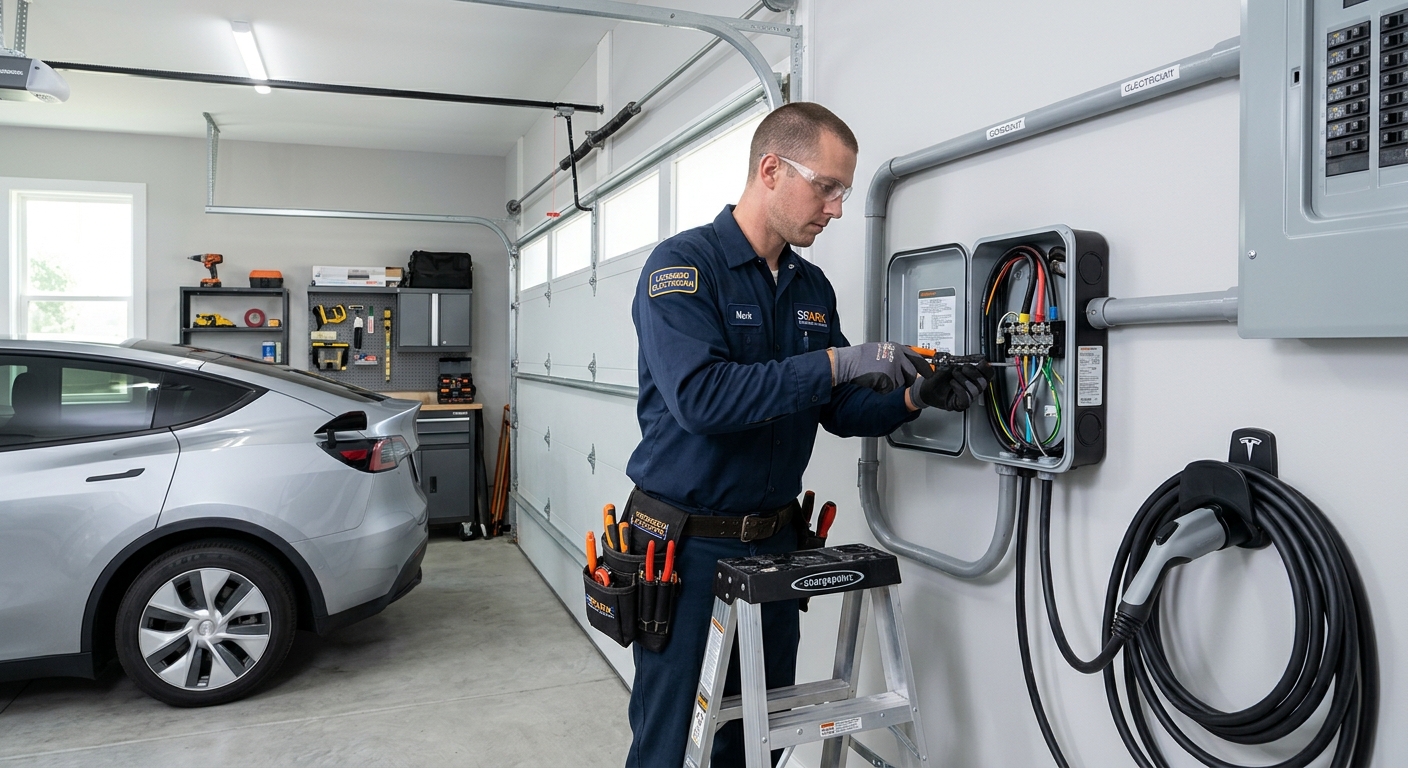
Buying the charger yourself is fine. The wiring is different: it involves a 240-volt circuit, and mistakes can cause fire risk and insurance problems. Read can I buy an EV charger and install it myself? before you decide.
Frequently Asked Questions
What is the cheapest EV charger available?
The cheapest option is the Level 1 cord that comes with most EVs. For faster charging, budget Level 2 chargers start at roughly $200 to $450.
How much does a cheap Level 2 EV charger cost?
Budget models typically cost about $200 to $450, depending on amperage, features and retailer.
Is a cheap EV charger safe?
It can be, if it carries a recognized safety certification such as UL or ETL and is installed by a licensed electrician. Avoid unlisted units.
Is a Level 1 charger enough?
For short daily drives, often yes. For larger batteries or longer commutes, a Level 2 charger is usually more practical.
Do I need a smart charger?
No. A basic charger charges just as fast. Smart features help with scheduling, tracking and some utility programs.
Does a cheaper charger charge slower?
Not necessarily. Speed depends on amperage and your car’s onboard charger, not price alone.
Is it cheaper to buy a plug-in or hardwired charger?
Plug-in units can lower installation cost if you already have a 240-volt outlet. Hardwired chargers often allow higher power but need an electrician.
Are there rebates for buying an EV charger?
The federal 30C credit has ended, but some state and utility programs still offer rebates. Check with your utility.
Final Takeaway
The cheapest way to charge is the Level 1 cord included with your car. If you need faster charging, a budget Level 2 charger can cost about $200 to $450, but installation often matters more than the unit itself. Pick a safety-certified charger that matches your car and your electrical setup, and get an itemized quote from a licensed electrician.
Choosing a charger? Contact us, or browse our charger guides and Level 2 charging articles.
Disclaimer: Prices and product features change often and vary by retailer. Always confirm current pricing, certifications and compatibility, and hire a licensed electrician for installation.





Leave a Reply