
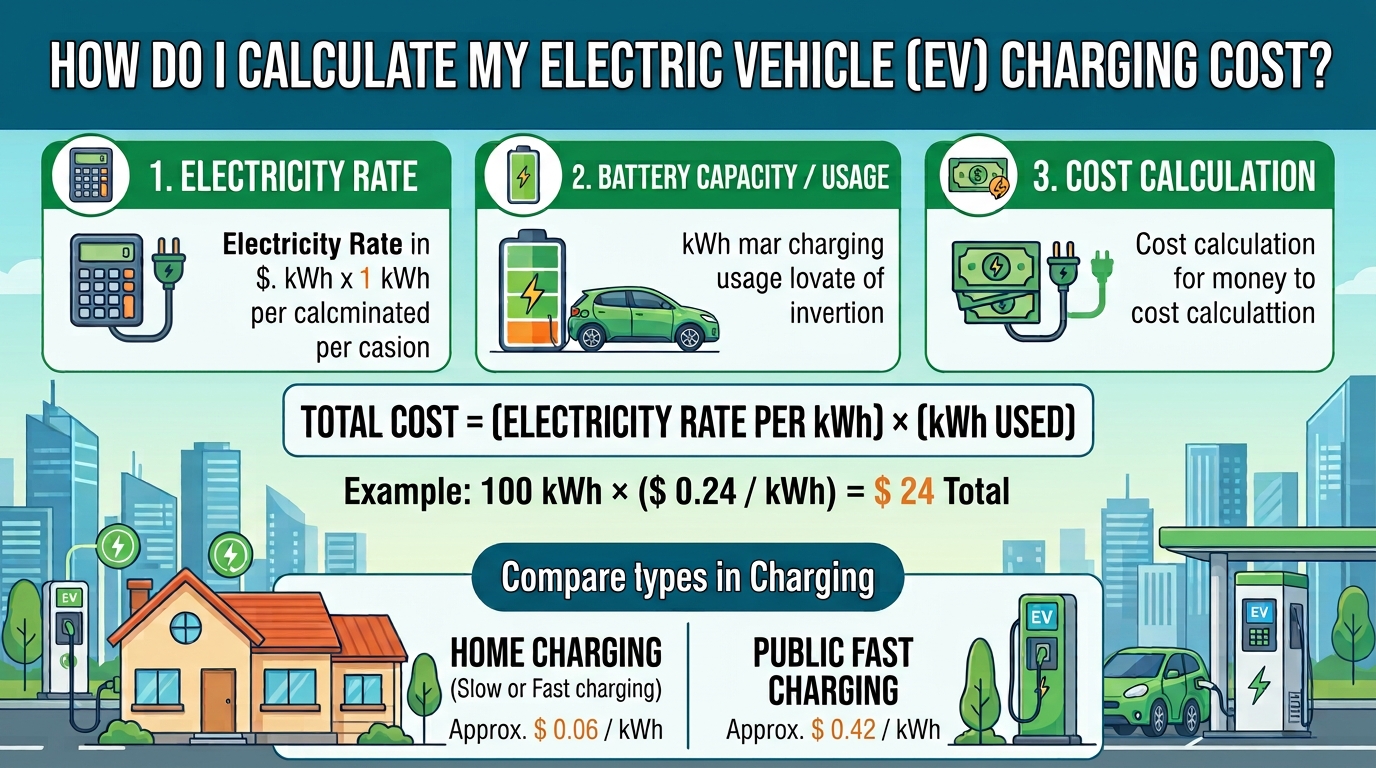
Transitioning from a traditional gasoline-powered vehicle to an electric vehicle (EV) brings incredible financial savings, but it also introduces a completely new way of thinking about energy consumption. Instead of paying a flat price per gallon at a pump, EV drivers pay based on the amount of energy your battery needs (in kilowatt-hours, or kWh) and the price per kWh charged by your utility provider or public station.
Mastering how to calculate your exact charging expenses allows you to budget effectively, choose the most economical time of day to plug in, and compare home charging savings against public fast-charging networks.
Here is an extensive, comprehensive guide detailing the step-by-step mathematical formulas, charging efficiency losses, and utility tariff structures needed to accurately calculate your electric vehicle charging costs.
1. The Core Formula: The Foundation of EV Cost Calculations
At its core, calculating how much a charging session will cost is straightforward multiplication. However, an accurate calculation requires accounting for three primary variables:
-
The Formula:
-
kWh Added: The amount of electrical energy required to fill your battery pack to your target percentage.
-
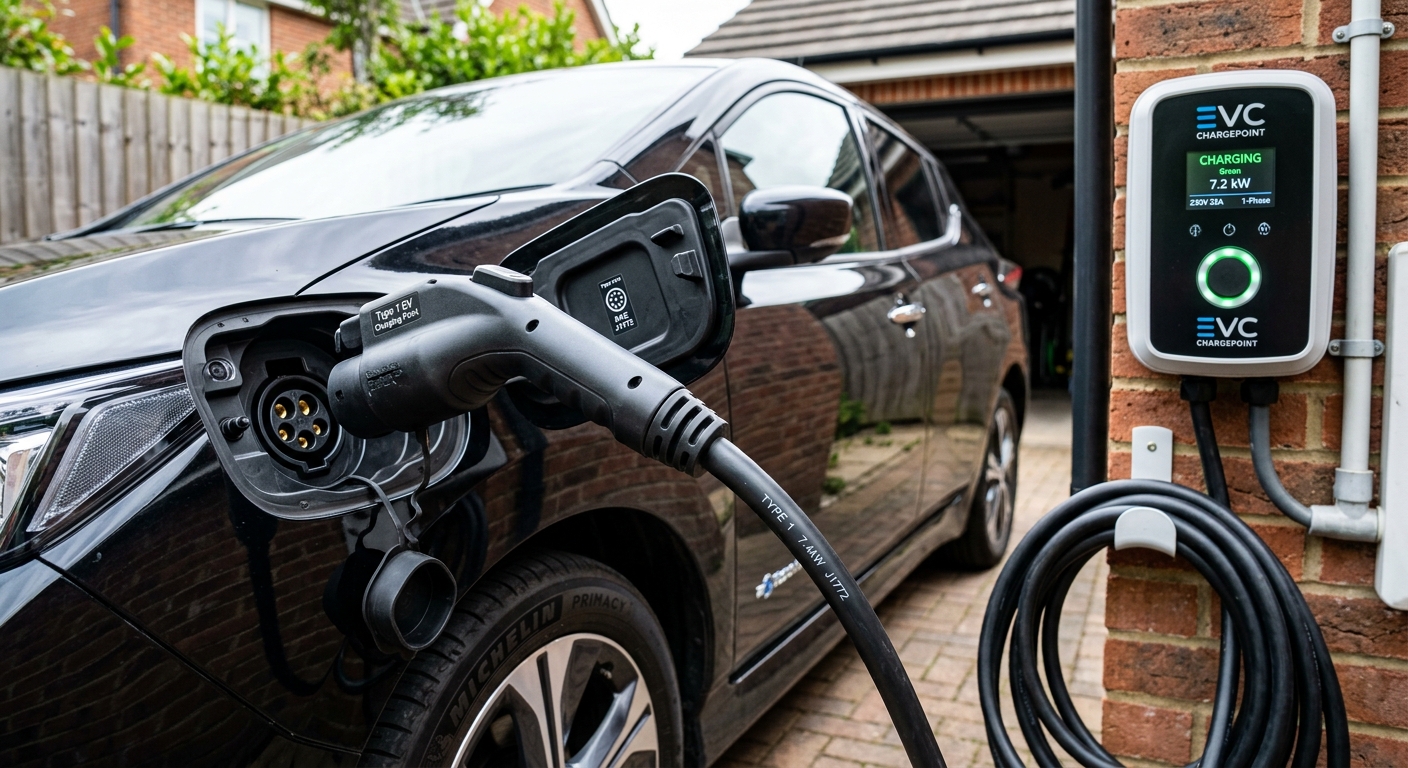
Charging Efficiency: The percentage of electricity drawn from your home or public meter that successfully ends up stored in your battery. Because of thermal management, resistance, and inverter conversion, home Level 2 charging typically operates at around 90% efficiency (meaning a 5% to 10% loss is paid for as heat).
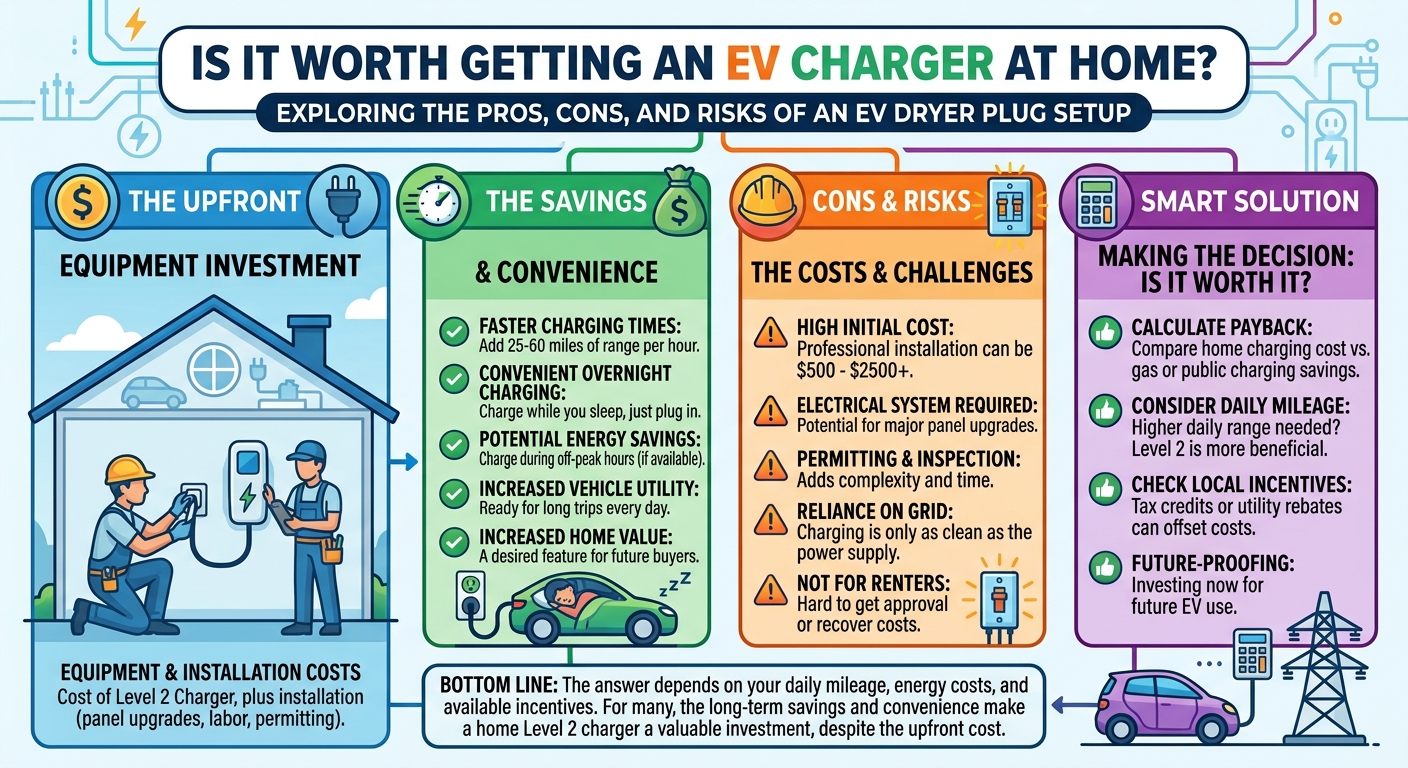
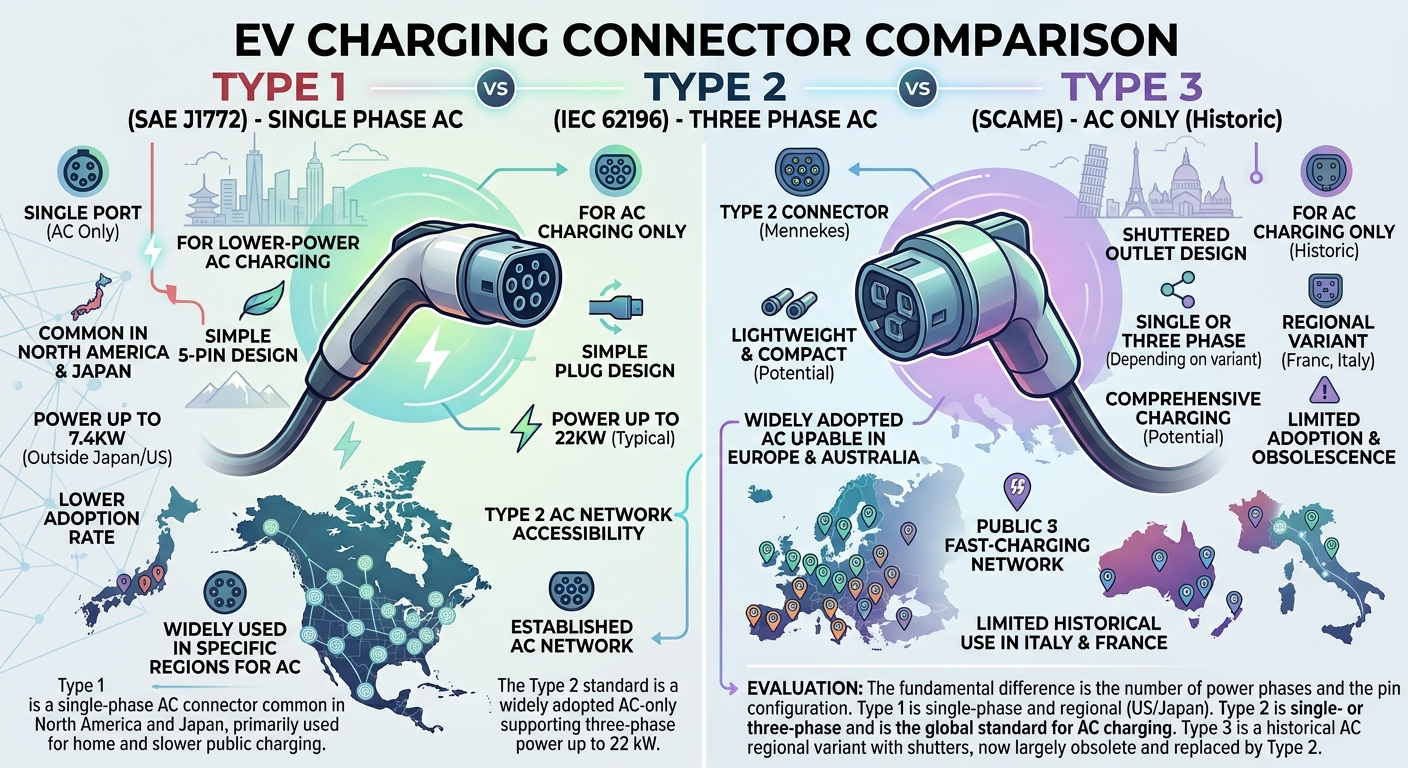
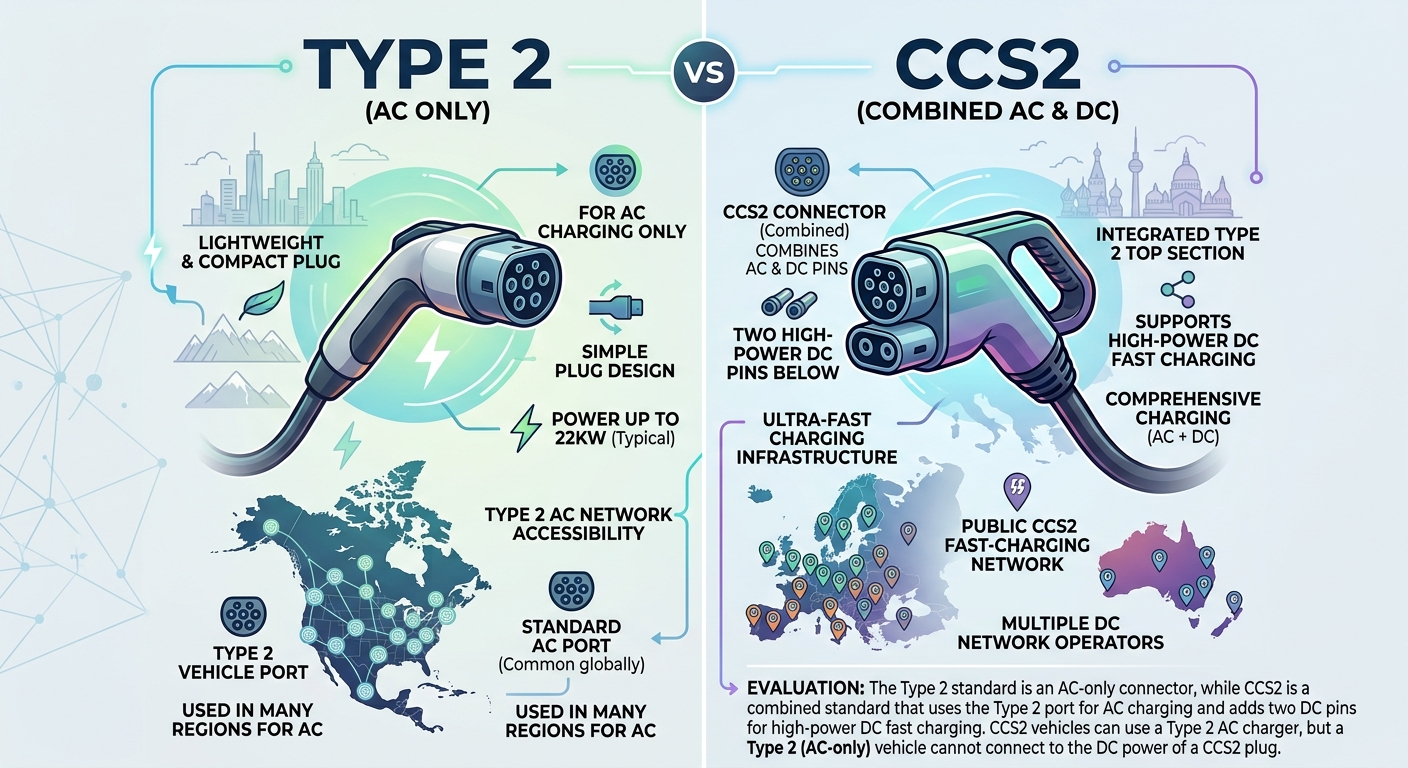
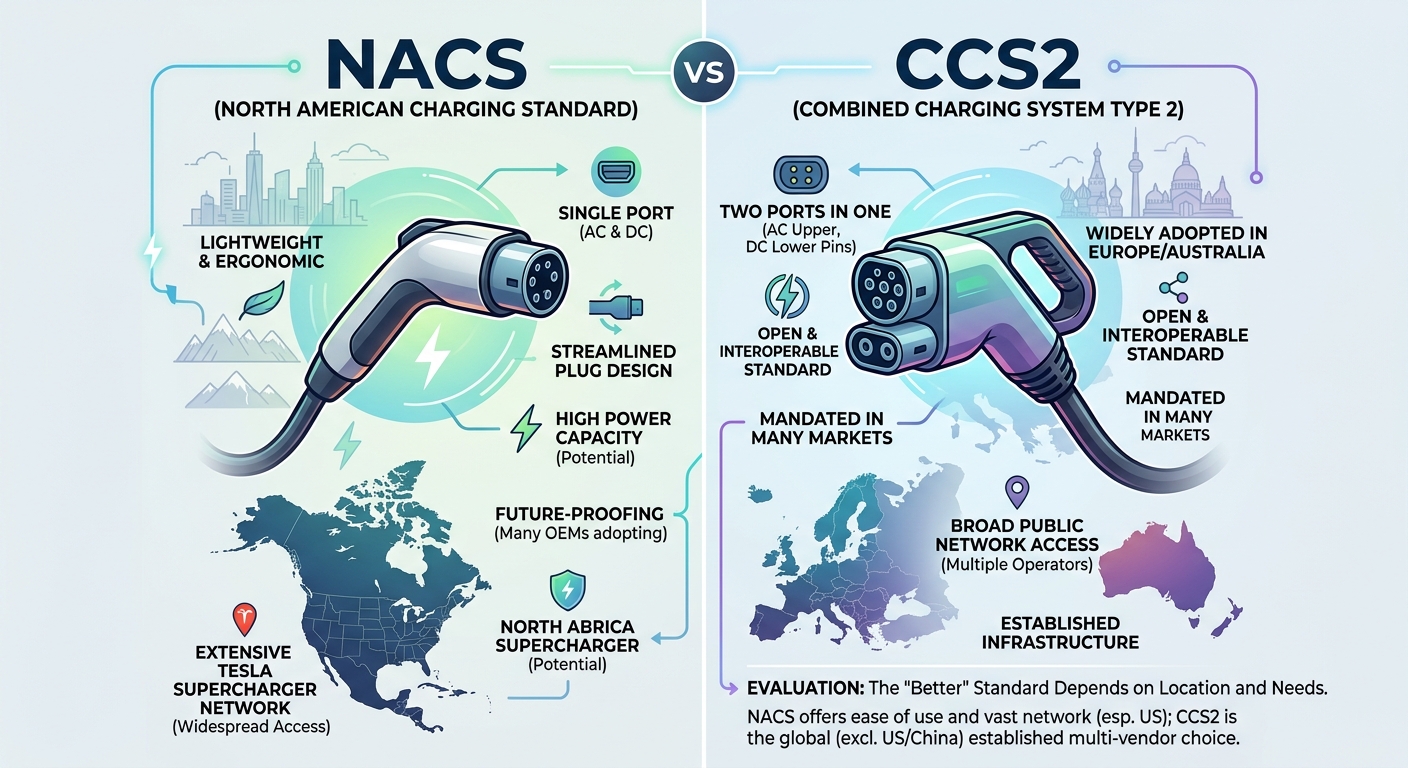
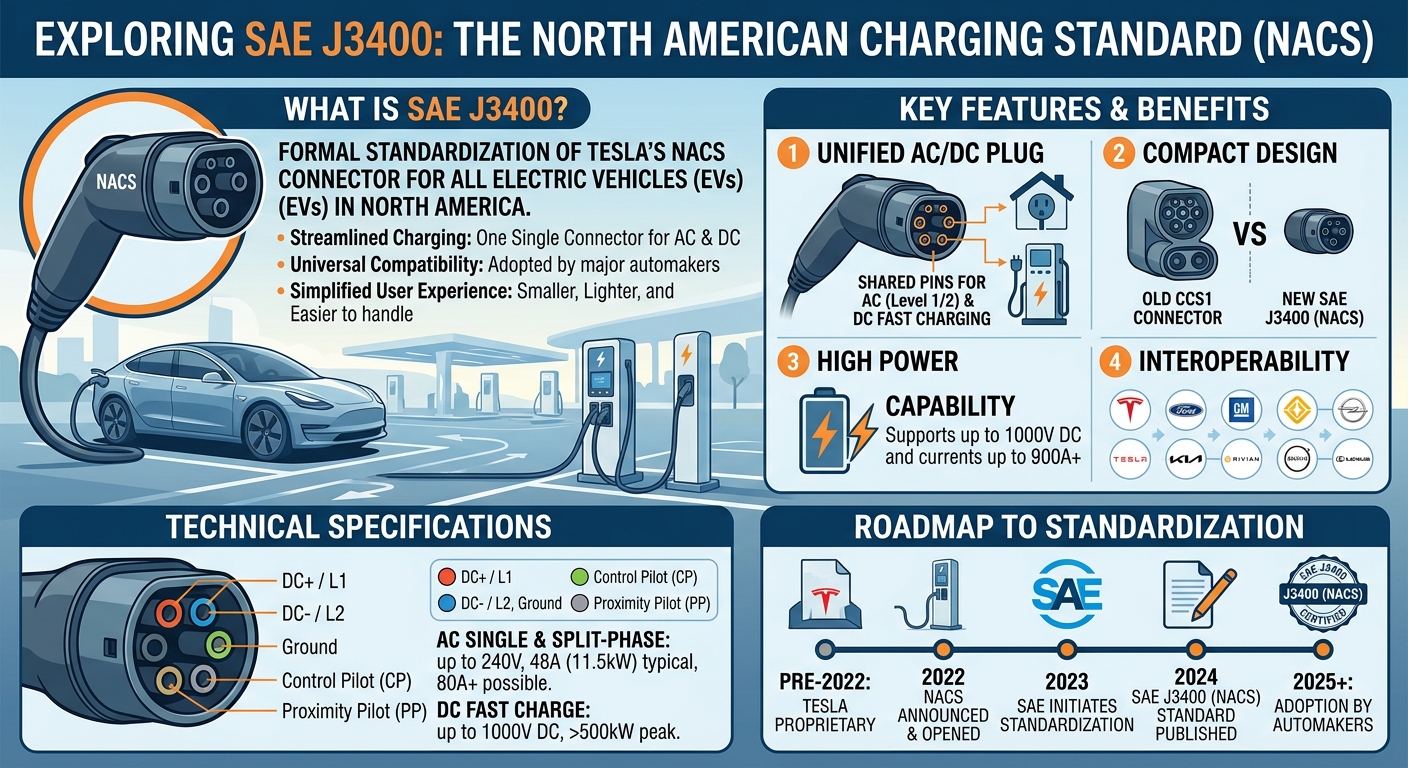
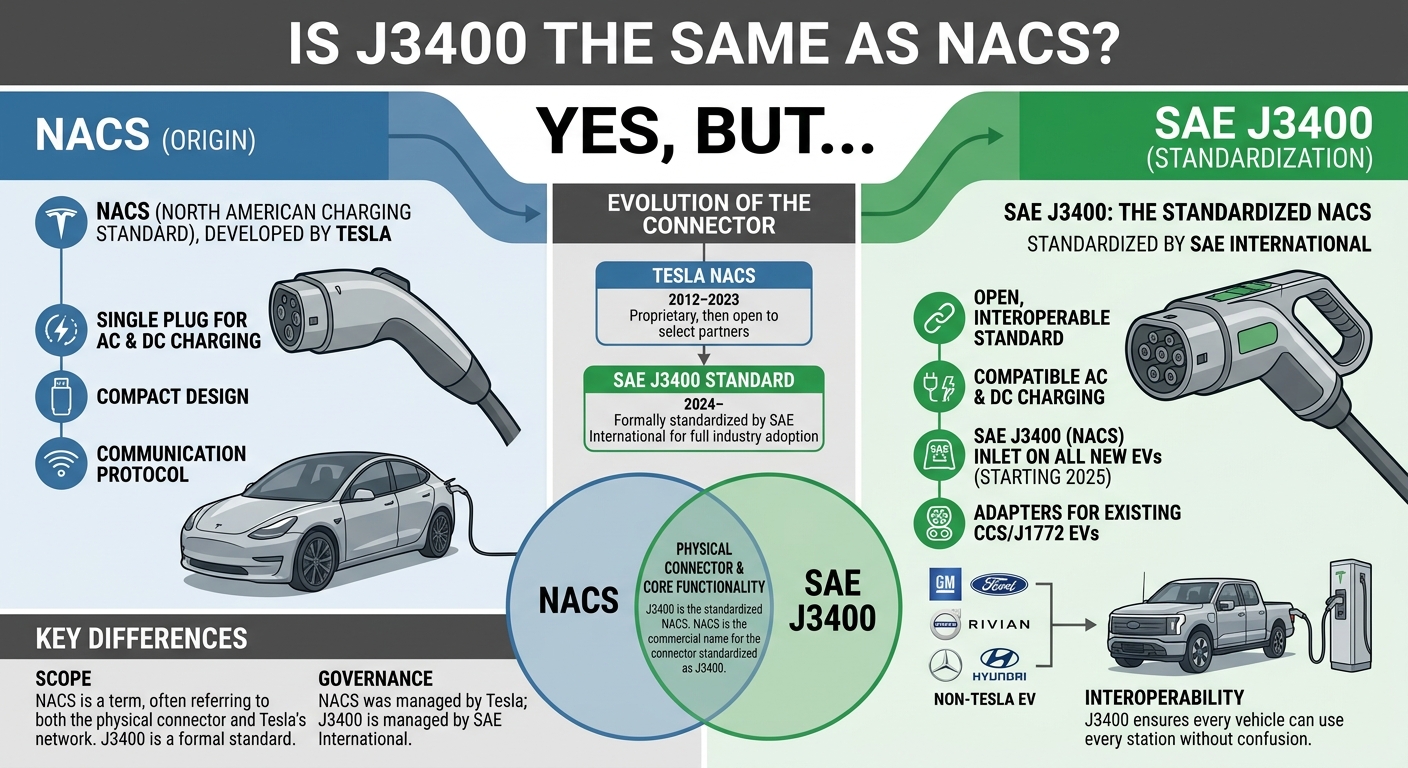
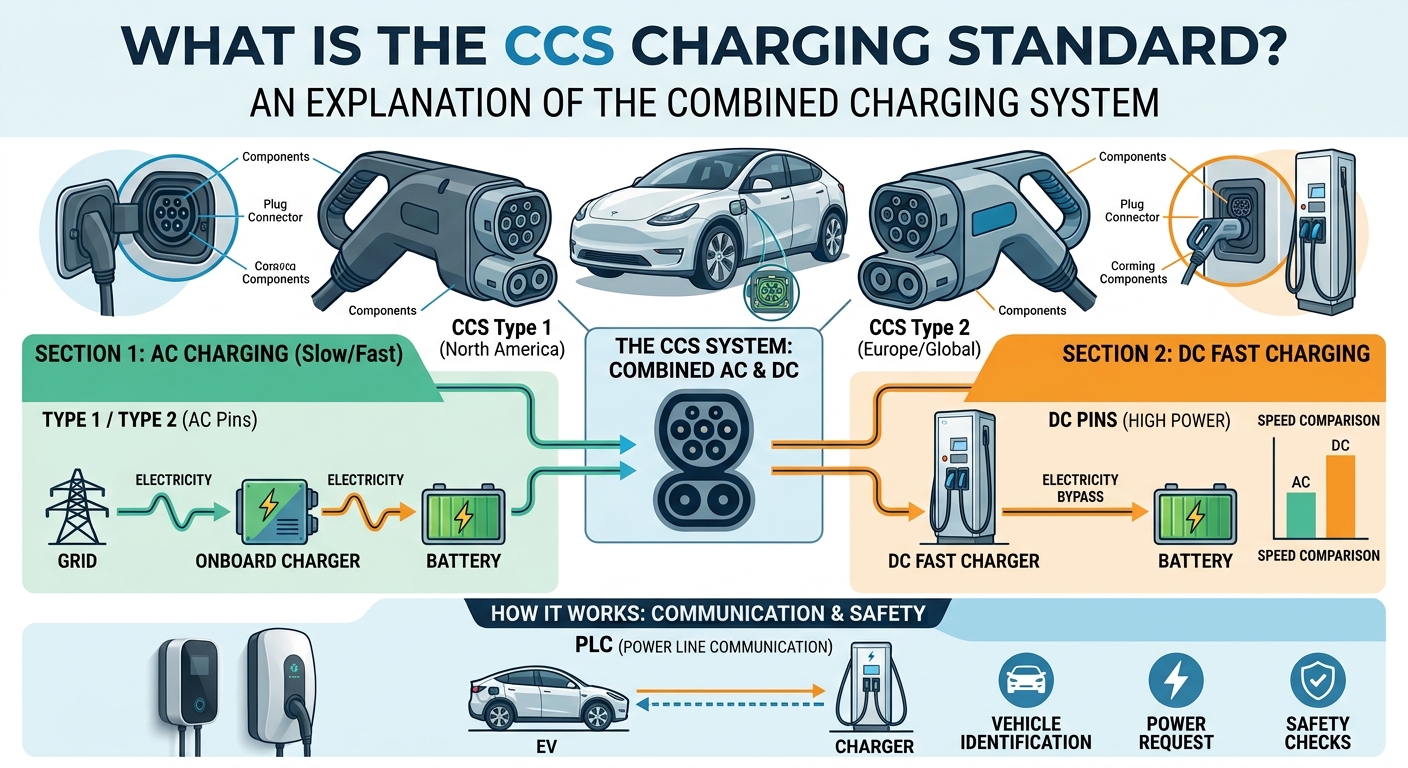
To see how different charger hardware types handle power delivery and installation logistics, read more about various charging types.
2. Step-by-Step Walkthrough: Calculating a Home Charging Session
To see how this formula works in the real world, let’s run through a practical example using typical numbers:
-
Determine Usable Battery Capacity: Suppose your EV has a usable battery capacity of 75 kWh.
-
Calculate the Energy Needed: If you plug in when your state of charge is at 20% and you want to fill it up to 80%, you are adding a 60% window:
-
Account for Efficiency Losses: Dividing your target energy by a standard 90% (0.90) home efficiency rating accounts for conversion overhead:
-
Multiply by Your Electricity Rate: If your residential utility rate is $0.15 per kWh, the final math looks like this:
To explore how smart energy tracking, automated scheduling, and home load management can optimize these calculations, check out our guide on smart home EV solutions.
3. Comparing Home Rates vs. Public Charging Networks
The price per kWh varies dramatically depending entirely on where and when you plug in:
-
Residential Off-Peak Tariffs: Many utility companies offer specialized Time-of-Use (TOU) electric rates that drop significantly during overnight hours (e.g., midnight to 6 AM). Charging during these windows slashes your per-kWh cost to a fraction of daytime rates.
-
Public AC vs. DC Fast Charging: Public Level 2 destination chargers often charge moderate per-kWh fees or hourly parking rates. Meanwhile, public DC fast-charging highway corridors carry a steep premium for high-speed convenience, sometimes costing double or triple standard residential rates.
For comprehensive insights on EV infrastructure planning, safety standards, and expert advisory services, visit us at EV Charger Advisor.
Summary: Key Takeaways for Smart EV Budgeting
-
Always multiply your kWh energy added by your local rate per kWh, remembering to factor in a small efficiency buffer for conversion losses.
-
Utilize home charging during off-peak hours whenever possible to keep your per-mile operating costs far below traditional gasoline expenses.






Leave a Reply