
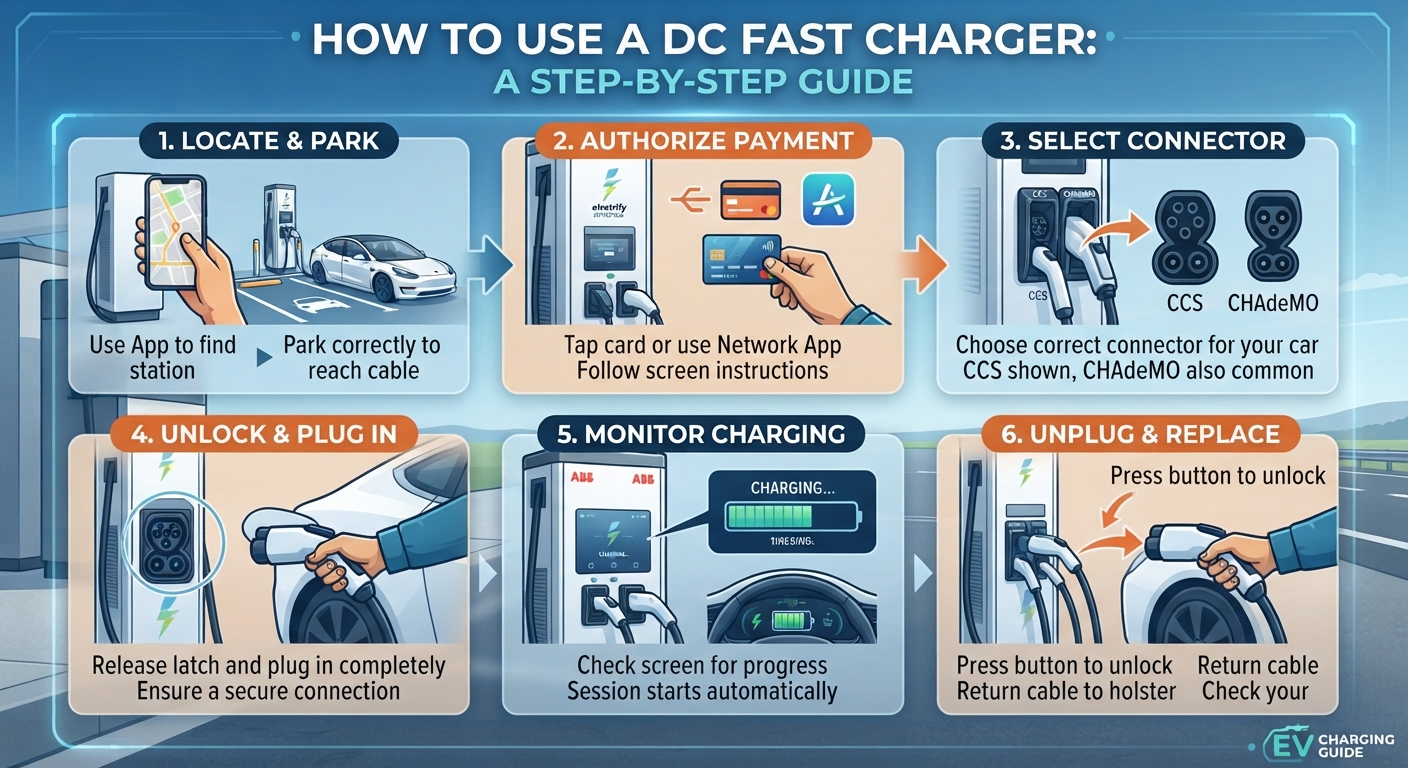
When you are out on the open highway or navigating an unfamiliar city, keeping your electric vehicle energized is critical to maintaining a smooth journey. Using a DC Fast Charger (Level 3) is the quickest way to power your electric vehicle (EV) while on the road, often boosting your battery from 20% to 80% in 20 to 40 minutes. While public charging setups vary by network, the core process remains identical across almost all stations.
For first-time EV drivers, approaching a massive public DC fast-charging stall can feel intimidating. Unlike standard home plugs where you simply plug in and walk away, rapid public stations involve high-voltage cables, digital authentication screens, and liquid-cooled hardware.
Here is an extensive, comprehensive guide detailing every single step required to master public DC fast charging safely, efficiently, and without confusion.
Phase 1: Preparation and Locating the Right Station
Before you even pull up to a charging stall, proper planning ensures you avoid broken hardware, incompatible plugs, or excessive wait times.
-
Network Compatibility: Different networks—such as Electrify America, EVgo, ChargePoint, or Tesla Superchargers—operate via proprietary apps, RFID cards, or “Plug & Charge” protocols. Ensuring you have the correct network application downloaded and funded beforehand saves time.
-
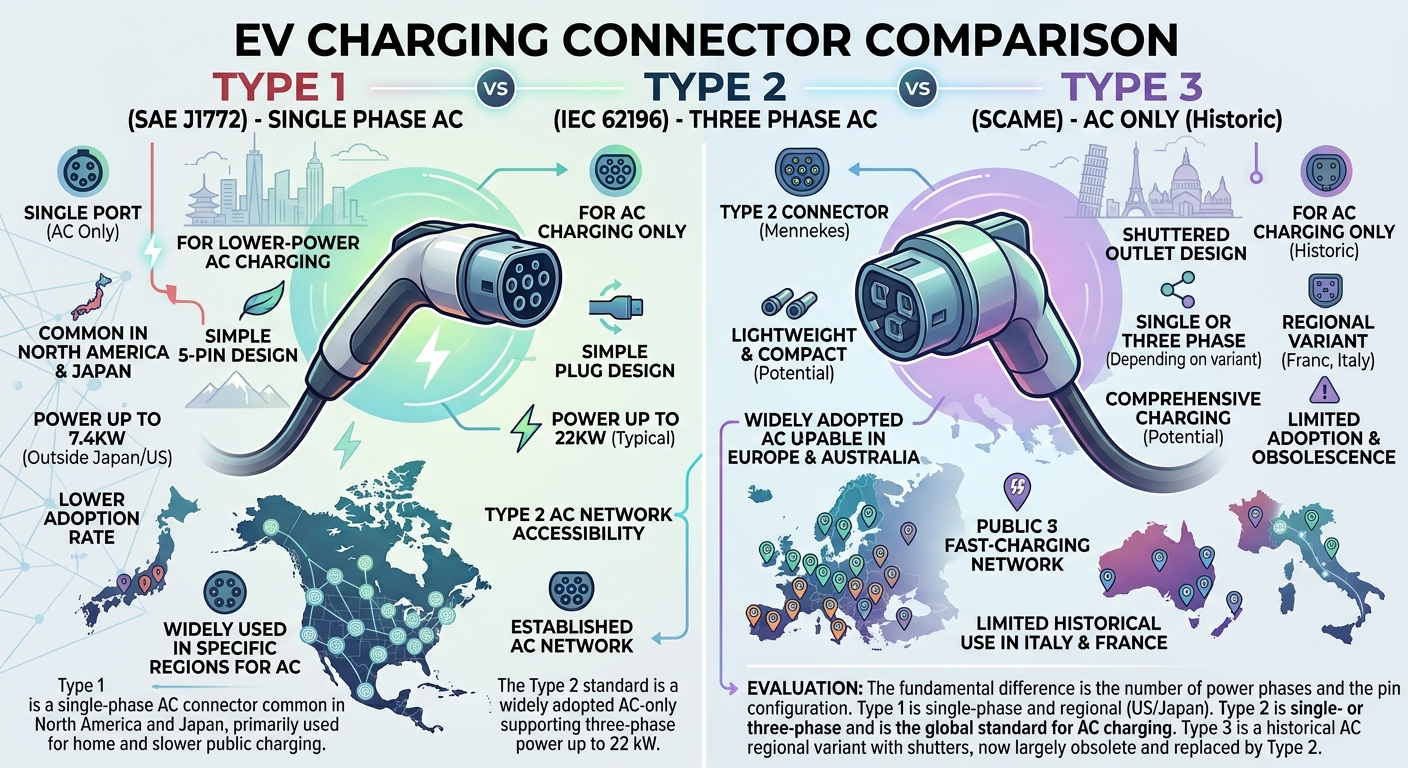
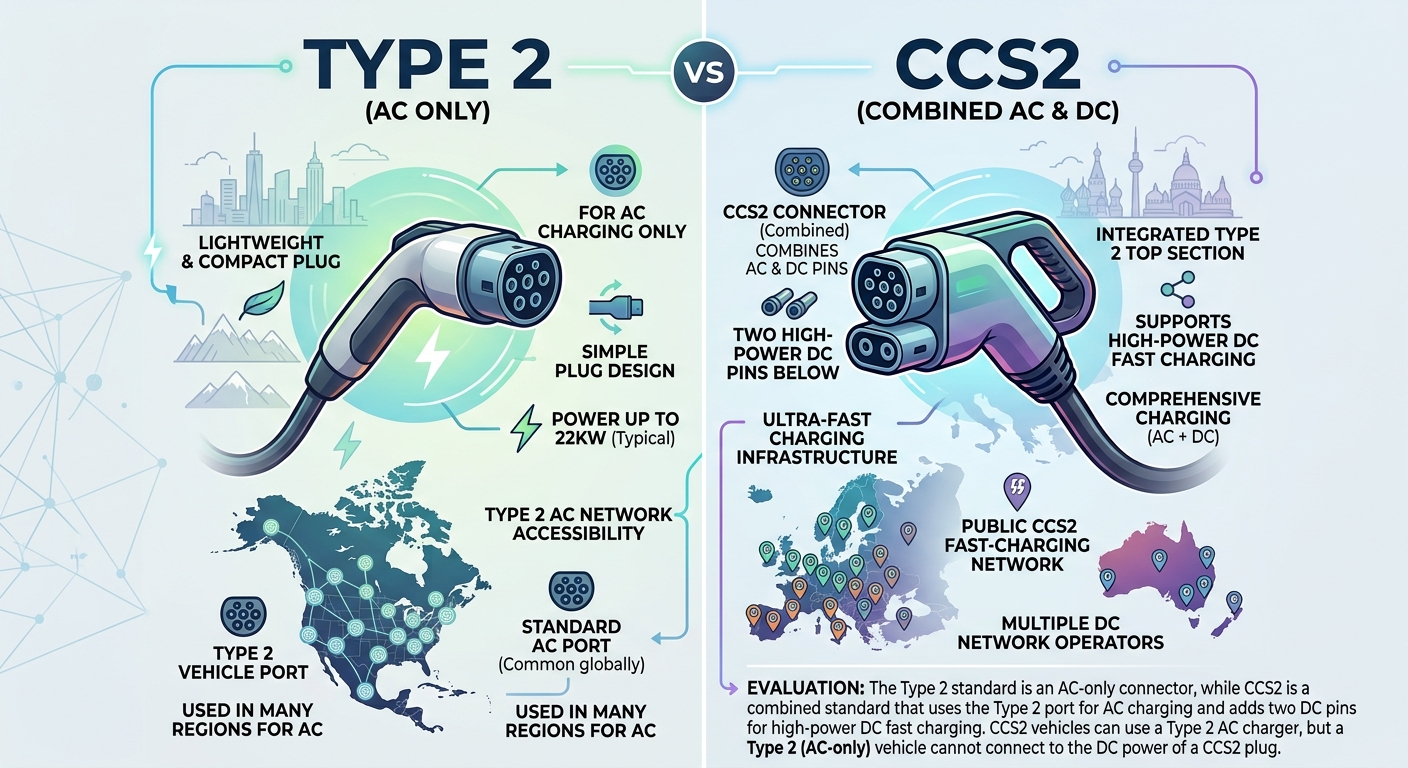
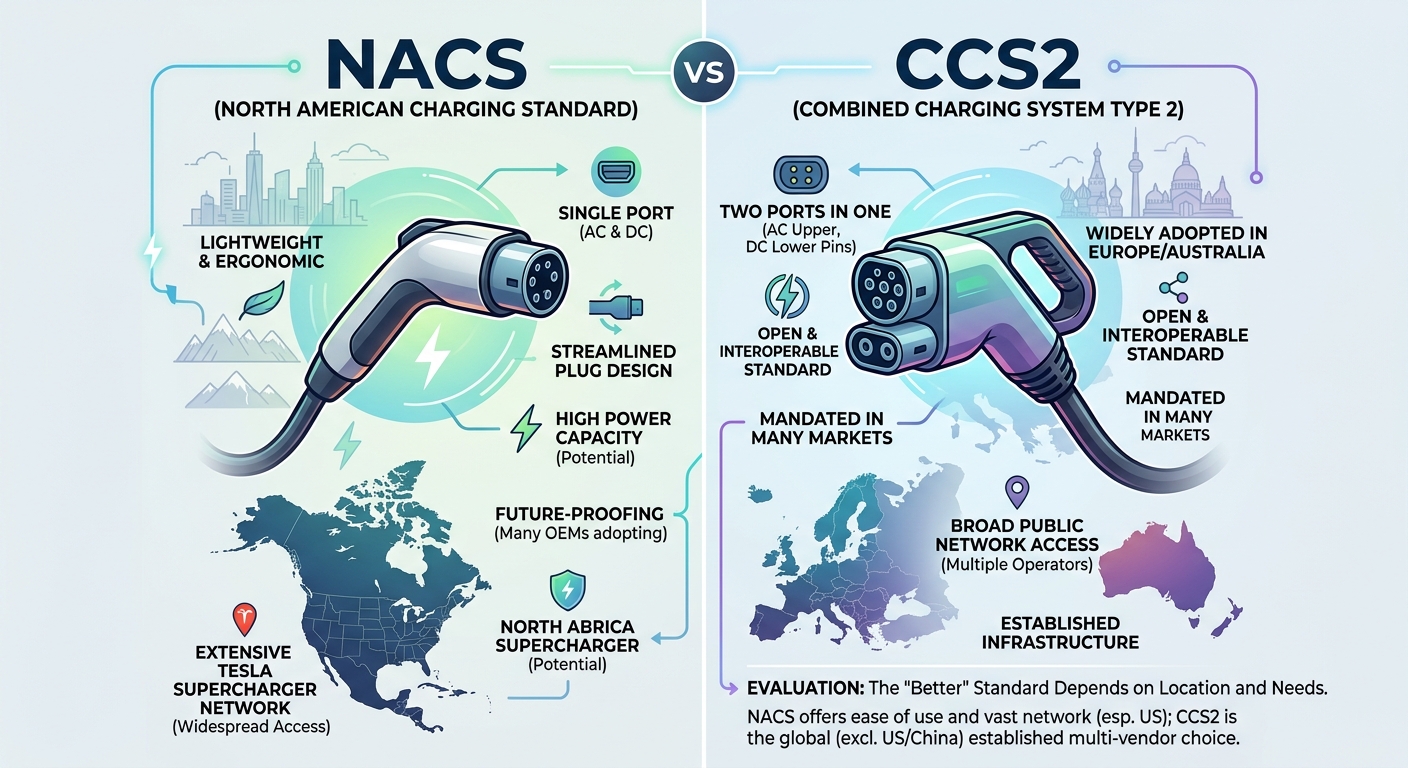
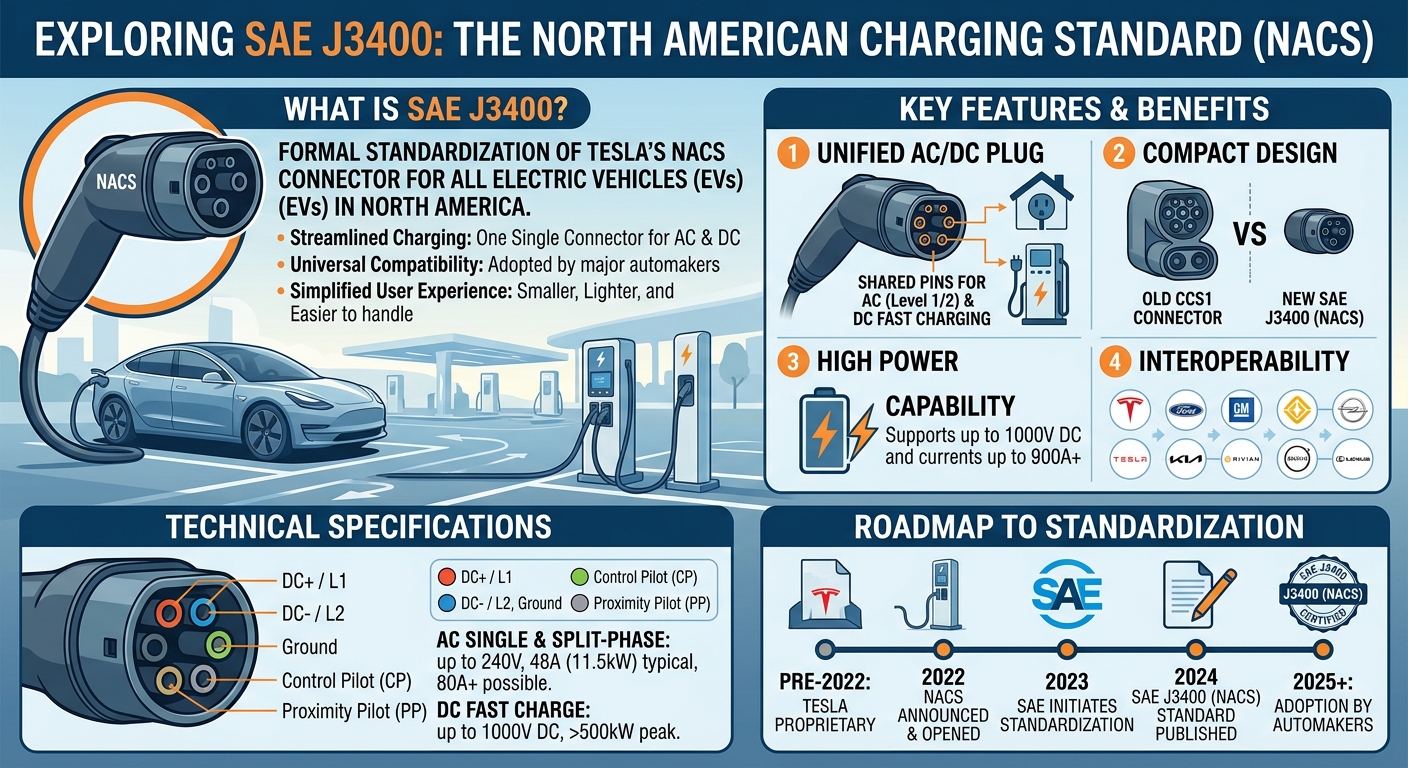
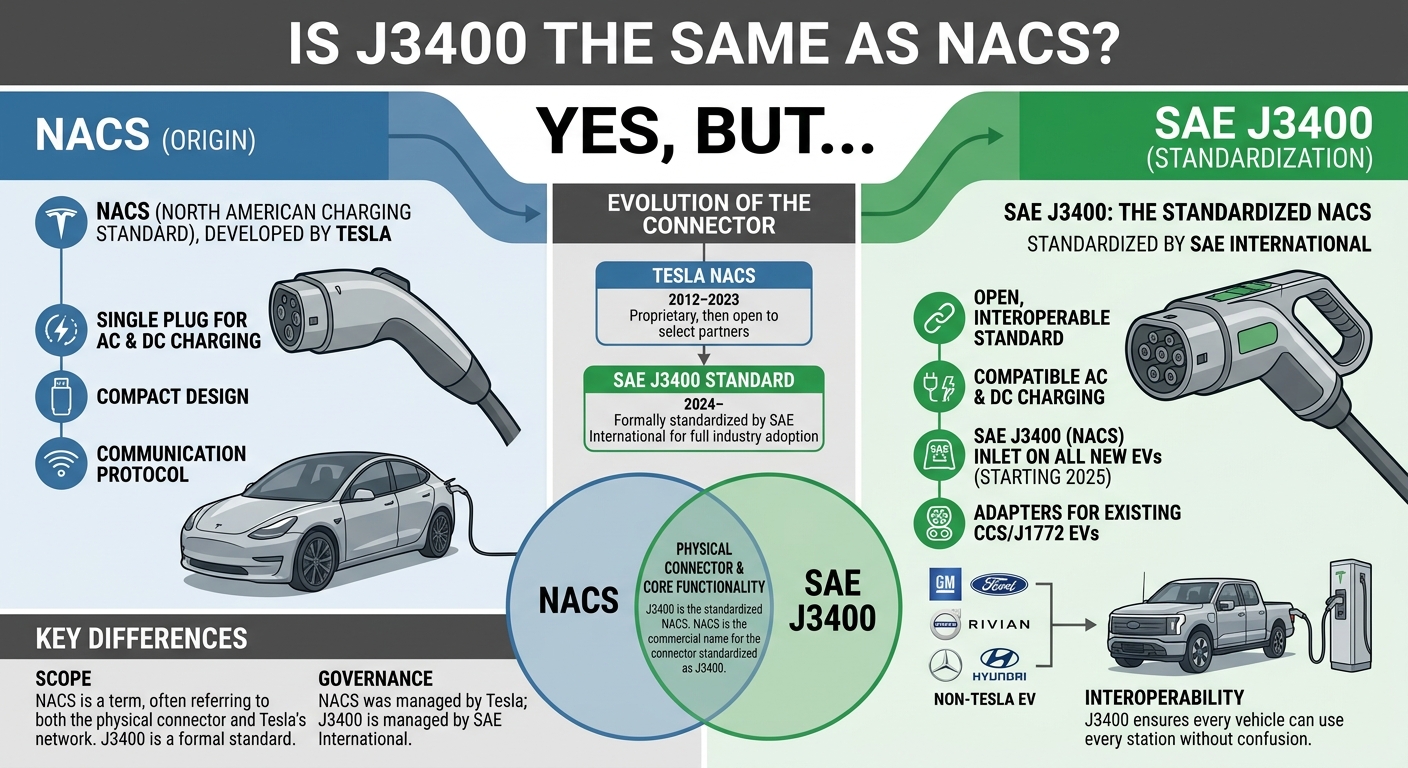
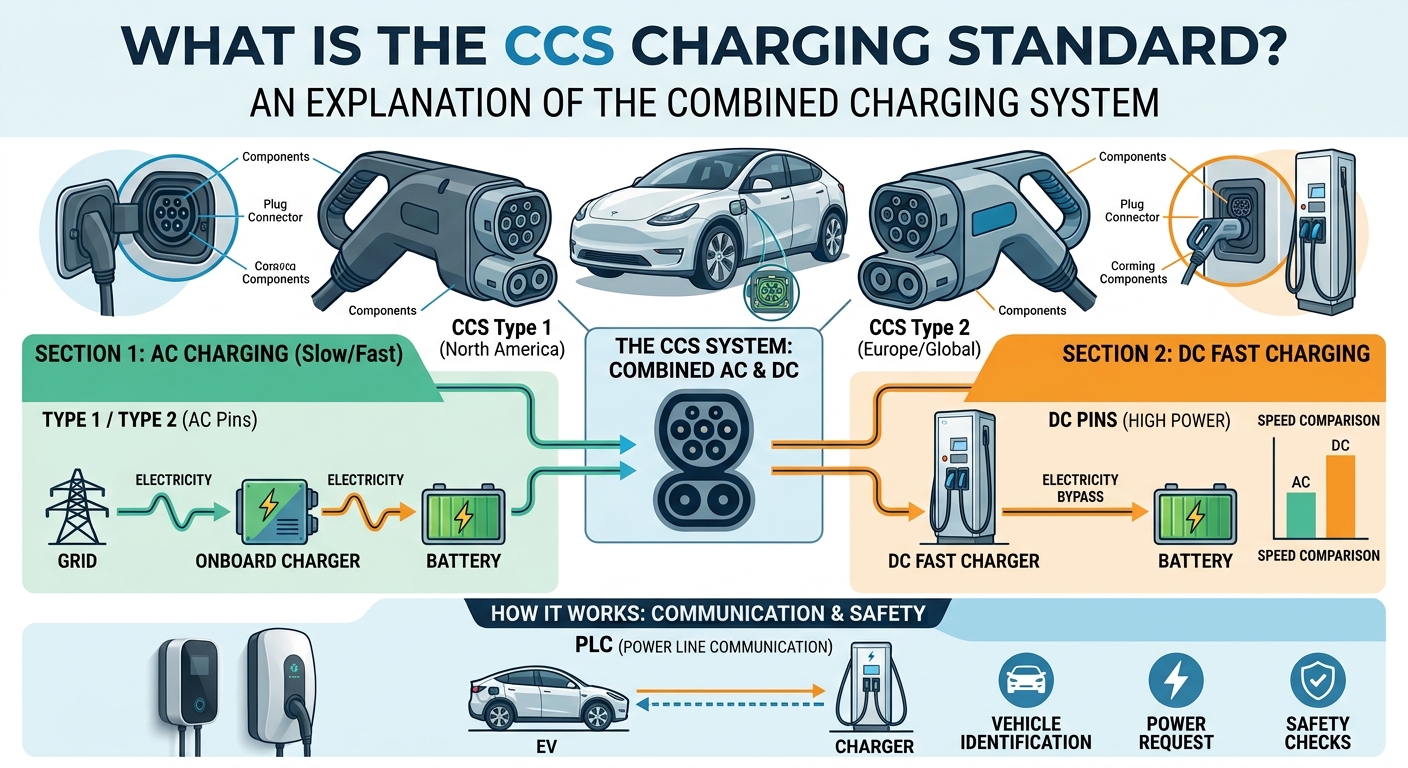
Connector Types: North American vehicles generally utilize either CCS1 connectors, NACS (Tesla style), or CHAdeMO (primarily older Nissan Leafs). Always verify that the stall matches your vehicle’s charge port.
-
Preconditioning Your Battery: Modern electric vehicles feature battery preconditioning settings. Activating this feature via your car’s navigation system a few minutes before arrival warms up the lithium-ion cells to the ideal chemical temperature, ensuring you hit peak charging speeds immediately upon plugging in.
To explore how these public high-speed networks interact with your overall travel plans, read our overview on various charging types.
Phase 2: Step-by-Step Instructions at the Stall
Once you pull your vehicle safely into the charging bay, follow this systematic workflow to initiate your high-voltage session:
Step 1: Turn Off Your Vehicle and Prepare the Port
Power down your car completely and pop open your charging port door. Ensure the protective dust cap inside the port is moved out of the way. Note that DC fast-charging ports use both the top upper plug and the lower high-capacity pins combined (such as CCS), or a single integrated NACS plug.
Step 2: Authenticate and Select Payment
Before wrestling with the heavy cable, interact with the charger’s screen or card reader:
-
Tap your pre-loaded RFID card, scan the QR code using your smartphone app, or use contactless credit card tap-to-pay.
-
If your vehicle supports Plug & Charge, simply skip this manual step—the charger will automatically communicate with your car through the cable data lines the moment it connects.
Step 3: Un-dock the Heavy DC Cable
DC fast-charging cables are thick, heavy, and sometimes liquid-cooled to handle massive currents (hundreds of amperes). Lift the cable firmly from its holster, ensuring there are no kinks or damage along the line.
Step 4: Plug Firmly into Your Vehicle
Align the connector straight with your vehicle’s charge port and push it firmly inward until you hear a mechanical click and see the vehicle’s indicator light shift (usually flashing blue or green to indicate a handshake has been established).
Step 5: Monitor the Initial Handshake
Watch the charger screen and your car’s dashboard for a few seconds. The screen should transition from “Connecting” to “Charging.” You will hear the station’s internal cooling fans whir to life as high-voltage current begins flowing into your pack.
To optimize how you manage energy consumption across different environments, review our expert recommendations on smart home EV solutions and station management.
Phase 3: Etiquette and Disconnecting Safely
Knowing how to wrap up your session properly protects the equipment and respects fellow drivers waiting in line:
-
The 80% Cutoff Rule: As mentioned, public DC chargers slow down significantly after 80% capacity to protect battery health. If other drivers are waiting, it is courteous practice to unplug once you hit 80% rather than occupying the stall to reach 100%.
-
Ending the Session: Always end the session via the physical screen prompt, your mobile app, or by pressing the unlock button inside your vehicle. Never yank a locked cable out forcefully.
-
Replacing the Cable: Once the lock releases and the dashboard light turns white or green, pull the plug straight out, replace the protective dust cap on your car, and return the heavy cable securely to the holster.
For comprehensive safety guidelines, road trip planning tips, and equipment reviews, visit us at EV Charger Advisor.
Summary: Fast Charging Best Practices
-
Always verify connector compatibility and open your network app before arriving at the station.
-
Monitor your charging session, keep an eye on the 80% threshold, and practice courteous public charging etiquette.





Leave a Reply