
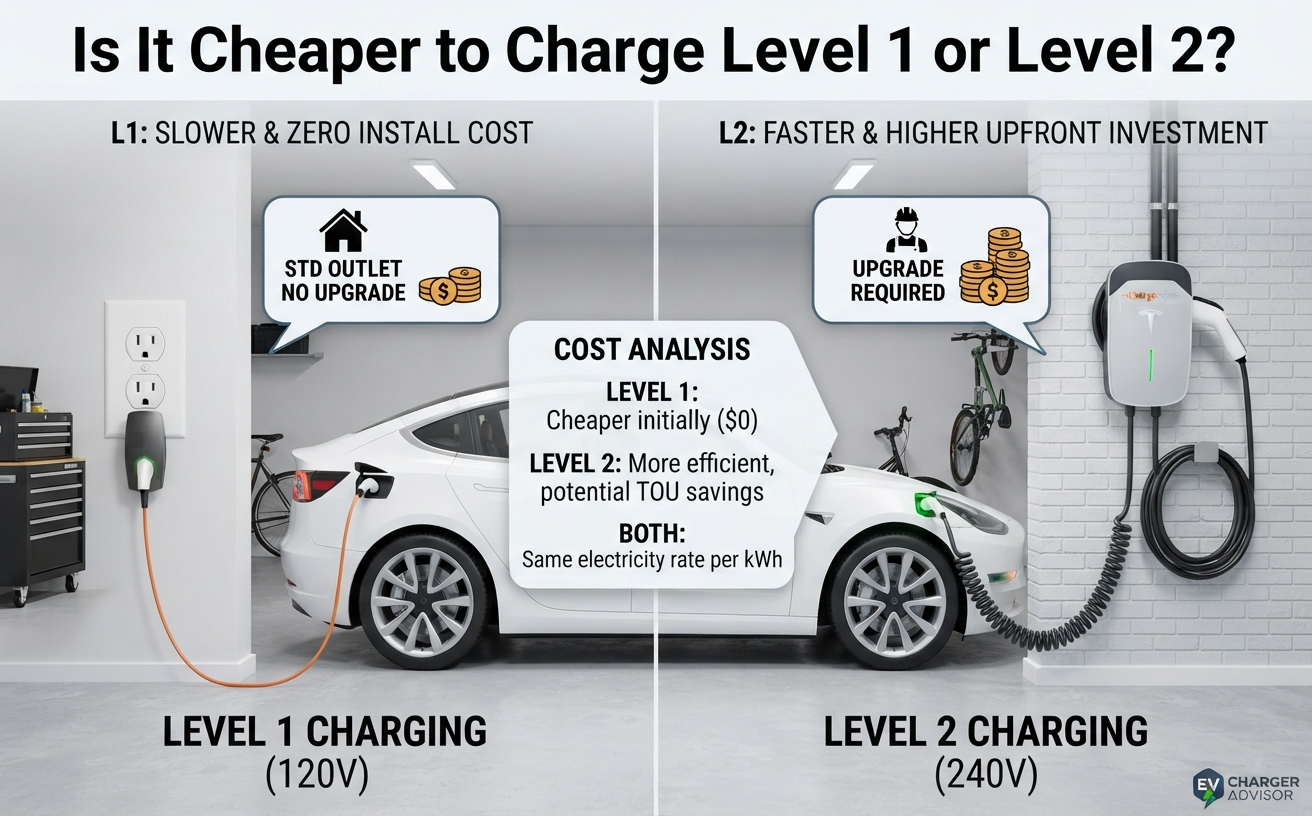
When looking into home charging options for your electric vehicle, one of the most common questions is whether it is cheaper to use a standard outlet or upgrade your setup. To give you a direct and comprehensive answer: While the raw cost per kilowatt-hour (kWh) charged by your utility company is identical for both, Level 1 and Level 2 charging differ significantly in overall efficiency, upfront hardware costs, and long-term utility savings.
Here is a detailed breakdown to help you determine which option is truly more cost-effective for your lifestyle and driving habits.
1. Direct Electricity Cost (The Utility Rate)
Your local electric utility charges the exact same rate for electricity regardless of how fast or slow it flows into your vehicle. A kilowatt-hour consumed is billed at the same flat or tiered rate whether you draw it slowly via a standard household plug or pull it faster using a dedicated circuit.
However, charging efficiency changes the financial equation:
-
Level 1 Charging: Operates on standard 120V power. Because the car’s onboard systems, battery thermal management, and power conversion run for a much longer duration to deliver a full charge, energy losses (conversion overhead) can range from 10% to 20%. This means you pay for electricity that is lost as heat rather than stored in your battery.
-
Level 2 Charging: Operates on 240V power and achieves higher conversion efficiencies (often 90% to 95%+), minimizing wasted energy over time.
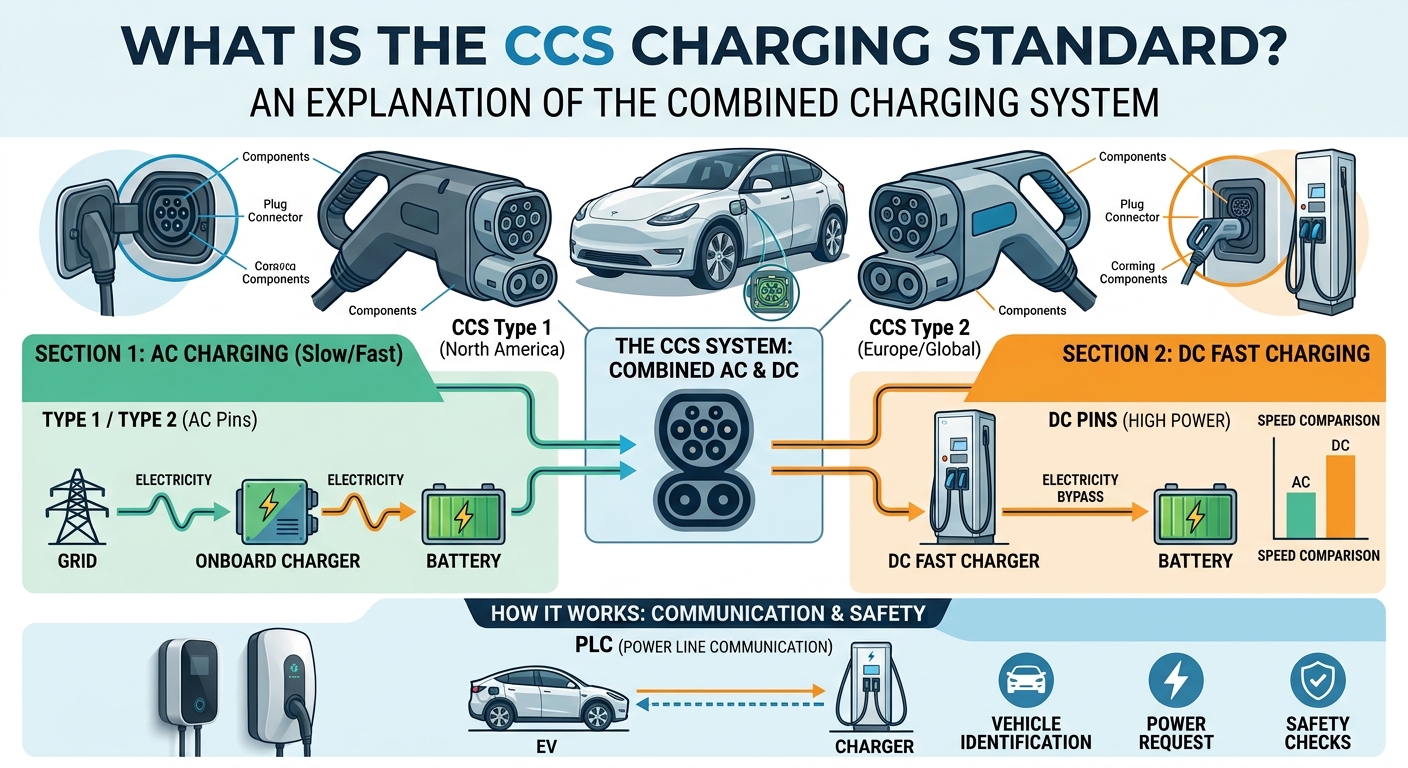
To explore the deeper mechanics of how different speeds affect your equipment, read more about various charging types.
2. Upfront Hardware and Installation Costs
This is where the major financial divergence occurs:
-
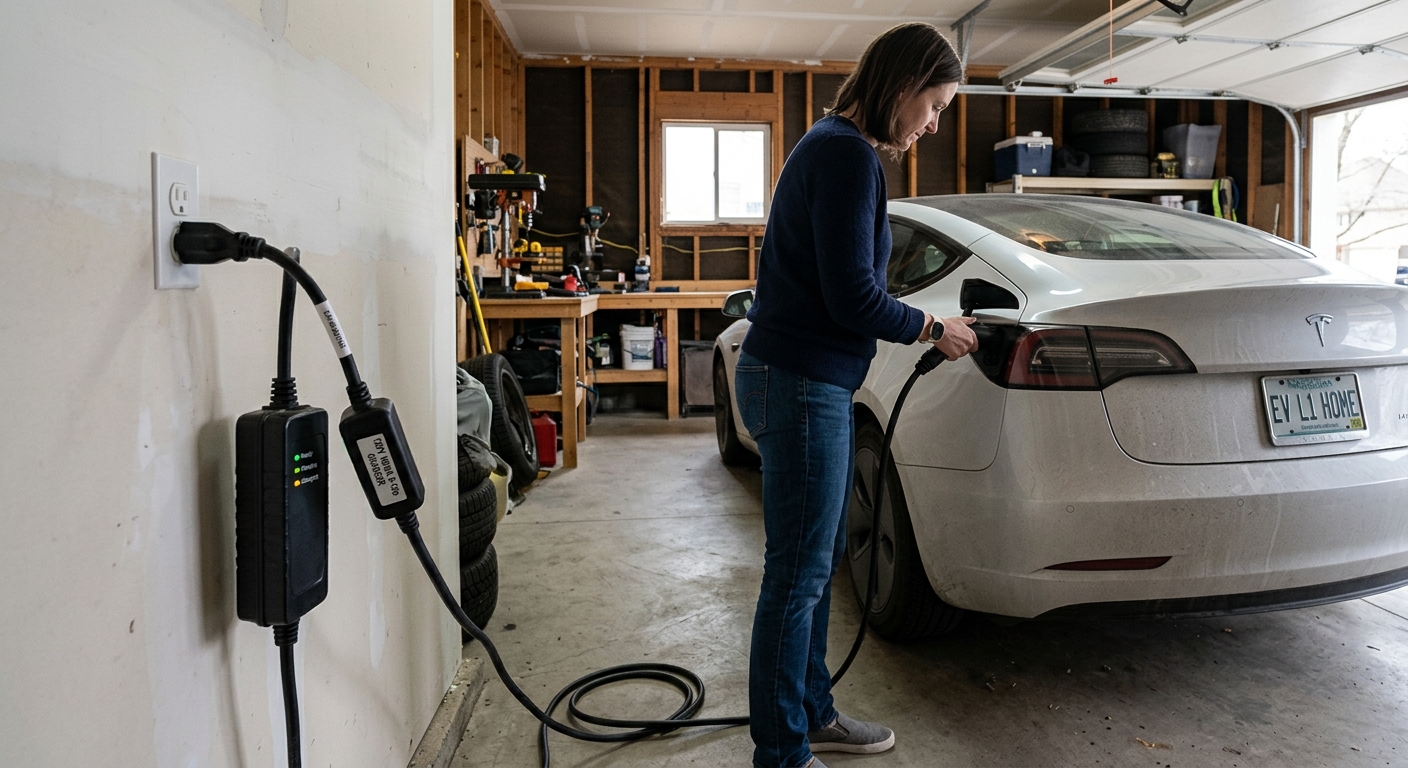
Level 1 Setup (Zero Cost): Level 1 equipment typically comes included with your electric vehicle at no extra charge. It plugs straight into a standard, pre-existing standard household outlet, meaning zero installation fees and no electrician required.
-
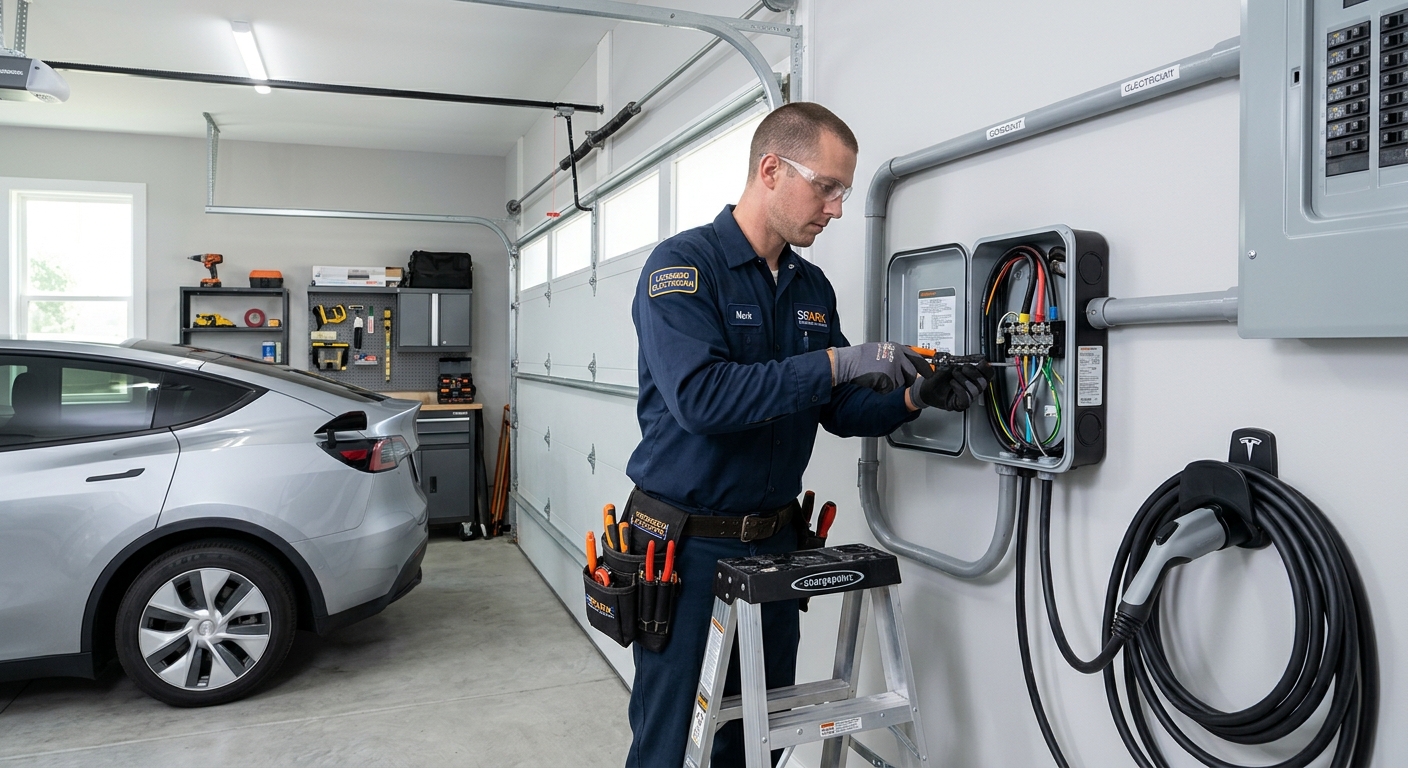
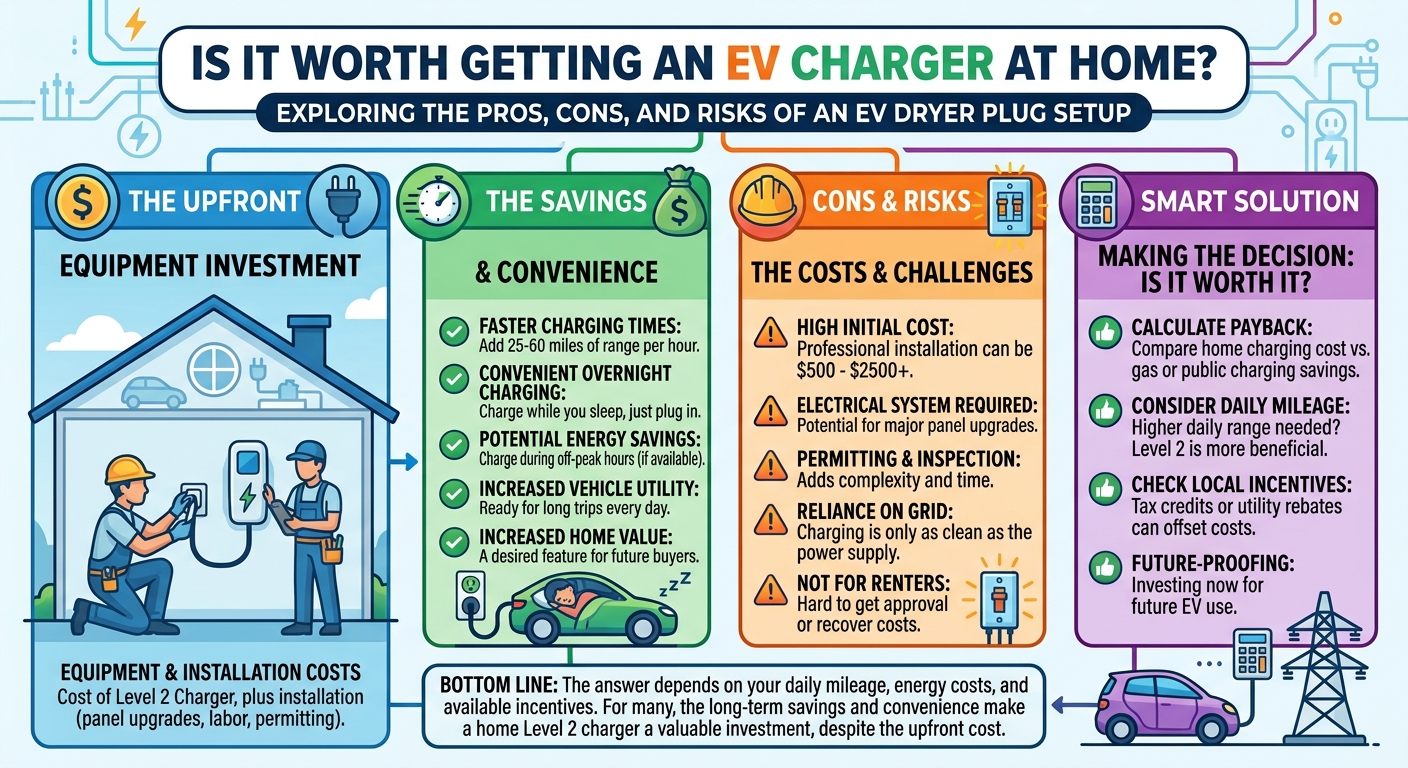
Level 2 Setup (Higher Upfront Investment): Installing a Level 2 unit requires purchasing external hardware (ranging from $400 to $1,200) plus professional electrical wiring, a dedicated 240V circuit, and potential panel upgrades. Total installation costs commonly range from $500 to over $2,000 depending on your home’s infrastructure.
3. Long-Term Savings via Smart Features and Rates
Even though Level 2 requires a steeper initial investment, it can actually save you money in the long run through strategic energy management:
-
Time-of-Use (TOU) Optimization: Most utilities offer cheap overnight electricity rates. Because Level 2 fills an EV battery in 4 to 8 hours instead of 40+ hours, you can easily confine your entire charging schedule to ultra-low off-peak windows.
-
Advanced Scheduling: Modern home setups often feature software controls to automate these savings. Installing advanced units—such as those discussed in our guide on smart home EV solutions—allows you to track energy usage and bypass expensive peak-hour grid rates entirely.
If you want to evaluate your overall budget, home safety requirements, and long-term savings potential, check out our core insights and recommendations at EV Charger Advisor.
Summary: Which One Should You Choose?
-
Choose Level 1 if you have a short daily commute (under 40 miles), drive a plug-in hybrid, or want a zero-cost temporary solution.
-
Choose Level 2 if you drive long distances daily, own multiple electric vehicles, or want to maximize utility rate savings and daily convenience.





Leave a Reply