
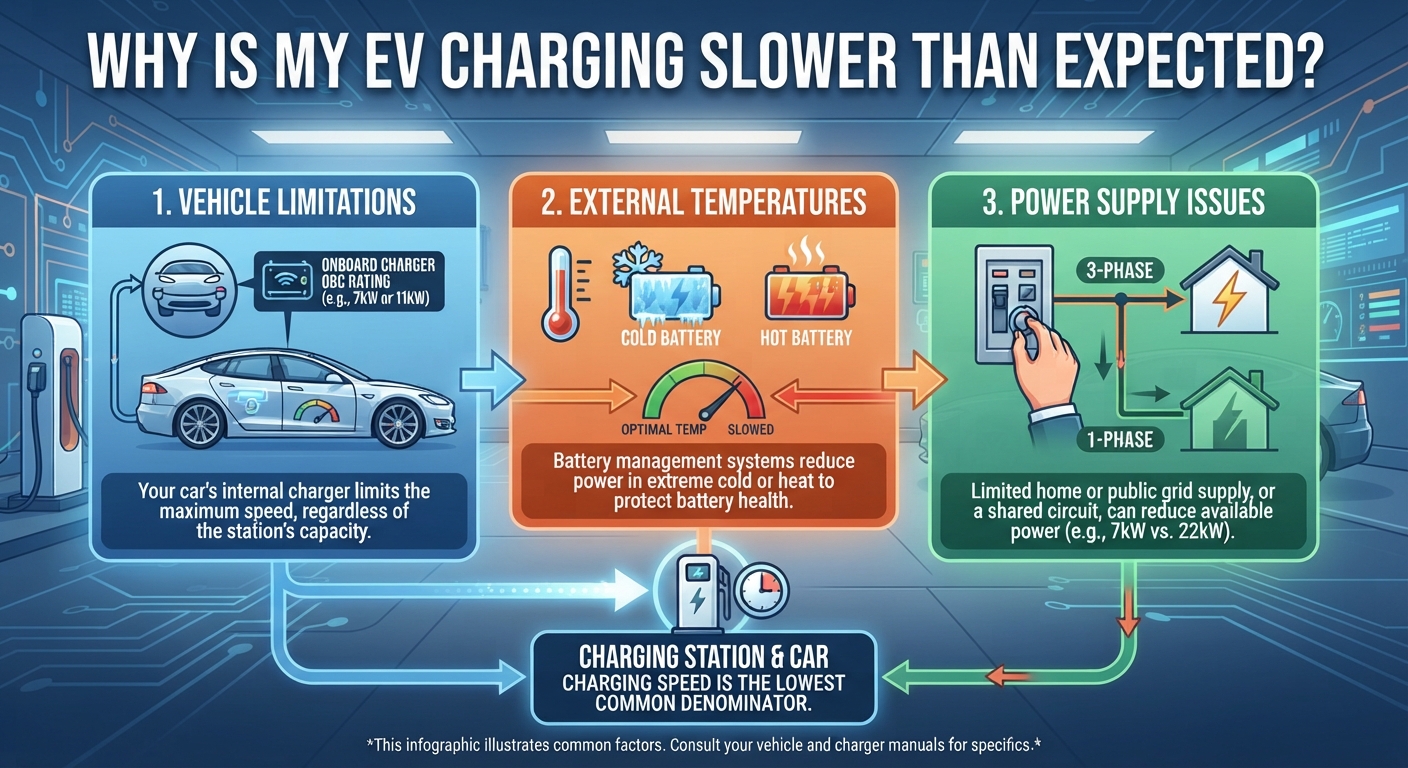
Your EV’s charging speed is set by the weakest link in a chain: the charger, the circuit, your car’s onboard charger, the voltage at your outlet, the battery’s temperature and how full it is. In most cases, slower charging is normal and not a sign of a fault. A few causes are fixable, and this guide helps you tell which is which.
Quick diagnosis: where is it slow?
| Symptom | Likely cause |
|---|---|
| Slow on every charger | Vehicle current limit, charging schedule, battery temperature, state of charge or a vehicle fault |
| Slow only at home | Circuit capacity, charger setting, onboard charger limit, connector condition or home load management |
| Slow at one public station | Station output, shared power or failed hardware |
| Slows as the battery fills | Normal charging taper, especially on DC fast charging |
- 1. Your car’s onboard charger is the limit
- For home and Level 2 charging, your car’s onboard charger caps the speed. Charging speed is always limited by whichever component has the lower capacity: the vehicle or the charger. If your car accepts only 7.7 kW, a 11.5 kW charger won’t speed it up.
- 2. Your circuit supplies less than you think
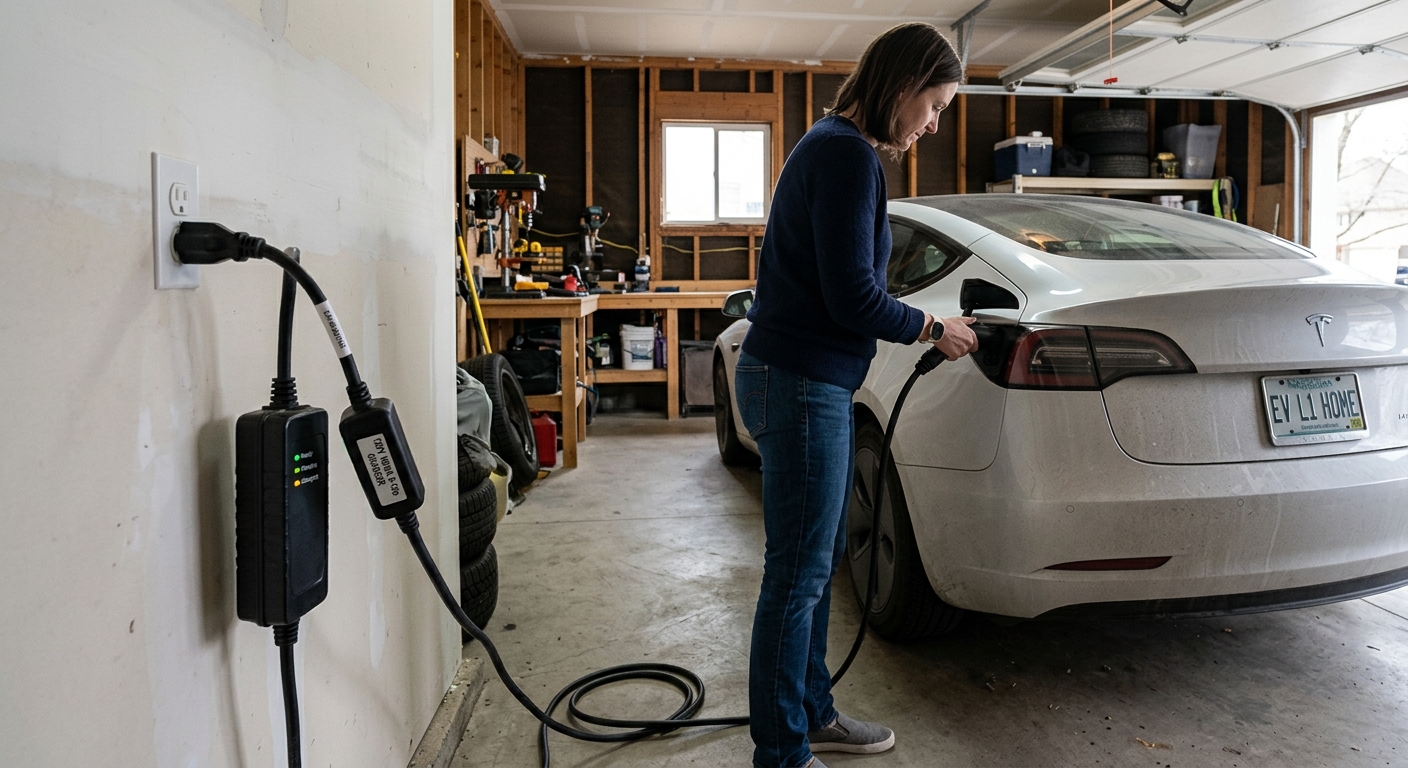
- Power equals voltage multiplied by current. A charger can only draw what the circuit supplies, and a 30-amp circuit delivers only about 7.2 kW. In homes with older wiring or shared panels, the drop is even larger. If you’re on a standard 120V outlet (Level 1), slow charging of roughly 3-5 miles of range per hour is normal.
- 3. Voltage is lower than expected
- Because power depends on voltage, low voltage at your socket directly reduces charging power. Voltage drops can happen over long wire runs or with heavy household loads.
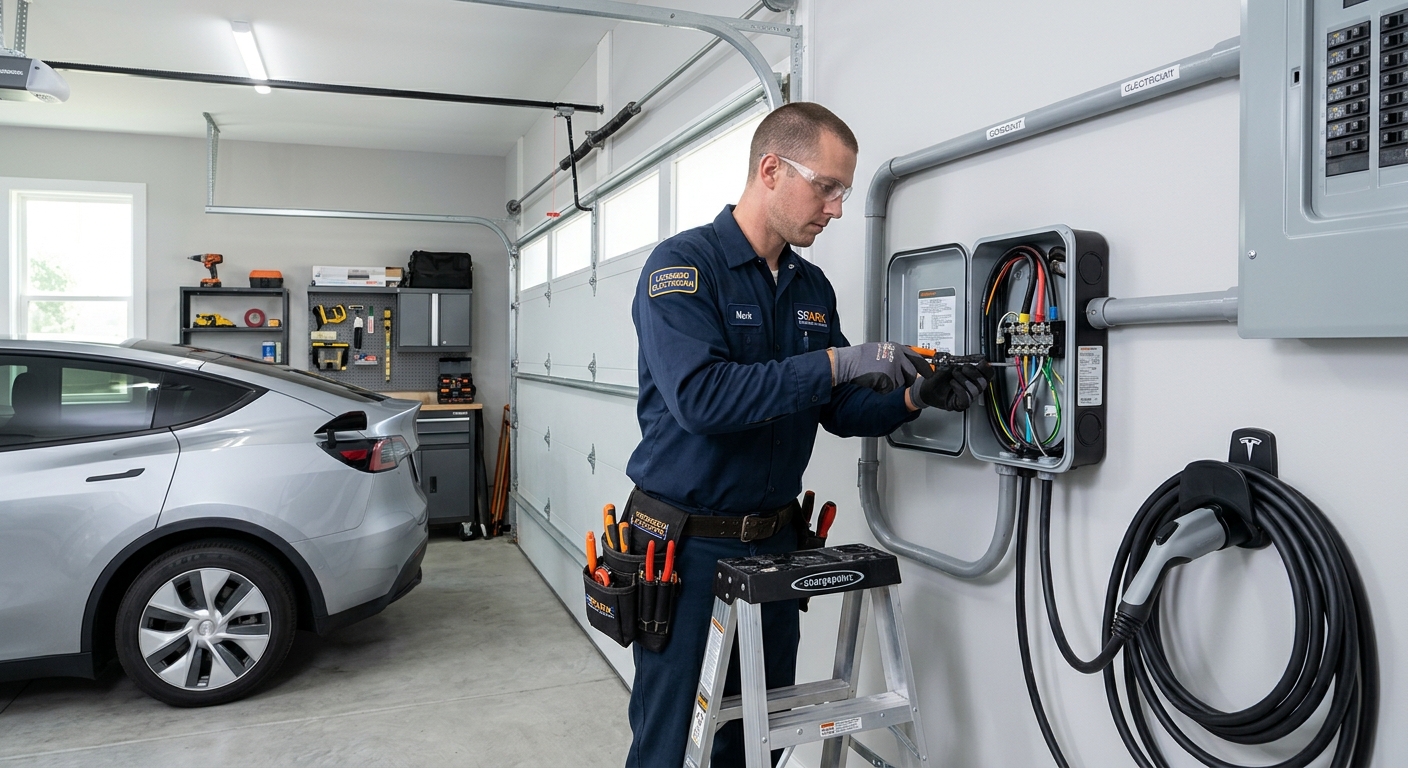
- Suspect your circuit? Get a licensed electrician to check your installation https://evchargeradvisor.online/
- 4. Load management is throttling power
- Smart chargers with load management lower the charging rate when other appliances are running, to protect your home’s circuit. This is by design. If charging slows in the evening when you cook or run the heat pump, this may be why.
- 5. A setting is limiting speed
- Check your car’s charge current setting, any charging schedule, and your charger’s app. Some vehicles and chargers let you cap the amperage, and an old limit can stay active. Only adjust user settings, never installer-only limits.
- 6. The battery is nearly full (taper)
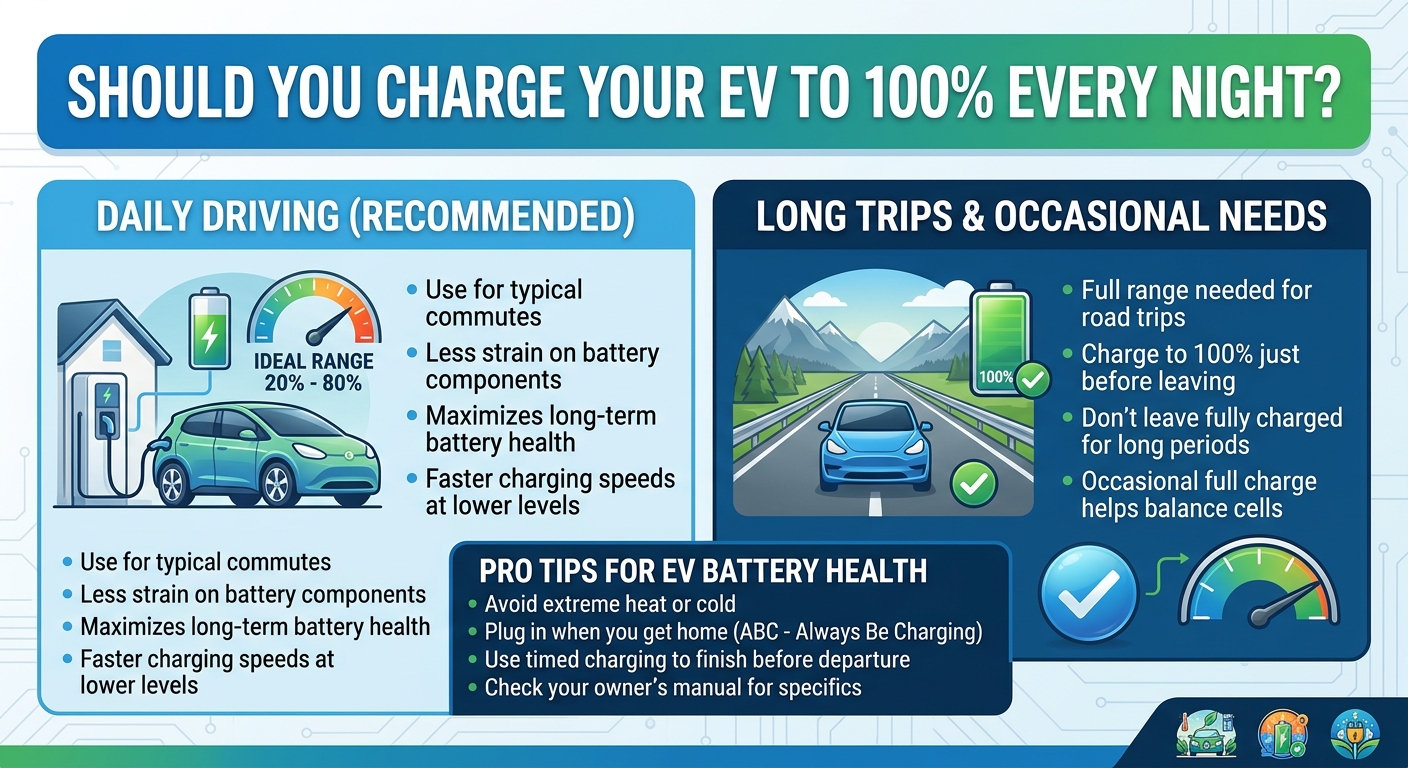
- Above roughly 80%, the battery management system (BMS) reduces charging current to prevent cell stress. It’s called tapering, and it makes the last 20% take disproportionately longer than the first 80%. It’s the battery protecting itself, not a fault in the car or charger. Home AC charging draws a steadier power and tapers far less than DC fast charging.
- 7. The battery is too cold or too hot
- Cold temperatures reduce the conductivity of lithium-ion cells, so the BMS limits the rate until the battery warms up. Extreme heat does the same from the other direction. In cold weather, let the car precondition its battery on the way to a fast charger, and park in a garage where possible.
- 8. A public station is sharing power
- When multiple vehicles share the same power source, each car’s charging rate drops. A busy station can also deliver less than its rated output.
- 9. Your car’s peak is below the station’s rating
- A car that peaks at 50 kW won’t benefit from a 150 kW charger. Check your car’s maximum DC rate before assuming a station will be faster.
- 10. Battery age or the 12V battery
- Older batteries may accept charge at a slightly slower rate. A weak 12-volt auxiliary battery can also stop the charging electronics from working properly, which can cause slow or failed sessions.
Troubleshooting checklist
- Identify the pattern using the table above.
- Check your car’s charge settings and any schedule.
- Check your charger’s app for load management or amp limits.
- Look at the connector and cable for damage or dirt.
- Try another charger to see whether the car or the charger is the cause.
- Note the temperature and charge level when it’s slow.
- Call an electrician if home charging is consistently below your charger’s rating.
When to worry
Slow charging is usually normal. See a professional if charging is slow on every charger and every battery level, if it suddenly drops compared with before, or if the connector or outlet gets warm. Warm connections are a safety issue, so stop charging and have it inspected.
Next step: Compare Level 2 home chargers https://evchargeradvisor.online/
FAQs
- Why is my EV charging slower than expected?
Because speed is limited by the weakest link: charger, circuit, onboard charger, voltage, temperature or state of charge. - Why does my EV charge slower at 80%?
The battery management system tapers the current above about 80% to protect the cells. - Does cold weather slow EV charging?
Yes. The battery limits the rate until it warms up. - Why is my 7 kW charger delivering less than 7 kW?
Your car’s onboard charger, the circuit, the voltage or load management may be the limit. - Will a faster charger fix slow charging?
Only if your car can accept more power and your circuit can supply it. - Does battery age slow charging?
Slightly, over years. - Why is public charging slower than advertised?
Shared power, your car’s peak rate, a cold battery or a high starting charge level.
Final thoughts
Most slow charging is the car and battery protecting themselves, not a problem to fix. Work through the checklist, and you’ll quickly see whether it’s normal or something your electrician can solve.
Ready to upgrade? Get a licensed installer quote https://evchargeradvisor.online/
General information only. If you notice a warm outlet, connector or cable, stop charging and consult a licensed electrician.





Leave a Reply